You want your car to look its best every time you hit the road. But how often should you pressure wash your car to keep it clean without causing damage?
Washing your car too little can let dirt and grime build up, while washing it too often might wear down the paint. You’ll discover the perfect balance to keep your car shining and protected. Ready to learn the simple steps that can save you time, money, and keep your car looking fresh?
Let’s dive in!
Benefits Of Pressure Washing Your Car
Pressure washing your car offers many benefits. It keeps your vehicle looking clean and fresh. Regular washing protects your car’s surface and extends its life. Dirt and grime can build up fast. Removing them helps maintain the car’s shine and value. Pressure washing is a quick and effective way to clean hard-to-reach spots. It also helps prevent damage that can cost you later.
Enhancing Paint Longevity
Pressure washing removes harmful dirt and debris from the paint. This prevents scratches and dullness. Clean paint lasts longer and looks better. Dirt can cause the paint to fade over time. Washing your car regularly keeps the paint bright and smooth. This simple step helps protect your car’s color and finish.
Removing Dirt And Grime
Dirt and grime build up from road dust, mud, and pollution. These substances stick to the car’s surface and wheels. Pressure washing blasts away stubborn dirt quickly. It cleans areas that normal washing might miss. A clean car looks newer and more attractive. Removing grime also helps keep the car’s parts working well.
Preventing Rust And Corrosion
Rust starts when dirt and moisture stay on metal surfaces. Pressure washing removes salt, mud, and chemicals that cause rust. Keeping the car clean reduces the chance of corrosion. Rust can damage the car’s body and parts. Washing regularly protects your investment and saves money on repairs.
Credit: www.meineke.com
Ideal Frequency For Pressure Washing
Knowing the ideal frequency for pressure washing your car helps keep it clean and safe. Regular washing removes dirt, salt, and grime that can damage the paint. It also protects the metal parts from rust. Finding the right washing schedule depends on several important factors.
Factors Influencing Washing Frequency
The type of car and its color affect how often you wash it. Dark cars show dirt more quickly than light-colored ones. If you park outside, dust and bird droppings build up faster. The quality of your local water can also leave spots on the paint. Personal habits like how much you drive also matter.
Seasonal Considerations
Winter demands more frequent washing because of road salt and mud. Salt causes rust and corrosion, so clean the car often in cold months. Spring and summer bring pollen and tree sap that stick to the surface. Rain can wash some dirt away but also leave water spots. Adjust your washing routine with changing seasons.
Impact Of Driving Conditions
Driving on dirt roads or in heavy traffic causes more dirt buildup. Coastal areas add salt spray, which harms the paint and metal. Long trips expose your car to bugs and road grime. City driving often means more pollution and brake dust. These conditions require more frequent pressure washing to protect your car.
Choosing The Right Pressure Washer
Choosing the right pressure washer is key to cleaning your car safely. The wrong pressure can damage the paint or leave dirt behind. Knowing the right pressure level, nozzle type, and model helps you keep your car spotless. This guide helps you pick the best option for your needs.
Pressure Levels Suitable For Cars
Cars need a gentle pressure to avoid paint damage. Ideal pressure ranges from 1200 to 1900 PSI. Lower pressure cleans dirt without harming the surface. Too high pressure can chip paint or push water into seals. Use a pressure washer with adjustable settings for control.
Nozzle Types And Their Uses
Nozzles control water flow and spray pattern. A 25-degree nozzle works well for cars, offering a wide spray. A 40-degree nozzle is softer and safer for delicate areas. Avoid using 0-degree nozzles as they create a focused, powerful jet. This can damage paint and trim.
Portable Vs. Stationary Models
Portable pressure washers are easy to move and store. They are perfect for home use and small jobs. Stationary models offer more power but take up space. They suit garages or professional use. Choose portable for flexibility and stationary for heavy-duty cleaning.
Credit: auto.howstuffworks.com
Pressure Washing Techniques
Pressure washing is a great way to keep your car clean and fresh. Using the right techniques helps protect your car’s paint and surface. It also ensures a thorough clean without damage. Proper pressure washing extends your car’s life and shine.
Preparing Your Car
Start by rinsing your car with water to remove loose dirt. Close all windows and doors tightly. Remove or cover delicate parts like mirrors and antennas. Check the pressure washer settings before use. Use a wide spray nozzle to avoid damage.
Safe Pressure Washing Practices
Keep the nozzle at least 12 inches from the car surface. Use moderate pressure to avoid paint damage. Spray in a steady, side-to-side motion. Avoid spraying directly at tires or seals. Wear protective gear like goggles and gloves for safety.
Areas To Focus On
Pay attention to the wheels and undercarriage where dirt builds up. Clean door jambs and bumpers carefully. Remove bugs and grime from the front grille. Don’t forget the roof and windows. Finish with a gentle rinse to remove soap residue.
Common Mistakes To Avoid
Pressure washing your car can keep it clean and shiny. But mistakes can cause damage or reduce cleaning power. Avoid these common errors to protect your car and get the best results.
Using Excessive Pressure
Too much pressure can harm your car’s paint and trim. It may cause scratches or peel off paint layers. Use a lower pressure setting designed for cars. Always test on a small area first.
Ignoring Sensitive Areas
Some parts need extra care, like windows, mirrors, and seals. High pressure on these spots can cause leaks or cracks. Spray gently and keep a safe distance. Protect delicate parts from strong water jets.
Skipping Pre-rinse Steps
Skipping the pre-rinse wastes time and can damage your car. Dirt and debris may scratch the surface during washing. Rinse your car first to remove loose dirt. This step helps prevent scratches and improves cleaning.
Supplemental Car Cleaning Tips
Pressure washing your car is great for removing dirt and grime quickly. Still, some car cleaning tasks need a gentler touch. These supplemental tips help keep your car looking fresh and protect its finish. A mix of methods can extend your car’s shine and life.
Use these extra cleaning steps alongside pressure washing for the best care. They focus on delicate areas, surface protection, and inside cleanliness.
Hand Washing For Delicate Spots
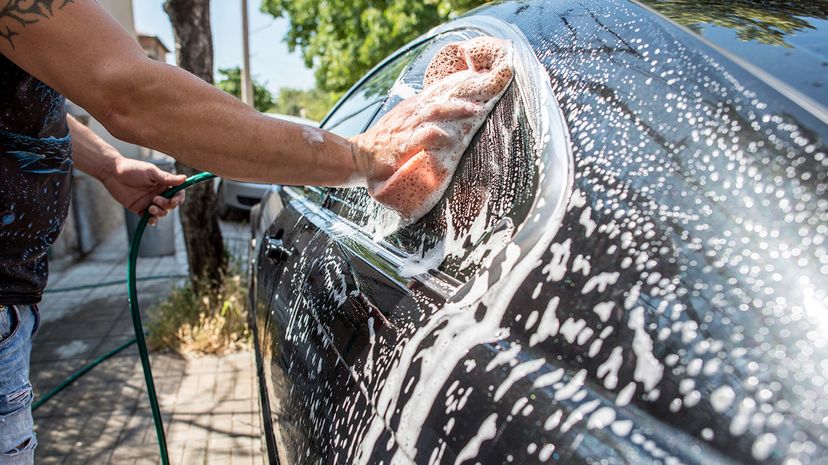
Some areas on your car need gentle cleaning. Use a soft cloth or sponge with mild soap. Avoid harsh scrubbing to protect paint and trim. Clean around badges, mirrors, and vents by hand. This prevents damage and keeps small details spotless.
Waxing After Washing
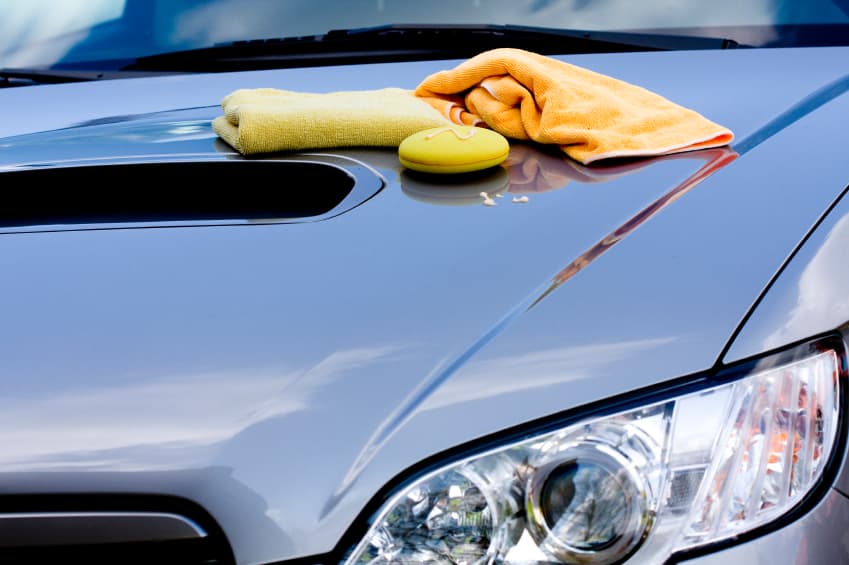
Waxing protects your car’s paint after washing. It adds a shiny finish and repels water. Apply wax with a soft cloth in small sections. Buff it off to avoid streaks. Waxing helps prevent dirt buildup and makes future cleaning easier.
Interior Cleaning Recommendations
Clean inside your car regularly to keep it fresh. Use a vacuum to remove dust and crumbs. Wipe surfaces with a damp cloth and mild cleaner. Avoid soaking fabric or leather. Clean windows inside for clear visibility and a tidy look.
:max_bytes(150000):strip_icc()/wash-car-often-GettyImages-1487696672-03f5a58229b5471c9126e78d0609f7c7.jpg)
Credit: www.realsimple.com
Frequently Asked Questions
How Often Should I Pressure Wash My Car?
Pressure wash your car every 2 to 3 months. Frequent washing removes dirt, grime, and harmful contaminants. It helps maintain your car’s paint and finish. Adjust frequency based on weather and driving conditions for best results.
Can Pressure Washing Damage My Car’s Paint?
Pressure washing can damage paint if done incorrectly. Use a low-pressure setting and keep the nozzle at least 12 inches away. Always use a wide spray pattern. Avoid harsh detergents to protect your car’s finish and avoid scratches.
Is Pressure Washing Better Than Hand Washing A Car?
Pressure washing is faster and removes tough dirt effectively. Hand washing is gentler and allows for more detailed cleaning. Combining both methods can achieve the best results without damaging the paint or exterior surfaces.
What Pressure Setting Is Safe For Washing Cars?
Use a pressure setting between 1200 and 1900 PSI for cars. Higher pressure may damage paint or trim. Always start at a lower pressure and increase if needed. Use a wide-angle nozzle to reduce force impact.
Conclusion
Pressure washing your car keeps it clean and shiny. Most cars need washing every two to three months. Wash more often if you drive on dirt roads or in bad weather. Use gentle pressure to avoid paint damage. Regular cleaning also helps protect your car’s finish.
Remember, too much pressure washing can harm the paint. Find the right balance for your car’s needs. Clean cars look better and last longer. Keep an eye on dirt and grime build-up. Stay consistent, and your car will stay fresh and bright.
Simple care goes a long way.