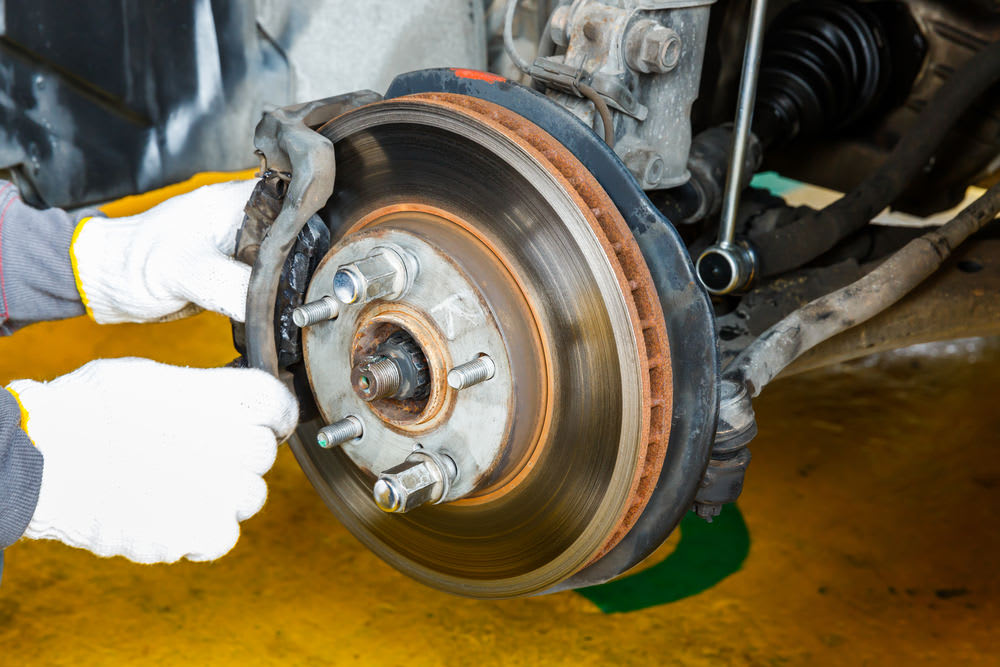
Your car’s brakes are one of the most important safety features you have. But do you know how often to replace your brake pads and rotors?
Ignoring this can lead to costly repairs or, worse, dangerous driving conditions. You’ll discover clear signs that it’s time for a change, how to spot wear before it becomes a problem, and simple tips to keep your brakes working smoothly.
Keep reading to protect yourself, your passengers, and your wallet.
Brake Pads Lifespan
Brake pads are a key part of your car’s braking system. They press against the rotors to slow or stop the vehicle. Knowing how long brake pads last helps keep your driving safe. Replacing them on time avoids damage and costly repairs.
Brake pads wear down over time due to friction. Their lifespan depends on many things. Watching for signs of wear and knowing the average mileage helps you plan replacements better.
Average Mileage For Replacement
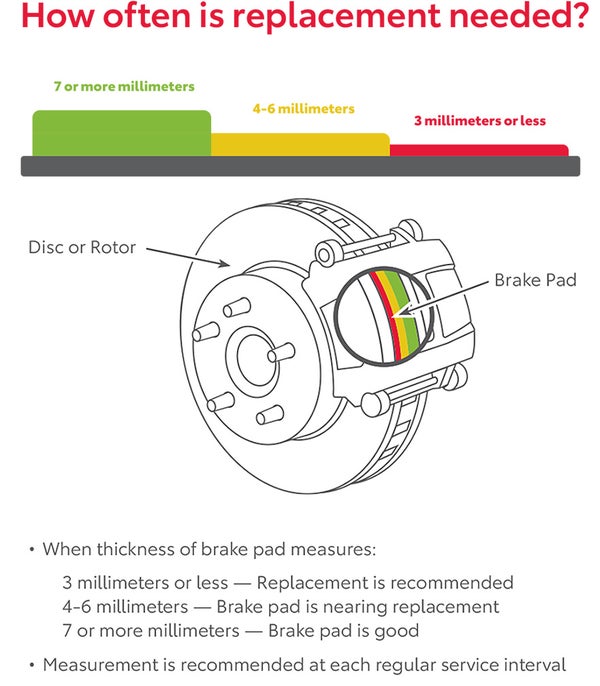
Most brake pads last between 30,000 and 70,000 miles. Some last longer with gentle driving. Others wear out faster in city traffic. Checking your vehicle’s manual gives a good estimate. Regular inspections help catch wear before it becomes dangerous.
Signs Of Worn Brake Pads
Squeaking or squealing noises often mean pads are thin. A grinding sound shows pads are very worn. If the brake pedal feels soft or goes down too far, check pads. Longer stopping distances also suggest worn pads. Visual checks can reveal thin or cracked pads.
Factors Affecting Brake Pad Wear
Driving style affects pad wear a lot. Hard braking wears pads faster. Stop-and-go city driving causes more wear than highway driving. Heavy loads or towing increase pressure on brake pads. Road conditions like hills or rough roads also speed up wear. Choosing the right pad material affects lifespan too.
Credit: www.rosevilletoyota.com
Rotor Replacement Timing
Knowing when to replace rotors is key for safe driving. Rotors work with brake pads to stop your car. They wear out over time and need checking often. Replacing rotors on time keeps braking smooth and safe.
When Rotors Need Changing
Rotors need changing if they are too thin. Most car makers set a minimum thickness for rotors. If your rotor is thinner, it cannot cool properly. Warped rotors cause vibration and reduce braking power. Deep grooves or cracks also mean it is time to replace them.
Symptoms Of Damaged Rotors
You may feel shaking in the brake pedal or steering wheel. Strange noises, like squealing or grinding, can happen. The car may pull to one side when braking. Longer stopping distances also signal rotor problems. These signs show your rotors might be damaged.
Rotor Maintenance Tips
Check your rotors regularly, especially after 30,000 miles. Keep brake pads in good shape to protect rotors. Avoid hard braking to reduce rotor wear. Clean rotors during brake service to remove dirt and rust. Proper care can extend rotor life and keep brakes safe.
Brake Pad And Rotor Compatibility
Brake pads and rotors work as a team to stop your car safely. Their compatibility affects braking power and part life. Choosing the right combination keeps your vehicle smooth and secure on the road.
Matching Pads With Rotors
Brake pads and rotors must match well to avoid early wear. Using pads designed for your rotor type prevents noise and vibration. Always check the manufacturer’s recommendations before replacing parts. Proper matching improves braking performance and extends component life.
Material Types And Their Impact
Pads and rotors come in different materials. Common pad types include ceramic, semi-metallic, and organic. Rotors are usually made of cast iron or composite materials. Pairing similar materials helps reduce heat and wear. For example, ceramic pads work well with smooth rotors. Mixing materials can cause faster damage and less effective braking.
Upgrading Brake Components
Upgrading pads or rotors requires careful selection. High-performance parts need compatible pairs to work properly. Sports pads may need special rotors that handle more heat. Upgrades improve braking but must fit your vehicle’s needs. Always balance cost, performance, and compatibility when upgrading brakes.
Driving Habits And Wear
Your driving habits greatly affect how fast brake pads and rotors wear out. Different styles and conditions cause different levels of stress on these parts. Knowing how your habits impact wear helps you replace them at the right time. This keeps your car safe and running smoothly.
Effects Of Aggressive Driving
Aggressive driving means hard braking and fast acceleration. This puts more pressure on brake pads and rotors. They heat up quickly and wear down faster. Drivers who brake suddenly or speed often need to replace their brakes more often. Gentle driving helps extend the life of brake parts.
City Vs. Highway Driving Impact
City driving uses brakes more because of stop-and-go traffic. This causes faster wear on pads and rotors. Highway driving is smoother with fewer stops, so brakes last longer. Drivers mostly on highways can expect slower brake wear. Urban drivers should check brakes more regularly.
Weather Conditions And Brake Wear
Weather affects brake wear too. Rain, snow, and ice make brakes work harder. Moisture can cause rust on rotors, leading to damage. Hot weather can cause brakes to overheat. Both conditions reduce brake life. Regular checks help catch problems caused by weather early.
Inspection And Maintenance
Regular inspection and maintenance of brake pads and rotors keep your car safe. Checking these parts helps avoid costly repairs and unexpected breakdowns. It also ensures your vehicle stops properly every time you press the brake pedal.
Routine Brake Inspections
Check brake pads and rotors every 10,000 to 15,000 miles. Look for thin pads, deep grooves, or uneven rotor surfaces. Inspect brake fluid levels and listen for unusual noises. Regular checks catch problems early and keep brakes working well.
Diy Vs. Professional Checks
Simple brake checks can be done at home with basic tools. You can measure pad thickness or spot visible damage. Professional mechanics use special tools for detailed rotor and pad inspection. Experts spot hidden issues and provide accurate maintenance advice.
Signs To Seek Immediate Help
Brake squealing, grinding noises, or a soft brake pedal need quick attention. Pulling to one side or a burning smell during braking also signals trouble. These signs mean your brake pads or rotors may be worn out or damaged. Stop driving and get your brakes checked right away.
.jpg)
Credit: www.cbac.com
Cost Considerations
Cost plays a big role in deciding when to replace brake pads and rotors. Understanding the expenses helps you plan your budget well. You can avoid surprises by knowing typical prices for parts and labor. Spending wisely can keep your car safe without breaking the bank.
Brake Pad Replacement Costs
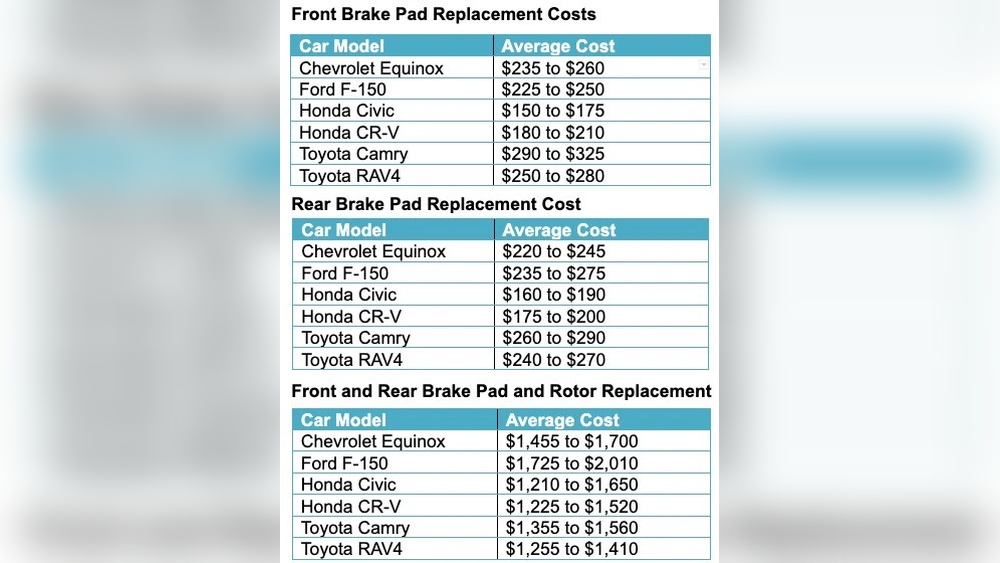
Brake pads usually cost less than rotors. Basic pads can range from $30 to $70 per set. Premium pads with better materials may cost $80 to $150. Labor charges add $50 to $100 depending on the shop. Total cost often falls between $80 and $250. Prices vary by car type and location.
Rotor Replacement Expenses
Rotors are pricier than brake pads. Standard rotors range from $40 to $75 each. High-performance rotors can cost $100 or more each. Labor fees to replace rotors run $100 to $150 per axle. Full rotor replacement usually costs $180 to $350 total. Costs differ by rotor quality and vehicle model.
Balancing Quality And Price
Choosing cheap parts may save money now. But low-quality pads and rotors wear out faster. This leads to frequent replacements and more labor costs. Investing in mid-range parts often gives better value. They last longer and perform better. Ask your mechanic about brands that fit your budget and needs.
Credit: www.yourmechanic.com
Frequently Asked Questions
How Often Should Brake Pads Be Replaced?
Brake pads typically need replacement every 30,000 to 70,000 miles. This varies based on driving habits and vehicle type. Regular inspections help identify wear early. Replace them if you hear squealing or feel reduced braking power. Timely replacement ensures safe and efficient braking.
When Do Rotors Need Replacement?
Rotors usually require replacement every 50,000 to 70,000 miles. They should be replaced if warped, cracked, or excessively worn. Signs include vibration or pulsation when braking. Rotors can sometimes be resurfaced, but severe damage demands full replacement for safety.
Can I Replace Brake Pads Without Changing Rotors?
Yes, you can replace brake pads without changing rotors if rotors are in good condition. Ensure rotors are smooth and not warped. If rotors show damage or wear, replacing both is recommended for optimal braking performance. Always inspect rotors during pad replacement.
What Happens If Brake Pads Aren’t Replaced Timely?
Failing to replace brake pads on time can damage rotors. This leads to costly repairs and reduced braking efficiency. Worn pads increase stopping distance and risk brake failure. Timely replacement ensures vehicle safety and prevents further brake system damage.
Conclusion
Brake pads and rotors wear out over time and need regular checks. Replace brake pads every 30,000 to 70,000 miles, depending on use. Rotors usually last longer but watch for signs of damage or warping. Timely replacement keeps your brakes working well and ensures safety.
Pay attention to noises, vibrations, or reduced stopping power. Regular maintenance helps avoid bigger, costly repairs later. Stay safe by checking your brakes often and replacing parts as needed. Simple care extends your vehicle’s life and keeps driving smooth.