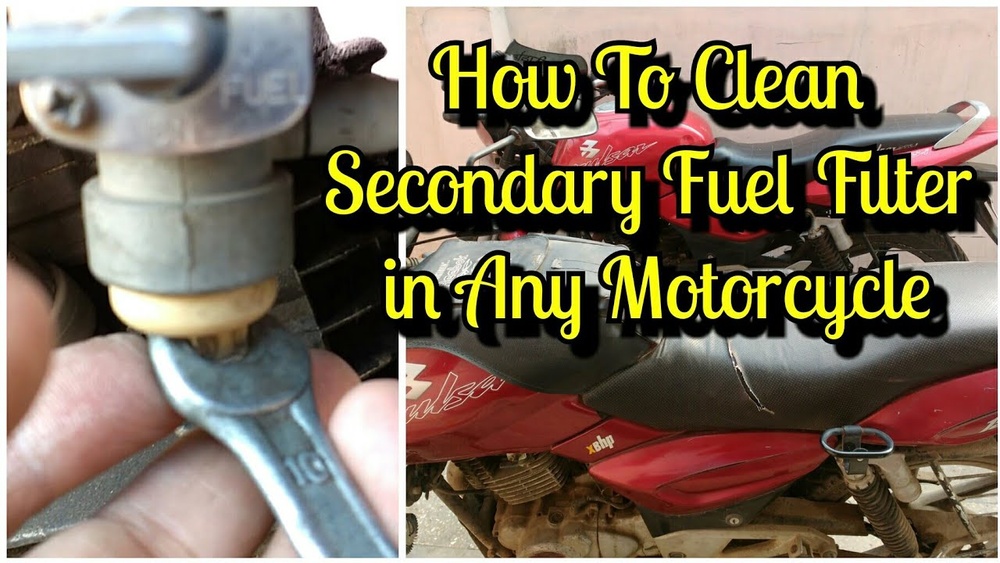
Have you ever wondered how often you should replace the fuel filter in your car? It’s a small part, but it plays a big role in keeping your engine running smoothly.
Ignoring it could lead to poor performance or even costly repairs. You’ll discover the simple signs that tell you when it’s time for a change and why sticking to the right schedule can save you money and stress. Keep reading to learn exactly how to protect your car and keep it running like new.
Role Of Fuel Filters
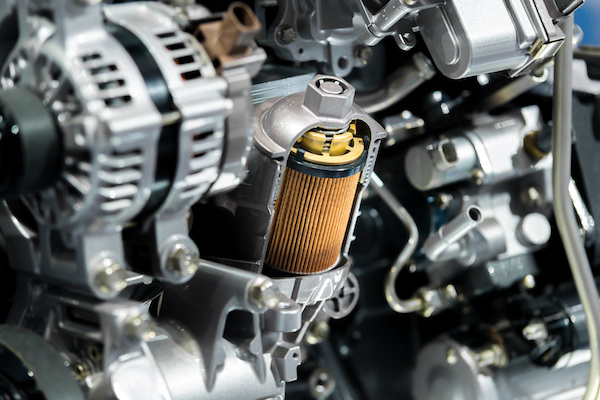
The fuel filter plays a key role in keeping a car’s engine clean and running smoothly. It stops dirt and debris from reaching the engine. Without a good filter, tiny particles can harm the engine parts. This can cause trouble and reduce the car’s life.
Understanding what the fuel filter does helps explain why it needs regular replacement. It is a small part but very important for the car’s health.
Fuel Filter Function
The fuel filter cleans the fuel before it reaches the engine. Fuel can contain dirt, rust, and other particles. The filter traps these harmful bits. This stops them from entering the engine.
Clean fuel helps the engine burn fuel better. It also protects the fuel injectors and other parts. A good filter keeps the fuel system free from damage.
Impact On Engine Performance
A dirty fuel filter can block fuel flow. This causes the engine to run poorly. The car might lose power or have trouble starting. Fuel economy can also drop.
Replacing the fuel filter helps keep the engine strong. It ensures smooth driving and better fuel use. Regular filter changes prevent costly engine repairs later.
Credit: www.nergersautoexpress.com
Signs Of A Clogged Fuel Filter
A clogged fuel filter can cause serious problems for your car’s engine. It blocks fuel flow, making the engine work harder. This leads to several clear signs that your fuel filter needs attention. Watch for these warning signals to avoid bigger repairs.
Engine Stalling And Hesitation
Your engine may stall or hesitate during driving. This happens because fuel cannot reach the engine smoothly. The car might jerk or lose power, especially when you accelerate. These are strong signs of a clogged fuel filter.
Reduced Fuel Efficiency
A dirty fuel filter forces the engine to use more fuel. This reduces your miles per gallon and raises fuel costs. You may notice that you need to fill the tank more often. Lower fuel efficiency often points to a fuel flow problem.
Difficulty Starting The Car
Starting your car might take longer or fail completely. A clogged fuel filter limits fuel supply at startup. The engine struggles to get enough fuel to ignite. This difficulty is a clear signal to check the fuel filter soon.
Recommended Replacement Intervals
Knowing the right time to replace your car’s fuel filter helps keep your engine healthy. Changing it too late can cause poor performance and damage. Follow clear intervals to avoid trouble and save money.
Fuel filter replacement times differ. They depend on the car brand, model, and how you drive. Check these key points to understand when to change yours.
Manufacturer Guidelines
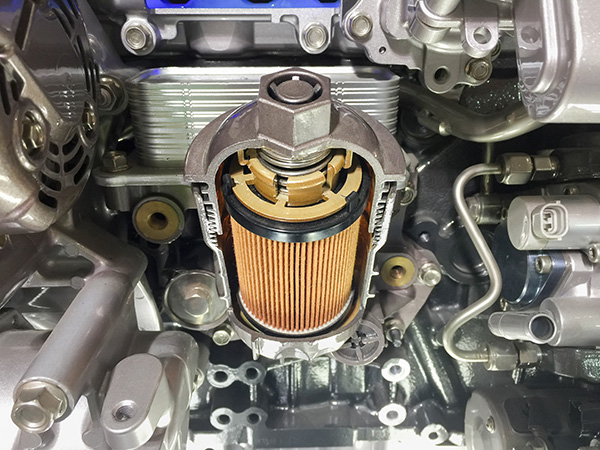
Car makers give specific advice on fuel filter changes. This info is in the owner’s manual. Usually, they suggest replacement every 20,000 to 40,000 miles. Sticking to these guidelines keeps your warranty safe and your car running well.
Variations By Car Model
Different cars need different care. Some models have fuel filters that last longer. Others require more frequent changes. High-performance cars or diesel engines might have unique schedules. Know your model’s needs to avoid early wear or engine problems.
Driving Conditions Impact
Driving style affects how often to replace the fuel filter. Rough roads and dusty areas clog the filter faster. Stop-and-go city traffic can wear it down too. For tough conditions, check and change the filter more often. This keeps fuel clean and engine strong.
Credit: www.paulsauto.com
Consequences Of Delayed Replacement
Delaying the replacement of a fuel filter can cause serious problems for your car. The filter cleans dirt and debris from the fuel. Over time, it gets clogged and stops working well. This can lead to several issues that affect your car’s performance and cost you more money.
Engine Damage Risks
A dirty fuel filter reduces fuel flow to the engine. The engine may run rough or stall. Lack of clean fuel can cause the engine to overheat. Small particles can enter the engine, causing wear. Over time, this leads to costly engine repairs or even failure.
Fuel System Issues
A clogged fuel filter makes the fuel pump work harder. This strain can cause the pump to fail early. Fuel injectors may get dirty or blocked. The car might lose power or hesitate during acceleration. These problems reduce fuel efficiency and reliability.
Increased Repair Costs
Ignoring fuel filter replacement raises repair bills. Engine damage and fuel system failures are expensive to fix. Regular filter changes are a low-cost way to avoid big repairs. Timely maintenance keeps your car running smoothly and saves money.
Diy Vs Professional Replacement
Deciding whether to replace your car’s fuel filter yourself or hire a professional depends on your skills and tools. Doing it yourself can save money and teach you about your car. A professional offers safety and guarantees the job is done right.
Tools Needed For Diy
You need a few basic tools for DIY fuel filter replacement. Prepare a wrench or socket set to remove bolts. Have a new fuel filter that fits your car model. Use safety gloves to protect your hands. A container to catch fuel spills is important. Rags or paper towels help clean any mess.
Step-by-step Replacement Process
Start by turning off the engine and disconnecting the battery. Locate the fuel filter, usually near the fuel tank or engine. Use the wrench to loosen the bolts holding the filter. Be ready to catch any fuel that leaks out. Remove the old filter carefully and install the new one. Tighten the bolts securely but do not over-tighten. Reconnect the battery and start the engine to check for leaks.
When To Seek Professional Help
Seek help if you feel unsure about handling fuel safely. Complex fuel systems may require special tools or knowledge. If the fuel filter is hard to reach, a professional can avoid damage. Persistent fuel problems after replacement need expert diagnosis. Safety risks from fuel leaks or fumes mean a professional is best.
Maintenance Tips To Extend Fuel Filter Life
Keeping the fuel filter in good shape helps your car run smoothly. Taking care of the fuel filter extends its life and saves money. Simple habits protect the filter from dirt and damage. These tips help you get the best from your fuel filter.
Using Quality Fuel
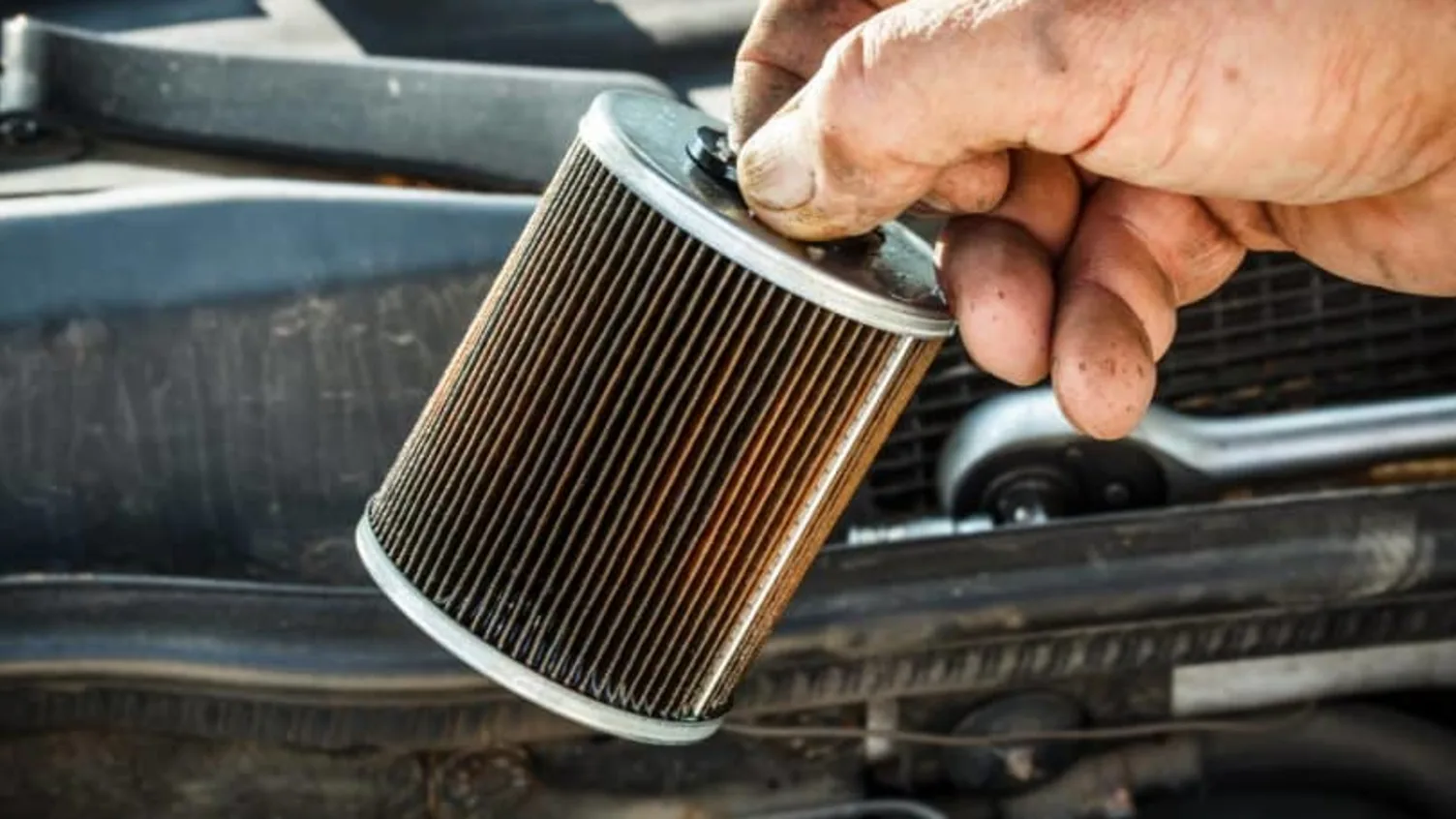
Always choose good quality fuel for your car. Cheap or poor fuel may contain dirt and water. These impurities clog the fuel filter fast. Clean fuel keeps the filter working longer. It also helps the engine stay healthy.
Regular Vehicle Checkups
Check your car regularly for any fuel system issues. Mechanics can spot problems early, like a dirty fuel filter. Regular checkups help fix small problems before they grow. This keeps the fuel filter clean and efficient. Follow your car’s service schedule closely.
Avoiding Contaminated Gas Stations
Not all gas stations provide clean fuel. Some have old or dirty tanks that harm the fuel filter. Try to fill your tank at trusted, busy stations. They usually have fresher and cleaner fuel. Avoiding bad gas stops dirt from reaching your fuel filter.
Credit: www.bigboxcars.com.au
Frequently Asked Questions
How Often Should I Replace My Car’s Fuel Filter?
Typically, replace the fuel filter every 20,000 to 40,000 miles. Check your owner’s manual for exact intervals. Regular replacement ensures clean fuel flow and prevents engine issues.
What Are Signs Of A Clogged Fuel Filter?
Common signs include engine misfires, reduced power, and poor acceleration. You might also notice difficulty starting or stalling. These symptoms indicate it’s time to inspect or replace the fuel filter.
Can A Dirty Fuel Filter Damage My Engine?
Yes, a dirty fuel filter restricts fuel flow, causing engine strain. This can lead to poor performance, increased fuel consumption, and potential engine damage over time.
Is Fuel Filter Replacement Diy-friendly?
Replacing a fuel filter can be DIY if you have basic tools and knowledge. However, some models require professional service due to location or complexity.
Conclusion
Replacing your car’s fuel filter keeps the engine running smooth. Clean filters stop dirt from blocking fuel flow. Most cars need a new filter every 20,000 to 40,000 miles. Check your owner’s manual for exact times. Waiting too long can cause poor performance or damage.
Regular changes help save money on repairs later. Simple maintenance that keeps your car healthy. Don’t ignore this small but important part. Keep your drive safe and trouble-free.