

Have you ever wondered how often you should replace your fuel filter? It’s a small part, but it plays a big role in keeping your engine running smoothly.
Ignoring it can lead to costly repairs and poor performance. You’ll discover the signs that tell you it’s time for a change and learn the best schedule to keep your car healthy. Keep reading to protect your vehicle and save money in the long run.
Fuel Filter Basics
The fuel filter is a small but vital part of any vehicle. It keeps the fuel clean by trapping dirt and debris. Clean fuel helps the engine run smoothly. Without a good fuel filter, dirt can block fuel flow and harm the engine. Understanding the basics of fuel filters helps you know why and when to replace them.
Role In Vehicle Performance
The fuel filter stops dirt from entering the engine. Clean fuel improves engine power and efficiency. A clogged filter reduces fuel flow. This causes poor engine performance and lower fuel economy. It can also cause the engine to stall or hesitate. Regular filter changes keep the engine healthy and running well.
Types Of Fuel Filters
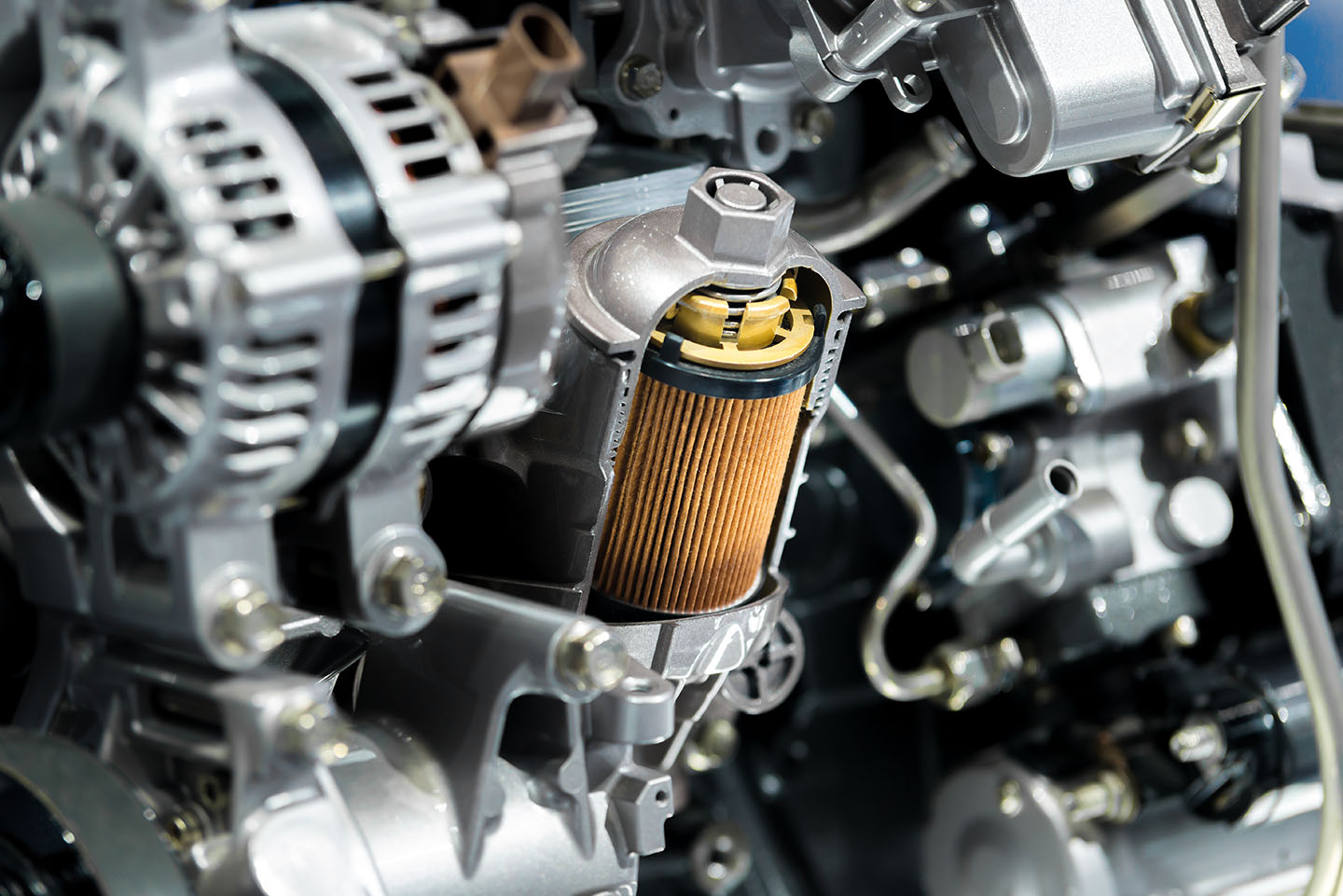
Fuel filters come in different styles. The most common types are cartridge and spin-on filters. Cartridge filters are found inside a housing. They are easy to replace. Spin-on filters look like oil filters and screw on the fuel line. Some vehicles have in-tank filters. These are inside the fuel tank and last longer. Knowing the type helps you pick the right replacement.
Signs Of A Clogged Fuel Filter
A clogged fuel filter can cause many problems in your vehicle. It stops fuel from flowing properly. This makes the engine work harder. Knowing the signs helps you fix the issue fast. Watch for changes in how your car runs. These signs warn about a dirty fuel filter.
Engine Performance Issues
The engine may run rough or stall. It can lose power while driving. You might hear strange noises from the engine. This happens because the fuel flow is blocked. The engine does not get enough fuel to work well.
Fuel Efficiency Drops
Your car uses more fuel than usual. A clogged filter makes the engine less efficient. You will notice more visits to the gas station. This waste happens because the engine struggles to burn fuel properly. Fuel economy gets worse over time.
Starting Problems
The engine may take longer to start. Sometimes, it won’t start at all. This happens because the fuel cannot reach the engine quickly. A blocked filter stops the fuel flow. Starting problems often mean the filter needs replacement.
Recommended Replacement Intervals
Knowing the right time to replace your fuel filter is key for smooth engine performance. The filter stops dirt and rust from reaching the engine. Over time, it clogs and needs changing. Recommended replacement intervals help keep your vehicle running well.
Manufacturer Guidelines
Car makers provide specific advice on how often to change the fuel filter. This info is in the owner’s manual or service booklet. Usually, the interval ranges from 20,000 to 40,000 miles. Following these guidelines helps avoid engine problems.
Different car models have different needs. Some modern cars use fuel filters that last longer. Always check your vehicle’s manual for exact timing. Stick to the schedule for the best results.
Driving Conditions Impact
Driving habits and conditions affect how fast the fuel filter clogs. Dusty or dirty roads make the filter work harder. Stop-and-go city driving can also cause faster buildup. In such cases, change the filter more often than usual.
Long highway drives tend to be easier on the filter. Still, regular checks are important. Drivers in harsh environments should inspect their fuel filters more frequently. This prevents clogged filters and engine trouble.
Credit: bostechauto.com
Replacement Process
Replacing the fuel filter is a key part of car maintenance. A clean filter keeps your engine running smoothly. The process is simple but needs care. Follow these clear steps to do it right.
Tools Needed
- New fuel filter matching your car model
- Wrenches or socket set
- Screwdrivers
- Container to catch fuel drips
- Rags or shop towels
- Safety glasses and gloves
Step-by-step Procedure
- Locate the fuel filter under the car or near the engine.
- Relieve fuel system pressure by loosening the gas cap.
- Place a container under the filter to catch fuel spills.
- Loosen the filter clamps or connectors carefully.
- Remove the old fuel filter gently to avoid fuel spills.
- Install the new filter in the correct direction.
- Tighten clamps or connectors securely.
- Check for leaks by starting the engine and inspecting the filter.
Safety Precautions
- Wear safety glasses and gloves to protect yourself.
- Work in a well-ventilated area to avoid fumes.
- Keep away from open flames or sparks during replacement.
- Dispose of old fuel filter and fuel safely.
- Avoid skin contact with fuel; wash immediately if it happens.
Benefits Of Timely Replacement
Replacing the fuel filter on time brings many benefits. It keeps your vehicle running smoothly and saves money in the long run. Clean fuel reaches the engine, which helps avoid problems. A timely change supports better performance and prevents costly repairs.
Improved Fuel Economy
A clean fuel filter lets fuel flow easily to the engine. This helps the engine burn fuel more efficiently. Your car uses less fuel to run the same distance. Saving fuel means spending less money at the pump. Regular filter changes help maintain these savings.
Enhanced Engine Longevity
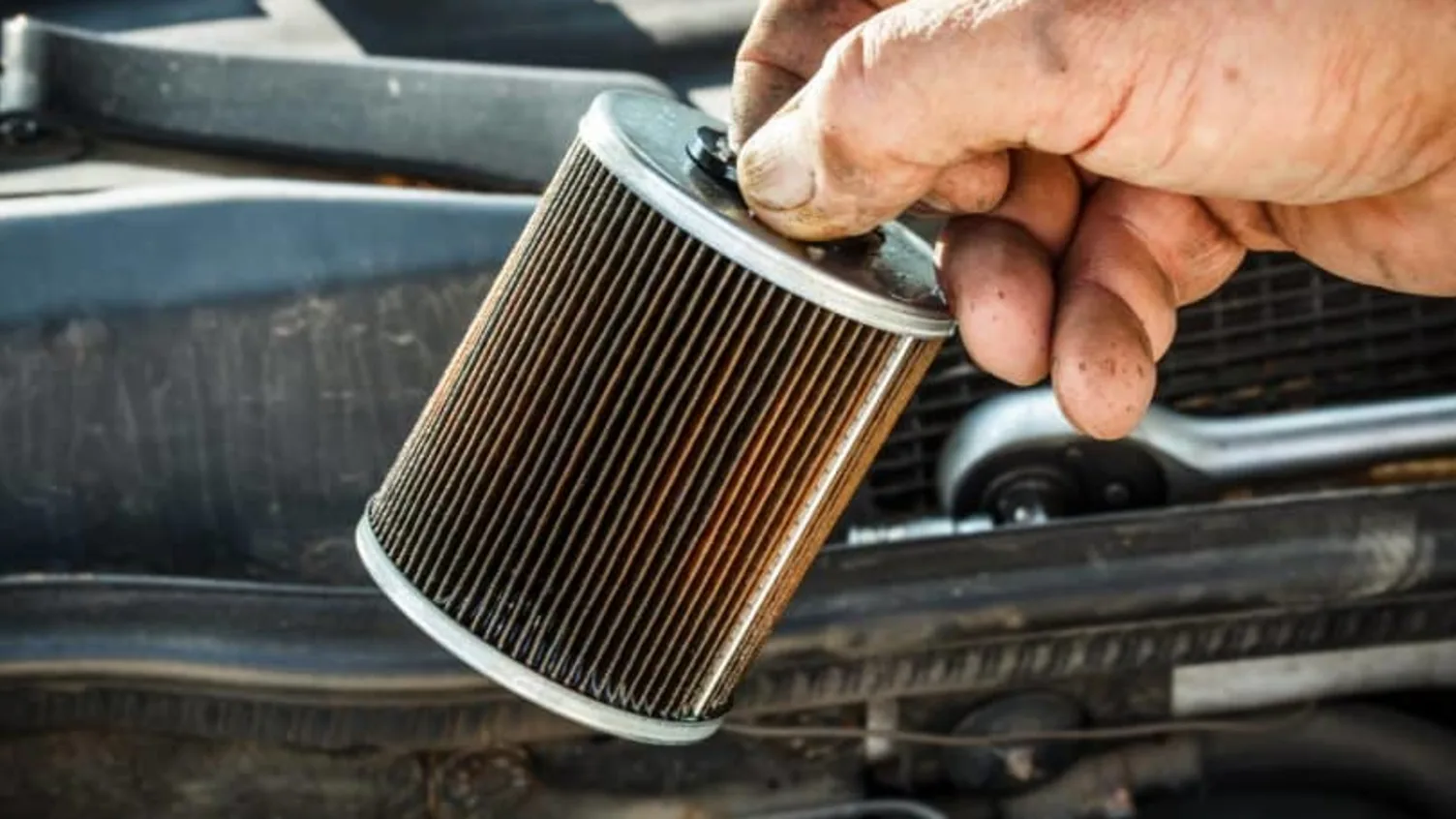
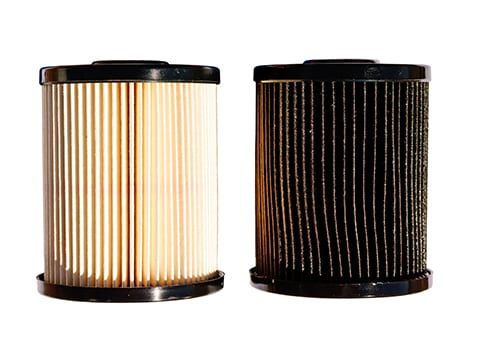
Dirty fuel can damage engine parts over time. A clean filter stops dirt and debris from entering the engine. This reduces wear and tear on key components. Engines last longer with fewer breakdowns. Timely replacement protects your engine’s health.
Reduced Emissions
A clogged fuel filter can cause poor fuel combustion. This leads to more harmful gases released into the air. A fresh filter helps the engine burn fuel cleanly. Cleaner burning reduces pollution and helps the environment. Regular changes support cleaner air and better vehicle performance.
Credit: www.bigboxcars.com.au
Common Mistakes To Avoid
Replacing your fuel filter is key for engine health. Many drivers make errors that shorten filter life or harm the vehicle. Avoiding common mistakes saves money and prevents bigger issues. Learn what to watch for and how to handle your fuel filter properly.
Ignoring Warning Signs
Warning signs tell you when the fuel filter needs attention. Poor engine performance, stalling, or rough idling often mean a clogged filter. Ignoring these signs can cause engine damage. Always check your car’s behavior and act quickly.
Using Incorrect Filters
Not all fuel filters fit every vehicle. Using the wrong one can cause leaks or poor fuel flow. Always choose filters made for your car’s model. Check the manual or ask a professional for the right part.
Delaying Replacement
Delaying fuel filter replacement leads to dirt build-up. This chokes fuel flow and reduces engine power. Replace the filter as recommended in your service schedule. Don’t wait for serious problems to appear.
Cost Considerations
Understanding the cost of replacing a fuel filter helps you plan your car maintenance budget. Costs vary depending on the type of filter and whether you do the job yourself or hire a mechanic. Knowing these costs can save you money and avoid surprises.
Price Range Of Filters
Fuel filters usually cost between $10 and $50. Simple filters for common cars are cheaper. High-performance or specialty filters cost more. Buying from a trusted brand ensures better quality and longer life. Check the filter type your car needs before buying.
Labor Costs Vs Diy
Getting a mechanic to replace the fuel filter usually costs $50 to $150. Labor charges depend on the car model and shop rates. Doing it yourself saves money but needs basic tools and skills. Watch tutorials and read the manual carefully before starting. Replacing the filter yourself can be quick and easy with the right guidance.
Credit: www.waynesautocenter.com
Frequently Asked Questions
How Often Should I Replace My Fuel Filter?
Most experts recommend replacing your fuel filter every 20,000 to 40,000 miles. Check your vehicle’s manual for specific intervals. Regular replacement helps maintain engine performance and fuel efficiency. Neglecting this can lead to clogged filters and engine problems.
What Are Signs Of A Clogged Fuel Filter?
Common signs include engine misfires, poor acceleration, and difficulty starting. You may also notice reduced fuel efficiency and stalling. If these symptoms appear, inspect or replace the fuel filter promptly to avoid further engine damage.
Can I Replace The Fuel Filter Myself?
Yes, if you have basic mechanical skills and tools, you can replace it. Always follow your vehicle’s manual instructions and take safety precautions. If unsure, consult a professional to ensure correct installation and avoid damage.
Does A Dirty Fuel Filter Affect Fuel Economy?
Yes, a dirty fuel filter restricts fuel flow, causing the engine to work harder. This reduces fuel efficiency and increases emissions. Regular replacement ensures optimal fuel flow and better mileage, saving money on fuel costs.
Conclusion
Replacing your fuel filter regularly keeps your engine healthy. Dirty filters block fuel flow and reduce performance. Most experts suggest changing it every 20,000 to 40,000 miles. Check your vehicle’s manual for exact advice. Listen to your car for signs like rough idling or poor acceleration.
Clean fuel means better mileage and fewer repairs. Stay on schedule to avoid costly engine problems. Simple steps protect your car and save money. Don’t wait until issues start. Keep your fuel filter fresh and your ride smooth.


