

If your lawn mower isn’t running as smoothly as it used to, the fuel filter might be the problem. Changing the fuel filter is a simple task that can save you time and money on repairs.
In this guide, you’ll learn exactly how to change a fuel filter on your lawn mower, step by step. By the end, you’ll know how to keep your mower running strong all season long. Ready to get started? Let’s dive in.

Credit: www.youtube.com
Signs Of A Clogged Fuel Filter
A clogged fuel filter stops fuel from flowing properly to the engine. This problem causes several noticeable signs. Recognizing these signs early helps keep your lawn mower running smoothly. Watch for changes in engine power, starting issues, and fuel smells.
Reduced Engine Performance
The engine may run weak or lose power during use. Your mower might stall or hesitate when cutting grass. It struggles to keep a steady speed or slows down on hills. These issues occur because the fuel filter blocks fuel flow. The engine does not get enough fuel to work well.
Difficulty Starting The Mower
The mower may take many tries to start or not start at all. A clogged fuel filter stops fuel from reaching the engine quickly. The engine starves and fails to ignite. You might hear the starter turning but the engine won’t catch. This problem grows worse over time if the filter stays clogged.
Fuel Smell Or Leaks
You might notice a strong fuel smell near the mower. A clogged filter can cause fuel to leak from connections. Fuel leaks are dangerous and wasteful. They also signal a blocked or damaged fuel system. Check fuel lines and filter for cracks or wet spots. Fix leaks immediately to avoid fire risks.
Tools And Materials Needed
Changing a fuel filter on a lawn mower is a simple task. Having the right tools and materials makes the job easier. Prepare everything before you start. This saves time and avoids frustration.
Replacement Fuel Filter
Use a fuel filter made for your mower model. Check the owner’s manual for the correct type. A proper filter keeps the engine running smoothly. Old or wrong filters can cause problems.
Screwdrivers And Wrenches
You need screwdrivers and wrenches to remove and install parts. A flathead or Phillips screwdriver may be required. Wrenches help to loosen fuel lines and bolts. Choose the right size to avoid damage.
Fuel Container And Rags
Drain the fuel safely into a container before changing the filter. Use a clean fuel container to store the gas. Have rags ready to wipe spills and clean parts. This keeps your workspace safe and tidy.
Preparing The Lawn Mower
Preparing your lawn mower before changing the fuel filter is important. This step helps you work safely and avoid problems later. Proper preparation saves time and makes the process easier.
Safety Precautions
Always wear gloves and safety glasses. Work in a well-ventilated area to avoid fumes. Keep sparks and flames away from the mower. Turn off the engine and disconnect the spark plug wire. This stops the mower from starting accidentally.
Locating The Fuel Filter
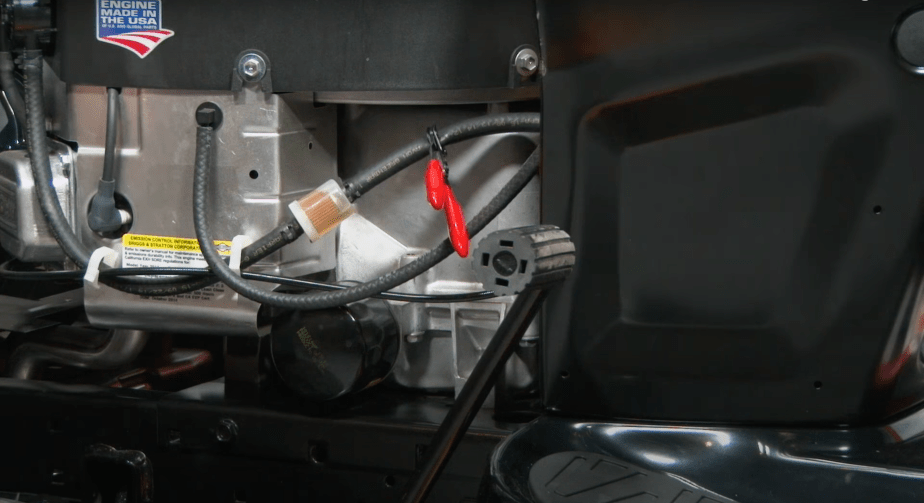
Find the fuel filter by following the fuel line from the tank. It is usually a small, clear or white cylinder. Check the mower manual if you cannot find it. Knowing its location helps in quick removal and replacement.
Draining The Fuel
Drain the fuel to prevent spills and leaks. Use a container to catch the gas from the fuel line. Turn the fuel valve off if your mower has one. This step keeps your work area clean and safe.

Credit: www.ifixit.com
Removing The Old Fuel Filter
Removing the old fuel filter from your lawn mower is an important step before installing a new one. It helps keep the engine clean and running smoothly. This process is simple and takes only a few minutes. Follow the steps carefully to avoid fuel leaks and damage.
Disconnecting Fuel Lines
First, turn off the lawn mower and let it cool down. Locate the fuel lines connected to the filter. Use pliers to gently squeeze the clamps on the fuel lines. Pull the fuel lines off the filter carefully. Be ready to catch any fuel that might leak out.
Removing Mounting Clips Or Screws
Check if the fuel filter is held by clips or screws. Use a screwdriver or your hands to remove these fasteners. Keep the clips or screws safe to reuse later. Take out the old fuel filter from its place carefully. Avoid bending or damaging the fuel lines.
Handling Fuel Spills
Fuel spills can happen during removal. Use a rag or paper towel to wipe up any spilled fuel. Work in a well-ventilated area to avoid inhaling fumes. Dispose of the fuel-soaked materials safely. Clean the area around the fuel filter before installing the new one.
Installing The New Fuel Filter
Installing the new fuel filter is a key step in your lawn mower maintenance. This process ensures clean fuel flow, keeping your mower running smoothly. Follow these steps carefully to fit the new filter right and avoid fuel leaks or engine issues.
Positioning The Filter Correctly
Check the new filter for an arrow or label showing fuel flow direction. The arrow must point towards the engine. Place the filter in the same spot as the old one. Make sure it fits snugly and does not move.
Reattaching Fuel Lines
Slide the fuel lines onto each end of the new filter. Push them firmly to avoid any gaps. The lines should fit tight and not slip off. If needed, twist gently while pushing to get a secure connection.
Securing With Clips Or Screws
Use the original clips or screws to hold the filter in place. Attach them firmly but do not overtighten. The filter must stay stable during mower operation. Double-check that all parts are secure before moving on.
Testing The Lawn Mower
After changing the fuel filter, testing your lawn mower is important. This step ensures the mower runs smoothly and safely. Testing helps find any issues before regular use. Follow these simple steps to check your mower’s performance.
Refilling Fuel Tank
Start by filling the fuel tank with fresh gasoline. Use clean fuel to avoid clogging the new filter. Do not overfill the tank to prevent spills. Close the fuel cap tightly after refilling.
Starting The Engine
Turn on the mower to see if the engine starts easily. Pull the starter cord or press the ignition button. Listen for smooth running without sputtering or stalling. If the engine struggles, check the fuel filter and connections again.
Checking For Leaks
Look under the mower for any signs of fuel leaks. Check around the fuel filter and fuel lines carefully. Leaks can cause fire hazards or damage the engine. Tighten fittings or replace parts if you find leaks.
Maintenance Tips
Proper maintenance keeps your lawn mower running smoothly. Changing the fuel filter is a key step. This section offers simple tips to help you care for your mower. Follow these tips to avoid common problems and extend your mower’s life.
When To Replace The Fuel Filter
Change the fuel filter every 25 hours of use or once a season. A clogged filter slows fuel flow and hurts engine performance. Watch for signs like hard starting, rough running, or loss of power. Replace the filter right away if you notice these issues.
Storing The Mower Properly
Empty the fuel tank before storing the mower for long periods. Old fuel can clog the filter and damage the engine. Store your mower in a dry, cool place. Cover it to protect from dust and moisture. Proper storage helps keep the fuel filter clean and effective.
Regular Inspection
Check the fuel filter every few weeks during mowing season. Look for dirt, cracks, or damage. Inspect fuel lines for leaks or wear too. Clean or replace parts as needed to avoid bigger problems. Regular checks keep your mower ready to start fast.
Credit: www.motorbiscuit.com
Frequently Asked Questions
How Often Should I Change The Lawn Mower Fuel Filter?
Typically, change the fuel filter every 25 to 50 hours of use. This keeps your mower running smoothly and prevents engine problems. Check your mower’s manual for specific recommendations to maintain optimal performance.
What Tools Do I Need To Change A Fuel Filter?
You’ll need pliers, a screwdriver, and a replacement fuel filter. Ensure the mower is off and cool before starting. These basic tools help you safely remove and install the new filter with ease.
Can I Use Any Fuel Filter For My Lawn Mower?
No, always use a fuel filter compatible with your mower model. Using the wrong filter can cause fuel flow issues or engine damage. Check the manufacturer’s specifications to find the correct replacement.
How Do I Safely Remove The Old Fuel Filter?
Turn off the mower and disconnect the spark plug. Use pliers to gently loosen and remove the fuel lines from the filter. Handle fuel carefully to avoid spills and fire hazards during removal.
Conclusion
Changing a fuel filter keeps your lawn mower running well. Clean filters stop dirt from reaching the engine. This helps your mower start easily and work smoothly. Regular filter changes save time and money on repairs. Follow the steps carefully to do the job right.
A little effort now prevents big problems later. Keep your mower ready for every mowing day. Simple care makes a big difference in performance.


