

Your car’s brakes are one of the most important safety features you rely on every day. But do you know when it’s time to replace your rotors and brake pads?
Ignoring worn brakes can put you and your passengers at serious risk. You’ll discover clear signs to watch for and learn exactly how often you should replace these crucial parts. Keep reading to protect your ride and save money before small problems turn into costly repairs.
Signs Of Worn Brake Pads
Worn brake pads cause serious issues and must not be ignored. They affect your car’s safety and stopping power. Knowing the signs helps you replace them on time. Early action saves money and prevents damage to rotors.
Squealing And Grinding Noises
Squealing sounds often mean brake pads are thin. This noise comes from a small metal indicator. It warns you to check the brakes. Grinding noises are worse. They show the pads are worn out completely. Metal parts rub against the rotor, causing damage.
Reduced Braking Performance
Brakes feel less responsive with worn pads. You may need more distance to stop. The brake pedal might feel soft or go down too far. This is a clear sign of brake wear. It lowers your control and increases accident risk.
Visual Inspection Tips
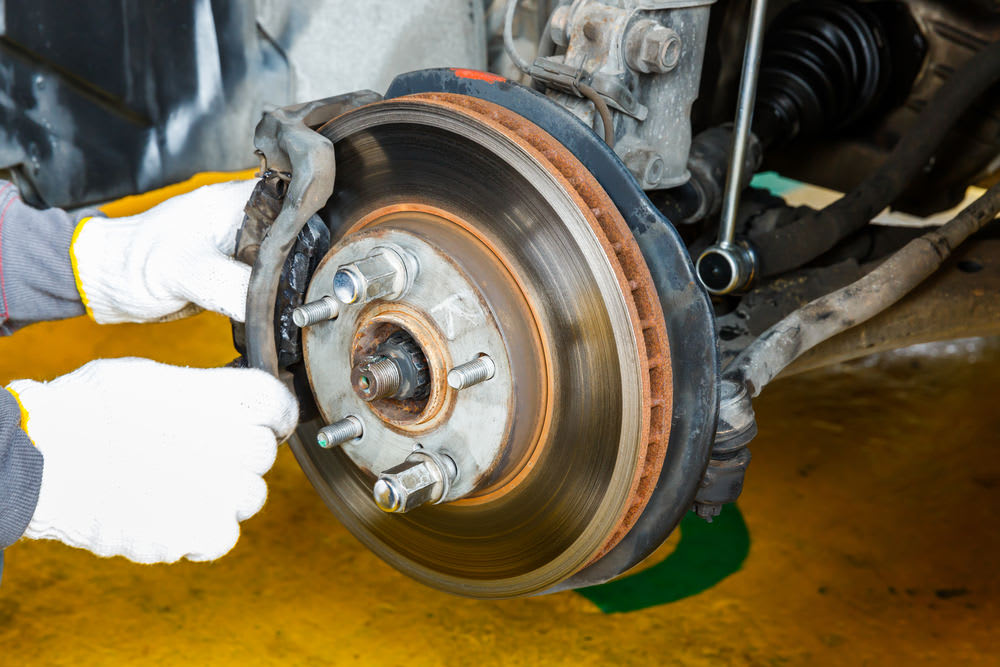
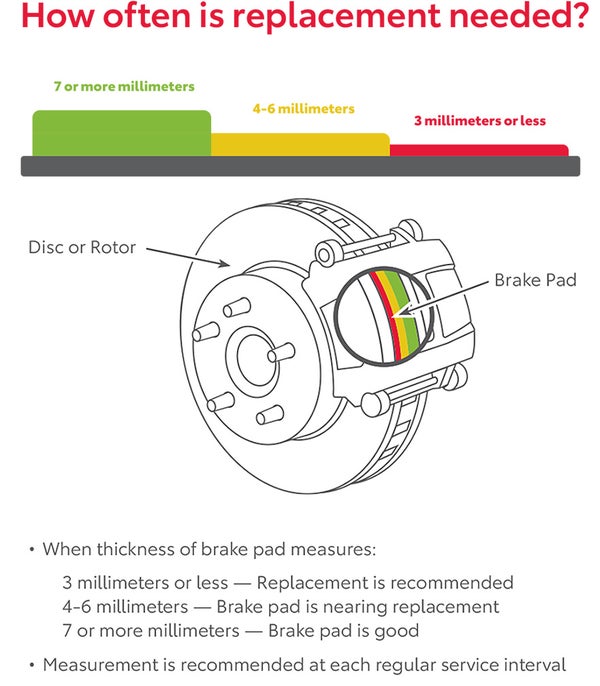
Look through the wheel spokes to check pads. Pads thinner than 1/4 inch need replacing. Also, check for deep grooves or cracks on the rotor. Uneven wear means something is wrong. Clean brakes look smooth and even.
Credit: www.yourmechanic.com
When To Change Brake Rotors
Brake rotors play a key role in your car’s stopping power. Over time, rotors wear out and need replacement. Knowing the signs helps keep your brakes safe and effective. Rotors that are too thin or damaged can cause brake problems. This section explains when to change brake rotors to avoid trouble on the road.
Common Rotor Wear Indicators
Look for grooves or scoring on the rotor surface. Deep marks mean the rotor is worn out. Rust patches can also weaken the rotor metal. Listen for screeching or grinding noises when braking. These sounds suggest the rotor or pads need attention. Vibration in the brake pedal is another sign of rotor wear.
Impact Of Warped Rotors
Warped rotors cause shaking or pulsing during braking. This happens when rotors heat unevenly and bend slightly. Warped rotors reduce brake performance and increase stopping distance. Driving with warped rotors can damage other brake parts. Timely rotor replacement stops these problems early.
Thickness Measurement And Limits
Rotors have a minimum thickness set by manufacturers. Measure thickness with a micrometer or caliper tool. If the rotor is thinner than the limit, replace it right away. Thinner rotors heat up faster and wear out more quickly. Regular checks help ensure rotors stay within safe limits.
Factors Affecting Brake Component Lifespan
Brake parts do not last the same for every driver. Several factors change how fast brake pads and rotors wear out. Knowing these helps keep your car safe and saves money.
Some reasons affect brake life more than others. Driving style, part quality, and how you use your vehicle play big roles. Each factor can shorten or extend the time between replacements.
Driving Habits And Conditions
Hard braking wears brake pads and rotors faster. Stop-and-go traffic also causes more wear. Driving in hilly or mountainous areas adds stress to brakes.
Gentle braking and steady speeds help parts last longer. Smooth driving reduces heat and friction on brakes. Avoid riding the brake pedal to save brake life.
Quality Of Brake Parts
High-quality brake pads and rotors last longer than cheap ones. Better materials resist heat and wear better. Investing in good parts can reduce how often you replace brakes.
Low-quality parts wear out quickly and may cause noise. They can also damage other brake system components. Always choose reliable brands for safety and durability.
Vehicle Type And Usage
Heavy vehicles put more pressure on brakes. Trucks and SUVs often need brake replacement sooner than small cars. Carrying heavy loads or towing adds extra wear.
Daily city driving causes more brake wear than highway driving. Off-road driving can also damage brake parts. Use brakes properly based on your vehicle’s use.
.jpg)
Credit: www.cbac.com
Recommended Replacement Intervals
Knowing the right time to replace brake pads and rotors keeps your car safe. These parts wear out over time and need checking. Following the recommended replacement intervals helps avoid accidents and costly repairs. Every vehicle and driving style affects how often you replace these parts.
Brake Pads Replacement Frequency
Brake pads usually last between 30,000 and 70,000 miles. Driving habits and road conditions change this range. Hard braking and city driving wear pads faster. Listen for squealing sounds or feel reduced braking power. These signs mean it is time to change the pads.
Rotor Replacement Timing
Rotors last longer than brake pads but still need replacing. Check rotors every 50,000 to 70,000 miles. Warped or scored rotors cause vibration and noise while braking. Some rotors can be resurfaced, but deep damage needs full replacement. Always inspect rotors during brake service.
Manufacturer Guidelines
Vehicle makers provide specific brake maintenance schedules. Follow these guidelines for safe and efficient braking. Check your owner’s manual for exact intervals and instructions. Manufacturer advice fits your car’s design and parts best. Regular inspections based on these guidelines keep brakes reliable.
Diy Vs Professional Replacement
Deciding between DIY and professional brake replacement affects safety and cost. Both options have benefits and risks. Understanding these can help you choose the best method for your brake maintenance.
Pros And Cons Of Diy Brake Maintenance
DIY brake replacement saves money on labor costs. It allows you to learn more about your car. You can work at your own pace. But, it needs special tools and knowledge.
Mistakes can cause brake failure. It takes time and patience. You risk damaging parts if you are not careful. Safety might be compromised without proper skills.
When To Seek Professional Help
Choose a professional if you feel unsure about the process. Complex brake systems need expert knowledge. Professionals have tools and training to do the job right.
If your brakes make noise or your car pulls to one side, see a mechanic. Professionals can spot hidden problems. They offer guarantees for their work.
Cost Considerations
DIY parts cost less than full service. You pay only for brake pads and rotors. Professional replacement includes labor fees, raising the total price.
Incorrect DIY work may lead to costly repairs later. Professionals may charge more upfront but save money over time. Consider your skills and budget carefully.
Tips For Extending Brake Life
Extending the life of your brake rotors and pads saves money and keeps you safer. Small changes in how you drive and care for your vehicle can make a big difference. Simple habits help reduce wear and delay replacement needs.
Driving Techniques To Reduce Wear
Brake pads and rotors wear faster with sudden stops. Try to brake gently and early. Avoid riding the brakes on hills. Use engine braking by downshifting when slowing down. Keep a safe distance from other cars to avoid hard stops. Smooth driving means less stress on brakes.
Regular Maintenance Practices
Check brake pads and rotors often for wear signs. Listen for squeaking or grinding sounds. Keep brake fluid clean and at the right level. Have a mechanic inspect brakes during oil changes. Clean dust and dirt from brake parts regularly. Good maintenance helps brakes last longer.
Choosing Quality Brake Components
Use brake pads and rotors made with durable materials. Avoid cheap parts that wear out quickly. Select brands with good reviews and safety ratings. Quality parts handle heat better and resist wear. Investing in better components saves money over time.
Credit: www.rosevilletoyota.com
Frequently Asked Questions
How Often Should Brake Pads Be Replaced?
Brake pads typically need replacement every 30,000 to 70,000 miles. Factors like driving habits and vehicle type affect this. Regular inspection helps spot wear early and ensures safety.
When Do Rotors Need Replacement?
Rotors should be replaced if they’re warped, cracked, or below minimum thickness. Usually, rotors last 50,000 to 70,000 miles but vary by usage and maintenance.
Can I Replace Brake Pads Without Changing Rotors?
Yes, you can replace brake pads without changing rotors if rotors are in good condition. Inspect rotors for damage or wear before deciding.
What Are Signs Of Worn Brake Rotors?
Signs include vibration during braking, squealing noises, and longer stopping distances. These indicate rotor issues needing prompt inspection and possible replacement.
Conclusion
Regular checks help keep your brakes safe and working well. Replace brake pads every 30,000 to 70,000 miles. Rotors last longer but watch for wear or damage. Listen for squeaking or grinding sounds; they signal replacement time. Driving style and road conditions also affect brake life.
Don’t wait for problems to grow. Timely maintenance keeps your car stopping smoothly and safely. Stay alert and take action when needed. Your safety depends on it.


