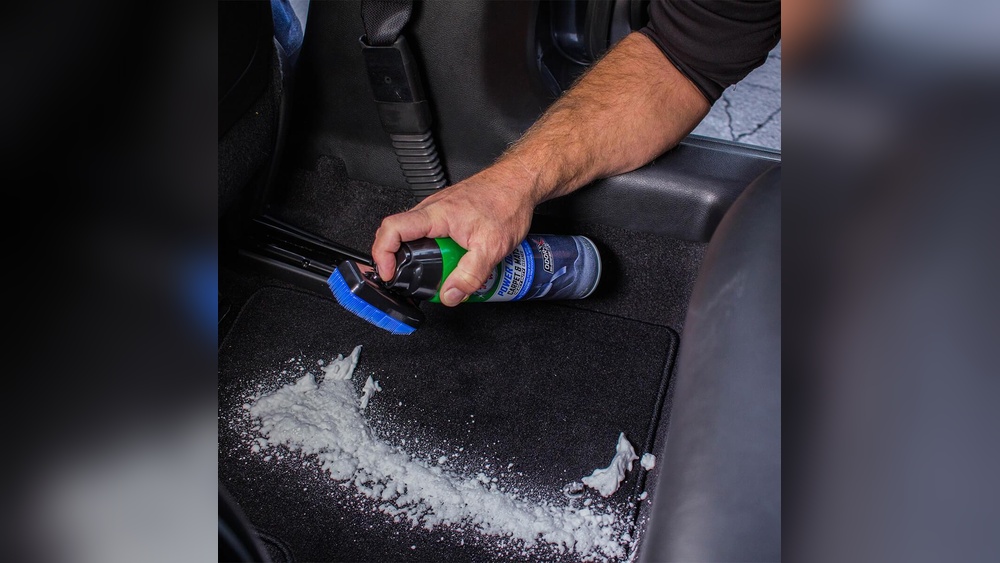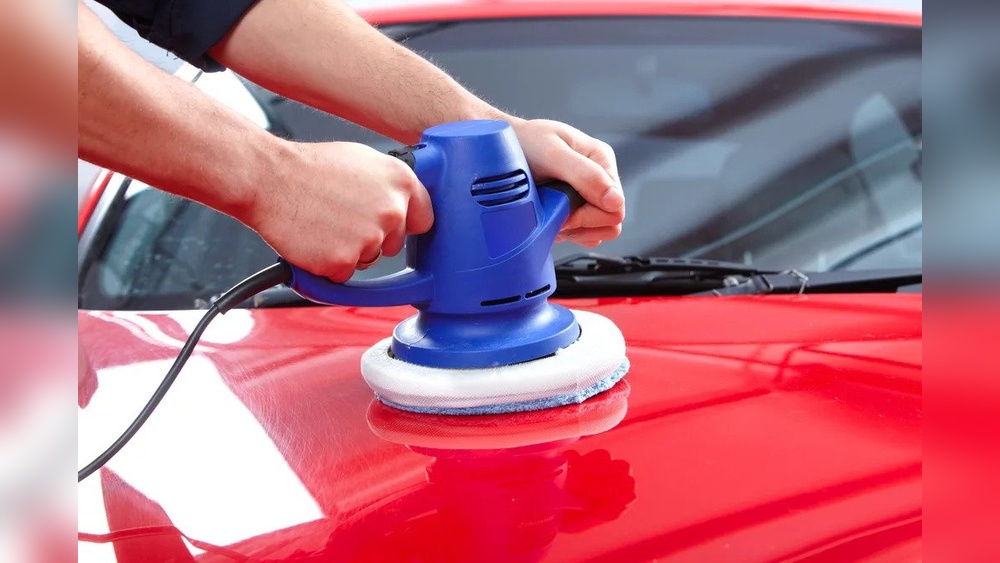
You want your car to look its best, shining like it just rolled off the showroom floor. But how often should you spray wax your car to keep that fresh, glossy finish?
If you’ve ever wondered whether weekly, monthly, or only when it looks dull is the right answer, you’re not alone. Getting this right not only protects your paint but also saves you time and effort. Keep reading to discover the simple routine that will make your car’s shine last longer and keep you feeling proud every time you hit the road.
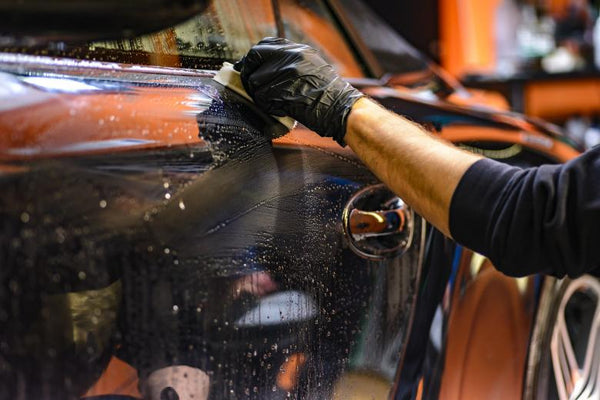
Credit: www.killerbrands.co.uk
Benefits Of Waxing
Waxing your car offers many benefits. It keeps your vehicle looking great. It also protects the paint from damage. Regular waxing helps maintain your car’s value. A well-waxed car stands out on the road.
Enhancing Shine
Wax adds a deep, glossy shine to your car’s surface. It makes the color look richer and brighter. The shine makes your car look clean and new. A shiny car attracts positive attention easily. It feels good to drive a sparkling car.
Protecting Paint
Wax creates a protective layer over the paint. This layer guards against harmful UV rays. It prevents paint from fading and cracking. Wax also shields the car from pollution and bird droppings. This protection extends the life of your car’s paint.
Repelling Dirt And Water
Wax helps water bead up and roll off the surface. This stops water spots from forming. It also makes dirt and dust easier to wash away. A waxed car stays cleaner longer than an unwaxed one. This saves time on frequent washing.
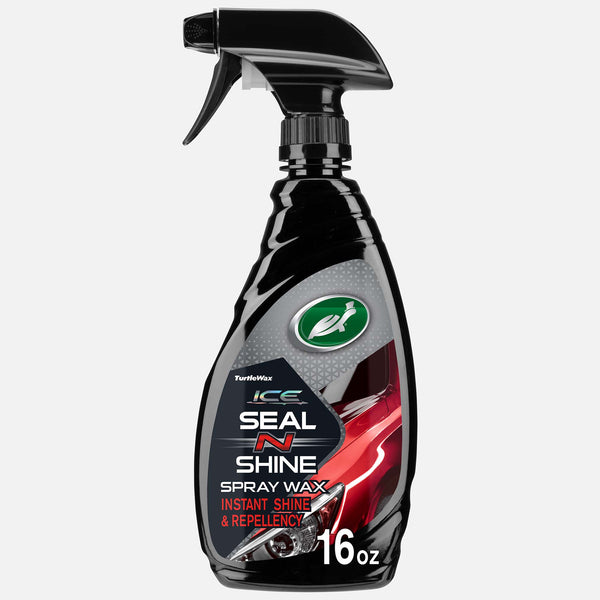
Credit: www.turtlewax.com
Types Of Car Wax
Car wax protects your vehicle’s paint and keeps it shiny. Different wax types offer unique benefits. Choosing the right wax helps maintain your car’s look and value.
Understanding the main types of car wax can guide you in caring for your car properly. Each wax type suits different needs and preferences.
Natural Vs Synthetic
Natural wax comes from carnauba, a plant-based source. It gives a deep, warm shine. Natural wax lasts for a few weeks. It is best for show cars or special occasions.
Synthetic wax is made from polymers and chemicals. It creates a strong, long-lasting barrier. Synthetic wax can protect for months. It works well for daily drivers and harsh weather.
Paste, Liquid, And Spray Waxes
Paste wax is thick and solid. It needs more effort to apply but lasts longer. Paste wax gives a rich, glossy finish.
Liquid wax is easier to spread and faster to use. It offers good protection and shine. Liquid wax is a popular choice for regular use.
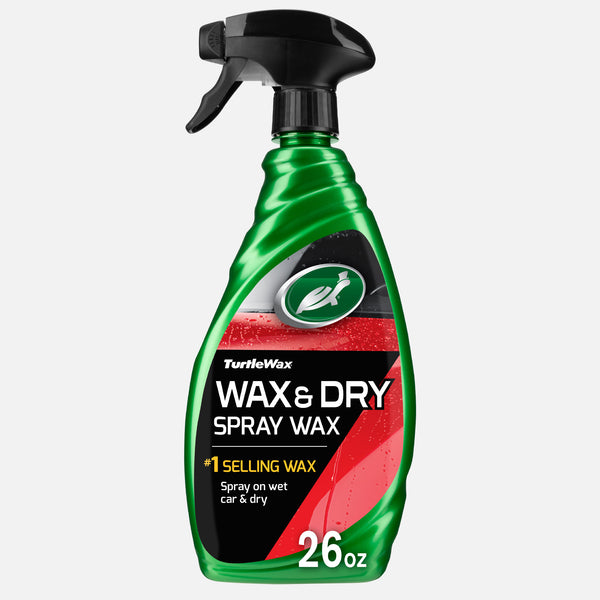
Spray wax is the fastest and easiest to apply. It provides a quick shine but shorter protection. Spray wax is perfect for touch-ups between full waxing.
Choosing The Right Wax
Consider your car’s color, usage, and storage conditions. Dark cars show swirl marks; natural wax hides them better. Synthetic wax suits light colors and rough weather.
Choose paste wax for deep shine and long-lasting results. Liquid wax fits well for quick and easy care. Spray wax helps keep the car shiny between major waxings.
Test a small area before full application. Regular waxing protects paint and keeps your car looking new.
Factors Affecting Wax Frequency
Knowing how often to spray wax your car depends on several factors. These factors change how quickly the wax wears off. Understanding them helps keep your car shiny and protected longer.
Climate And Weather
Hot sun can dry out wax faster. Rain and snow wash away wax over time. Humid places may cause wax to degrade sooner. Cars in mild climates keep wax longer. Adjust wax timing based on your local weather.
Driving Conditions
Frequent highway driving exposes your car to wind and dirt. Rough roads kick up more dust and debris. City driving may cause less wear on wax. Parked cars under trees face sap and bird droppings. Consider your driving habits when planning wax sprays.
Car Color And Finish
Dark colors show dirt and fading more easily. They might need wax more often for a deep shine. Light colors hide dirt better and keep wax longer. Matte or special finishes require gentle wax products. Choose wax frequency based on your car’s paint type.
Recommended Waxing Intervals
Knowing how often to spray wax your car helps keep its paint shiny and protected. Proper waxing intervals stop dirt buildup and damage from sun and rain. Spraying wax at the right times keeps your car looking fresh and new longer.
General Guidelines
Spray wax works best when applied every two to four weeks. This keeps a thin protective layer on your car’s surface. For full waxes, aim for every three to six months. Full waxes last longer and protect deeper than sprays. Regular spray wax helps maintain the shine between full wax jobs.
Using Spray Wax Between Full Waxes
Spray wax is perfect for quick touch-ups. Use it after washing your car to add shine fast. It fills small scratches and smooths the surface. Spraying wax every few weeks keeps the paint safe. This avoids the need for full waxing too often.
Adjusting Frequency For Different Conditions
Drive in harsh weather? Wax more often. Sun, rain, snow, and dirt wear off wax faster. Park your car outside? Spray wax every two weeks. Garage kept cars need less frequent waxing. Watch the paint’s shine. Dull paint means it is time to wax again.
How To Spray Wax Properly
Spray wax your car every 4 to 6 weeks to keep the paint shiny and protected. Regular waxing helps prevent dirt buildup and water spots. Avoid over-waxing, as it can cause a sticky surface.
Preparation Steps
Start by washing your car thoroughly. Dirt and dust can cause scratches during waxing. Dry the car completely using a clean microfiber towel. Choose a shaded area to avoid quick drying. Shake the spray wax bottle well before use. Test the spray on a small hidden spot to check compatibility.
Application Techniques
Hold the spray bottle about 6 to 8 inches from the surface. Spray a light, even mist on one section at a time. Avoid soaking the paint with too much wax. Use a clean microfiber cloth to spread the wax in circular motions. Work quickly but gently to cover the area evenly. Let the wax haze slightly before buffing it off.
Tips For Best Results
Wax your car in small sections for better control. Use separate cloths for applying and buffing wax. Buff the surface with a dry, soft cloth to bring out shine. Avoid spraying wax on hot surfaces or direct sunlight. Repeat the process every few months to keep your car protected. Store your spray wax in a cool, dry place after use.
Common Mistakes To Avoid
Waxing your car keeps it shiny and protected. Many people make mistakes that reduce wax’s benefits. Avoid these common errors to keep your car looking its best. Follow simple rules for better results and longer wax life.
Over-waxing
Applying wax too often can harm your car’s paint. Wax builds up and creates a dull surface. Excess wax blocks the paint from breathing. Use wax only as often as needed, usually every few months.
Applying On Dirty Surfaces
Waxing on dirt or dust traps particles under the wax. This causes scratches and uneven shine. Always wash and dry your car before waxing. Clean surfaces let the wax stick better and last longer.
Ignoring Manufacturer Instructions
Each wax product has specific steps to follow. Ignoring instructions can cause poor results or damage. Read and follow the label carefully. Use the right amount and apply in the correct way.
Maintaining Your Car’s Shine
Maintaining your car’s shine is key to keeping it looking new. The shine shows off your care and protects the paint. Regular care helps prevent dullness and damage. Small steps add up to a lasting glossy finish.
Regular Washing Tips
Wash your car often to remove dirt and grime. Use mild soap made for cars. Avoid household detergents that can strip wax. Rinse well with clean water to stop spots. Dry with a soft cloth to prevent scratches.
Using Quick Detailers
Quick detailers help keep the shine between washes. Spray on a clean surface and wipe gently. They remove light dust and add a thin protective layer. Use detailers after washing or to freshen up the look. Choose products safe for your car’s paint.
Protecting Against Environmental Damage
Sun, rain, and pollution harm your car’s paint. Park in shaded areas when possible. Use a car cover to block dust and bird droppings. Waxing adds a barrier against harmful elements. Regular care keeps your car’s surface strong and bright.
Credit: www.turtlewax.com
Frequently Asked Questions
How Often Should I Wax My Car For Best Protection?
Wax your car every three months to maintain optimal protection. This frequency shields paint from UV rays, dirt, and moisture. Regular waxing also enhances your car’s shine and prevents fading. Adjust timing based on climate and driving conditions for best results.
Can Waxing Frequency Vary By Climate Or Season?
Yes, waxing frequency depends on climate and season. Hot, sunny areas need more frequent waxing to prevent paint damage. In rainy or snowy regions, waxing helps protect against moisture and salt. Adjust waxing intervals to match your local weather conditions for effective car care.
What Happens If I Wax My Car Too Often?
Waxing too often can cause wax buildup, leading to a dull finish. It may also waste product and time without added benefits. Stick to waxing every two to three months for balanced protection and a glossy look.
Is It Necessary To Wash My Car Before Waxing?
Yes, always wash your car before waxing. Removing dirt and grime ensures wax adheres properly. Clean surfaces result in a smoother, longer-lasting wax finish. Skipping washing can trap contaminants, damaging your paint over time.
Conclusion
Spray waxing your car keeps its paint shiny and protected. Applying it every two to four weeks works well for most cars. This timing helps prevent dirt and water damage. Too much waxing can build up and cause issues. Clean your car before spraying wax for best results.
Regular care keeps your vehicle looking fresh longer. Remember, simple steps make a big difference. Keep a good routine, and your car will thank you.