

How often do you wash and wax your car? You might think it’s just about keeping your ride looking good.
But the truth is, regular washing and waxing protect your car’s paint, keep it shining, and even help maintain its value. If you’re not sure how often to do it, you’re not alone. This guide will clear up the confusion and show you exactly when and why to wash and wax your car.
Stick with me, and you’ll learn simple tips that save you time, money, and keep your car looking like new.
Benefits Of Regular Car Washing
Washing your car regularly keeps it looking fresh and new. It helps protect the vehicle from damage and keeps the value high. Clean cars last longer and stay safer on the road. Simple washing removes dirt that can harm the surface over time.
Regular cleaning also prepares the car for waxing, which adds extra protection. Clean cars show their true shine and look more attractive. A well-maintained car reflects good care and pride in ownership.
Protecting Paint And Finish
Dirt and grime can scratch and dull your car’s paint. Regular washing removes these harmful particles. This stops small scratches that ruin the paint’s shine. Clean paint stays smooth and glossy longer. It also prevents rust and corrosion from building up.
Removing Dirt And Contaminants
Dust, bird droppings, and road salt can damage your car. Washing your car removes these harmful substances quickly. This stops stains and corrosion before they start. Clean cars are healthier for the environment and safer to drive.
Enhancing Vehicle Appearance
A clean car looks newer and more attractive. Regular washing removes spots and streaks that make a car look old. It helps the color pop and the shine last longer. A shiny car boosts confidence and makes a good impression.
When To Wash Your Car
Knowing when to wash your car protects its paint and keeps it looking fresh. Dirt, dust, and grime build up quickly. Washing regularly removes harmful particles that can damage your car’s surface. The right washing schedule depends on several factors. Weather, driving habits, and seasons all play a role in how often you should wash your car.
Frequency Based On Weather
Rain can leave water spots and dirt marks on your car. After a rainy day, washing helps prevent stains. Snow and ice bring road salt, which can cause rust. Wash your car soon after snow melts. Dusty or windy weather covers your car with grime. Washing more often during dry, dusty conditions is wise.
Driving Conditions Impact
Driving on dirt roads or in heavy traffic makes your car dirtier. Mud, bugs, and road debris stick to your car’s surface. Frequent washing removes these harmful materials. Short trips in city traffic might need less washing than long trips on rough roads. Clean your car soon after off-road driving or long highway trips.
Seasonal Considerations
Winter demands more frequent washes due to salt and grime. Spring brings pollen, which can stick to your car’s paint. Summer heat can bake dirt onto surfaces, needing regular cleaning. Fall leaves and sap also cause stains. Adjust washing habits each season to protect your car’s finish.
Choosing The Right Wash Method
Choosing the right wash method affects your car’s look and paint life. Washing removes dirt, salt, and grime that harm the paint. Waxing protects the paint from sun and rain. Knowing how to wash your car properly keeps it shiny and safe.
Different wash methods suit different needs. Hand washing offers control and care. Automatic washes are fast and easy. Selecting the right tools and avoiding common mistakes helps keep your car in top shape.
Hand Washing Vs. Automatic Wash
Hand washing uses your hands and cloths to clean every part. It takes more time but is gentle on paint. You can focus on dirty spots and hard areas.
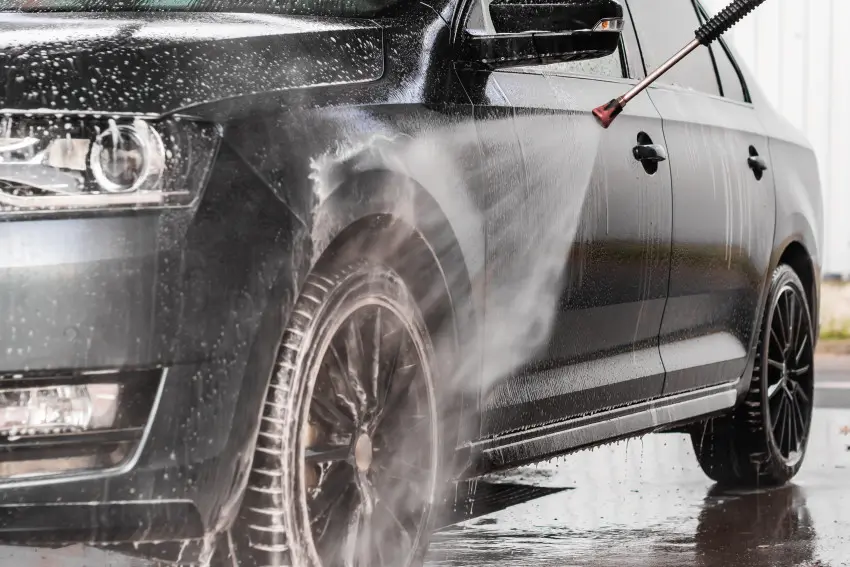
Automatic wash uses machines to spray water and soap. It is faster and good for regular cleaning. Some machines have brushes that may scratch the paint.
Choose hand washing for delicate care and deep cleaning. Pick automatic wash for speed and convenience. Both methods work well with correct care.
Tools And Supplies Needed
For hand washing, use a soft sponge or microfiber cloth. A bucket with clean water helps rinse dirt. Use car shampoo, not dish soap, to protect paint.
Have a separate cloth for drying to avoid water spots. Wax requires a soft applicator pad and a clean cloth to buff. Choose quality products made for cars.
Keep tools clean and replace dirty sponges. This stops scratches and keeps the car shiny longer.
Common Mistakes To Avoid
Washing in direct sun can dry soap and leave marks. Wash in shade or during cooler parts of the day. Using old rags or rough sponges causes scratches.
Skipping the rinse step leaves dirt on paint. This dirt can create scratches during washing. Avoid using household soaps that remove wax and damage paint.
Do not wax over dirty or wet surfaces. Wax sticks better on clean, dry paint. These small steps keep your car looking new.
Credit: www.simoniz.uk
Waxing Benefits For Your Car
Waxing your car is more than just making it shine. It helps keep the car safe from damage. A good wax coat protects the paint and keeps the car looking new for longer. Regular waxing adds a layer of care that your car needs to stay in great shape.
Protecting Against Uv Damage
Sunlight can fade your car’s paint over time. Wax creates a shield that blocks harmful UV rays. This shield stops the paint from losing color. It helps the car stay bright and fresh, even under strong sun.
Water Repellency And Dirt Resistance
Wax makes the car’s surface smooth and slippery. Water slides off easily without leaving spots. Dirt and dust find it hard to stick to the waxed surface. This keeps the car cleaner for a longer time.
Improving Paint Longevity
Wax adds a protective layer over the paint. This layer guards against scratches and small damages. It slows down wear from rain, dust, and pollution. The paint stays strong and beautiful for many years.
How Often To Wax Your Car
Waxing your car protects its paint and keeps it shiny. It adds a layer that guards against dirt, rain, and sun damage. Knowing how often to wax helps maintain your car’s look and value.
Factors Affecting Wax Frequency
Where you live matters. Cars in sunny places may need waxing more often. Rainy or snowy areas can wash away wax faster. How you use your car also affects waxing. Frequent driving or parking outside means more exposure. The type of wax used changes how long protection lasts. Some waxes last longer than others.
Recommended Waxing Intervals
Most experts suggest waxing your car every three months. This keeps the paint safe and shiny. Some high-quality waxes can last up to six months. If you use synthetic sealants, waxing may be needed less often. Check your wax instructions for the best timing. Regular waxing helps your car look new for longer.
Signs Your Car Needs Waxing
Look for a dull or faded surface. Water no longer beads on the paint. Dirt sticks more easily to the car. The paint feels rough or dry to touch. These signs mean the wax layer is worn out. Waxing at this point restores shine and protection quickly.
Types Of Car Wax
Choosing the right car wax helps protect your vehicle’s paint and shine. Different wax types offer various benefits. Understanding these types makes waxing easier and more effective.
Natural Vs. Synthetic Waxes
Natural waxes come from carnauba, a plant-based source. They give a deep, warm shine and protect against sun damage. Synthetic waxes are made from polymers. They last longer and resist water better. Natural waxes suit show cars. Synthetic waxes work well for daily drivers.
Spray Wax Vs. Paste Wax
Spray wax is easy to apply and dries fast. It’s ideal for quick touch-ups and light protection. Paste wax is thicker and takes more effort. It provides a stronger, longer-lasting shield. Spray wax suits busy days. Paste wax fits detailed weekend care.
Choosing Wax For Your Vehicle
Consider your car’s color and how often you wash it. Dark cars benefit from natural wax for extra shine. Light cars do well with synthetic wax to keep brightness. Frequent washing calls for durable synthetic wax. For occasional waxing, natural wax works fine.
Step-by-step Waxing Process
Waxing your car protects its paint and keeps it shiny. The process has clear steps. Follow them carefully for best results. This guide explains each step in detail.
Preparation Before Waxing
Start by washing your car thoroughly. Remove dirt and grime to avoid scratches. Dry the car completely with a clean towel. Work in a shaded area to prevent wax from drying too fast. Check the surface for any tar or bugs. Use a clay bar if needed to get a smooth finish.
Applying The Wax
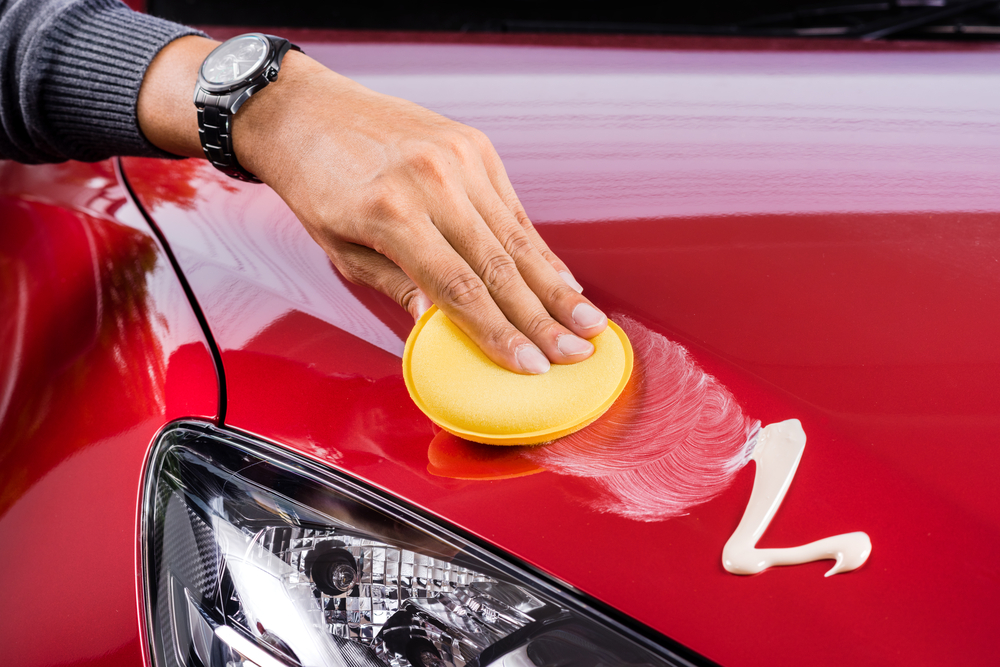
Choose a quality wax suitable for your car’s paint. Use a soft applicator pad to apply a thin, even layer. Apply wax in small sections, working on one panel at a time. Use circular motions to spread the wax well. Avoid heavy coats; thin layers dry better and buff easier.
Buffing And Finishing
Let the wax dry until it appears hazy. Use a clean, soft microfiber cloth to buff the surface. Buff in circular motions to bring out the shine. Turn the cloth often to avoid smearing wax. Finish by checking the car in the light for missed spots. Waxing regularly keeps your car looking new longer.
Credit: www.peoriavw.com
Maintaining Your Car’s Shine
Keeping your car shiny is more than just washing and waxing. Small actions every day help keep the shine bright. Dirt, dust, and bird droppings can dull the paint quickly. Taking care of these things stops damage and keeps your car looking new.
Simple habits between washes protect your car’s look. Using the right products and techniques keeps the paint smooth and glossy for longer. Let’s explore easy ways to maintain your car’s shine.
Quick Clean-ups Between Washes
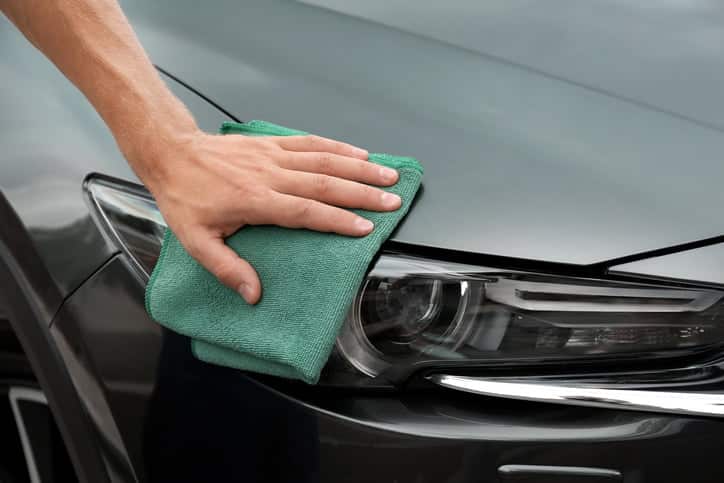
Use a microfiber cloth to wipe off dust and dirt. This stops dirt from scratching the paint. Clean spots like bird droppings or tree sap right away. These substances can harm the clear coat fast. Quick clean-ups keep the shine fresh and prevent stains.
Using Detail Sprays
Detail sprays add a layer of shine and protection. Spray on a small area and wipe with a soft cloth. These sprays remove light dust and fingerprints. They boost the gloss without a full wash. Use detail sprays weekly to keep the paint bright.
Protective Measures For Long-term Shine
Park your car in shaded or covered areas. Sunlight can fade paint and dry out wax. Use a car cover if no shade is available. Regular waxing creates a barrier against dirt and UV rays. Wax your car every 2 to 3 months for lasting protection.
Credit: www.fbitn.com
Frequently Asked Questions
How Often Should I Wash My Car For Best Results?
Washing your car every two weeks helps remove dirt and prevent paint damage. Frequent washes maintain your car’s appearance and protect its surface from harmful contaminants.
When Is The Ideal Time To Wax A Car?
Wax your car every three months to protect its paint. Regular waxing shields against UV rays, dirt, and water, keeping your car’s finish glossy and durable.
Can Washing And Waxing Improve My Car’s Resale Value?
Yes, regular washing and waxing maintain your car’s exterior condition. A well-maintained paint job enhances curb appeal and increases resale value by showing good care.
What Products Should I Use For Washing And Waxing?
Use pH-balanced car wash soap and quality carnauba or synthetic wax. These products clean effectively without stripping wax and provide long-lasting protection to your car’s paint.
Conclusion
Washing and waxing your car keeps it looking fresh and protects the paint. Wash your car every two weeks to remove dirt and grime. Wax your car every three months to keep the shine and shield it from damage. Regular care saves money on repairs later.
Clean and waxed cars also look better and last longer. Simple habits make a big difference for your car’s health. Take small steps now for a cleaner, brighter ride every day.


