

Have you ever wondered, “How long does car paint really take to dry?” Whether you’re touching up a scratch or giving your car a full makeover, knowing the right drying time is crucial. If you rush it, you risk ruining your hard work.
But wait too long, and you might lose precious time before hitting the road again. You’ll discover exactly what affects drying times and how to make sure your car paint cures perfectly every time. Keep reading—your car’s finish depends on it.
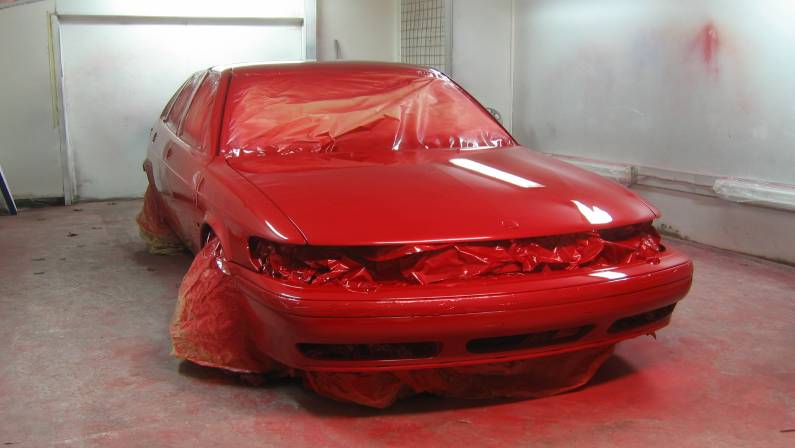
Credit: status-automotive.com
Drying Time Basics
Knowing how long car paint takes to dry is important for a smooth finish. Drying time can vary widely. It depends on many things. Understanding these basics helps you plan better. It also protects your paint job from damage.
Factors Influencing Drying Speed
Several factors affect how fast car paint dries. The type of paint is one major factor. The thickness of the paint layer also matters. Thicker paint takes longer to dry. The method of application influences drying too. Sprays may dry quicker than brushes. Surface preparation affects drying speed. Clean, smooth surfaces help paint dry evenly. Lastly, temperature and humidity change drying times. Warmer, drier air speeds up drying.
Types Of Car Paints
Car paints come in various types. Each type has its own drying time. Acrylic paints dry fast, usually within 20 to 30 minutes. Enamel paints take longer, often several hours. Urethane paints offer durability but need more drying time. Some paints require baking to dry fully. Knowing your paint type helps set realistic drying expectations.
Environmental Effects On Drying
Environment plays a big role in paint drying. High humidity slows down evaporation. This lengthens drying time. Cold temperatures also delay drying. Warm and dry conditions help paint dry faster. Airflow around the car aids in drying. Poor ventilation traps moisture, extending dry time. Choose a well-ventilated, warm spot for painting.
Stages Of Paint Drying
Car paint drying happens in clear steps. Each stage shows how dry the paint feels and how strong it is. Knowing these stages helps you handle your car carefully and avoid damage. The drying process affects the final look and durability of the paint.
Tack Dry Stage
The tack dry stage is the first step. The paint feels sticky but not wet. You cannot touch it without leaving marks. This stage usually takes 20 to 30 minutes. The paint is drying on the surface but still soft underneath.
Handle Dry Stage
At the handle dry stage, the paint feels dry to touch. You can touch it gently without sticking. This stage happens in about 1 to 2 hours. The paint is solid enough for light handling but not strong enough for heavy use.
Fully Cured Paint
Fully cured paint means it is completely dry and hard. This can take days or weeks depending on conditions. The paint has reached full strength and durability. At this point, your car paint resists scratches and damage better.
Tips To Speed Up Drying
Speeding up car paint drying saves time and prevents dust from settling. Small changes in your environment can make a big difference. Try these simple tips to help your paint dry faster and look better.
Optimal Temperature And Humidity
Car paint dries best in warm, dry air. Aim for temperatures between 70°F and 85°F. Lower humidity slows drying and can cause paint to stay sticky. Use a dehumidifier or heater to keep the air dry and warm. Avoid painting in very cold or very humid weather. The right temperature and humidity help paint cure faster and stronger.
Using Heat Lamps And Infrared Dryers
Heat lamps speed up drying by warming the paint surface. Infrared dryers work well for even heat spread. Place lamps at a safe distance to avoid overheating. Do not rush; too much heat can damage the paint. Use these tools for quick drying in a controlled way. They help reduce wait time after painting.
Ventilation Techniques
Good airflow removes moisture from the painted surface. Open windows and doors to create cross-ventilation. Use fans to move air gently around the car. Avoid direct wind that can blow dust onto wet paint. Proper ventilation helps paint dry evenly and prevents smudging. Fresh air speeds up evaporation of solvents in the paint.
Common Mistakes To Avoid
Knowing how long car paint takes to dry is important. Many people make simple mistakes that slow drying or damage the paint. Avoiding these errors helps your paint job look great and last longer. Understanding common mistakes can save time and money.
Applying Thick Coats
Thick paint coats take much longer to dry. They can drip or run, causing uneven surfaces. Thick layers trap moisture inside, leading to poor drying and bubbles. Applying thin, even coats is better. It helps paint dry faster and look smooth.
Ignoring Weather Conditions
Weather affects paint drying time a lot. High humidity slows drying and can cause paint to stay sticky. Cold temperatures make paint harden slowly. Windy days can blow dust onto wet paint. Choose a dry, warm, and calm day for painting your car.
Rushing The Process
Many rush to finish the job too fast. Touching or washing the car too soon can ruin the paint. Paint needs time to harden fully. Waiting patiently prevents scratches and marks. Follow the recommended drying time for the best result.
Aftercare For Fresh Paint
After getting fresh paint on your car, proper care is important. The paint needs time to cure fully. This helps keep the color bright and the surface smooth. Taking good care of your car paint prevents damage and extends its life. Follow these simple steps to protect your new paint job.
When To Wash Your Car
Wait at least two weeks before washing the freshly painted car. This gives the paint time to harden and bond properly. Use a gentle car shampoo and soft cloth. Avoid strong chemicals or pressure washers. Hand washing is best to avoid scratches and paint damage.
Waxing And Polishing Timeline
Do not wax or polish the car for at least one month. Fresh paint needs time to cure before applying wax. Waxing too soon can trap moisture and cause paint problems. After one month, use a high-quality wax to protect the finish. Polishing can be done after three months to remove minor imperfections.
Protecting The Paint Finish
Park in shaded or covered areas to avoid direct sunlight. Sunlight can fade new paint quickly. Use a car cover if you must park outside. Avoid bird droppings, tree sap, and harsh chemicals. Clean these off quickly to prevent stains. Regular gentle care keeps your car paint looking new longer.
Credit: blisscarwash.com
Credit: t-weko.com
Frequently Asked Questions
How Long Does Car Paint Take To Dry Completely?
Car paint typically dries to the touch within 1-2 hours. However, it can take up to 30 days to fully cure and harden. Drying time depends on paint type, temperature, and humidity.
What Factors Affect Car Paint Drying Time?
Temperature, humidity, paint type, and airflow significantly influence drying time. Warmer temperatures and low humidity speed up drying. Proper ventilation also helps the paint cure faster and more evenly.
Can I Speed Up Car Paint Drying Process?
Yes, using a heat lamp or fan can speed drying. Avoid direct sunlight or extreme heat which may cause defects. Always follow manufacturer instructions for best results.
Is It Safe To Wash Car After Paint Dries?
Wait at least 30 days before washing freshly painted cars. This ensures the paint fully cures and avoids damage. Use gentle soap and soft cloth when washing.
Conclusion
Car paint drying time depends on many factors like temperature and paint type. Usually, it takes a few hours to feel dry. Full curing may need days to weeks. Avoid touching or washing the car too soon. Patience helps keep the paint smooth and strong.
Proper care after painting ensures the best look. Remember, good drying protects your car for a long time. Follow simple steps and wait well for great results. Your car will shine and stay protected.


