

You want your car to look its best every day, right? Waxing your indoor car is one of the simplest ways to keep that shiny, fresh-from-the-showroom finish.
But how often should you actually wax it? Too little, and your paint may lose its protection; too much, and you might waste time and money. You’ll discover the ideal waxing schedule for your indoor car, helping you maintain its beauty and value without any guesswork.
Keep reading to find out exactly when and how to wax your car for the best results.
Credit: www.walmart.com
Benefits Of Waxing Indoor Cars
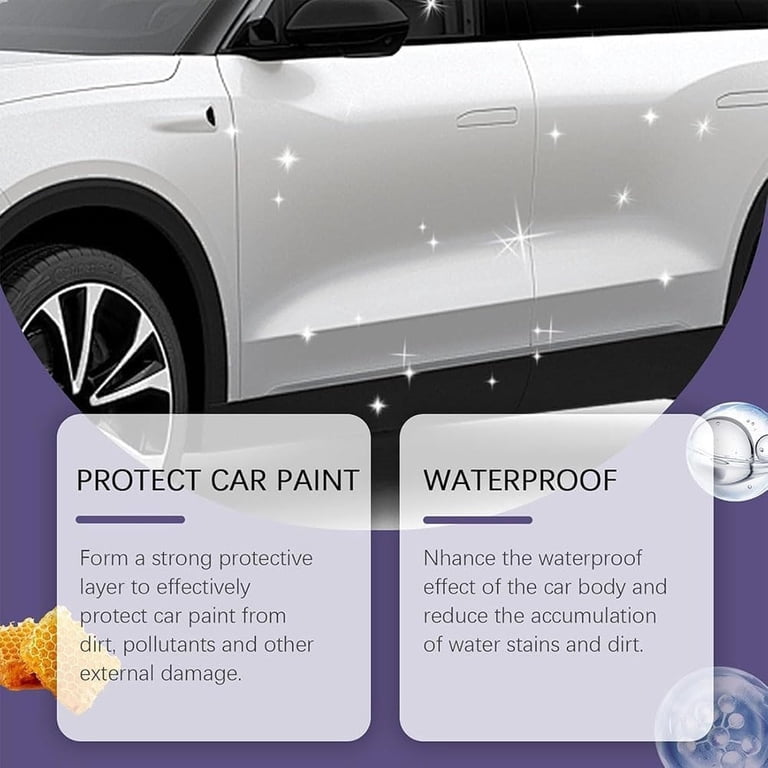
Waxing indoor cars brings many benefits beyond just looking good. It helps keep the car’s paint safe and clean. Regular waxing adds a layer of protection that lasts longer indoors. This protection makes a big difference in maintaining the car’s value and appearance over time.
Waxing also makes the car shine brighter. It gives the paint a smooth, glossy finish that stands out. A well-waxed car looks cared for and fresh, even after weeks inside a garage.
Protecting Paint From Damage
Wax forms a shield on the car’s surface. This shield guards against small scratches and dust. It stops harmful elements like dirt and chemicals from touching the paint. The wax layer reduces the risk of fading caused by indoor lights or dust buildup.
Enhancing Shine And Appearance
Wax adds a deep, glossy shine to the car’s paint. It smooths out tiny surface imperfections. The car looks newer and more polished. A shiny car catches the eye and shows pride in ownership.
Easing Dirt And Grime Removal
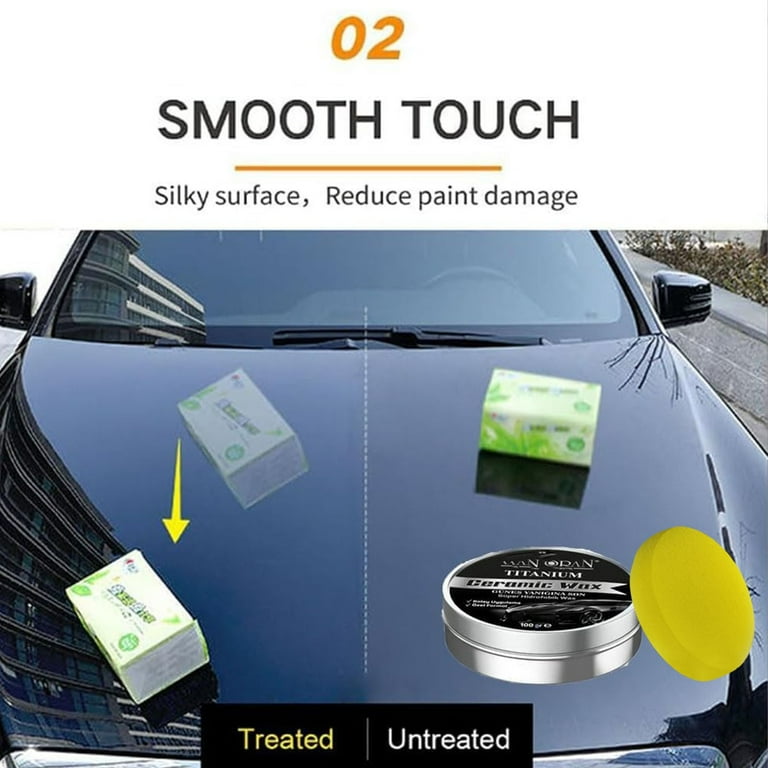
Wax creates a slippery surface on the paint. Dirt and grime do not stick easily. Cleaning the car becomes faster and simpler. Less effort is needed to keep the car looking clean and fresh.
Factors Influencing Wax Frequency
Knowing how often to wax your indoor car depends on several factors. Wax protects the paint and keeps the car shiny. The type of wax, car use, and environment all affect how often you should apply it. Understanding these factors helps keep your car looking great longer.
Type Of Wax Used
Different waxes last different lengths of time. Synthetic waxes usually last longer than natural waxes. Some waxes protect better but need more frequent application. Choose a wax that fits your needs and budget. This choice affects how often you must wax your car.
Car Usage And Storage
Cars used daily need more frequent waxing. Dirt, dust, and friction wear off wax faster. Cars stored indoors or in a garage keep wax longer. If your car stays parked most of the time, waxing can be less frequent. Usage and storage impact wax durability.
Environmental Conditions
Even indoor cars face environmental challenges. Dust, humidity, and temperature changes affect wax. Dry air can cause wax to dry out and crack. Humid conditions may lead to faster wax breakdown. Consider your local environment when planning wax intervals.
Recommended Waxing Intervals
Knowing the best times to wax your indoor car helps keep it shiny and protected. Waxing adds a layer that guards the paint from dust, dirt, and minor scratches. Different schedules suit different needs and car uses. Here are common waxing intervals to consider for your indoor car.
Monthly Waxing
Monthly waxing is good for cars in dusty or dry environments. Frequent waxing keeps the paint smooth and clean. It helps stop dirt from building up. This routine is ideal if you want a fresh look all the time.
Quarterly Waxing
Waxing every three months suits most indoor cars well. It balances effort and protection. Waxing quarterly keeps the paint safe from fading and light scratches. This schedule works well for daily drivers kept mostly inside.
Seasonal Waxing
Seasonal waxing means waxing four times a year. It matches changes in weather and temperature. This helps protect the car from humidity or dry air. Seasonal waxing is good for cars stored indoors but used outside sometimes.
Credit: www.walmart.com
Signs Your Car Needs Waxing
Knowing when to wax your indoor car protects its paint and shine. Waxing keeps the car’s surface smooth and safe from dirt. It also helps the paint stay bright and fresh for longer. Some clear signs tell you that your car needs waxing soon. Spotting these signs can keep your car looking new and clean.
Dull Or Faded Paint
One sign is dull or faded paint. The car loses its shiny look and seems lifeless. Wax creates a layer that reflects light and protects the paint. If the paint looks flat or washed out, it means the wax is gone.
Water Beading Reduction
Water should bead and roll off the car’s surface easily. Wax helps water form small beads that slide away. If water spreads out and stays flat on the car, waxing is needed. This shows the protective wax layer is worn off.
Surface Contaminants
Dirt, dust, and stains stick more to the car without wax. Wax makes cleaning easier by creating a smooth surface. When the car feels rough or has spots that won’t wash off, it needs waxing. These contaminants damage the paint if left too long.
Tips For Effective Wax Application
Applying wax to your indoor car helps keep its paint smooth and shiny. Effective wax application makes the wax last longer and protects better. Follow these tips to get the best results and keep your car looking great.
Preparing The Car Surface
Clean the car thoroughly before waxing. Remove dirt, dust, and grease with soap and water. Dry the car with a soft cloth to avoid water spots. Check for any scratches or stains and fix them if needed. A clean surface helps the wax stick well and shine bright.
Choosing The Right Tools
Use a soft foam applicator for smooth wax spread. Pick a microfiber cloth for buffing the wax off. Avoid rough or old cloths that can scratch the paint. Make sure your tools are clean to prevent dirt from damaging the surface. Good tools make the process easier and safer.
Applying And Buffing Techniques
Apply wax in small sections to cover all areas evenly. Use light, circular motions to spread wax thinly. Let the wax dry until it looks hazy before buffing. Use a clean microfiber cloth to buff with gentle pressure. Buff in circular motions for a smooth, shiny finish.
Common Wax Types For Indoor Cars
Choosing the right wax for your indoor car is important. Different wax types protect your car’s paint in unique ways. Some offer a deep shine, while others last longer. Knowing the common wax types helps you decide what suits your car best.
Indoor cars face less dirt and sun damage. This means wax mainly keeps the paint smooth and shiny. Here are the most common wax types for indoor cars.
Carnauba Wax
Carnauba wax comes from a Brazilian palm leaf. It gives a rich, warm shine. This wax feels natural and looks great on dark colors. It does not last very long, so reapplication every few months is needed. Carnauba wax is safe and gentle on your car’s paint.
Synthetic Sealants
Synthetic sealants are made in labs. They last longer than natural waxes, often months at a time. Sealants create a strong protective layer that resists dirt and water. They provide a glossy finish but can look less warm than natural wax. Sealants are good for those who want long-lasting protection.
Hybrid Waxes
Hybrid waxes mix natural carnauba and synthetic sealants. They combine the shine of carnauba with the durability of sealants. Hybrid waxes protect well and look nice. These waxes offer a balanced option for indoor car owners. They usually need reapplication every few months.
Maintaining Wax Protection Between Applications
Maintaining wax protection between applications helps keep your car’s paint shiny and safe. Proper care extends the life of the wax and prevents damage. Small daily habits make a big difference for indoor cars.
Regular Washing Practices
Wash your car regularly with gentle soap and water. Avoid strong detergents that strip wax away. Use a soft cloth or sponge to clean dirt and dust. Rinse thoroughly to remove all soap residue. Dry with a clean, soft towel to prevent water spots.
Using Quick Detailers
Quick detailers refresh wax and add shine between wax jobs. Spray lightly on the surface and wipe with a microfiber cloth. They remove light dust and fingerprints without harming wax. Use quick detailers after washing for best results. This keeps your car looking fresh and glossy.
Avoiding Harsh Chemicals
Harsh chemicals damage wax and paint. Stay away from strong cleaners, solvents, and acidic substances. Use only car-safe products for cleaning and wiping. Harsh chemicals break down wax and reduce protection. Protect your car’s finish by choosing gentle, wax-friendly products.
Professional Waxing Vs Diy
Deciding between professional waxing and DIY for your indoor car matters. Both choices have pros and cons. Understanding these helps keep your car shiny and protected.
Cost And Convenience
DIY waxing saves money upfront. You buy wax and tools once. You can wax anytime at home. No need to schedule appointments. Professional waxing costs more. You pay for service and expertise. It takes less of your time. Professionals handle all steps quickly and cleanly.
Quality And Durability
Professionals use high-quality wax and tools. They apply wax evenly and thoroughly. This leads to longer-lasting protection. DIY results depend on your skill level. Mistakes like uneven application can happen. Professional waxing often gives a deeper shine. Wax lasts longer under expert care.
When To Seek Professional Help
Choose professional waxing for special occasions. Ideal before car shows or sales. Also, if your car’s paint is old or damaged. Professionals can fix minor scratches and swirls. They have tools and products for tough jobs. For regular maintenance, DIY waxing works well. But expert help improves results in tricky cases.
Credit: motorist.org
Frequently Asked Questions
How Often Should I Wax My Indoor Car?
Wax your indoor car every 3 to 4 months. This frequency maintains shine and protects the paint effectively. Indoor storage reduces exposure to harsh elements, allowing for longer intervals between waxings. Regular waxing preserves your car’s look and value.
Does Indoor Parking Reduce Waxing Frequency?
Yes, indoor parking limits exposure to sunlight, rain, and pollutants. This reduces paint damage and helps wax last longer. You can wax your indoor car less often than an outdoor vehicle, typically every 3 to 4 months.
What Are The Benefits Of Waxing An Indoor Car?
Waxing an indoor car enhances paint protection, adds shine, and repels dust. It prevents oxidation and minor scratches, keeping the car looking new. Even indoors, waxing helps maintain your car’s exterior condition and resale value.
Can I Wax My Car Too Often Indoors?
Waxing too often can cause buildup and dull the paint. For indoor cars, waxing every 3 months is ideal. This balance keeps the paint protected without over-application or damage to the surface.
Conclusion
Waxing your indoor car every three to four months keeps it looking fresh. It protects the paint and makes cleaning easier. Avoid waxing too often to prevent build-up. Regular care helps maintain your car’s shine and value. Remember, a clean car feels good to drive.
Simple steps can make a big difference over time. Stay consistent, and your car will thank you.


