

You love how your white car shines in the sunlight. But do you know how often you should wax it to keep that shine?
Waxing isn’t just about looks—it protects your paint from dirt, grime, and harsh weather. If you wax too little, your car can lose its glow and get damaged. Wax too often, and you might waste time and money. In this post, you’ll discover the perfect waxing schedule for your white car.
Stick with me, and your ride will stay stunning longer than ever before.
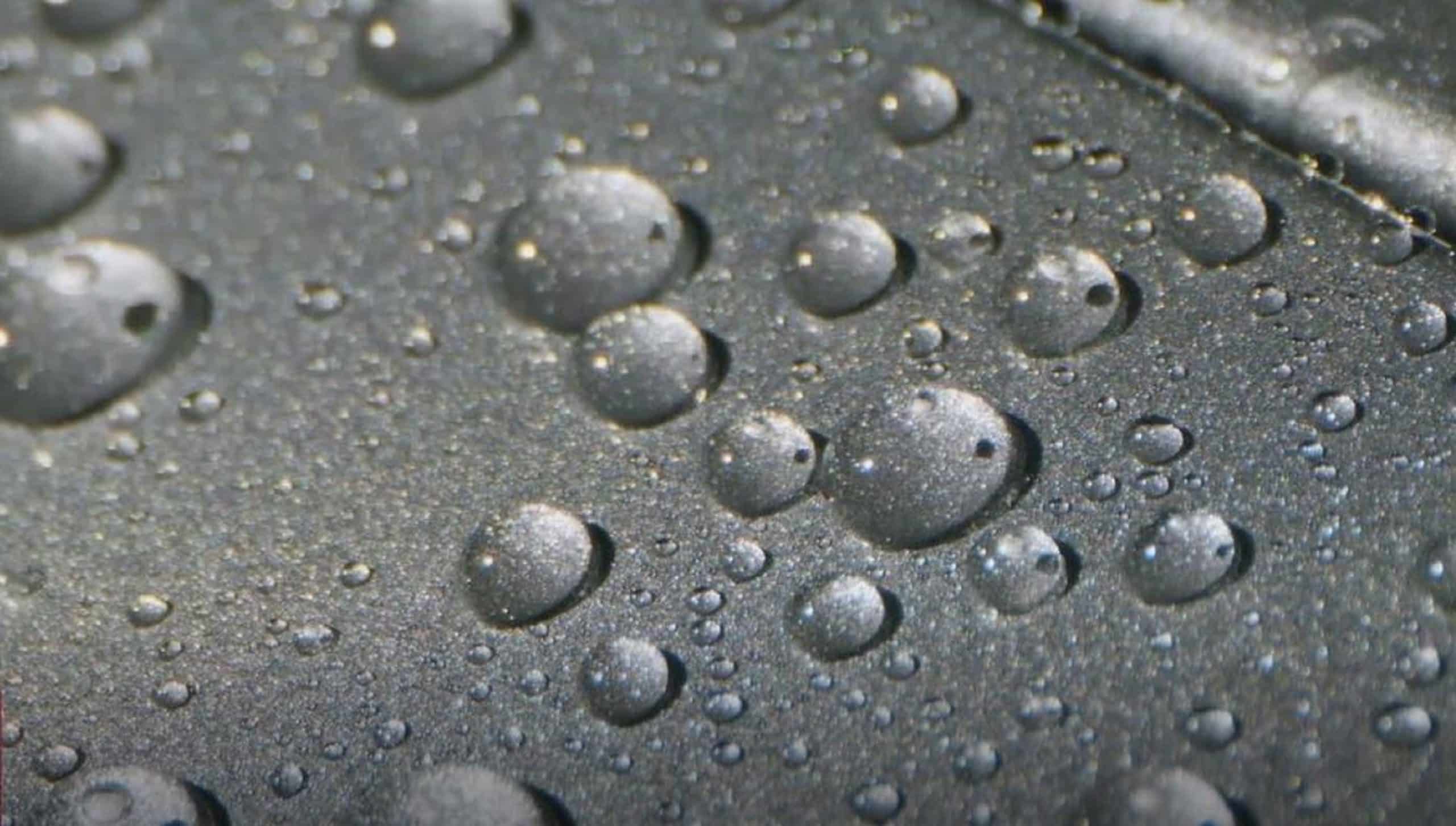
Credit: www.simoniz.uk
Benefits Of Waxing White Cars
Waxing a white car offers many benefits. It keeps the car looking fresh and clean. Regular waxing protects the paint and keeps the color bright. White cars can show dirt and stains easily. Waxing helps to reduce these problems. It also makes the car shine and look new for longer.
Enhancing Paint Protection
Wax forms a shield over the paint. This shield protects against dust, dirt, and small scratches. It also guards the paint from harmful UV rays. UV rays can fade the paint over time. Wax keeps the paint strong and safe. This helps your white car stay bright and fresh.
Maintaining Shine And Gloss
Waxing gives a smooth, shiny finish to the car. It brings out the best in white paint. The shine makes the car look clean and well cared for. Wax fills small scratches and rough spots. This makes the surface smooth and glossy. The car looks new and attractive after waxing.
Preventing Stains And Discoloration
White cars are more likely to show stains. Bird droppings, tree sap, and water spots can leave marks. Wax creates a barrier that stops these stains. It makes cleaning easier and faster. Wax also prevents yellowing or dulling of the paint. Your white car stays bright and beautiful longer.
Factors Influencing Waxing Frequency
Several factors affect how often you should wax a white car. These elements influence the wax’s durability and the car’s shine. Understanding these factors helps keep your car looking clean and bright. Let’s explore the main influences.
Climate And Weather Conditions
Hot sun can fade your car’s paint faster. Rain and snow wash away wax protection. Dust and dirt build up quicker in dry areas. Cars in harsh climates need waxing more often. Mild weather means less frequent waxing.
Driving Habits And Exposure
Frequent driving exposes the car to dirt and road grime. Long trips increase wear on the wax layer. Parking under trees can cause sap or bird droppings. Garage-kept cars need less frequent waxing. Regular washing helps wax last longer.
Type Of Wax Used
Natural waxes usually last a few weeks. Synthetic waxes can protect for months. Paste waxes often require more frequent application. Liquid waxes are easier to apply but may wear off sooner. Choose wax based on your needs and schedule.
Recommended Waxing Schedule
Maintaining the shine and protection of a white car requires a proper waxing routine. Waxing helps shield the paint from dirt, UV rays, and other damage. It also keeps the car looking fresh and bright. The ideal waxing schedule depends on how you use your car and the environment it faces. Here are some common waxing frequencies to consider.
Monthly Waxing For Optimal Care
Waxing your white car every month provides the best protection. It helps maintain a deep shine and prevents buildup of grime. This schedule suits cars parked outside or driven daily. Monthly waxing also stops UV rays from dulling the paint. It keeps your car looking new for longer.
Quarterly Waxing For Moderate Maintenance
Applying wax every three months works well for cars used less often. This schedule balances protection and effort. It shields your paint from dirt and sun damage. Quarterly waxing is good for vehicles parked in garages. It keeps the paint healthy without too much work.
Seasonal Waxing For Harsh Conditions
Waxing your white car at the start of each season helps in tough climates. Winter salt, summer sun, and spring pollen can harm the paint. Seasonal waxing creates a strong barrier against these elements. It is ideal for cars exposed to harsh weather. This routine helps the paint survive all year round.
Choosing The Right Wax For White Cars
Choosing the right wax for a white car matters a lot. White paint needs special care to keep it bright and clean. The wrong wax can dull the color or leave stains. The right wax protects the paint and makes the car shine.
Knowing the types of wax, their ingredients, and how to apply them helps you choose well. This ensures your white car always looks fresh and new.
Types Of Car Wax
Car wax comes in several forms. Paste wax gives a deep shine and lasts long. Liquid wax is easy to spread and dries quickly. Spray wax offers fast application but may not last as long. Each type suits different needs and skill levels.
Wax Ingredients For White Paint
Look for waxes with natural carnauba or synthetic polymers. Carnauba wax adds a warm glow to white paint. Synthetic waxes create a strong protective layer. Avoid waxes with dyes or tints that can change the white color. Clear formulas are best for white cars.
Application Methods
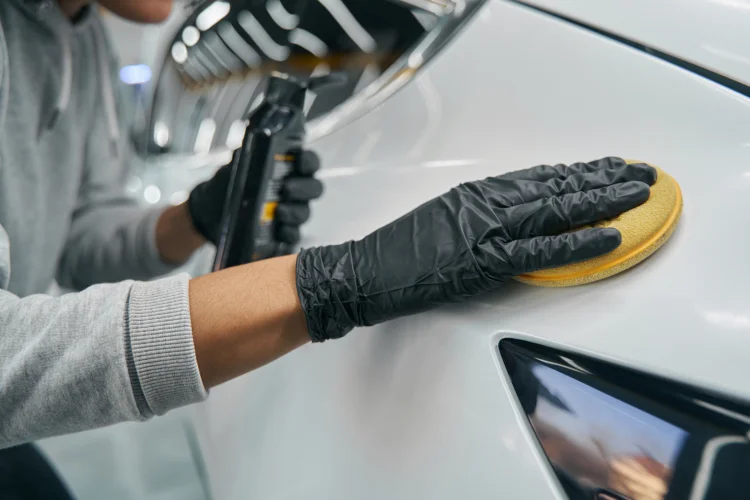
Use a soft cloth or foam applicator for waxing. Apply wax in small, circular motions for even coverage. Let the wax dry to a haze before buffing it off. Buff with a clean microfiber cloth to avoid scratches. Proper application keeps the paint smooth and shiny.
Step-by-step Waxing Process
Waxing a white car keeps it bright and protects the paint. Follow these simple steps for the best results. Each step ensures a smooth, shiny finish that lasts longer. Take your time and enjoy the process.
Preparing The Car Surface
Start by washing the car thoroughly. Remove dirt, dust, and grease. Use a gentle car shampoo and water. Dry the car fully with a clean microfiber cloth. Make sure the surface is cool and shaded. This helps the wax stick well.
Applying Wax Evenly
Choose a good quality wax made for white cars. Use a foam or microfiber applicator pad. Apply a thin layer of wax in small sections. Use circular motions to spread the wax evenly. Avoid thick coats to prevent streaks and spots.
Buffing For Lasting Shine
Let the wax dry until it looks hazy. Use a clean, soft microfiber cloth to buff the surface. Rub gently in small circles to remove wax residue. Buffing reveals a bright, smooth shine. Repeat if you want extra protection and gloss.
Common Mistakes To Avoid
Waxing a white car can keep it looking fresh and shiny. Avoid common mistakes to get the best results. These errors can harm the paint and waste your time and effort. Learn what to avoid for a clean, bright finish.
Waxing On Dirty Surfaces
Never apply wax on a dirty car. Dirt and dust can scratch the paint. Always wash the car thoroughly before waxing. A clean surface lets the wax stick better. This protects the paint and gives a smooth shine.
Using Wrong Products
Choose wax made for cars, not other surfaces. Some waxes can leave white spots on a white car. Avoid products with harsh chemicals. Use wax that suits your car’s paint type. This keeps the finish bright and safe.
Over-waxing Or Under-waxing
Wax too often, and the paint may build up layers. This can look dull and uneven. Wax too little, and the car loses protection. Find a balance by waxing every 2 to 3 months. This keeps the paint healthy and shiny.
Additional Tips For White Car Care
Taking care of a white car needs more than just waxing. Small steps help keep the paint bright and clean longer. These tips help protect your white car and keep it looking new.
Regular Washing Techniques
Wash your white car often to remove dirt and dust. Use mild soap made for cars. Avoid harsh detergents that can damage paint. Always use a soft cloth or sponge. Wash in the shade to stop water spots. Rinse well to remove all soap. Dry with a clean, soft towel to avoid streaks.
Paint Sealants And Coatings
Sealants add a strong layer over your car’s paint. They protect against dirt and light scratches. Coatings last longer than wax and shine more. Apply sealants or coatings every few months. Follow product instructions carefully for best results. These protect your white car and make washing easier.
Protecting Against Environmental Damage
Sunlight can cause white paint to yellow over time. Park in shaded areas or use a car cover. Bird droppings and tree sap can stain paint quickly. Clean these spots immediately with water and soap. Avoid parking under trees or near construction. These steps help keep your white car fresh and bright.
Credit: cuvrd.com

Credit: aestheticautosalon.com
Frequently Asked Questions
How Often Should I Wax A White Car?
Wax your white car every 3 to 4 months. This protects the paint and keeps it shiny. Regular waxing prevents dirt buildup and fading.
Does Waxing A White Car Prevent Paint Damage?
Yes, waxing adds a protective layer that shields paint from UV rays, dirt, and contaminants. It reduces oxidation and keeps the surface smooth.
Can I Wax A White Car In Direct Sunlight?
It’s best to avoid waxing in direct sunlight. Heat causes wax to dry too fast, making it hard to buff. Choose a shaded, cool area instead.
What Type Of Wax Is Best For White Cars?
Choose a high-quality paste or liquid wax with UV protection. These enhance the white color and provide long-lasting shine and protection.
Conclusion
Waxing your white car keeps it clean and shiny. Do it every three months for best results. This schedule helps protect paint from dirt and sun damage. Regular waxing makes washing easier and keeps your car looking new. Remember, a well-maintained car holds its value longer.
Stay consistent with waxing to enjoy a bright, fresh finish all year. Simple care goes a long way in preserving your car’s beauty.


