
You want your car to look its best, right? A shiny, well-protected finish not only turns heads but also keeps your vehicle safe from damage.
But how often should you have your car waxed to keep that fresh, showroom shine? If you’re unsure, you’re not alone. Getting the timing right can save you money and keep your car’s paint looking flawless. Keep reading, and you’ll discover the simple answer to how often you should wax your car—and why it matters more than you think.
Benefits Of Car Waxing
Car waxing offers many benefits that help keep your vehicle in great shape. It protects the surface, improves appearance, and stops damage. Waxing your car regularly saves money on repairs and maintains its value. The process is simple but very effective.
Understanding these benefits shows why waxing is important. It helps keep your car looking new and strong against daily wear.
Protecting Paintwork
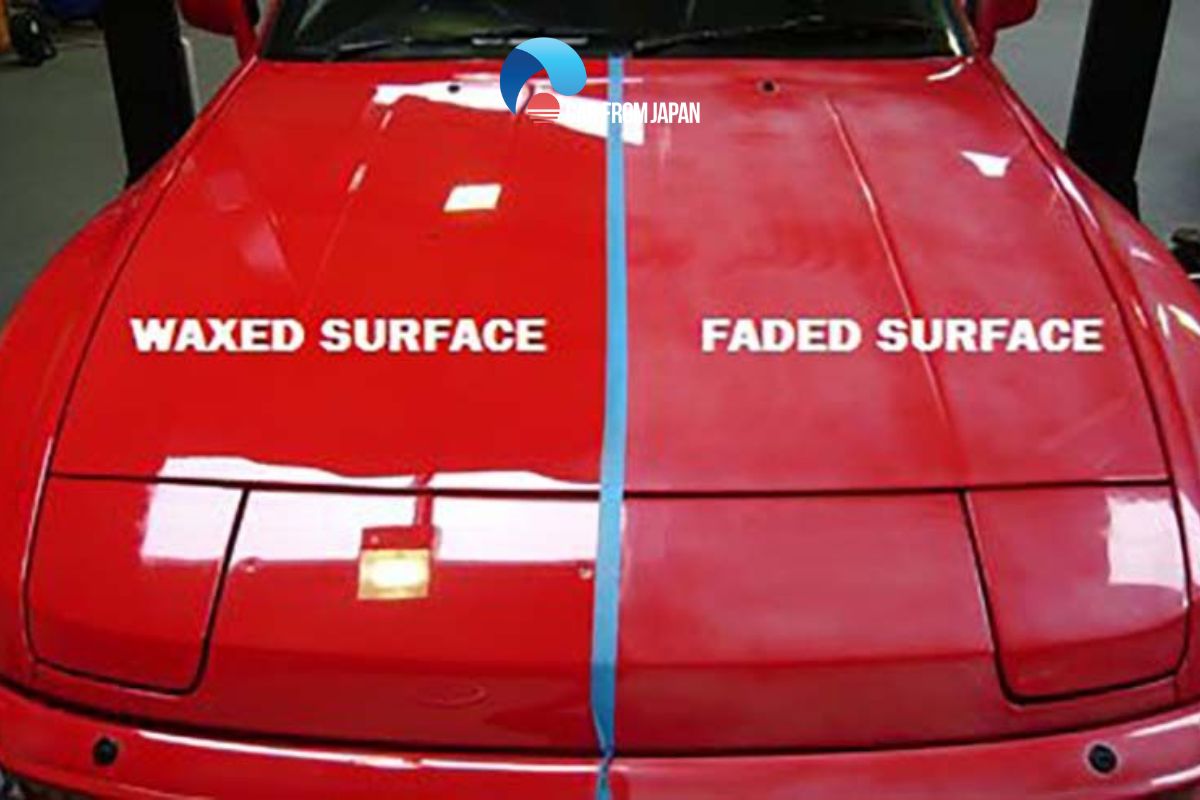
Wax forms a thin layer over the paint. This layer guards against dirt, dust, and harmful UV rays. It stops paint from fading and cracking. Wax also helps prevent scratches by creating a smooth surface. This keeps your car’s paint fresh longer.
Enhancing Shine
Wax adds a deep, glossy shine to your car. It brings out the true color and makes the surface look clean. The shine improves the car’s overall appearance and makes it stand out. A shiny car looks well cared for and attractive.
Preventing Rust And Corrosion
Wax creates a barrier against water and moisture. This helps prevent rust and corrosion on metal parts. Salt and grime can cause damage, but wax keeps them away. Protecting these areas extends the life of your car.
Credit: carfromjapan.com
Types Of Car Wax
Choosing the right car wax affects how often you should wax your car. Different wax types protect your car’s paint in unique ways. Knowing these types helps you pick the best option for your car’s needs.
Natural Wax
Natural wax comes from plants, mostly carnauba wax. It gives a deep, warm shine to your car. This wax protects well against sunlight and dirt. It usually lasts around 4 to 6 weeks. Natural wax is gentle on paint but needs more frequent application.
Synthetic Wax
Synthetic wax is made from man-made chemicals. It forms a strong, durable shield on your car. This wax lasts longer, often up to 3 months. It resists water, dirt, and UV rays better than natural wax. Synthetic wax requires less frequent waxing but may not shine as deeply.
Hybrid Wax
Hybrid wax blends natural and synthetic ingredients. It offers both shine and long-lasting protection. Hybrid wax lasts between 6 to 8 weeks. It works well for daily drivers who want easy maintenance. This wax balances beauty and durability for your car’s paint.
Factors Influencing Waxing Frequency
Several factors affect how often you should wax your car. Waxing protects your car’s paint and keeps it shiny. The right frequency depends on your environment and habits. Understanding these factors helps maintain your car’s look and value.
Climate And Weather
Hot and sunny climates can wear down wax quickly. UV rays cause paint to fade without protection. Rain and snow also affect the wax layer. Salt from roads in winter can damage paint. Frequent waxing is needed in harsh weather areas.
Car Usage Patterns
Daily drivers face more dirt and grime. Parking outside exposes the car to dust and bird droppings. Cars used less often may keep wax longer. Long trips may expose your car to bugs and road salt. Adjust waxing based on how and where you drive.
Storage Conditions
Cars kept in garages stay cleaner longer. Shade helps slow down wax fading. Parking under trees can cause sap and leaves to fall. Outdoor storage needs more frequent waxing. Proper storage reduces the need for constant waxing.
Recommended Waxing Intervals
Knowing the right time to wax your car keeps it looking fresh and protected. Waxing adds a shield against dirt, rain, and sun. The frequency depends on the car’s age and how much it is driven. Follow these guidelines to keep your car’s paint bright and safe.
For New Cars
New cars have fresh factory paint that needs protection. Wax every three to four months to keep the shine. This helps maintain the clear coat and stops early damage. Regular waxing preserves the car’s value and appearance.
For Older Vehicles
Older cars often have worn paint. Waxing every two to three months helps cover scratches and dullness. It restores some shine and protects from rust and fading. Older cars need more attention to stay looking good.
For Frequent Drivers
Cars driven every day face more dirt and weather. Wax every one to two months to fight constant wear. This frequent care prevents buildup and keeps the paint smooth. Frequent waxing saves your car from long-term damage.
Diy Vs Professional Waxing
Deciding between DIY and professional car waxing affects how often you should wax your car. Both options protect your car’s paint and improve its shine. Each choice has unique benefits and drawbacks. Understanding these helps you pick the best option for your needs.
Pros And Cons Of Diy
DIY waxing saves money. You can do it anytime at home. It allows control over the process. You choose the wax type and method.
DIY requires time and effort. Mistakes can cause uneven application or streaks. Some waxes need special tools or skills. Results may not last as long as professional waxing.
Benefits Of Professional Services
Professional waxing uses high-quality products. Experts apply wax evenly and quickly. They protect your car’s paint from damage. Professionals can remove minor scratches and stains during waxing.
Professional waxing saves your time and effort. The shine usually lasts longer. The car looks better and stays protected.
Cost Comparison
DIY waxing costs less upfront. You pay for wax and materials only. Professional waxing costs more because of labor and expertise. Prices vary by service and location.
DIY can be cheaper but needs regular reapplication. Professional waxing lasts longer, reducing frequency and overall cost. Consider your budget and schedule when choosing.

Credit: auto.howstuffworks.com
Signs Your Car Needs Waxing
Knowing when your car needs waxing helps keep its paint fresh and shiny. Wax protects your car from dirt, sun, and rain. It also makes washing easier. Watch for these signs to know if your car needs waxing soon.
Dull Or Faded Paint
Does your car’s paint look dull or faded? This means the wax layer has worn off. Without wax, the paint loses its shine and can fade from sun damage. Waxing brings back the bright, glossy look.
Water Beading Loss
Check how water behaves on your car’s surface. Wax makes water form small beads and roll off quickly. If water spreads out and sticks, the wax is gone. This shows it’s time to wax again.
Surface Contaminants
Notice dirt, bugs, or tree sap sticking to your car? Wax creates a smooth layer that blocks these contaminants. When wax wears off, dirt and grime stick more easily. Waxing helps keep your car cleaner and protects the paint.
Tips For Effective Waxing
Waxing your car protects its paint and keeps it shiny. Effective waxing needs the right steps. Follow these tips to get the best results and keep your car looking great longer.
Preparing The Surface
Start with a clean car. Wash off dirt and grime. Dry the car completely to avoid water spots. Check for paint damage or scratches. Fix small issues before waxing. Use clay bar if the surface feels rough. A smooth surface helps wax stick better.
Applying Wax Properly
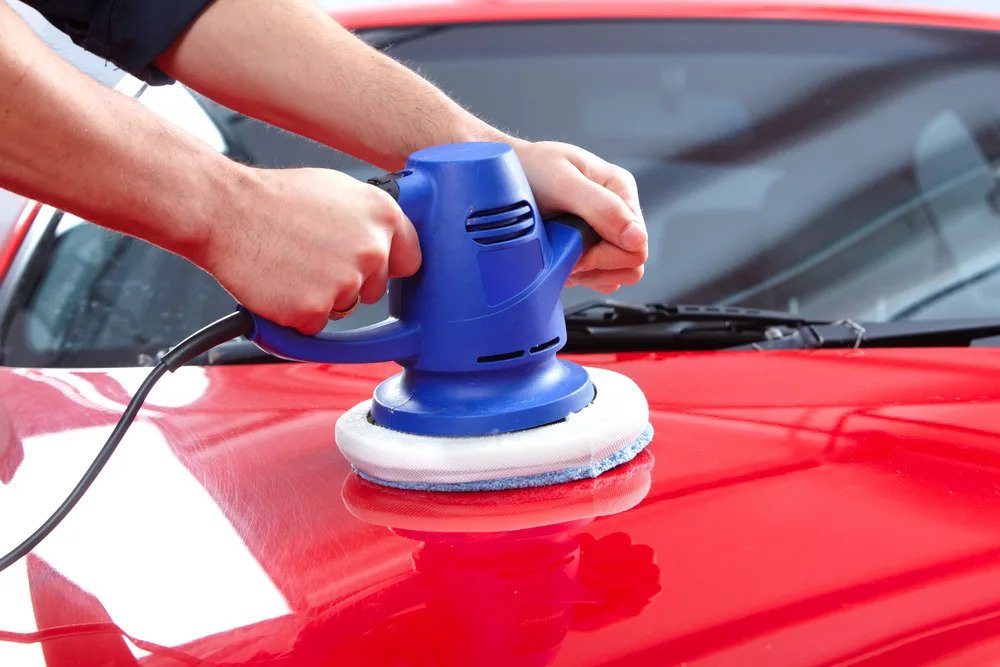
Choose a cool, shady spot to wax. Avoid direct sunlight to prevent streaks. Use a small amount of wax on a soft applicator. Apply wax in small, circular motions. Work on one panel at a time. Let the wax dry until it looks hazy. Buff with a clean microfiber cloth to shine.
Maintaining Wax Protection
Wash your car regularly to keep wax fresh. Use gentle car shampoo without harsh chemicals. Avoid automatic car washes with brushes. Reapply wax every three months or as needed. Spot wax areas that lose shine faster. Store wax in a cool, dry place to keep it effective.
Credit: ethoscarcare.com
Frequently Asked Questions
How Often Should I Wax My Car For Best Protection?
Wax your car every 3 to 4 months to maintain optimal protection. This frequency shields paint from UV rays, dirt, and moisture. Regular waxing preserves shine and prevents damage, keeping your car looking new longer.
Can I Wax My Car Too Often?
Waxing too often can build up residue and dull the finish. Stick to every 3 to 4 months for best results. Over-waxing wastes product and time without extra benefits.
Does Weather Affect How Often I Should Wax?
Yes, extreme weather shortens wax protection. In harsh sun or rain, wax every 2 to 3 months. Mild climates may allow waxing every 4 months.
Will Waxing My Car Improve Its Resale Value?
Waxing maintains paint quality and appearance, boosting resale appeal. A well-maintained exterior signals care, attracting buyers. Regular waxing can increase your car’s market value.
Conclusion
Waxing your car regularly keeps its paint strong and shiny. Most experts suggest waxing every three months. This timing helps protect your car from dirt and sun damage. If you drive a lot or park outside, wax more often. A clean, waxed car looks newer and stays protected longer.
Simple care can save money on repairs later. Remember, regular waxing keeps your car looking its best year-round. Small effort, big difference.


