

Thinking about buffing your car but unsure how much it will cost? You’re not alone.
Buffing can bring back that fresh, shiny look your car had when it was new, but the price can vary a lot. Knowing what affects the cost can help you make the best choice for your car and budget. You’ll discover everything you need to know about car buffing costs — so you can get your car looking its best without any surprises.
Keep reading to find out how much you should expect to spend and what factors can change the price.

Credit: www.pandahub.com
Factors Affecting Buffing Cost
Buffing a car can improve its look and protect the paint. The cost of buffing depends on many factors. These factors affect the time, effort, and materials needed for the job. Understanding these can help you estimate the price better.
Car Size And Type
Large cars need more time and product for buffing. SUVs and trucks usually cost more than small sedans. Sports cars or luxury vehicles may require special care. This can increase the overall buffing cost.
Condition Of Paint
Old or damaged paint needs extra work. Scratches, oxidation, and swirl marks affect the price. A car with clear, smooth paint costs less to buff. The worse the paint condition, the higher the cost.
Type Of Buffing Service
Basic buffing removes light scratches and shines paint. Full paint correction fixes deep scratches and stains. Some services include waxing or sealing after buffing. More detailed services will raise the price.
Location And Service Provider
Prices vary by city and region. Urban areas tend to have higher costs. Experienced or certified providers may charge more. Cheap services might save money but could deliver lower quality.
Buffing Service Options
Buffing a car improves its shine and removes minor scratches. Different buffing services suit different needs and budgets. Understanding these options helps you choose the best service for your car.
Basic Buffing
Basic buffing is a quick polish to clean the car’s surface. It removes light scratches and dull spots. This service is affordable and takes less time. Ideal for cars with minor wear and tear.
Full Correction Buffing
Full correction buffing fixes deeper scratches and paint defects. It involves multiple steps and more time. This service restores the car’s original shine. It costs more than basic buffing but offers better results.
Machine Vs Hand Buffing
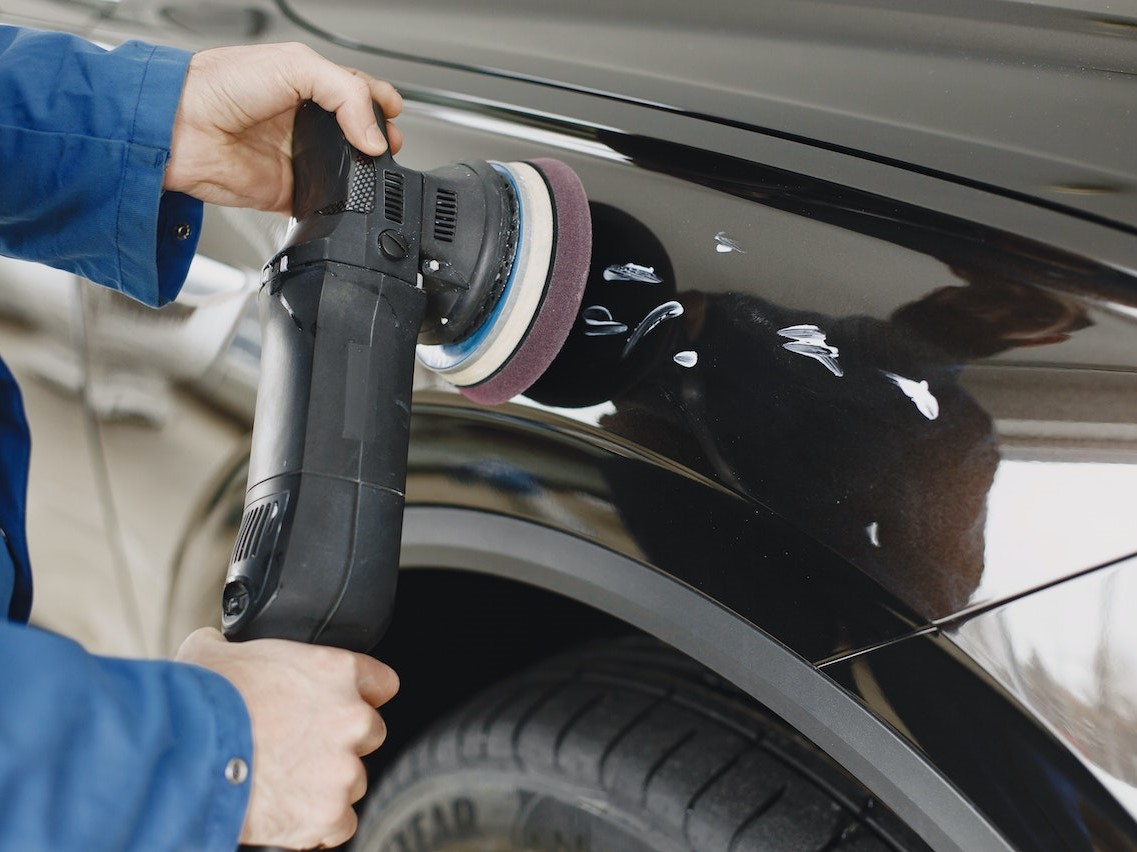
Machine buffing uses a power tool for faster results. It removes scratches more effectively than hand buffing. Hand buffing is slower but gentler on the paint. Choose machine buffing for heavy damage and hand buffing for light polishing.
Additional Services
Some buffing packages include waxing or sealant application. These protect the paint and extend the shine. Other services may include clay bar treatment or paint touch-ups. Adding these can increase the total cost but improve the finish.
Average Buffing Costs
Buffing a car can refresh its look and remove minor scratches. The cost varies widely based on service type and location. Understanding average buffing costs helps plan your budget better. Prices depend on factors like car size, paint condition, and service quality.
Low-end Pricing
Low-end buffing services typically cost between $50 and $100. These are basic jobs with minimal polish and surface cleaning. Often done at quick detail shops or by mobile detailers. Ideal for small cars or light scratch removal. Expect limited correction and shorter service time.
Mid-range Pricing
Mid-range buffing costs range from $100 to $200. This includes more thorough polishing and minor paint correction. Usually offered by established detail shops with skilled technicians. Suitable for medium-sized cars or moderate surface damage. Often comes with some warranty or satisfaction guarantee.
High-end Pricing
High-end buffing can cost $200 or more. This covers extensive paint correction and multi-step polishing. Often paired with waxing or sealant application for long-lasting shine. Best for luxury cars or vehicles with deep scratches. Services done by experienced professionals using advanced tools.
Diy Buffing Expenses
Buffing your car yourself can save money but also costs time and effort. Understanding the expenses helps you prepare better. Let’s explore the main costs involved in DIY buffing.
Cost Of Tools
Buffing requires specific tools like a buffer machine and pads. A basic buffer machine costs around $50 to $150. High-quality buffers can go up to $300. You will also need foam or microfiber pads. These pads cost between $10 and $30 each. Having a variety of pads helps handle different paint conditions. Investing in good tools makes the job easier and better.
Cost Of Products
Buffing needs special products such as polish and compound. Polishes remove light scratches and bring shine. Compounds handle deeper scratches and oxidation. A bottle of polish or compound costs $10 to $30. You may also need wax to protect the paint after buffing. Wax prices range from $10 to $25. Using quality products gives better results and protects your car.
Time Investment
Buffing takes time and patience. For a small car, it can take 3 to 5 hours. Larger vehicles may need 6 to 8 hours or more. Rushing can cause uneven results or damage. Learning the right technique also takes practice. Time is a hidden cost but very important for a good finish.
Tips To Save On Buffing
Buffing a car can be costly, but there are smart ways to lower the price. Saving on buffing helps keep your car shiny without breaking the bank. Simple tips can make a big difference in how much you spend.
These ideas help you get quality service and save money at the same time.
Package Deals
Many shops offer package deals that include buffing with other services. These deals usually cost less than paying for each service alone. Combining wax, wash, and buffing saves money and time.
Seasonal Discounts
Look for seasonal discounts during holidays or slow business times. Car shops often reduce prices to attract more customers. Timing your buffing appointment during these sales can cut costs.
Regular Maintenance
Keeping your car clean and waxed regularly lowers the need for heavy buffing. Small, frequent care prevents paint damage and dullness. This means fewer and cheaper buffing sessions over time.
Credit: kidscardonations.org
Signs You Need Buffing
Buffing your car brings back its shine and smooth feel. It removes small marks and dirt that washing can’t fix. Knowing the signs helps you decide when to buff your car. This keeps your car looking fresh and protects the paint.
Paint Swirls And Scratches
Swirls look like small circles on the paint. They appear after washing or drying with rough cloths. Scratches are thin lines that break the paint’s smooth surface. Buffing can reduce these marks and improve the car’s look.
Faded Appearance
Sun and weather can make paint look dull. The color loses its bright and fresh look. Buffing removes the top layer of old paint and brings back the shine. It makes the car appear newer and well cared for.
Water Spots And Stains
Water spots happen when drops dry on the paint. They leave white or light marks that don’t wash away easily. Stains from dirt or chemicals can also damage the surface. Buffing removes these spots and cleans the paint fully.

Credit: www.reddit.com
Frequently Asked Questions
How Much Does Professional Car Buffing Usually Cost?
Professional car buffing typically costs between $50 and $150. The price depends on car size, paint condition, and service location. Higher-end services may charge more for detailed work or premium products.
What Factors Influence The Cost Of Car Buffing?
Cost varies by car size, paint damage severity, and buffing method. Additional factors include service quality, location, and whether extra detailing is included. These impact the overall price you’ll pay.
Can Diy Car Buffing Save Money Compared To Professionals?
DIY buffing kits cost less upfront, usually $20 to $50. However, improper technique can damage paint and lead to more expenses. Professionals ensure better results and protect your car’s finish.
How Often Should I Buff My Car To Maintain Shine?
Buffing every 6 to 12 months is ideal for most vehicles. Frequent buffing removes surface scratches and oxidation, maintaining a glossy finish. Over-buffing can wear down paint layers, so avoid excess.
Conclusion
Buffing a car can cost differently based on size and condition. Small scratches may need less work, so cost stays low. Larger jobs require more time and materials, raising the price. Choosing a skilled professional helps protect your car’s finish.
Regular buffing keeps your car looking fresh and shiny. Know your options and budget before deciding. A clean, polished car always feels good to drive. Simple steps can keep your vehicle in great shape for years.

