When it comes to your car’s braking system, the condition of your brake rotors plays a huge role in how safe and smooth your drives are. You might wonder, “How smooth should brake rotors be?”
It’s a question that can save you from costly repairs and dangerous situations. If your rotors aren’t right, you could feel vibrations, hear noises, or even lose control when stopping. You’ll discover exactly what makes brake rotors smooth enough, why it matters for your safety, and how to tell if yours need attention.
Keep reading to make sure your brakes are working perfectly every time you hit the road.

Credit: nomoneymotorsports.com
Brake Rotor Surface Basics
Brake rotors play a key role in vehicle safety. Their surface condition affects braking power and smoothness. A rotor’s surface must be just right—not too rough, not too smooth.
Understanding rotor surfaces helps keep brakes effective and safe. It also extends the life of brake parts. Knowing the basics helps you spot issues early and maintain your brakes better.
Role Of Rotor Smoothness
The smoothness of a brake rotor affects how the brake pads grip. A very smooth rotor can reduce friction and lower braking power. A rough rotor surface can cause noise and wear out pads faster.
Ideal rotor smoothness balances grip and pad wear. It allows the brakes to stop the car quickly and quietly. It also prevents vibrations and uneven braking during use.
Common Rotor Surface Types
There are different rotor surfaces for various driving needs. Plain rotors have a smooth, flat surface, good for normal driving. Slotted rotors have grooves to remove dust and heat.
Drilled rotors have holes to improve cooling and reduce weight. Some rotors combine slots and holes for better performance. Each type changes how the brakes feel and perform.

Credit: www.reddit.com
Impact Of Rotor Smoothness On Performance
The smoothness of brake rotors plays a key role in how well your brakes perform. It affects how the brake pads grip the rotor and how heat moves away from the braking surface. Rotor texture is not just about looks; it changes how your brakes work every time you press the pedal.
Understanding the impact of rotor smoothness helps you keep your brakes safe and effective. The right surface finish can extend the life of your brake parts and improve overall driving safety.
Effect On Brake Pad Wear
Smoother rotors create less friction against brake pads. This lowers the rate at which pads wear out. Rough or uneven rotors cause pads to wear faster. They create uneven contact spots that damage pads quickly. Keeping rotors smooth helps brake pads last longer and saves money on replacements.
Influence On Stopping Power
Brake rotor smoothness affects how well the brakes stop the car. Too smooth a surface may reduce the grip between pads and rotors. This leads to longer stopping distances. Slight texture on the rotor surface helps the pads grab better. It improves the brake’s ability to stop the vehicle quickly and safely.
Heat Dissipation And Rotor Texture
Brake rotors get very hot during use. The rotor texture affects how heat spreads out. Smooth rotors may hold heat in certain spots. This can cause warping or cracks over time. A properly textured rotor surface helps heat escape evenly. This prevents damage and keeps braking consistent over many stops.
Signs Of Rotor Surface Issues
Brake rotors must be smooth for safe driving. Rough or damaged rotors cause problems. Knowing the signs helps you spot rotor surface issues early. This keeps your brakes working well and avoids costly repairs.
Check your brakes often. Notice any unusual feelings or sounds. These hints tell you if the rotors need attention.
Vibrations And Pulsations
Feel shaking in the brake pedal or steering wheel? This often means rotor surfaces are uneven. Warped rotors cause vibrations during braking. Pulsations may feel like a rapid pulsing in the brake pedal. This affects control and safety.
Noise Indicators
Listen for squealing, grinding, or scraping sounds. Squealing can mean the rotor surface is rough or worn. Grinding noises suggest metal rubbing on metal. Scraping sounds might indicate deep grooves or damage. Noises warn you to check rotor condition soon.
Visual Inspection Tips
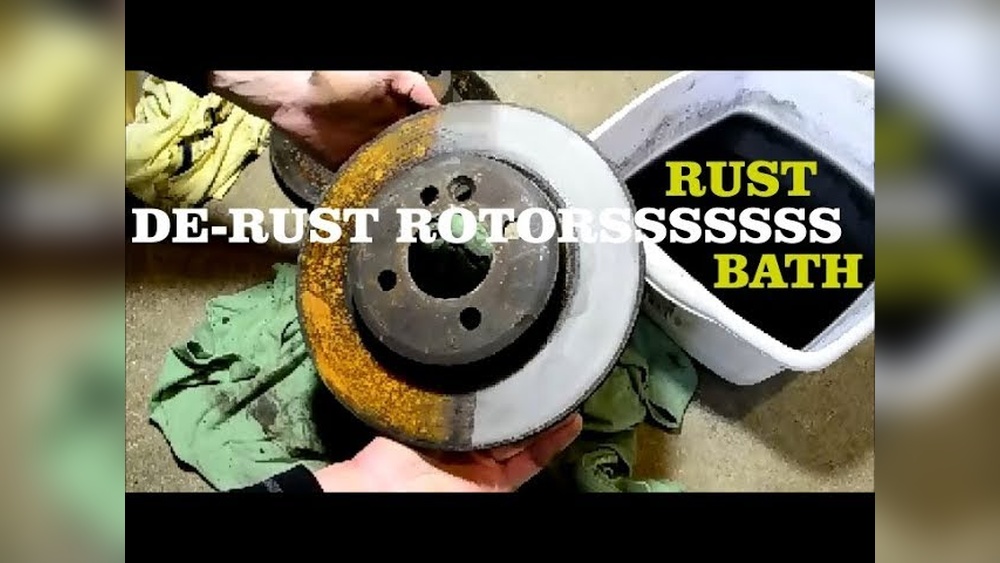
Look at the rotor surface closely. Smooth rotors reflect light evenly. Rough rotors show grooves, rust, or scoring marks. Deep lines or cracks mean the rotor is damaged. Rust spots can reduce braking power. Clean rotors appear shiny and smooth.

Credit: www.youtube.com
Achieving Ideal Rotor Smoothness
Brake rotors need a smooth surface to work well with brake pads. Smooth rotors help brakes stop the car safely. Rough or uneven rotors can cause noise, vibration, and less effective braking.
Finding the right smoothness level is important. It helps the brake pads grip the rotor properly. The right surface finish also prevents quick wear and tear of the brake parts.
Recommended Surface Finish Levels
The ideal rotor surface should be smooth but not mirror-like. A finish of 30 to 60 microinches (Ra) is best. This level helps brake pads wear evenly and stay cool.
Too smooth or too rough surfaces can cause problems. A rough surface wears out pads fast. A very smooth surface can reduce friction and braking power.
Tools And Techniques For Resurfacing
Resurfacing uses special machines to grind the rotor surface. A lathe is the most common tool for this job. It removes a thin layer to make the surface smooth again.
Hand sanding or sanding discs can also smooth rotors. But these methods take more time and skill. Professional resurfacing is often safer and more accurate.
When To Replace Instead Of Resurface
Rotors with deep grooves or cracks need replacement. Thin rotors cannot be resurfaced safely. Check the rotor thickness against the manufacturer’s limit.
Warped rotors that cause vibration usually must be replaced. Resurfacing may fix minor issues. But major damage means new rotors are safer.
Expert Maintenance Tips
Keeping brake rotors smooth is key to safe driving and long-lasting parts. Experts follow clear steps to maintain rotor surface quality. These tips help avoid costly repairs and improve braking performance.
Simple care routines protect rotors from damage. Proper handling of new rotors sets the stage for smooth operation. Avoiding common mistakes keeps brakes reliable and quiet.
Routine Inspection Practices
Check brake rotors often for grooves, rust, and uneven wear. Use a micrometer to measure thickness regularly. Replace rotors if they are below the minimum thickness.
Look for signs of warping by feeling for vibrations during braking. Inspect brake pads too, since worn pads can damage rotors quickly.
Proper Bedding Of New Rotors
New rotors need correct bedding to work well. Start with gentle stops to heat the rotors evenly. Avoid sudden hard braking for the first 100 miles.
This process helps transfer brake pad material evenly on the rotor. It prevents rough spots and improves brake grip and rotor life.
Avoiding Common Mistakes
Do not reuse old brake pads with new rotors. Old pads can have uneven deposits that damage the rotor surface. Avoid riding the brakes, which causes extra heat and wear.
Never machine rotors too thin. This weakens them and can cause failure. Always follow manufacturer guidelines for rotor care and replacement.
Performance Upgrades And Rotor Texture
Performance upgrades often include changes to brake rotors. Rotor texture plays a key role in braking power and feel. Different textures affect heat dissipation, pad wear, and stopping strength. Choosing the right rotor texture can improve your vehicle’s performance and safety.
Slotted Vs. Drilled Vs. Smooth Rotors
Slotted rotors have grooves on the surface. These slots help remove gas and dust during braking. This keeps the brake pads cleaner and cooler. Drilled rotors have holes drilled through them. They allow heat and water to escape quickly. This helps in wet or high-heat conditions. Smooth rotors have a flat, even surface. They provide consistent contact with brake pads. Smooth rotors last longer and produce less noise.
Choosing The Right Rotor For Driving Style
Daily drivers benefit from smooth rotors. They offer quiet, stable braking with less wear. Sporty drivers may prefer slotted or drilled rotors. These improve brake response and heat control. Off-road or heavy-duty drivers should consider slotted rotors. They help clear debris and improve braking on rough terrain. Match the rotor type to your driving habits for best results.
Frequently Asked Questions
How Smooth Should Brake Rotors Be For Optimal Performance?
Brake rotors should have a smooth, even surface with minimal imperfections. A slightly textured finish helps brake pads grip better. Excessive roughness causes noise and uneven wear, while overly polished rotors reduce braking efficiency.
Can Overly Smooth Rotors Reduce Braking Effectiveness?
Yes, overly smooth rotors can decrease braking performance. Polished rotors may prevent brake pads from gripping properly. A slight texture is essential for effective friction and safe stopping power.
How To Check If Brake Rotors Are Too Rough Or Smooth?
Visual inspection and feel can help identify rotor smoothness. Run your hand gently over the rotor surface; it should feel smooth but not mirror-like. Professional tools like a micrometer or dial indicator measure rotor wear and smoothness precisely.
Does Rotor Smoothness Affect Brake Noise And Vibration?
Yes, rotor surface quality directly impacts brake noise and vibration. Rough, uneven rotors cause pulsating brakes and squealing sounds. Smooth, properly resurfaced rotors ensure quieter, vibration-free braking and longer pad life.
Conclusion
Brake rotors should be smooth but not perfectly polished. A slight texture helps brake pads grip better. Too smooth rotors can reduce braking power. Rough rotors may cause noise or vibration. Regular inspection keeps your brakes working well. Proper rotor condition improves safety on the road.
Keep rotors clean and replace when worn out. Smooth enough for good contact, rough enough for grip. This balance ensures effective and safe braking every time.