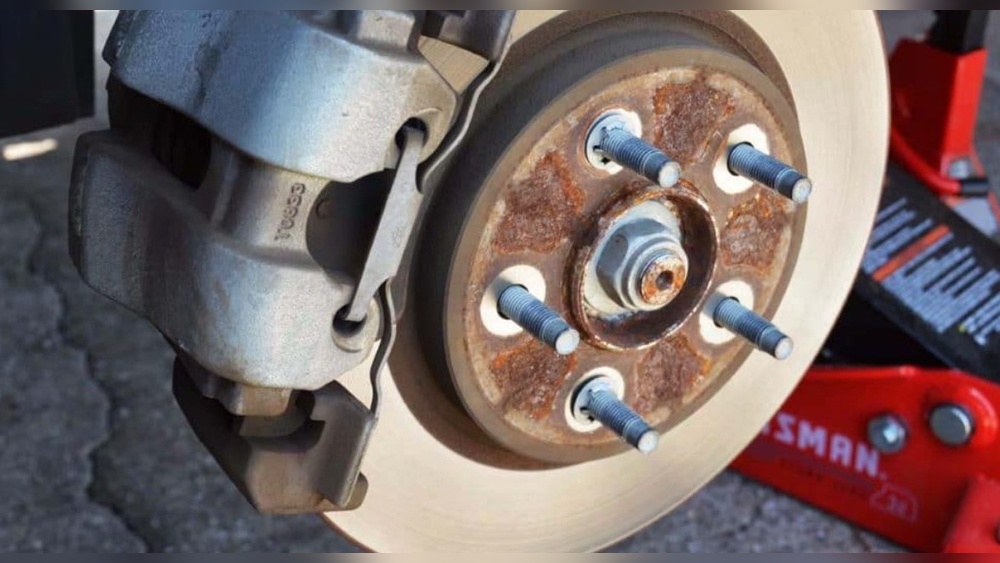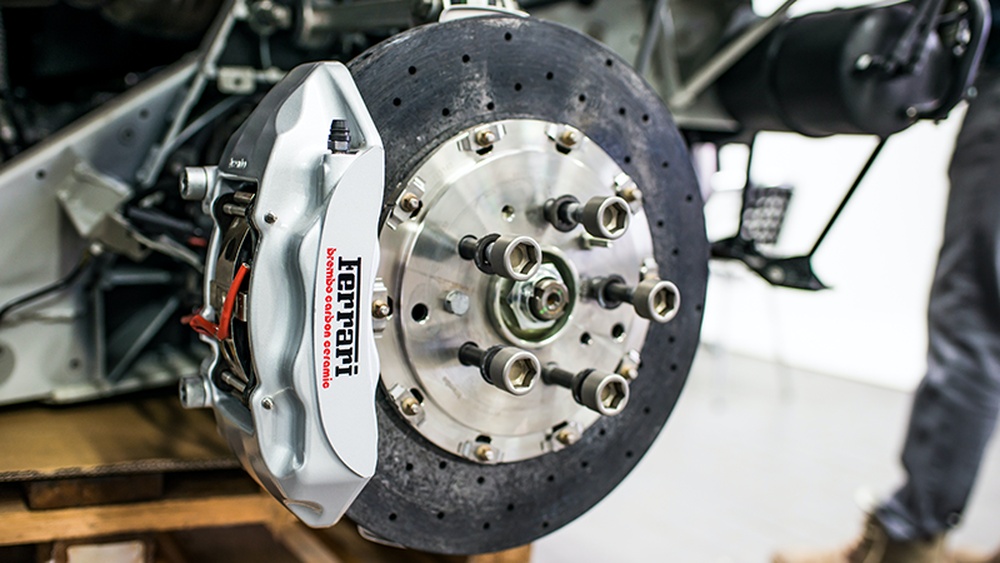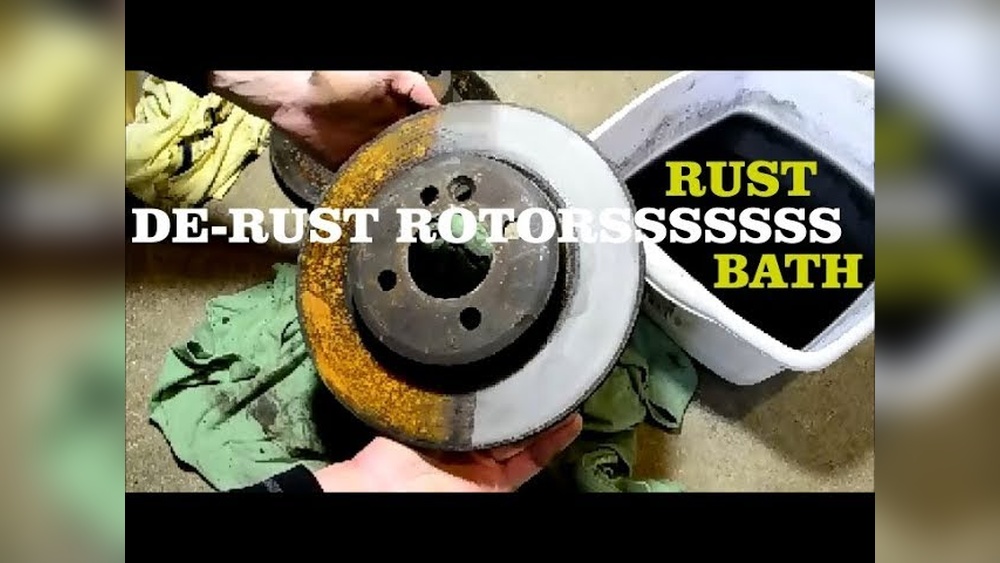
Rust on your disk brake rotors can be more than just an eyesore—it can affect your bike or car’s performance and safety. If you’ve noticed that rough sound or reduced braking power, the culprit might be rust buildup.
But don’t worry, removing rust from your rotors is easier than you think. You’ll discover simple, effective steps to restore your rotors and keep your brakes working smoothly. Keep reading to protect your ride and drive with confidence.

Credit: www.familyhandyman.com
Causes Of Rust On Brake Rotors
Rust on brake rotors can cause problems with your vehicle’s braking system. Understanding what causes rust helps in preventing damage. Brake rotors are made of metal, which reacts with certain conditions to form rust. This section explains the main causes of rust on brake rotors.
Exposure To Moisture
Moisture is the top cause of rust on brake rotors. Water from rain, snow, or humidity touches the metal surface. This water reacts with oxygen in the air. The reaction creates rust, which weakens the metal over time. Even small amounts of moisture can start the rusting process quickly.
Infrequent Vehicle Use
Cars that are not used often develop rust faster. When a vehicle sits still, the rotors stay wet longer. The brake pads do not rub against the rotors enough to remove the moisture. This allows rust to form and build up. Regular driving helps keep the rotors clean and dry.
Environmental Factors
Environment plays a big role in rust formation. Areas with salty air, like near the ocean, increase rust risk. Road salt used in winter also speeds up rusting. Dust and dirt can trap moisture on the rotor surface. These factors make rust form faster and damage rotors more.
Signs Of Rusty Brake Rotors
Rusty brake rotors can cause problems with your vehicle’s braking system. It is important to spot signs of rust early. This helps keep your brakes working well and safe. Recognizing these signs can prevent damage and costly repairs.
Visual Indicators
Rust on brake rotors often looks like a reddish-brown layer. This layer covers the metal surface of the rotors. You might see rough or flaky spots on the rotors too. Sometimes, rust appears as small pits or cracks. These visual signs show the rotor needs cleaning or replacement.
Brake Performance Issues
Rusty rotors can make your brakes feel different. You may notice a grinding or squeaking sound when braking. The brake pedal might feel less responsive or soft. Your car may take longer to stop than usual. These problems signal that rust is affecting brake performance.
Safety Precautions Before Cleaning
Cleaning rust from disk brake rotors can improve your vehicle’s performance. Before starting, taking safety precautions is very important. Rust removal involves tools and chemicals that can be risky without care. Protecting yourself and your vehicle helps avoid accidents and damage.
Necessary Tools And Gear
Wear safety glasses to protect your eyes from dust and debris. Use gloves to keep your hands safe from sharp edges and chemicals. A dust mask prevents you from breathing in rust particles. Have a jack and jack stands ready to lift and secure your vehicle safely. Use a wire brush or sandpaper to remove rust effectively.
Vehicle Preparation Steps
Park your vehicle on a flat surface and engage the parking brake. Loosen the lug nuts before lifting the car with a jack. Secure the car with jack stands to prevent it from falling. Remove the wheels to access the brake rotors easily. Avoid touching the rotor surface with greasy hands to keep it clean.
Credit: www.youtube.com
Manual Rust Removal Methods
Rust on disk brake rotors can affect braking performance and safety. Manual rust removal methods work well for light to moderate rust buildup. These methods are simple and require basic tools. They help restore the rotors’ surface and improve brake function.
Using Sandpaper Or Wire Brush
Sandpaper and wire brushes remove rust by abrasion. Start with coarse sandpaper or a stiff wire brush. Rub the rusted areas gently but firmly. Clean the rotor surface evenly to avoid damage. After removing rust, wipe the rotor with a clean cloth. This method is cheap and effective for small rust patches.
Applying Rust Remover Solutions
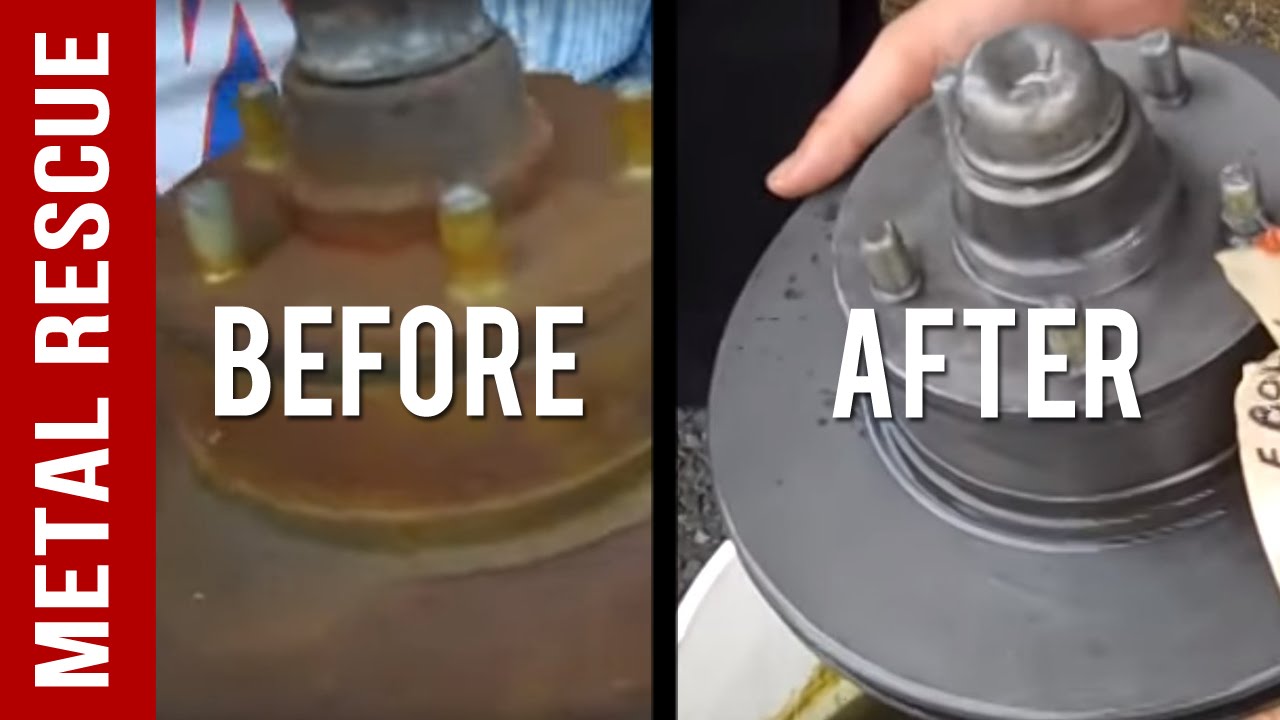
Rust remover solutions dissolve rust chemically. Apply the solution to the rusted rotor surface using a brush or spray. Let it sit for the time stated in the instructions. Use a brush to scrub off the loosened rust. Rinse the rotor well with water and dry it completely. Rust removers work best on stubborn rust spots that sanding cannot fix.
Mechanical Cleaning Techniques
Mechanical cleaning techniques remove rust from disk brake rotors using physical force. These methods can restore the rotor’s surface quickly and effectively. They involve scrubbing, grinding, or sanding the rust away. Mechanical cleaning is popular because it works well on tough rust patches. It also prepares the rotor for better braking performance.
Power Tools For Rust Removal
Power tools speed up the rust removal process. Common tools include wire brushes, angle grinders, and sanding discs. Wire brush attachments spin fast to scrape rust from the rotor. Angle grinders with sanding discs can smooth out rough surfaces. These tools require caution to avoid damaging the rotor. Always wear safety gear like gloves and goggles.
Pros And Cons Of Mechanical Methods
Mechanical methods remove rust quickly and thoroughly. They improve brake rotor lifespan by cleaning deep rust spots. These methods need some skill to avoid rotor damage. Over-grinding can cause uneven surfaces and poor braking. Tools can be noisy and create dust. Mechanical cleaning may not reach tiny rust spots inside grooves. Still, it offers a solid, fast way to restore rotors.
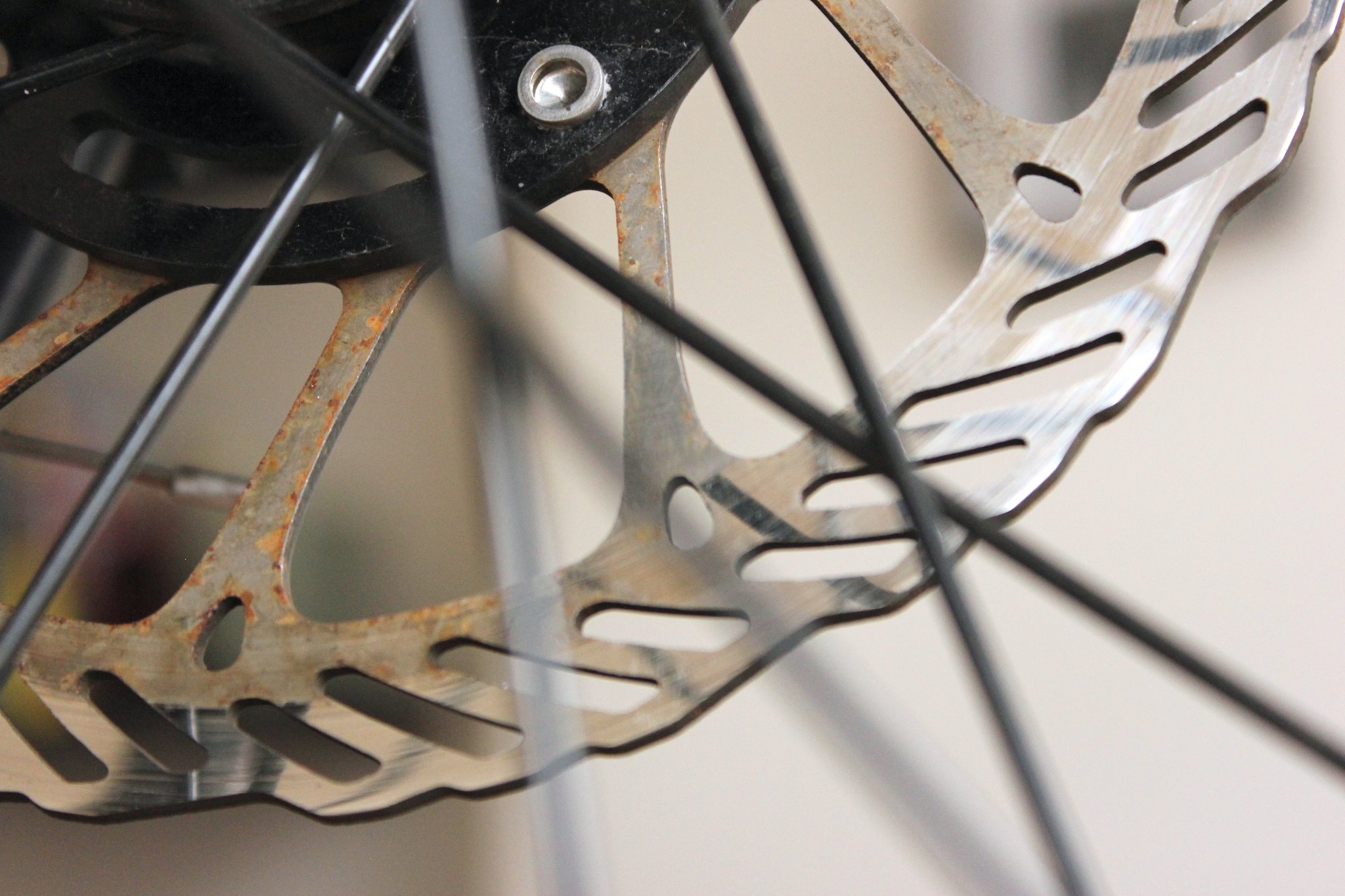
Credit: bikeshed.johnhoogstrate.nl
Preventing Future Rust Formation
Preventing rust on disk brake rotors helps keep your vehicle safe and efficient. Rust can reduce braking power and cause noise. Taking simple steps stops rust from forming again. A clean rotor lasts longer and works better.
Regular Maintenance Tips
Check your rotors often for any signs of rust or dirt. Clean them with a soft brush and mild cleaner. Avoid using harsh chemicals that damage the metal. Ride your bike or drive your car regularly. This use helps keep the rotors dry and rust-free. Store your vehicle in a dry place. Moisture speeds up rust formation. Drying rotors after washing prevents rust spots.
Protective Coatings And Treatments
Apply a thin layer of anti-rust spray made for brake parts. These sprays create a barrier against moisture. Use high-temperature paint designed for rotors to protect the surface. Avoid coating the areas where brake pads touch. Some rotors come with factory rust-resistant coatings. Consider replacing old rotors with these for better protection. Regularly reapply treatments to maintain rust defense.
When To Replace Brake Rotors
Knowing when to replace brake rotors is key for safe driving. Rust can often be cleaned off, but some damage cannot be fixed. Rotors wear down over time from use and exposure to the elements. Understanding signs of severe damage helps you decide if replacement is necessary.
Signs Of Severe Damage
Deep grooves or cracks on the rotor surface show severe damage. Warped rotors cause vibration or shaking when braking. Rust that eats into the metal and cannot be removed means the rotor is weakened. Uneven wear patterns also suggest the rotor should be replaced. Thin rotors that do not meet the minimum thickness are unsafe to use.
Safety Considerations
Brake rotors play a crucial role in stopping your vehicle safely. Using damaged rotors increases stopping distance and reduces control. Replacing worn or damaged rotors ensures consistent brake performance. Never ignore symptoms like noise or vibration when braking. Proper rotor condition helps prevent accidents and maintains vehicle safety.
Frequently Asked Questions
How Do I Safely Remove Rust From Brake Rotors?
Use a wire brush or sandpaper to scrub the rust gently. Clean with brake cleaner and dry thoroughly before use.
Can Rust On Rotors Affect Braking Performance?
Yes, rust can reduce braking efficiency and cause noise. Removing rust ensures smooth braking and extends rotor life.
Is It Necessary To Replace Rusted Brake Rotors?
Minor surface rust can be removed. Replace rotors if rust is deep or causes uneven braking.
What Materials Help Remove Rust From Disk Rotors?
Common rust removers include brake cleaner, vinegar, baking soda paste, and fine sandpaper or wire brush.
Conclusion
Rust on disk brake rotors can cause problems and reduce safety. Cleaning rust helps your brakes work better and last longer. Use simple tools like sandpaper and brake cleaner to remove rust. Regular checks keep your rotors smooth and safe.
Taking care of rotors saves money and avoids bigger repairs. Keep your brakes clean for a safer, smoother ride every time. Rust removal is easy with the right steps and tools. Don’t ignore rust—it affects your car’s braking power. Stay safe by maintaining your brake rotors well.