

You just got a brand-new car, and its shiny paint is turning heads everywhere you go. Naturally, you want to protect that fresh finish and keep it looking flawless.
But how soon can you wax new car paint without causing damage? Waxing too early might harm the surface, while waiting too long could leave it unprotected. You’ll discover the perfect timing and expert tips to ensure your car’s paint stays vibrant and smooth for years to come.
Keep reading to unlock the secrets every new car owner needs to know!
Curing Time For New Paint
New car paint needs time to fully cure before waxing. Curing means the paint hardens and bonds well to the car surface. Waxing too soon can damage the paint or leave uneven spots. Understanding curing time helps protect your car’s finish and keeps it shiny longer.
Factory Paint Vs. Repainted Surfaces
Factory paint is applied in a controlled environment. It usually cures faster and better than repaint jobs. New cars with factory paint often need less time before waxing. Repainted surfaces vary depending on the paint type and conditions. They may need more time to dry and harden. Checking the paint type helps decide the right waxing time.
Impact Of Paint Type On Curing
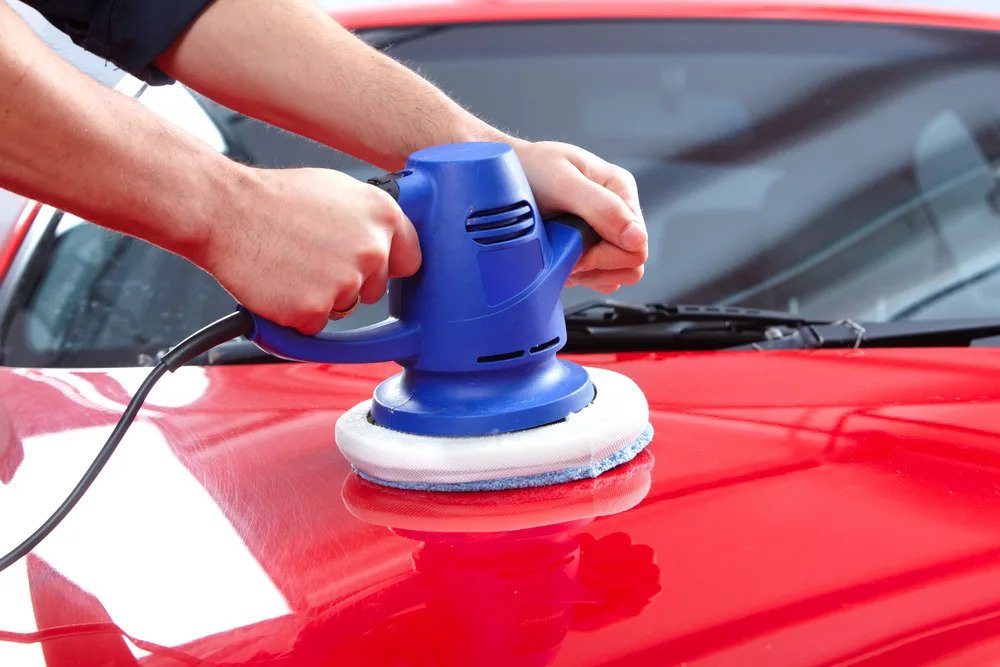
Different paints cure at different speeds. Acrylic paints dry fast but may take longer to fully cure. Urethane paints are common and offer strong, long-lasting protection. They need more time to harden before waxing. Some paints require weeks to cure completely. Knowing your paint type helps avoid waxing too early.
Credit: ethoscarcare.com
Why Timing Matters
Timing plays a key role in waxing new car paint. Waxing too soon can harm the finish. Waiting the right amount of time helps protect your car’s look. Understanding why timing matters keeps your car shiny and safe.
Risks Of Waxing Too Early
New paint needs time to harden. Waxing too early traps moisture under the wax. This can cause paint damage and spots. Wax may not stick properly to fresh paint. Early waxing can ruin the smooth finish. It might also lead to fading or peeling.
Benefits Of Waiting
Waiting lets the paint cure fully. The surface becomes stronger and more durable. Wax bonds better to cured paint. This gives longer-lasting shine and protection. Waiting reduces risks of damage and defects. Your car stays bright and smooth for longer.
Recommended Waiting Periods
Knowing the right time to wax new car paint helps keep the finish smooth and shiny. Waxing too soon can harm the paint, while waiting too long might miss protection benefits. Follow the recommended waiting periods for the best results.
General Guidelines
Most experts say to wait at least 30 days after painting before waxing. This allows the paint to fully cure and harden. Fresh paint needs time to settle and bond with the car’s surface. Waxing too early can trap solvents and cause damage.
Some car manufacturers suggest waiting up to 90 days, especially for factory paint jobs. This extra time ensures all layers dry completely. Check your car’s manual or paint instructions for specific advice.
Factors That Affect Timing
Paint type affects how soon you can wax. Acrylic and enamel paints may need longer curing times than modern urethane paints. Temperature and humidity also play roles. Warm, dry conditions speed up curing, while cold or wet slows it down.
Professional paint jobs often cure faster because of controlled environments. DIY or spray paint jobs may require longer wait times. Always test a small area before waxing the whole car.
Signs Your Paint Is Ready
Knowing when your new car paint is ready for waxing is important. Waxing too soon can damage the paint. Waiting too long means missing the chance to protect it early. Watch for clear signs that your paint has cured and can handle wax.
Visual Indicators
Check the paint’s shine. It should look smooth and even. Dull or cloudy spots mean the paint is still curing. Look for any sticky or wet areas. These show the paint has not dried fully. A fully cured paint looks rich and consistent in color.
Touch And Feel Tests
Gently touch the painted surface. It should feel hard and smooth, not soft or tacky. If your finger leaves a mark, the paint is not ready. Try a small, hidden spot first. A dry and firm feel means you can wax safely.
Choosing The Right Wax
Wax protects your car’s paint and makes it shine. Choosing the right wax is important, especially for new paint. The wrong wax can damage the fresh surface or leave poor results. The right wax will enhance the color and protect the finish. It also lasts longer and makes cleaning easier.
Consider the type of wax and its ingredients. Some waxes work better on new paint than others. Learn about different wax types and which formulations suit new paint best. This helps you keep your car looking great and safe from damage.
Types Of Car Wax
Car wax comes in three main types: natural, synthetic, and hybrid. Natural wax, like carnauba, gives a deep shine. It is safe for new paint but may not last long. Synthetic wax lasts longer and protects better. It can sometimes be harder to apply on new paint. Hybrid wax blends natural and synthetic parts. It offers good shine and decent protection. Choose a type based on how often you want to wax and the look you want.
Wax Formulations Suitable For New Paint
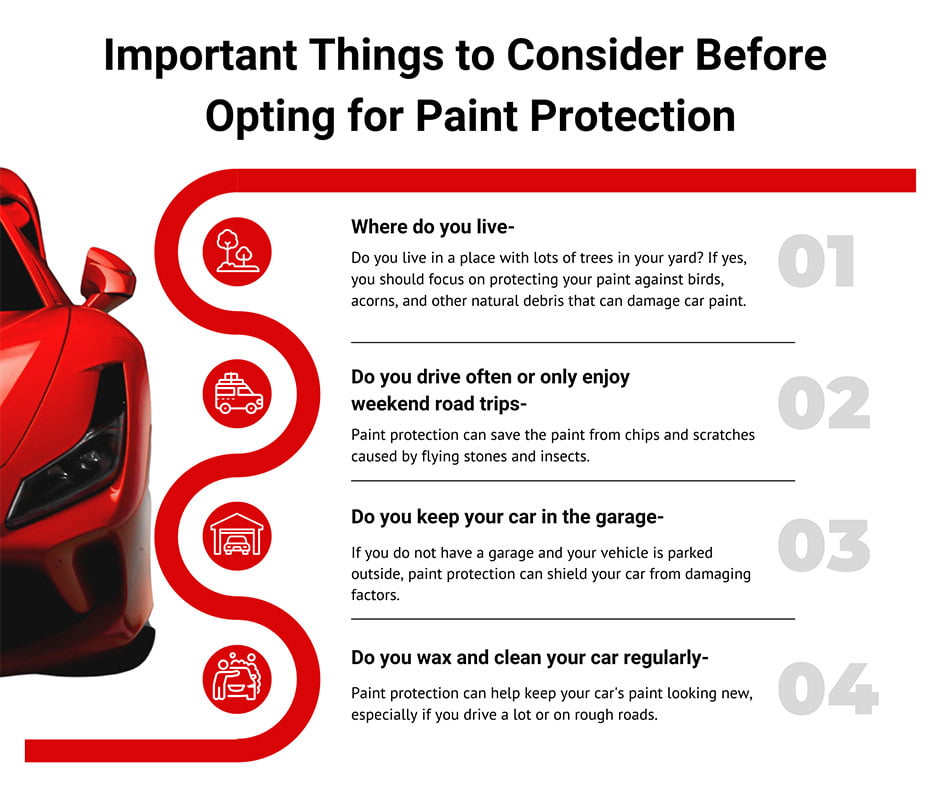
New paint needs gentle wax with safe ingredients. Look for waxes made for delicate or fresh paint surfaces. Avoid abrasive waxes or those with harsh chemicals. These can harm the new paint or cause swirl marks. Water-based waxes are gentle and easy to apply. They dry fast and leave a smooth finish. Paste waxes protect well but need careful application. Liquid waxes spread easily and are good for beginners. Test a small area first to ensure no damage.
Credit: waxmanoftristate.com
Waxing Process For New Paint
Waxing new car paint helps protect its shine and surface. It adds a layer that guards against dirt and small scratches. The process needs care to keep the paint looking fresh and smooth. Follow simple steps to wax your new car paint safely and effectively.
Preparation Steps
Start by washing the car with mild soap and water. Dry the surface completely with a soft cloth. Check for any dust or grease spots. Use a clay bar to remove stuck particles if needed. Ensure the paint is cool and out of direct sunlight.
Application Tips
Apply wax in small sections for better control. Use a soft foam applicator or microfiber pad. Spread the wax evenly using circular motions. Let the wax dry to a haze before buffing. Use a clean microfiber towel to buff gently. Avoid pressing too hard to protect the paint.
Post-wax Care
Keep the car away from rain and dust for a few hours. Wash the car regularly with gentle soap to maintain shine. Avoid harsh chemicals or abrasive cloths on the waxed surface. Reapply wax every few months to keep the paint safe. Store wax products in a cool, dry place for next use.
Alternatives To Waxing Early
Waxing a new car paint too soon can harm the finish. Paint needs time to fully cure before waxing. Fortunately, there are other ways to protect your car’s paint early on. These alternatives provide good protection without risking damage.
Sealants And Coatings
Sealants and coatings last longer than wax. They create a strong barrier on the paint. Sealants are synthetic and protect from dirt and UV rays. Coatings, like ceramic, offer even tougher protection. They bond tightly with the paint surface. This keeps the paint safe during the curing phase. Sealants and coatings also make cleaning easier. They keep your car looking shiny without waxing often.
Temporary Protection Options
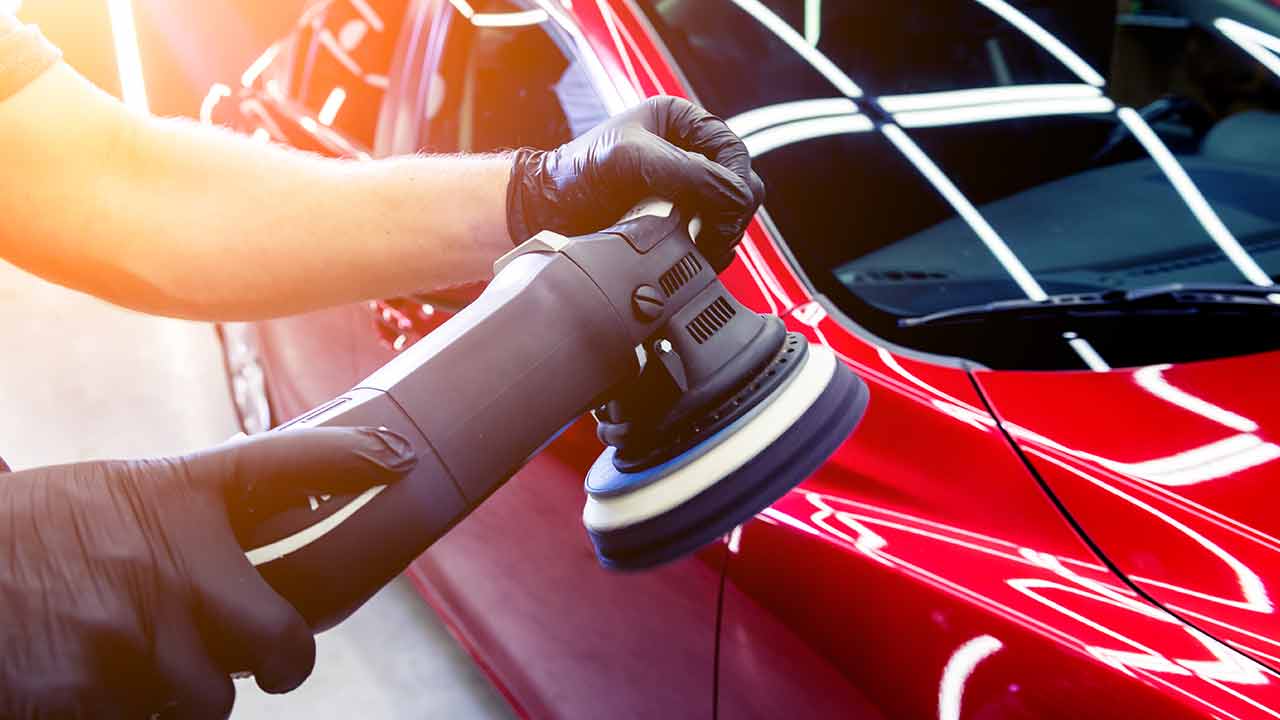
Temporary options are great for early protection. Paint protection films (PPF) shield against scratches and chips. They are clear and nearly invisible. Wash and dry your car regularly to keep dirt off. Quick detail sprays add a light protective layer. These sprays help remove dust and fingerprints. They are safe for fresh paint. Temporary options protect paint until waxing is safe.
Credit: surfnshine.com
Common Mistakes To Avoid
Waxing new car paint requires care. Many car owners rush the process and make mistakes. These mistakes can harm the paint or reduce the wax’s effect. Avoid these common errors to keep your car shiny and protected longer.
Using Harsh Chemicals
Harsh chemicals can damage new paint. Some cleaners contain strong acids or solvents. These can strip away the paint’s protective layer. Use gentle, car-specific products instead. Always test a small area first. This helps avoid unwanted paint damage.
Ignoring Manufacturer Recommendations
Car makers provide important guidelines. They specify when waxing is safe after painting. Ignoring these can cause problems. Waxing too soon may trap solvents or moisture. This leads to paint bubbling or peeling. Follow the instructions for best results.
Frequently Asked Questions
How Long Should I Wait To Wax New Car Paint?
Wait at least 30 days before waxing new car paint. This allows the paint to fully cure and harden. Waxing too soon can trap solvents and damage the finish. Always check your car’s manual for specific curing times.
Can Waxing New Paint Cause Damage?
Yes, waxing new paint too soon can cause damage. It may trap solvents and moisture under the wax layer. This can lead to dullness or paint bubbling. Always wait for proper curing before applying wax for best protection.
What’s The Best Wax For New Car Paint?
Use a gentle, non-abrasive wax for new car paint. Carnauba wax or synthetic sealants are ideal choices. They offer protection without harming the fresh paint. Avoid harsh compounds or polishes until the paint fully cures.
How Often Should I Wax A New Car?
Wax a new car every 3-4 months after the initial curing period. Regular waxing protects the paint and enhances shine. Over-waxing too soon can damage the surface, so follow recommended intervals for the best results.
Conclusion
Waxing new car paint needs care and patience. Wait at least 30 days before waxing. This allows the paint to fully cure and harden. Applying wax too soon can cause damage or uneven shine. Use a gentle wax made for new paint.
Regular waxing keeps your car looking fresh and protected. Remember, good timing helps your car stay beautiful longer. Take time to care for your new paint. Your car will thank you with a bright, smooth finish.


