

You’ve just peeled off a sticker from your car, but now there’s that annoying sticky residue left behind. It’s frustrating, right?
You want your car’s surface to look clean and flawless, not covered in stubborn glue marks. The good news is, removing sticker residue doesn’t have to be a headache. You’ll discover simple, effective methods to get rid of that sticky mess quickly—without damaging your car’s paint.
Keep reading, and you’ll learn exactly what to do to make your car shine like new again.
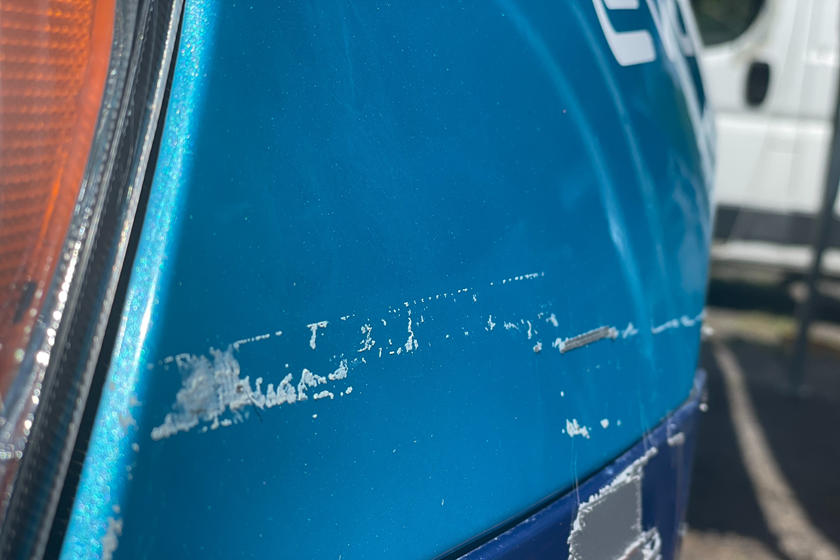
Credit: zappysautowashes.com
Prepare The Surface
Preparing the surface is the first step to removing sticker residue from your car. A clean and ready area helps the removal process work better. It prevents damage to your car’s paint and makes cleaning easier. Follow simple steps to prepare the surface properly before tackling the sticky mess.
Clean The Area
Start by washing the area around the sticker residue. Use mild soap and water for this task. Dirt and dust can scratch your car’s paint during cleaning. Gently wipe the surface with a soft cloth or sponge. Dry the area with a clean towel. A clean surface ensures the removal products work well.
Gather Necessary Tools
Collect all needed tools before starting. Common items include a plastic scraper, microfiber cloths, and a gentle adhesive remover. Avoid metal tools that can scratch paint. Have warm water and soap ready for extra cleaning. Preparing your tools saves time and keeps the process smooth.
Use Heat For Softening
Using heat is a simple way to soften sticker residue on a car. Heat breaks down the adhesive, making it easier to remove without scraping hard. This method protects the paint and saves time. Warm air helps loosen the sticky glue gently.
Apply Warm Air With A Hairdryer
Hold a hairdryer a few inches from the sticker residue. Use the warm setting, not hot. Move the hairdryer in small circles over the area. Heat the residue for about 30 seconds. The adhesive will start to soften and become tacky. This makes it easier to wipe or peel off.
Test Temperature To Avoid Damage
Test the hairdryer on a small spot first. Make sure the car paint does not get too hot. If the paint feels too warm or changes color, stop immediately. Use a lower heat setting or move the hairdryer farther away. Protecting the paint is important while removing residue.
Apply Adhesive Removers
Removing sticker residue from a car can be tough. Sticky glue often stays after peeling off stickers. Applying adhesive removers helps get rid of this residue quickly. These products break down the glue, making it easier to clean the surface. Using the right remover and applying it carefully prevents damage to the car’s paint.
Choose The Right Product
Select an adhesive remover made for car surfaces. Some products are too strong and can harm paint. Look for gentle formulas that dissolve glue without scratching. Citrus-based removers are popular and safe for most cars. Test a small hidden area first to check for any reaction. Avoid harsh chemicals like acetone or paint thinner on your vehicle.
Safe Application Techniques
Apply the remover with a soft cloth or sponge. Dab it gently on the sticky area. Let it sit a few minutes to loosen the residue. Do not rub hard, as this may damage paint. Wipe the residue away with a clean cloth. Rinse the area with water and dry it well. Repeat the process if residue remains, always using gentle motions.
Try Household Solutions
Sticker residue on a car can be stubborn. Many household items can help remove it safely. These solutions are easy to find and gentle on your car’s paint.
Use Vinegar Or Rubbing Alcohol
Vinegar and rubbing alcohol are great for softening sticky residue. Soak a cloth with either liquid. Press it on the residue for a few minutes. The sticky part will loosen and come off easily. Wipe the area clean with a dry cloth afterward. These liquids also clean the surface well.
Apply Cooking Oil Or Peanut Butter
Cooking oil and peanut butter contain oils that break down glue. Spread a small amount on the residue. Let it sit for 10 to 15 minutes. Then, rub gently with a soft cloth. The residue will start to lift away. Clean the area with soap and water to remove any leftover oil.
Scrape Residue Gently
Scraping sticker residue gently is key to protect your car’s paint. Rushing or using hard tools can cause damage. Patience and care make the task easier and safer for your vehicle’s surface.
Use the right tools and techniques to remove residue without scratching or harming the paint.
Use Plastic Scrapers Or Credit Cards
Plastic scrapers or old credit cards work well to lift sticky residue. They are firm enough to remove glue but soft enough to avoid scratching. Avoid metal tools that can easily cut into the paint. Slide the scraper slowly under the residue. Lift gently to peel it off step by step.
Avoid Scratching The Paint
Scratching damages the car’s finish and reduces its value. Always use a soft tool like a plastic scraper. Never force the scraper if the residue is hard to remove. Instead, soften the glue with warm soapy water or a gentle adhesive remover. Keep the surface wet and scrape carefully. Take breaks to check your progress and avoid pressing too hard.

Credit: www.youtube.com
Clean And Protect The Surface
After removing sticker residue from your car, cleaning and protecting the surface is important. This step keeps your car’s paint safe and looking fresh. Dirt and leftover adhesive can harm the paint over time. Proper care helps maintain your car’s shine and value.
Wash With Soap And Water
Start by washing the area with soap and water. Use a soft cloth or sponge to avoid scratches. Clean gently to remove dirt and any small residue bits. Rinse well with clean water. Dry the surface with a microfiber towel to prevent water spots.
Apply Car Wax Or Sealant
After washing, apply car wax or sealant to protect the paint. Use a small amount and spread it evenly with a clean cloth. Wax adds a protective layer against dirt and sun damage. Sealant lasts longer and creates a strong barrier. Let it dry, then buff lightly for a smooth shine.
Prevent Future Sticker Residue
Preventing sticker residue on your car saves time and keeps the paint clean. Taking simple steps helps avoid sticky messes later. Protect your car’s surface by choosing the right stickers and removing them soon after use.
Choose Removable Stickers
Pick stickers made for easy removal. These stickers use gentle glue that won’t harm paint. They peel off cleanly without leaving residue behind. Avoid permanent or heavy adhesive stickers. These stick strongly and leave marks on your car.
Remove Stickers Promptly
Remove stickers as soon as possible. The longer a sticker stays, the harder it is to take off. Heat from the sun makes glue stick tighter. Early removal reduces residue and damage. Use warm water or mild soap to loosen adhesive before peeling.

Credit: www.youtube.com
Frequently Asked Questions
How Do I Safely Remove Sticker Residue From My Car?
Use warm soapy water and a soft cloth to loosen residue. Apply rubbing alcohol or adhesive remover gently. Avoid harsh scrubbing to protect paint. Finish by rinsing and drying the area thoroughly.
What Household Items Remove Car Sticker Residue Effectively?
Common items like vinegar, baking soda, and olive oil work well. Apply them to residue and let sit for a few minutes. Then, wipe gently with a cloth. These natural solutions are safe for car paint.
Can Heat Help Remove Sticker Residue On Cars?
Yes, heat softens adhesive making residue easier to remove. Use a hairdryer on low heat near residue for a minute. Then, gently peel or wipe off the softened residue with a cloth.
Is It Safe To Use Commercial Adhesive Removers On Cars?
Most commercial removers are safe if used as directed. Test on a small, hidden area first to check for damage. Apply remover sparingly and avoid prolonged contact with car paint.
Conclusion
Removing sticker residue from your car does not need to be hard. Use gentle methods first to protect your paint. Warm soapy water, rubbing alcohol, or oil can help. Take your time and be patient with the process. Avoid strong chemicals that can damage your car’s surface.
Clean the area well after removing the residue. Regular care keeps your car looking fresh and neat. Remember, small efforts bring great results. Now your car can shine without any sticky marks.


