
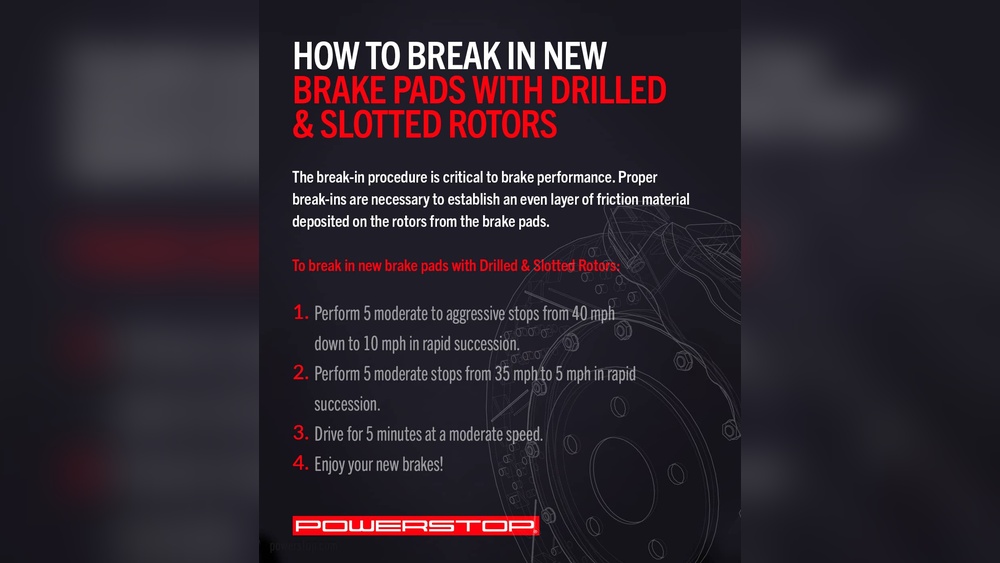
You just installed new brake pads and rotors, and you want to make sure they work perfectly. But did you know that how you break them in can make all the difference?
Bedding in your brakes the right way helps you get the best performance, longer life, and safer stops. If you skip this important step, you could face uneven wear, noise, or even reduced braking power. You’ll learn simple, step-by-step tips to properly bed in your new brake pads and rotors.
Keep reading to make sure your brakes deliver the smooth, reliable stopping power you expect every time you hit the road.
Importance Of Bedding New Brake Pads And Rotors
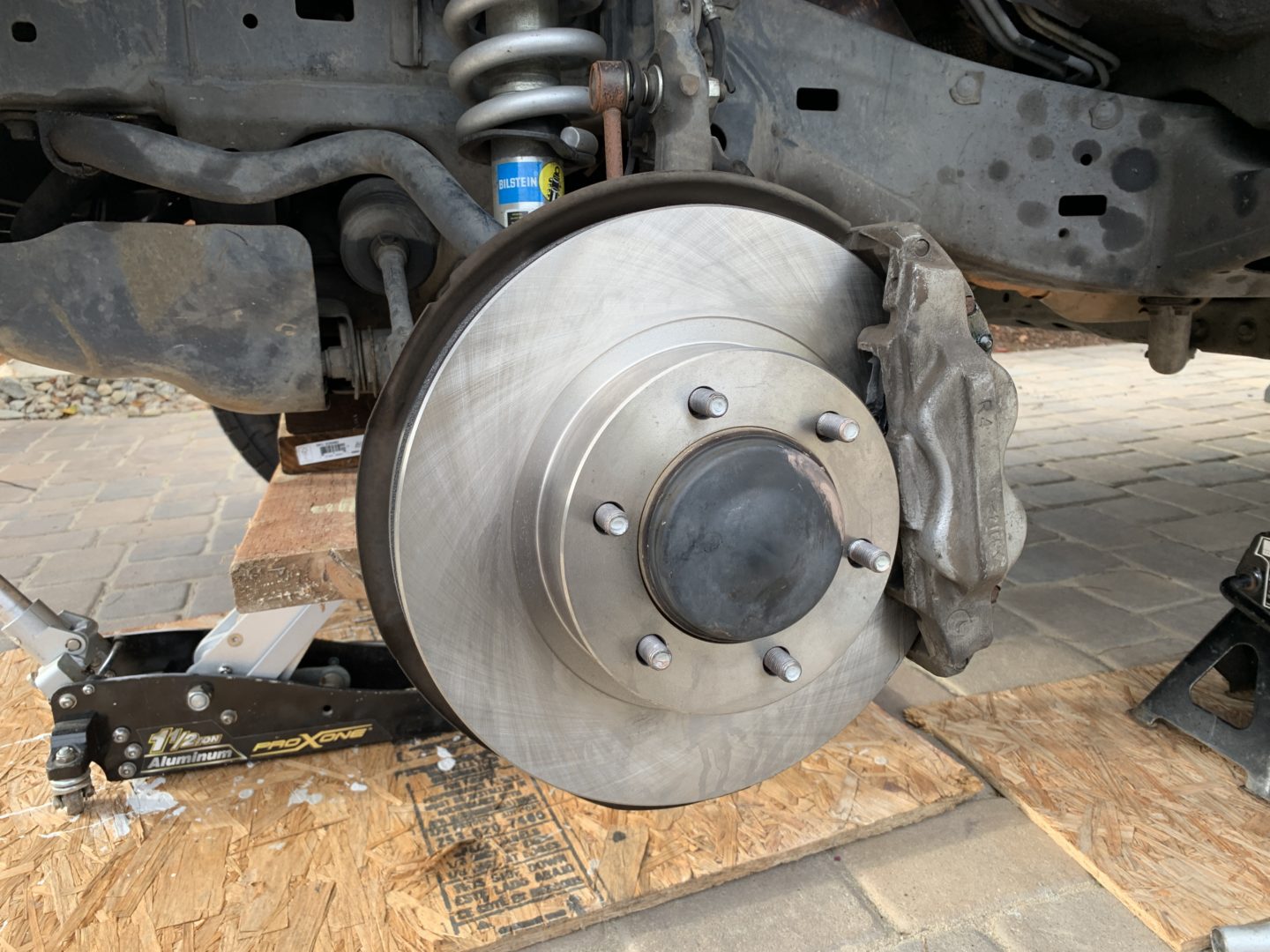
Bedding new brake pads and rotors is a key step after installation. It helps the brakes work well and last longer. This process creates a smooth, even surface on both parts. Proper bedding reduces noise and improves stopping power. Skipping this step can cause poor brake performance and early wear.
Bedding also helps the brake pads and rotors to match perfectly. This match is important for safety and comfort during driving. It ensures the brakes respond quickly and smoothly each time you press the pedal.
What Happens During Bedding
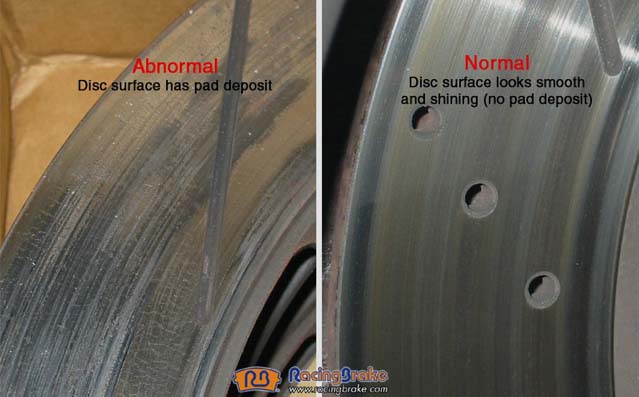
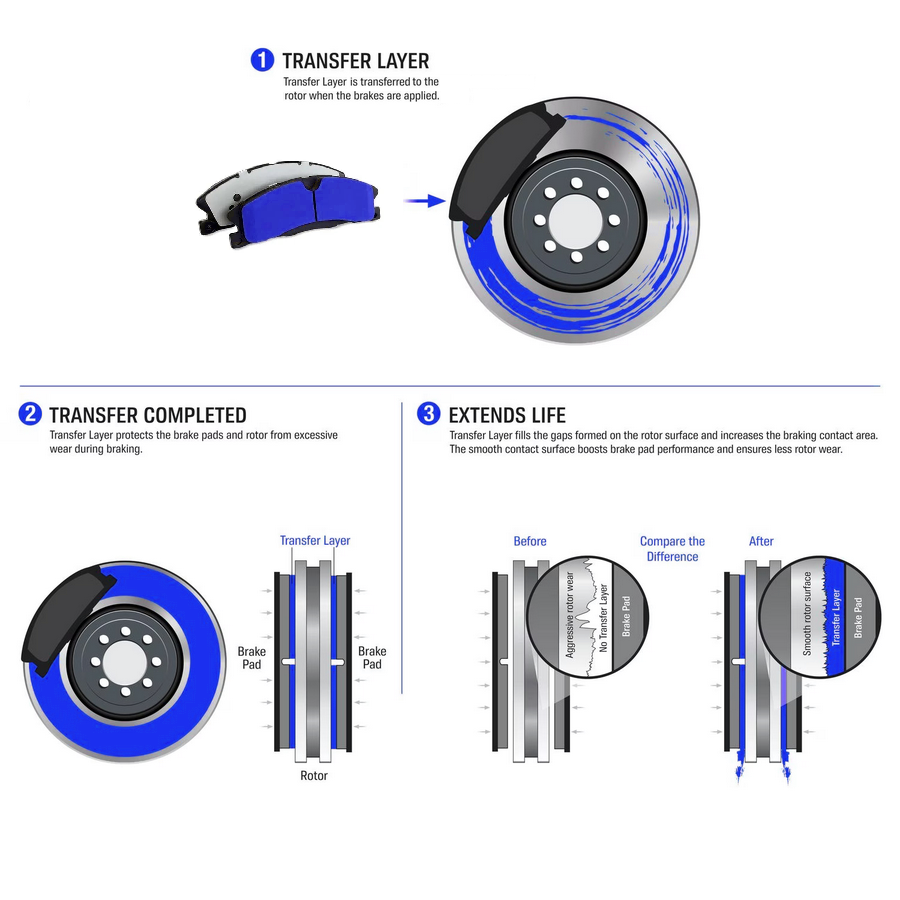
During bedding, the brake pads heat up and deposit a thin layer on the rotors. This layer helps the pads grip the rotor better. It stops uneven wear and brake vibration. The heat also removes any surface oils or dust from manufacturing.
Benefits Of Bedding New Brakes
Bedding improves brake performance by increasing friction between parts. It lowers the chance of brake fade during hard stops. The process also reduces noise and brake dust. Overall, it makes braking safer and more reliable.
Signs Of Poor Bedding
Poorly bedded brakes can cause squealing or grinding sounds. You may feel vibrations or pulsing in the brake pedal. The stopping distance might increase, making driving unsafe. Uneven rotor wear can also happen, leading to costly repairs.
Credit: thetrackahead.com
Signs You Need To Bed Your Brakes
New brake pads and rotors need a special process called bedding. Bedding helps the brakes work better and last longer. It also stops noise and uneven wear.
Some signs show that your new brakes need bedding. Knowing these signs helps you keep your car safe and your brakes smooth.
Uneven Or Noisy Braking
New brakes may make strange sounds. Squeaking or grinding noises can mean the pads are not settled. This happens when the pads and rotors do not touch evenly.
Vibration Or Pulsing In The Brake Pedal
Feeling vibrations or pulsing when pressing the brake pedal is a warning. It means the brake pads are not properly bedded. This can cause uneven contact with the rotor.
Longer Stopping Distances
New brakes should stop your car quickly. If stopping takes longer than usual, bedding might be the cause. Proper bedding improves grip and braking power.
Burning Smell After Braking
A burning smell after using the brakes can mean the pads are overheating. This happens when the pads and rotors are not bedding correctly. It needs quick attention to avoid damage.
Brake Dust Build-up
Excess brake dust on wheels can appear soon after new brakes are installed. This dust may mean the pads are not wearing evenly. Bedding helps reduce this dust over time.
Tools And Materials Required
Preparing to bed in new brake pads and rotors requires specific tools and materials. Having everything ready makes the process smooth and safe. It also helps the brakes work better and last longer.
Gather these items before starting. Each one plays a key role in the bedding procedure.
Brake Pads And Rotors
New brake pads and rotors are the main parts. Make sure they match your vehicle model. Using the correct parts ensures proper fit and performance.
Jack And Jack Stands
A jack lifts your vehicle off the ground. Jack stands hold it securely in place. Never work under a car supported only by a jack.
Lug Wrench
This tool removes and tightens wheel lug nuts. It allows you to take off the wheels easily. A cross-shaped lug wrench offers better grip and leverage.
Brake Cleaner
Brake cleaner removes dust and grease from rotors and pads. Clean surfaces improve braking and reduce noise. Use it generously and let parts dry fully.
Gloves And Safety Glasses
Protect your hands and eyes during the job. Gloves keep dirt and chemicals off your skin. Safety glasses prevent debris from entering your eyes.
Test Drive Area
Choose a safe, open space for the bedding process. It should have light traffic and smooth pavement. This area lets you perform brake tests safely.
Credit: www.cquence.net
Preparing Your Vehicle For Bedding
Preparing your vehicle before bedding new brake pads and rotors is important. It helps the brakes work well and last longer. Taking time to check your brake system can prevent problems during the bedding process. A few simple steps can make a big difference.
Check Brake Fluid
Start by checking the brake fluid level in the master cylinder. Low fluid can cause poor brake performance. Make sure the fluid is clean and at the right level. Old or dirty fluid should be replaced before you begin bedding. Proper brake fluid helps the brake system work smoothly and safely.
Inspect Brake Components
Look over all brake parts closely. Check the brake lines for cracks or leaks. Make sure the calipers move freely and are not stuck. Examine the old pads and rotors for unusual wear or damage. Replace any worn or damaged parts before installing new ones. Clean the hub surface to ensure the new rotors fit well. Proper inspection keeps your brakes reliable and safe during bedding.
Step-by-step Bedding Process
Bedding new brake pads and rotors is important for safe driving. This process helps the brakes work well and last longer. Following the right steps will avoid uneven wear and noise. The bedding process is simple but needs care and attention. Here is a clear guide to help you bed your new brakes correctly.
Initial Brake Application
Start by driving at a low speed, around 20-30 mph. Gently press the brake pedal to slow down. Do this five to ten times. Avoid stopping completely between these brakes. This helps the pads and rotors start to work together. Press the brake smoothly, not hard. This step warms the brakes evenly.
Repeated Braking Cycles
Next, increase your speed to about 40-50 mph. Brake harder but do not stop fully. Repeat this 8 to 10 times. This step builds heat and transfers pad material to the rotor. The heat must rise slowly to avoid damage. Keep the brakes cool by driving without braking between stops.
Cooling Periods
After the braking cycles, drive without braking for at least 5 minutes. This lets the brakes cool down safely. Cooling stops the pads and rotors from warping. Avoid parking the car immediately after hard braking. Give the brakes time to return to normal temperature. This step finishes the bedding process well.
Common Mistakes To Avoid
Installing new brake pads and rotors requires care. Avoiding common mistakes can save time and money. Proper bedding improves brake performance and safety. Understanding these errors helps protect your vehicle.
Not Cleaning New Rotors Properly
New rotors often have a protective coating. This coating can reduce friction. Clean rotors with brake cleaner before installation. Skipping this step causes poor braking and noise.
Riding The Brakes During Bedding
Keep your foot off the brake pedal when not braking. Constant light pressure causes uneven pad wear. Brake gently and release fully between stops. This helps pads and rotors bed evenly.
Using Harsh Or Sudden Braking
Heavy braking heats parts too fast. Sudden stops can warp rotors. Gradual braking lets pads and rotors heat evenly. This process ensures better contact and longer life.
Failing To Follow Bedding Procedure
Each brake pad type has a specific bedding process. Ignoring instructions leads to poor performance. Follow manufacturer steps for best results. This step is crucial for safety.
Skipping Initial Test Drives
Test drives confirm the bedding process worked. Avoid long drives without testing brakes first. Short stops help monitor brake feel and noise. Early detection of issues prevents accidents.
Safety Tips During Bedding
Bedding new brake pads and rotors is a critical step. It helps your brakes work better and last longer. Safety during this process is very important. Careless bedding can cause accidents or damage to parts. Follow these safety tips to protect yourself and your vehicle.
Check Your Surroundings
Choose a quiet, empty road for bedding. Avoid busy streets or areas with many stops. Clear space reduces risk of collisions. Watch for pedestrians and other cars. Safety begins with a good location.
Wear Protective Gear
Use gloves to protect your hands. Brake dust can irritate skin. Safety glasses keep dust and debris out of your eyes. Dress in long sleeves to avoid scratches or burns. Protect yourself before starting.
Drive Smoothly
Avoid sudden stops or sharp turns. Apply brakes gently but firmly. This helps pads and rotors wear evenly. Smooth driving prevents damage and ensures proper bedding. Your safety and brake performance improve together.
Keep A Safe Speed
Do not exceed moderate speeds during bedding. High speeds increase heat and risk of loss of control. Follow recommended speed guidelines from the brake manufacturer. Safe speeds protect you and your brakes.
Monitor Brake Performance
Pay attention to how brakes feel. Unusual noises or vibrations signal problems. Stop and inspect brakes if you notice issues. Early detection prevents accidents and costly repairs. Stay alert to keep control.
Credit: www.brakes-shop.com
How Bedding Affects Brake Performance
Bedding new brake pads and rotors is a key step for good brake performance. It helps the brake parts work together smoothly. Proper bedding creates a strong bond between pads and rotors. This bond improves stopping power and safety.
Without bedding, brakes may feel weak or noisy. The brake surface can wear unevenly. This causes vibrations or poor braking. Correct bedding protects brake parts and makes them last longer.
What Happens During Bedding
Bedding heats the brake pads and rotors. This heat helps pads leave a thin layer on the rotor. This layer is needed for good grip. It also stops the brakes from squealing or shaking.
Improved Brake Response
Well-bedded brakes respond faster. The car stops quickly and smoothly. This helps avoid accidents. Drivers feel more confident with steady brakes.
Longer Brake Life
Bedding reduces uneven wear on brake parts. Pads and rotors last longer without damage. This saves money on repairs and replacements.
Preventing Brake Noise And Vibration
Bedding helps stop brake noise. It also stops shaking when braking. Smooth brakes make driving more comfortable and safe.
When To Seek Professional Help
Knowing when to seek professional help is key after installing new brake pads and rotors. Some problems need an expert’s touch for safety and proper function. Early action can prevent bigger, costly damage.
New brakes might feel different. Strange noises, vibrations, or poor stopping can signal issues. These signs require a closer look by a skilled mechanic. Don’t wait or ignore these warnings.
Signs Of Improper Bedding
Uneven wear or noise after bedding may mean the job wasn’t done right. Professionals check pad contact and rotor surface for perfect bedding. They fix problems that affect brake life and performance.
Unusual Brake Noises
Squealing, grinding, or clicking sounds are not normal. These noises can mean pads or rotors are damaged or installed wrong. A technician can diagnose and solve these issues safely.
Brake Pedal Feels Soft Or Spongy
If the brake pedal feels soft, it might mean air is in the brake lines. Professionals know how to bleed brakes properly. This restores firmness and ensures brakes work well.
Vibrations Or Pulling When Braking
Shaking or pulling to one side during braking can mean warped rotors or uneven pad wear. Experts use tools to measure and fix these problems. Smooth braking is essential for safety.
Uncertainty About The Bedding Process
Some might not feel confident bedding new brake parts. Professionals have the right tools and knowledge. They ensure brakes bed correctly and work as designed.
Frequently Asked Questions
What Does It Mean To Bed In Brake Pads And Rotors?
Bedding in brake pads and rotors means breaking them in properly. It ensures optimal contact and performance. This process improves braking efficiency and extends component life. Proper bedding reduces noise and prevents uneven wear.
How Long Should I Bed In New Brake Pads?
Typically, bed new brake pads for about 30 to 50 miles. Use gentle stops initially to avoid overheating. Gradually increase braking intensity to transfer pad material evenly. This helps create a smooth, effective braking surface.
Why Is Bedding Important For New Brake Rotors?
Bedding helps new rotors develop a smooth, even surface. It ensures proper pad material transfer, which improves grip. This reduces brake noise and vibrations. Proper bedding also prevents premature rotor warping and uneven wear.
Can I Drive Normally Immediately After Installing New Pads?
No, avoid heavy braking right after installation. Gradually brake to allow pads and rotors to bed correctly. Heavy braking too soon may cause uneven wear or brake fade. Follow bedding procedures for safety and longevity.
Conclusion
Properly bedding in new brake pads and rotors ensures safety. It helps your brakes work smoothly and last longer. Follow the steps carefully and take your time. Avoid hard stops during the first few miles. This process helps the parts wear evenly and perform well.
Your car will stop better and feel more reliable. Trust the process for safer driving every day. Keep checking your brakes regularly for best results. A little care now saves you trouble later.


