If you’ve just installed new brake rotors and pads, you might wonder what comes next. Simply driving off won’t give you the best performance or longest life from your brakes.
Knowing how to properly bed in your new rotors and pads can make a huge difference. It helps your brakes work smoothly, reduces noise, and keeps you safe on the road. You’ll discover easy steps to get your brakes ready so you can drive confidently.
Keep reading to learn exactly what you need to do for the best results.
Credit: www.reddit.com
Importance Of Bedding New Brake Components
New brake rotors and pads need a special break-in process. This process is called bedding. Bedding helps parts work better together. It makes sure the brakes last longer. It also keeps the brakes safe to use.
Without proper bedding, brakes may not perform well. They can wear out faster or make noise. Bedding new brake parts is a simple step. It improves how your vehicle stops and feels on the road.
Benefits For Performance And Safety
Bedding helps the brake pads and rotors fit perfectly. This fit improves the grip between parts. Better grip means stronger braking power. It also helps the brakes respond faster. Safety increases because the car stops smoothly and reliably.
Proper bedding reduces the chance of uneven wear. Even wear means the brakes last longer. This saves money on repairs and replacements. It also keeps the braking system in good shape.
Preventing Brake Fade And Noise
Bedding reduces brake fade, which is when brakes lose power. This happens if parts get too hot. Bedding helps spread heat evenly across the rotor. This stops parts from overheating quickly.
New brakes can also make noise without bedding. The bedding process creates a smooth surface on the rotor. This smoothness stops squeaking and grinding sounds. Quiet brakes make driving more comfortable and safe.
Tools And Materials Needed
Before you start bedding in new brake rotors and pads, gather the right tools and materials. Having everything ready makes the process smooth and safe. This section covers what you need to prepare your brakes properly.
Essential Equipment
First, get a quality jack and jack stands. These lift your vehicle safely off the ground. A lug wrench is necessary to remove the wheels. You will also need a torque wrench to tighten bolts to the correct level.
Brake cleaner helps remove dirt and grease from the rotors and pads. Clean rags or shop towels are useful for wiping surfaces. A small wire brush can clean rust or debris from the rotor hub.
Finally, a container of brake fluid is good to have nearby in case you need to top off the system. These tools make the bedding process efficient and reliable.
Safety Gear
Wear safety glasses to protect your eyes from dust and debris. Gloves keep your hands clean and safe from chemicals. Use a dust mask to avoid breathing brake dust.
Work in a well-ventilated area to reduce inhalation of fumes. Make sure your vehicle is stable on the jack stands before starting. Safety gear protects you during this important task.
Preparing Your Vehicle
Preparing your vehicle is the first step to properly bed in new brake rotors and pads. This ensures safety and improves brake performance. Taking time now helps avoid problems later.
Checking Brake System Condition
Start by inspecting the brake system. Look for leaks, worn hoses, or damaged parts. Make sure the brake fluid level is correct. Check for uneven wear on old pads. Fix any issues before installing new parts.
Cleaning New Rotors And Pads
New rotors and pads often have a protective coating. This coating can reduce friction. Clean rotors with brake cleaner and a clean cloth. Avoid touching the rotor surface with greasy hands. Wipe new pads gently to remove dust and oils. Clean parts help brakes work better and last longer.
Step-by-step Bedding Procedure
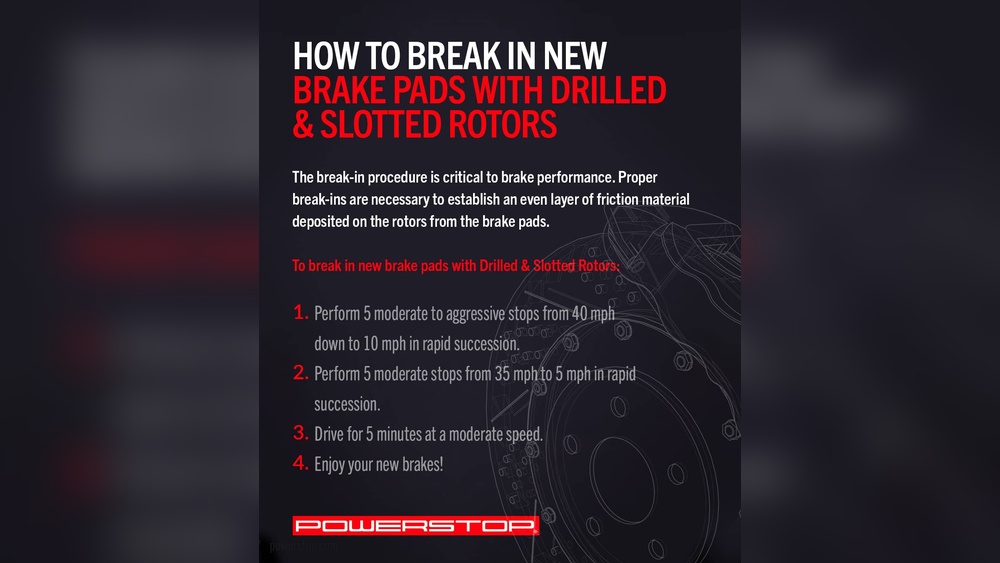
Bedding new brake rotors and pads is important for safe driving and long-lasting brakes. This process helps the brake pads and rotors work well together. Follow these steps carefully to get the best results. Proper bedding reduces brake noise and improves stopping power.
Initial Gentle Stops
Start with gentle stops to warm the brakes slowly. Drive at a low speed and press the brake pedal lightly. Make 5 to 10 stops from about 20 mph. Avoid hard braking during this phase. This helps the pads and rotors adjust without damage.
Progressive Braking Intensity
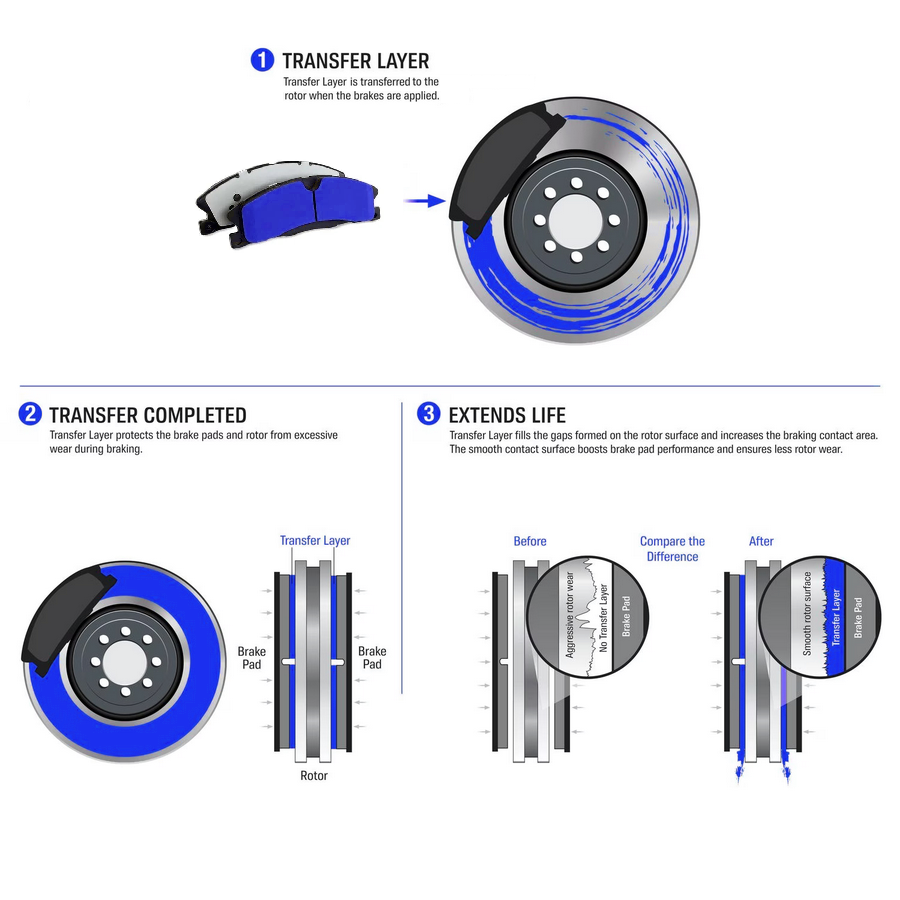
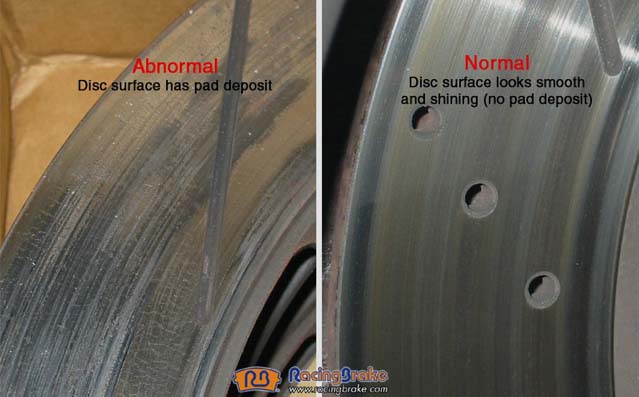
Next, increase the brake pressure gradually. Make 8 to 10 stops from 30 to 40 mph. Use medium brake force, not full stops. This step creates a smooth layer of pad material on the rotor. Avoid long or full stops to prevent uneven heating.
Cooling Periods
Allow the brakes to cool between stops. Drive at moderate speed without braking for 2 to 3 minutes. This prevents heat buildup that can damage parts. Repeat the cooling and braking cycle until the bedding process is complete. Proper cooling keeps your brakes in good shape.
Common Mistakes To Avoid
Bedding new brake rotors and pads is crucial for safety and performance. Avoiding common mistakes helps your brakes last longer and work better. This section highlights the main errors to watch out for.
Overheating Brakes
Pressing too hard or riding the brakes causes overheating. Heat damages the pads and rotors quickly. Overheated brakes lose stopping power and can warp the rotors. Let the brakes cool between stops. Drive gently during the bedding process to prevent heat buildup.
Incomplete Bedding Process
Stopping too few times prevents proper bedding. The pads need several stops to form a smooth layer on the rotors. Skipping steps or rushing leads to uneven wear and noise. Follow the full bedding routine for best results. Complete the required stops at moderate speeds without sudden braking.
Credit: www.brakes-shop.com
Signs Of Properly Bedded Brakes
Properly bedding new brake rotors and pads is key to safe driving. It means the parts fit well and work smoothly together. You will notice clear signs that show your brakes are correctly bedded. These signs help you trust your brakes every time you press the pedal.
Improved Brake Response
The brake pedal feels firm and steady. Your car stops quickly and smoothly. No delay happens between pressing the pedal and the car slowing down. This shows the pads and rotors grip well. The brakes work as they should, every time.
Reduced Noise And Vibration
Brakes make less noise, no squeaks or screeches. You feel no shaking or wobbling when braking. The ride stays calm and comfortable. This means the brake parts wear evenly and fit properly. Smooth braking means safer, more pleasant drives.
Maintaining Brakes After Bedding
Maintaining brakes after bedding is important for long brake life and safety. Bedding helps new rotors and pads work well together. After this process, care keeps brakes smooth and strong. Proper maintenance prevents early wear and brake noise. It also keeps stopping power steady. Simple steps help keep brakes in top shape.
Regular Inspections
Check brake pads and rotors often. Look for cracks, grooves, or uneven wear. Listen for unusual sounds like squeaking or grinding. These signs show problems early. Inspect brake fluid level too. Low fluid can reduce brake power. Clean dust and dirt from brake parts. Keep the brake system free from rust and debris. Early checks save money and keep brakes safe.
Proper Driving Habits
Drive smoothly to protect brakes. Avoid sudden stops unless needed. Slow down gradually to reduce brake stress. Do not ride the brake pedal while driving. Use engine braking on hills to ease brake use. Avoid overloading the vehicle. Heavy loads increase brake wear. Good habits extend brake life and keep you safer on the road.
Credit: www.cquence.net
Frequently Asked Questions
How Long Does It Take To Bed New Brake Rotors And Pads?
Bedding new brake rotors and pads usually takes about 30 to 60 minutes. This process helps ensure optimal braking performance and pad life.
Why Is Bedding New Brake Rotors And Pads Important?
Bedding transfers a layer of brake pad material onto the rotor surface. It improves braking efficiency, reduces noise, and prevents uneven pad wear.
What Is The Correct Procedure To Bed New Brake Pads?
Gradually apply moderate braking pressure repeatedly from 30 to 60 mph. Avoid sudden stops and let brakes cool between cycles to ensure proper bedding.
Can I Drive Normally Before Bedding New Brake Rotors And Pads?
No, avoid hard braking initially. Follow the bedding procedure to prevent glazing and ensure proper pad and rotor contact.
Conclusion
Bedding in new brake rotors and pads is key for safe driving. Follow the steps carefully to ensure proper contact. This process helps brakes work better and last longer. Avoid rushing; take your time to complete it well. Good bedding reduces noise and improves stopping power.
Remember, a smooth brake setup means safer trips ahead. Keep your brakes in top shape by doing this right. Simple care now saves you trouble later.