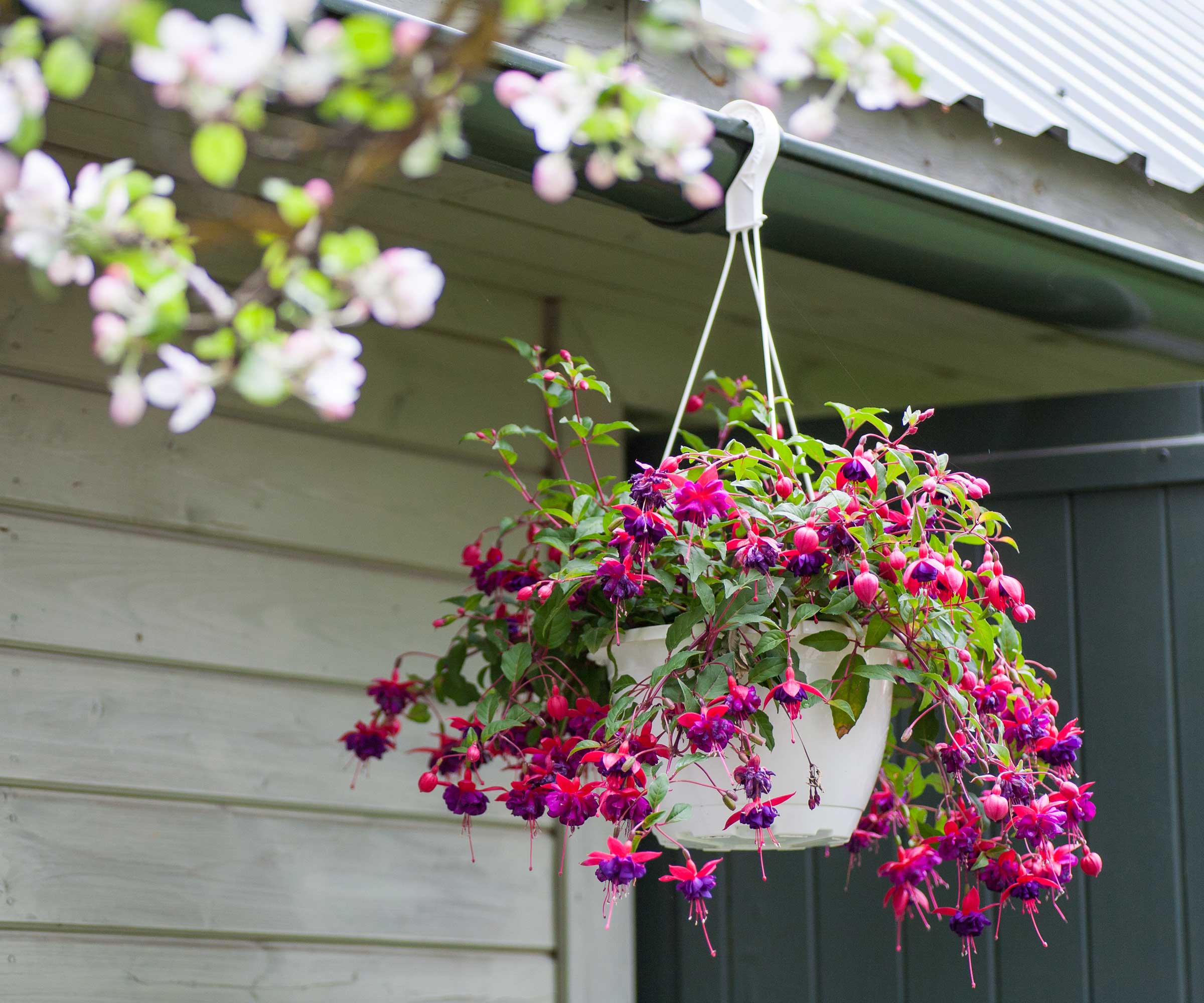
If you love vibrant colors and delicate blooms, a fuchsia hanging basket can brighten up any space. But keeping those beautiful flowers healthy and thriving takes a little know-how.
You might wonder how often to water, where to hang it, or how to keep pests away. This guide will give you simple, clear tips to make sure your fuchsia basket looks stunning all season long. Ready to become a pro at caring for your fuchsia?
Let’s dive in!
Credit: www.homesandgardens.com
Choosing The Right Fuchsia
Choosing the right fuchsia for your hanging basket is important. It affects how well the plant grows and looks. The right type can bloom longer and stay healthy with less care. Consider the size, shape, and color before buying.
Types Suitable For Hanging Baskets
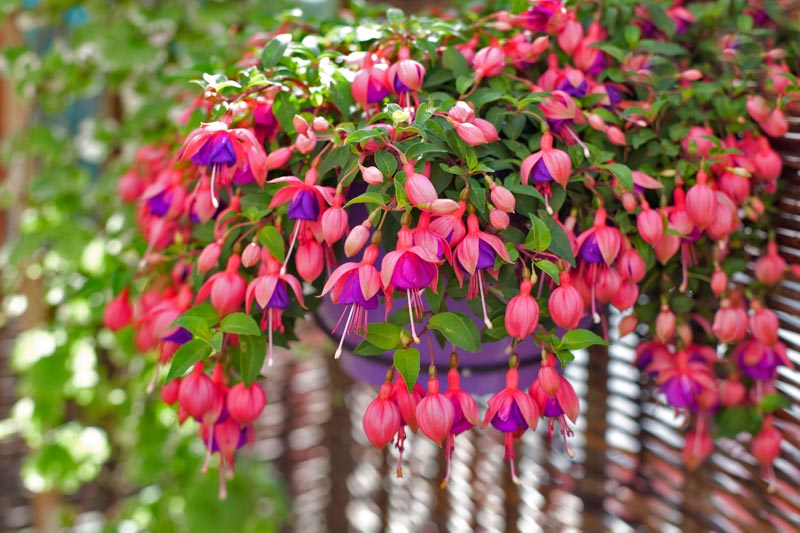
Fuchsias come in many types. Trailing or cascading types work best for hanging baskets. They spill over the sides and create a beautiful display. Popular choices include the “Swingtime,” “Dollar Princess,” and “Mrs. Popple.” These types grow well in containers and hang freely. Upright types do not hang well and are better for pots or garden beds.
Color And Bloom Varieties
Fuchsias offer many colors and bloom shapes. Colors range from pink, red, purple, white, to bi-color mixes. Some have bell-shaped flowers, while others have long, tubular blooms. Choose colors that match your garden or porch style. Bright colors attract hummingbirds and butterflies. Pick varieties with long blooming seasons to enjoy flowers for months.
Ideal Location And Light
Choosing the right spot for a fuchsia hanging basket is key to its health. The plant thrives best with balanced light. Too much sun can damage its leaves and flowers. Too little light will make it grow weak and leggy. Finding the right place ensures vibrant blooms and strong growth.
Finding The Perfect Shade
Fuchsias prefer a location with partial shade. Morning sun is gentle and good for them. Afternoon shade protects the plant from harsh heat. A spot under a tree or near a porch works well. The goal is bright but indirect light most of the day.
Avoiding Direct Harsh Sunlight
Direct midday sun can burn fuchsia leaves quickly. Their delicate flowers may wilt in strong sunlight. Avoid placing the basket where it gets full sun for hours. Too much heat stresses the plant and reduces blooming. Keep it cool and shaded during the hottest part of the day.
Watering Techniques
Watering is key for a healthy fuchsia hanging basket. These plants need just the right amount of water. Too much or too little can hurt their growth. Learn how to water properly to keep your fuchsia thriving and blooming beautifully.
Maintaining Consistent Moisture
Fuchsias like soil that stays evenly moist. Check the soil daily by touching it. Water when the top feels dry but avoid soggy soil. Use a watering can with a narrow spout to reach all roots. Water until it drains from the pot’s bottom holes. This ensures the entire root ball is wet.
Water more often during hot weather. Reduce watering in cooler months. Consistency helps the plant absorb nutrients well. Avoid letting the soil dry out completely between waterings.
Signs Of Overwatering And Underwatering
Overwatered fuchsias show yellow leaves and soft stems. The soil may smell musty or stay wet for days. Roots can rot if water pools at the bottom. If you see these signs, cut back on watering immediately.
Underwatered plants have wilted, dry, or brown leaves. Leaves may curl and drop off. The soil feels hard and pulls away from the pot edges. Increase watering to help the plant recover. Watch closely to prevent stress from water loss.

Credit: www.youtube.com
Feeding Your Fuchsia
Feeding your fuchsia hanging basket is key to keeping it healthy and blooming. Fuchsias need regular nutrients to grow strong and produce bright flowers. Without enough food, the plant may look weak and stop flowering. Proper feeding supports vibrant colors and lush leaves all season.
Best Fertilizers To Use
Choose a balanced fertilizer with equal parts nitrogen, phosphorus, and potassium. A 10-10-10 or 20-20-20 formula works well. Liquid fertilizers are easy to apply and absorbed quickly by the plant. Slow-release granules also provide steady nutrients over time. Look for fertilizers labeled for flowering plants to encourage blooms.
Feeding Schedule For Continuous Blooms
Feed your fuchsia every two weeks during the growing season. Start in early spring and continue until late summer. Use a diluted liquid fertilizer to avoid burning the roots. Stop feeding in fall as the plant enters dormancy. Regular feeding keeps flowers coming and maintains healthy growth.
Pruning And Deadheading
Pruning and deadheading are key to keeping your fuchsia hanging basket healthy. These tasks help the plant grow strong and bloom longer. Proper care makes your fuchsia look full and vibrant.
Regular pruning stops the plant from becoming leggy. Deadheading removes old flowers that waste energy. Both actions encourage new growth and more blooms.
Encouraging Bushy Growth
Trim back long, thin stems to make the plant bushier. Cut just above a leaf joint. This helps new branches grow out from the cut point.
Prune lightly every few weeks during the growing season. Avoid cutting too much at once. Healthy, bushy plants produce more flowers and look fuller.
Removing Spent Flowers
Pick off faded or wilted flowers by hand. This stops the plant from using energy on seed production. Removing old blooms also keeps the basket tidy.
Deadhead regularly to encourage continuous flowering. Use small scissors if needed to avoid damaging stems. Clean removal helps the plant focus on new buds.
Pest And Disease Control
Pest and disease control is key to keeping fuchsia hanging baskets healthy. Pests and diseases can damage leaves, flowers, and stems. Early detection helps stop problems from spreading. Regular checks help spot issues fast. Understanding common pests and remedies keeps your fuchsia thriving.
Common Pests To Watch For
Aphids often gather on new shoots and buds. These small insects suck plant juices. Whiteflies appear as tiny white dots flying around plants. Spider mites cause tiny yellow spots on leaves. Thrips leave silvery streaks and damaged flowers. All these pests weaken your fuchsia over time.
Natural And Chemical Remedies
Spray plants with water to remove aphids and whiteflies. Use insecticidal soap for mild pest problems. Neem oil works well against spider mites and thrips. For strong infestations, apply recommended chemical insecticides. Always follow the instructions on the label. Remove affected leaves to reduce disease spread. Keep the basket dry to prevent fungal infections.
Winter Care Tips
Winter can be tough for fuchsia hanging baskets. These plants need special care to survive cold months. Follow these tips to keep your fuchsia healthy until spring. Proper winter care helps your plant come back strong and full of blooms next season.
Protecting From Frost
Fuchsias do not like frost. Move the hanging basket indoors or to a sheltered spot. A garage or shed with light is best. Avoid freezing temperatures that can kill the plant. Cover the basket with frost cloth if moving it is impossible. Check the weather daily to protect against sudden cold.
Preparing For Dormancy
Fuchsias slow down growth in winter. Reduce watering to keep soil slightly moist. Stop feeding the plant with fertilizer. Trim back long stems to encourage new growth later. Remove dead leaves and flowers to prevent disease. Let the plant rest in a cool, bright place until spring arrives.
Credit: www.gardenia.net
Frequently Asked Questions
How Often Should I Water A Fuchsia Hanging Basket?
Water your fuchsia hanging basket when the top inch of soil feels dry. Keep soil moist but not soggy. During hot weather, water more frequently to prevent drying out and promote healthy blooms.
What Is The Best Sunlight For Fuchsia Baskets?
Fuchsias thrive in partial shade with indirect sunlight. Avoid direct afternoon sun, which can scorch leaves. Morning sun or filtered light helps maintain vibrant flowers and healthy foliage.
How Do I Fertilize A Fuchsia Hanging Basket?
Feed your fuchsia every two weeks during the growing season with a balanced liquid fertilizer. This encourages continuous blooming and strong growth. Reduce feeding in winter when growth slows.
When Should I Prune My Fuchsia Plant?
Prune fuchsias in early spring before new growth starts. Remove dead or weak stems to encourage bushier growth. Regular pinching promotes more flowers and a fuller plant shape.
Conclusion
Caring for a fuchsia hanging basket brings joy and color. Keep watering regularly, but avoid overwatering. Place the basket where it gets bright, indirect light. Trim dead flowers to encourage new blooms. Watch for pests and treat them quickly. Feeding with balanced fertilizer helps plants grow strong.
With simple care, your fuchsia will stay healthy and beautiful. Enjoy the charm these flowers add to your space. Small daily efforts make a big difference in their health. Happy gardening!