You want your car to shine like new, but waxing by hand can be tiring and time-consuming. What if there was a way to make the process faster and get better results?
Using a buffer to wax your car can give your paint a smooth, glossy finish without the hassle. In this guide, you’ll learn exactly how to wax your car with a buffer, step by step. By the end, you’ll have the skills to protect your car’s look and turn heads wherever you go.
Ready to make your car shine effortlessly? Keep reading.
Preparing Your Car
Preparing your car properly before waxing helps get the best results. A clean, dry surface allows the wax to stick well and shine bright. Taking time to gather the right supplies, wash your car, and pick the right wax makes the job easier and more effective.
Gathering Supplies
Start by collecting all the tools you need. You will need a buffer, wax, microfiber cloths, a bucket, car soap, and water. Having everything ready keeps your work smooth and fast. Avoid interruptions by setting up in a shaded area to protect your car from direct sunlight.
Washing And Drying
Wash your car thoroughly to remove dirt and grime. Use a car-specific soap to avoid damage. Rinse well with clean water. Dry your car fully with a soft microfiber towel. Any water spots can ruin the wax finish. Check carefully for any leftover dirt or bug marks. Clean surfaces help wax stick evenly.
Choosing The Right Wax
Select a wax that suits your car’s paint and your climate. Paste wax lasts longer but takes more effort. Liquid wax spreads quickly and is easier to apply. Consider synthetic waxes for extra protection. Check product labels for instructions and drying times. The right wax boosts shine and guards your paint.
Credit: malcoautomotive.com
Selecting A Buffer
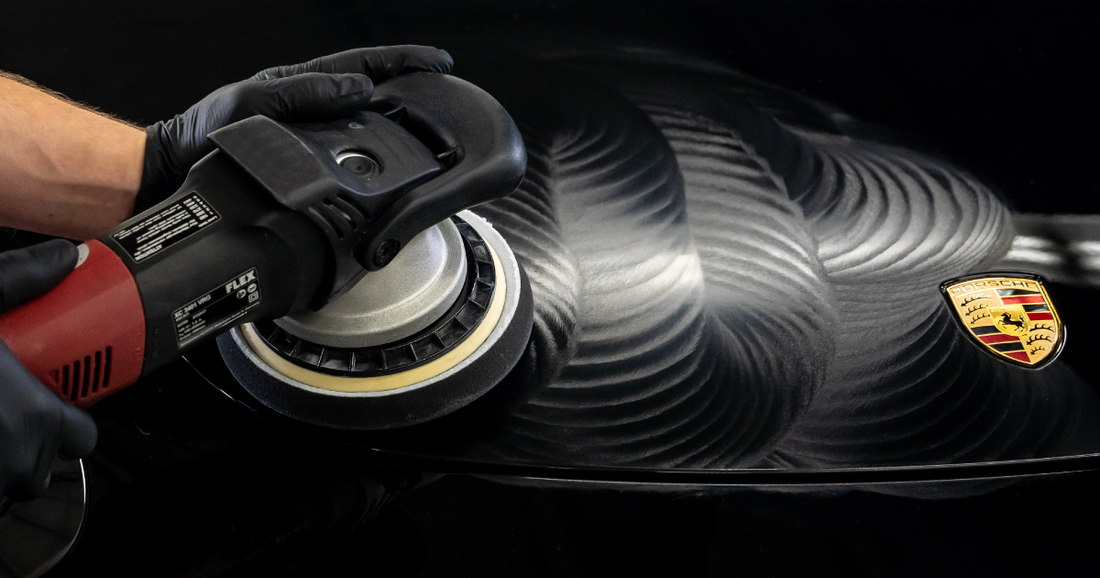
Selecting the right buffer is key for waxing your car effectively. The buffer helps spread the wax evenly and shines the paint. Choosing the best type and pad can save time and improve results. Understand the options before you buy or start waxing.
Types Of Buffers
There are mainly two types of buffers: rotary and dual action. Rotary buffers spin in one direction. They are powerful but need careful handling to avoid paint damage. Dual action buffers move in two ways, making them safer for beginners. They reduce the risk of burning the paint. Choose a buffer that fits your experience and car’s needs.
Buffer Pads And Their Uses
Buffer pads come in different materials and sizes. Foam pads are soft and good for applying wax. Wool pads are firmer and better for polishing or removing scratches. Microfiber pads offer a balance between polishing and waxing. Match the pad to the task to get the best shine. Changing pads during the process helps protect your car’s paint.
Setting Up Your Workspace
Setting up your workspace correctly is key for waxing your car with a buffer. A good workspace helps you work safely and get the best results. It also protects your car’s surface and makes the job easier. Take time to prepare the area before starting.
Finding A Shaded Area
Choose a shaded spot to work on your car. Direct sunlight can heat the car’s surface too much. This heat causes the wax to dry quickly, making it hard to spread evenly. Shade keeps the surface cool and helps the wax last longer. Trees, carports, or garages are good options. Make sure the area is clean and free of dust or dirt.
Ensuring Proper Lighting
Good lighting is important to see every part of your car. Natural light in a shaded area is best. It shows any spots you might miss. If you work indoors, use bright lights that cover the whole car. Avoid harsh or flickering lights. They can hide small scratches or wax spots. Proper lighting helps you do a neat, even job.
Credit: www.carwash.com
Applying Wax With A Buffer
Applying wax with a buffer is a quick way to give your car a smooth, shiny finish. Using a buffer helps spread the wax evenly and saves effort. It also helps the wax bond better with the paint, protecting your car longer.
Loading The Buffer Pad
Start by putting a small amount of wax on the buffer pad. Use about a quarter-size blob. Spread it gently over the pad so the wax covers it evenly. Avoid putting too much wax. It can make a mess and waste product.
Spreading Wax Evenly
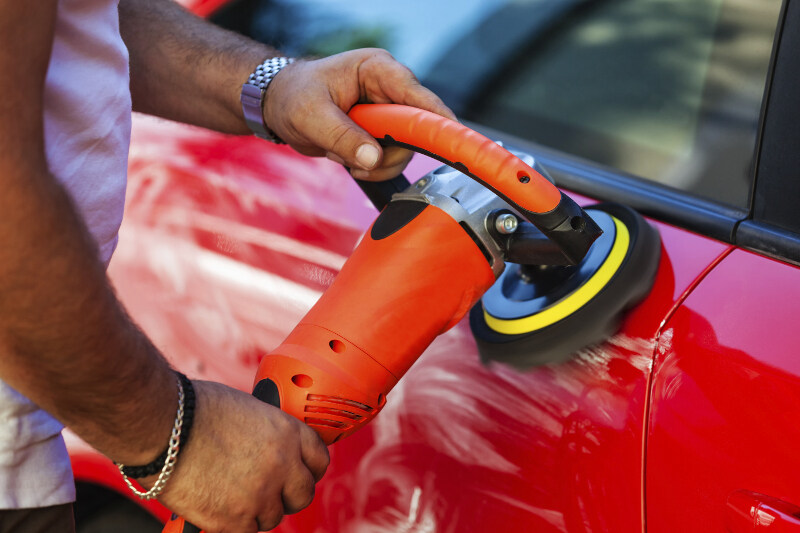
Turn the buffer on low speed. Press the pad gently against the car surface. Move the buffer in slow, overlapping circles. Cover one section at a time. This helps the wax spread evenly without missing spots.
Using Correct Buffer Speed
Choose a low to medium speed on the buffer. High speed can heat the wax too fast and cause streaks. Keep the buffer moving to avoid burning the paint. Smooth, steady motion gives the best shine.
Buffing Techniques
Buffing your car with a buffer requires proper techniques to get the best shine. Using the right method helps protect your paint and makes the wax last longer. Follow these steps carefully for smooth, even results.
Working In Small Sections
Divide your car into small areas, about 2 feet by 2 feet. This size lets you control the buffer easily. Focus on one section at a time to avoid missing spots. Move the buffer slowly and steadily to cover the whole area well.
Maintaining Consistent Pressure
Press the buffer gently but firmly against the car surface. Too much pressure can damage the paint. Too little pressure will not spread the wax properly. Keep your hand steady and let the machine do the work without pushing hard.
Avoiding Overheating Paint
Keep the buffer moving to stop heat buildup. Staying too long in one spot can harm the paint. Use a moderate speed and avoid holding the buffer still. If the surface feels hot, take a short break before continuing.
Finishing Touches
Finishing touches complete the waxing process. They make your car look smooth and shiny. This step also protects the paint and removes any leftover wax. Take your time to ensure a perfect finish. Small details matter for a clean, polished car.
Removing Excess Wax
Use a soft microfiber cloth to remove extra wax. Gently wipe in circular motions. Avoid pressing too hard to protect the paint. Excess wax can leave dull spots or streaks. Clean every panel carefully to keep the shine even.
Inspecting For Missed Spots
Check your car under good lighting. Walk around and look for dull or sticky areas. Use your hand to feel for rough patches. These spots need more buffing or cleaning. Correct missed spots to get a smooth, glossy finish all over.
Maintenance Tips
Maintaining your car’s wax finish is key to keeping it shiny and protected. Regular care helps the wax last longer and shields your paint. Follow these simple tips to keep your car looking great after waxing with a buffer.
Frequency Of Waxing
Wax your car every three to four months for best results. This timing keeps the wax layer fresh and strong. If you park outside a lot, consider waxing more often. Too much waxing can cause buildup, so avoid waxing too frequently.
Protecting Your Shine
Wash your car gently to protect the wax. Use a soft sponge and mild car soap, not harsh detergents. Avoid automatic car washes with brushes that can scratch the surface. Dry your car with a clean microfiber towel to prevent water spots. Park in the shade to reduce sun damage on the wax layer.

Credit: www.youtube.com
Frequently Asked Questions
How Do I Prepare My Car Before Waxing With A Buffer?
Clean your car thoroughly to remove dirt and grime. Dry it completely to avoid water spots. Inspect for scratches or damage. This ensures the wax adheres properly and gives a smooth finish.
What Type Of Buffer Is Best For Waxing A Car?
Use a dual-action buffer for beginners, as it’s safer and easier to control. For experienced users, a rotary buffer offers more power. Always select a buffer with adjustable speed settings to avoid damaging the paint.
How Much Wax Should I Apply When Using A Buffer?
Apply a thin, even layer of wax to the buffer pad. Using too much wax can cause streaks and uneven coverage. A small amount ensures better control and a glossy finish.
Can I Wax My Car In Direct Sunlight With A Buffer?
Avoid waxing in direct sunlight. Heat causes wax to dry too quickly, leading to streaks and difficulty buffing. Work in a shaded, cool area for best results.
Conclusion
Waxing your car with a buffer keeps the paint shiny and smooth. It helps protect your car from dirt and damage. Take your time and work in small sections for best results. Clean the car well before starting to avoid scratches.
Using a buffer makes waxing easier and faster than by hand. Regular waxing keeps your car looking new longer. Try this simple process to keep your car’s shine bright. Your car deserves this easy care to look great every day.