Are you ready to bring a touch of green elegance into your home? The wax plant is a beautiful, low-maintenance option that can brighten up any space.
But to keep your wax plant thriving and looking its best, you need to know the right care tips. In this guide, you’ll discover simple, effective ways to water, feed, and position your plant so it stays healthy and vibrant.
Keep reading to unlock the secrets that will make your wax plant flourish like never before. Your home deserves it!
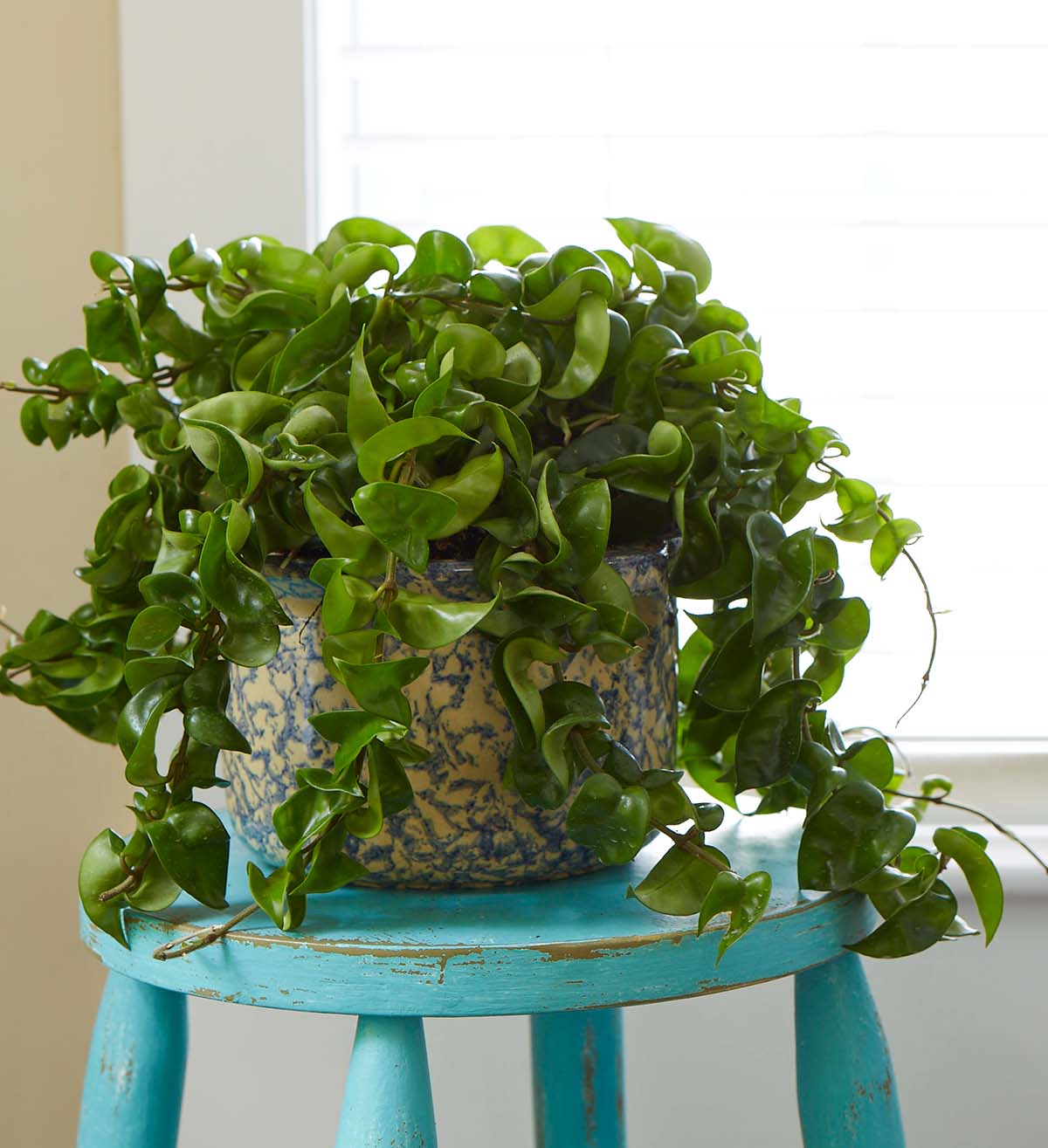
Credit: www.espoma.com
Choosing The Right Location
Choosing the right location is key for a healthy wax plant. This plant thrives best in certain conditions. Placing it carefully helps it grow strong and look beautiful. Understanding light, temperature, and humidity needs keeps the plant happy.
Light Requirements
Wax plants prefer bright, indirect light. Direct sunlight can burn their leaves. A spot near a window with filtered light works well. Too little light makes the plant grow slowly. Too much sun causes leaf spots and damage.
Ideal Temperature
Keep the wax plant in warm temperatures. It grows best between 65°F and 80°F (18°C to 27°C). Avoid cold drafts or sudden temperature changes. Do not place it near heaters or air conditioners. Stable warmth helps the plant stay healthy.
Humidity Considerations
Wax plants like moderate humidity. Dry air can cause leaf tips to brown. Use a room humidifier or place a tray of water nearby. Misting the leaves occasionally also helps. Balanced humidity supports good growth and leaf shine.
Watering Basics
Watering is a key part of caring for your wax plant. It keeps the leaves shiny and the plant healthy. Giving the right amount of water is important to avoid stress. Too much or too little water can harm your plant. Understanding basic watering needs helps your wax plant thrive.
Frequency And Amount
Water your wax plant once the top inch of soil feels dry. Usually, this means watering every 7 to 10 days. Use enough water to moisten the soil but not soak it. Let water drain from the pot to prevent root rot. Adjust watering depending on the season and indoor humidity.
Signs Of Overwatering
Leaves turning yellow or soft signals too much water. The soil may stay wet for too long. Roots can start to rot, causing a bad smell. Mold or fungus might appear on the soil surface. Overwatered wax plants look weak and droopy.
Dealing With Underwatering
Leaves become dry, brown, or crispy at the edges. The plant may wilt or lose leaves. Soil pulls away from the pot’s edge when very dry. Increase watering slowly to avoid shocking the plant. Keep checking soil moisture to prevent underwatering problems.
Soil And Potting
Soil and potting are key for a healthy wax plant. The right soil helps roots grow strong. The pot holds the soil and gives space for roots. Choosing the correct soil and pot keeps your wax plant happy and growing well.
Best Soil Type
Use soil that drains water fast. A mix of potting soil, sand, and peat works well. This mix stops water from sitting around roots. Good drainage prevents root rot. The soil should also keep some moisture for the plant.
Pot Selection
Pick a pot with drainage holes. These holes let extra water escape. The pot size should fit the plant’s root ball. A pot too big keeps soil wet too long. Too small, and roots get crowded fast.
Repotting Tips
Repot every 2 years or when roots fill the pot. Move the plant gently to avoid root damage. Use fresh soil during repotting. Water the plant well after repotting to help it settle.
Fertilizing Your Wax Plant
Fertilizing your wax plant helps it grow healthy and strong. Nutrients in fertilizer support leaf shine and overall plant health. Regular feeding improves growth, especially during active seasons. Knowing how to choose and apply fertilizer makes a big difference.
Choosing Fertilizers
Pick a balanced fertilizer with equal nitrogen, phosphorus, and potassium. Look for labels like 10-10-10 or 20-20-20. These provide essential nutrients for wax plants. Avoid fertilizers high in nitrogen only, which can cause weak growth. A liquid or water-soluble fertilizer works well for indoor plants.
Feeding Schedule
Feed your wax plant every 4 to 6 weeks during spring and summer. Reduce feeding in fall and stop in winter. Plants grow slower in colder months and need fewer nutrients. Always follow the package instructions for dosage. Over-fertilizing can harm roots and cause leaf burn.
Organic Vs. Synthetic Options
Organic fertilizers come from natural sources like compost or fish emulsion. They release nutrients slowly and improve soil health. Synthetic fertilizers act faster and give nutrients immediately. Both types work well for wax plants. Choose organic for long-term care or synthetic for quick results.
Pruning And Maintenance
Pruning and maintenance are key to keeping your wax plant healthy. Regular care helps the plant grow strong and look its best. Cutting back old or damaged leaves allows new growth to flourish. Maintenance also stops the plant from becoming too large or messy.
When To Prune
Prune your wax plant during the spring or early summer. This is the active growing season. Avoid pruning in winter when the plant rests. Look for yellow leaves or stems that look weak. These are good parts to cut off. Pruning at the right time helps the plant heal faster.
Techniques For Healthy Growth
Use clean, sharp scissors or pruning shears. Cut just above a leaf node or joint. This encourages new shoots to grow from that point. Remove dead or crowded leaves to improve air flow. Keep the shape balanced by trimming uneven branches. Always clean tools before and after pruning to prevent disease.
Handling Leggy Stems
Leggy stems grow long with few leaves. They make the plant look weak. Cut back leggy stems to about half their length. This promotes bushier growth. You can also use leggy cuttings to start new plants. Place cuttings in water or soil until roots develop. This keeps your wax plant full and healthy.
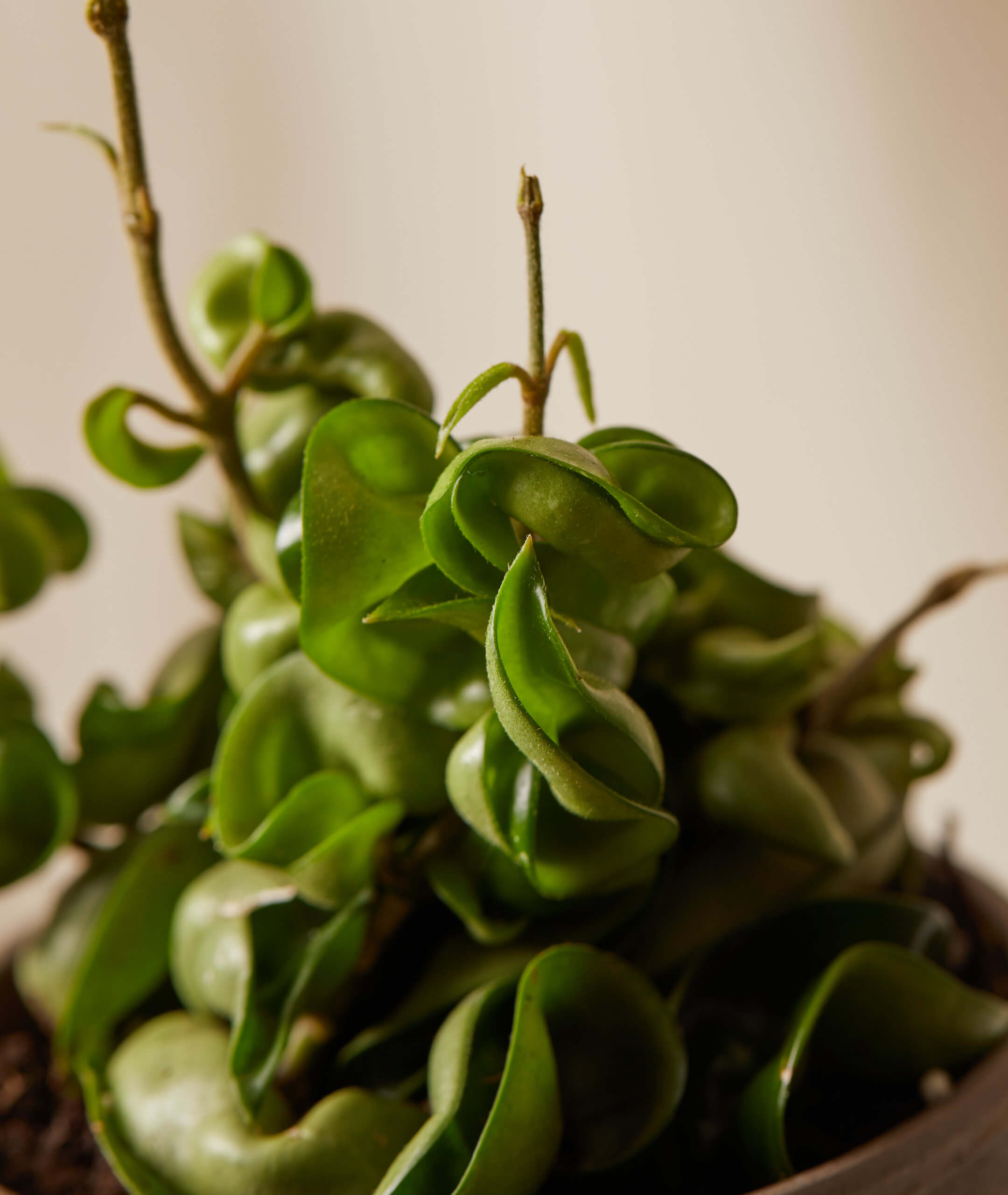
Credit: bloomscape.com
Pest And Disease Control
Keeping your wax plant healthy means watching out for pests and diseases. These can harm the plant and stop it from growing well. Early action helps your plant stay strong and beautiful. Learn about common pests, how to prevent problems, and ways to treat issues effectively.
Common Pests
Wax plants often attract pests like spider mites, mealybugs, and scale insects. Spider mites cause tiny webs and yellow spots on leaves. Mealybugs look like small cotton balls on stems and leaves. Scale insects appear as small brown bumps that stick to the plant. These pests suck sap, making leaves weak and dry.
Preventive Measures
Keep your wax plant clean by wiping leaves with a damp cloth. Avoid overwatering, which attracts pests and causes root rot. Place the plant where it gets good air flow and light. Inspect the plant regularly for signs of pests or damage. Quarantine new plants before placing them near your wax plant.
Treatment Options
Remove pests by wiping leaves with soapy water or rubbing alcohol. Use insecticidal soap or neem oil spray to control infestations. Spray the plant every few days until pests disappear. For severe cases, use a gentle pesticide made for houseplants. Always follow product instructions to keep your plant safe.
Propagation Methods
Propagation helps grow new wax plants from an existing one. It keeps your plant healthy and spreads its beauty. There are easy ways to propagate wax plants at home. Each method has simple steps anyone can follow.
Stem Cuttings
Stem cuttings are a popular way to grow wax plants. Choose a healthy stem with a few leaves. Cut a 4-6 inch piece just below a node. Remove the leaves from the bottom half. Place the cutting in water or moist soil. Keep it in a warm, bright spot but out of direct sun. Roots appear in a few weeks. After roots grow strong, plant the cutting in soil.
Layering Techniques
Layering lets roots form while the stem stays attached. Choose a low stem and gently bend it to the soil. Make a small wound on the stem to encourage rooting. Cover the wounded area with soil and secure it with a pin or stone. Keep the soil moist. Roots develop in a few weeks. Cut the new plant from the mother plant and pot it.
Seed Propagation
Seed propagation is slower but rewarding. Collect seeds from a mature wax plant fruit. Plant seeds in a tray with light soil mix. Lightly cover seeds with soil. Keep the soil moist and warm. Germination takes several weeks. Transplant seedlings carefully to pots after they grow strong. This method helps grow many plants but needs patience.
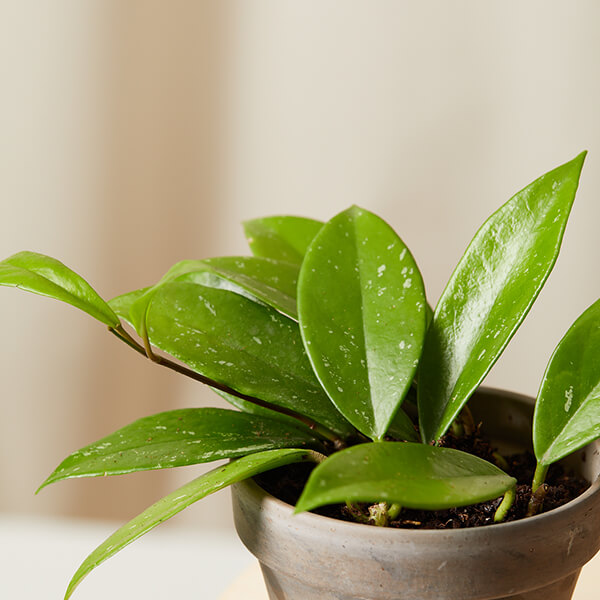
Credit: bloomscape.com
Frequently Asked Questions
How Often Should I Water A Wax Plant?
Water your wax plant when the top inch of soil feels dry. Avoid overwatering to prevent root rot. Generally, watering once every 1-2 weeks is sufficient. Adjust frequency based on humidity and temperature. Always use well-draining soil for best results.
What Type Of Light Does A Wax Plant Need?
Wax plants thrive in bright, indirect light. They can tolerate low light but grow slower. Avoid direct sunlight, which can scorch their leaves. Placing them near an east or west-facing window works well. Proper lighting promotes healthy foliage and flowering.
How Do I Prune A Wax Plant Properly?
Prune wax plants to maintain shape and encourage bushier growth. Use clean, sharp scissors to cut just above leaf nodes. Remove dead or yellow leaves regularly. Pruning in spring or early summer is ideal. It helps improve air circulation and plant health.
Can Wax Plants Tolerate Low Humidity?
Wax plants prefer moderate humidity but tolerate low levels well. If air is too dry, leaves may brown at edges. Increase humidity by misting or placing a water tray nearby. Consistent humidity supports vibrant, healthy foliage. Avoid placing near heating vents.
Conclusion
Caring for a wax plant is simple and rewarding. Give it bright, indirect light and water it moderately. Keep the soil slightly moist but not soggy. Regularly check for pests and wipe the leaves clean. With these easy steps, your wax plant will stay healthy and beautiful.
Enjoy the fresh look it brings to your space. Small efforts make a big difference in plant care. Your wax plant will thank you with lush growth and shine.