

If you have a waxed amaryllis, you probably want it to stay beautiful and healthy for as long as possible. But caring for this unique plant isn’t always straightforward.
You might wonder how much water it needs, where to place it, or how to keep its vibrant blooms looking fresh. This guide will give you clear, simple steps to care for your waxed amaryllis, helping you enjoy its stunning flowers without the guesswork.
Keep reading to discover easy tips that will make your plant thrive and brighten your space.
Choosing The Right Waxed Amaryllis
Choosing the right waxed amaryllis is key to enjoying its beauty longer. A good start means a healthy plant that blooms well. Focus on the bulb’s condition and the wax coating quality. This ensures you pick a strong and attractive amaryllis.
Selecting Healthy Bulbs
Pick bulbs that feel firm and heavy for their size. Avoid bulbs with soft spots or mold. These signs show poor health or decay. Look for bulbs with tight, dry skin and no cracks. A healthy bulb grows strong roots and bright flowers.
Spotting Quality Wax Coating
The wax should cover the bulb evenly without cracks. Check for a smooth, shiny surface that protects the bulb. Avoid bulbs with chipped or peeling wax. Good wax keeps moisture in and stops rot. This coating helps the amaryllis stay fresh longer.
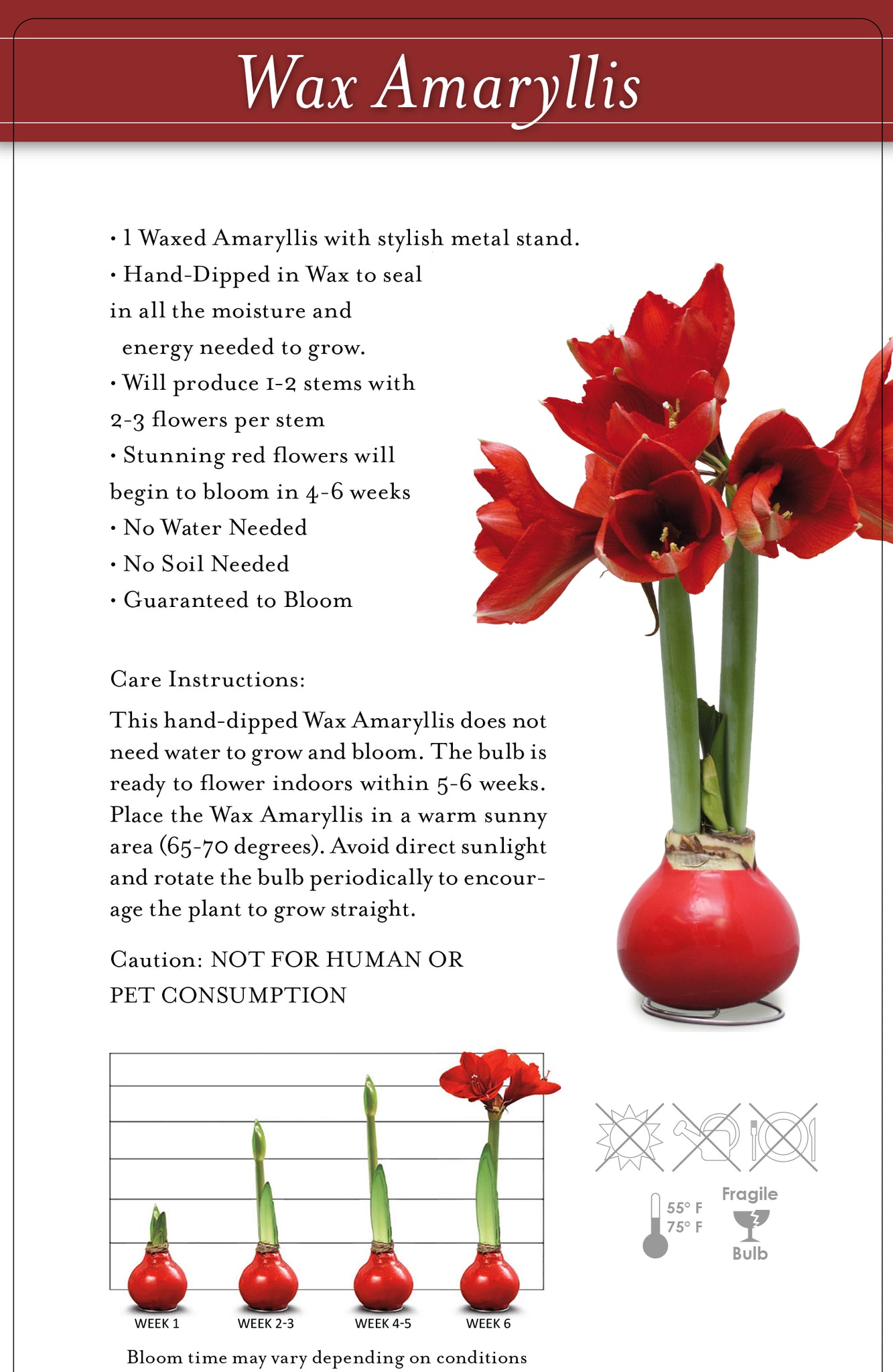
Credit: hollandbeauty.com
Ideal Placement And Lighting
Choosing the right spot for your waxed amaryllis is key to keeping it healthy. Light plays a big role in how well it grows. The plant needs enough light but not too much.
Placing the amaryllis in the correct lighting will help its flowers stay bright and strong. The right balance of light protects the leaves from damage. Watch how light changes in your home throughout the day. This helps find the best place for your plant.
Finding Bright, Indirect Light
Look for a place with plenty of natural light but no harsh rays. A spot near a north or east-facing window works well. This gives the plant soft, bright light for most of the day. Bright, indirect light keeps the plant healthy without burning the leaves.
Try placing the amaryllis on a table or shelf where light filters through curtains. This light helps the flowers open fully and keeps the leaves green. Rotate the plant every few days so all sides get light evenly.
Avoiding Direct Sun Exposure
Direct sunlight can harm waxed amaryllis leaves. The strong sun causes leaf spots and can dry out the plant. Avoid placing it in south or west-facing windows without protection. These windows get intense sun in the afternoon.
If you only have a sunny window, use a sheer curtain to soften the light. Keep the plant away from hot spots near heaters or vents. Too much heat combined with sun damages the wax coating on leaves. This makes the plant weaker and less beautiful.
Watering Techniques
Watering a waxed amaryllis needs careful attention. Too much or too little water affects its health. Proper watering helps the plant grow strong and bloom beautifully. Follow these simple tips for best results.
Maintaining Moisture Levels
Keep the soil evenly moist but not soggy. Water the plant when the top inch of soil feels dry. Use room temperature water to avoid shocking the roots. Water slowly to let the soil absorb moisture well. Check moisture often, especially in dry weather.
Preventing Overwatering
Too much water can cause root rot and kill the plant. Avoid watering if the soil is still wet from last time. Ensure the pot has drainage holes to let excess water escape. Empty any water collected in the saucer under the pot. Watch for yellow leaves, a sign of overwatering.
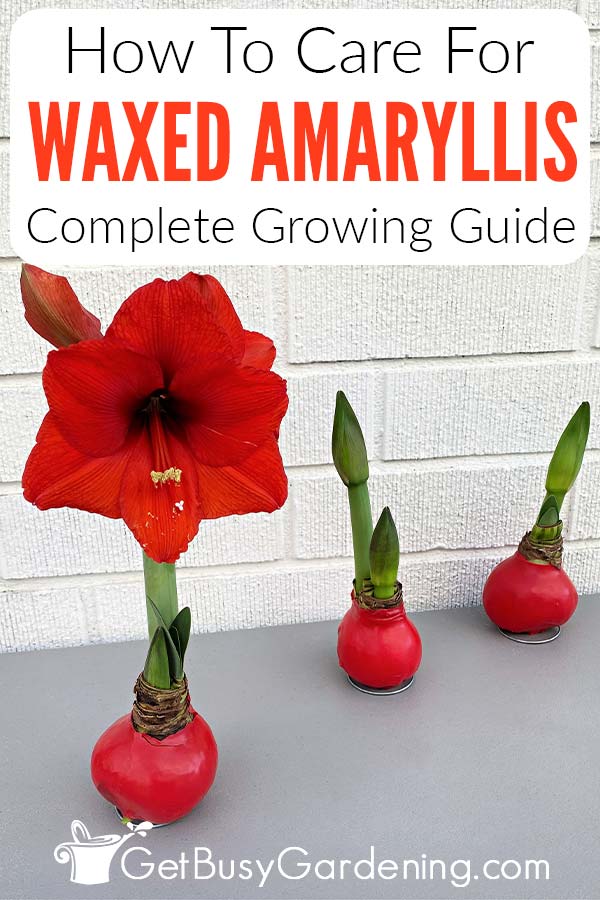
Credit: getbusygardening.com
Temperature And Humidity
Temperature and humidity play a big role in keeping your waxed amaryllis healthy. These plants need specific conditions to thrive. Too much heat or dryness can harm their leaves and flowers. Understanding the right temperature and humidity helps your plant stay vibrant and last longer.
Optimal Temperature Range
Waxed amaryllis grows best in moderate temperatures. Keep the room temperature between 60°F and 75°F. Avoid placing the plant near heaters or cold drafts. Sudden changes in temperature can stress the plant. Consistent warmth encourages strong growth and bright blooms.
Managing Indoor Humidity
Waxed amaryllis prefers moderate humidity levels. Keep humidity around 40% to 50%. Dry air can cause leaf tips to brown and flowers to wilt. Use a humidifier or place a water tray near the plant. Misting the leaves gently also helps increase moisture.
Feeding Your Amaryllis
Feeding your waxed amaryllis helps it grow strong and bloom beautifully. Proper nutrition supports healthy leaves and vibrant flowers. The right fertilizer and feeding routine make a big difference. This section guides you on how to feed your plant well.
Choosing The Right Fertilizer
Pick a balanced fertilizer with equal parts nitrogen, phosphorus, and potassium. A 10-10-10 or 20-20-20 formula works well. Use a water-soluble type for easy absorption. Avoid fertilizers high in nitrogen only. They can cause more leaves but fewer flowers. Organic options like compost or fish emulsion also work.
Feeding Schedule Tips
Feed your amaryllis every two weeks during its growing phase. Stop feeding when the plant is dormant. Apply fertilizer after watering to avoid root burn. Use half the recommended strength for young plants. Regular feeding encourages steady growth and vibrant blooms. Remember, overfeeding can harm the plant.
Pruning And Maintenance
Pruning and maintenance are key to keeping your waxed amaryllis healthy and beautiful. Regular care helps the plant grow stronger and bloom again. Removing old flowers and trimming leaves stops the plant from wasting energy. This process also keeps your amaryllis looking neat and fresh.
Deadheading Spent Flowers
Remove flowers after they fade and die. Cut the flower stem near the base. This stops the plant from using energy on seed production. Deadheading helps the plant focus on growing new blooms. Use clean scissors or pruning shears to avoid damage.
Trimming Leaves Safely
Trim yellow or brown leaves carefully. Cut leaves at the base near the bulb. Avoid cutting green, healthy leaves. These leaves provide food for the plant. Use sharp, clean tools for trimming. Remove only damaged or dead leaves to keep the plant strong.
Dealing With Common Issues
Waxed amaryllis plants are beautiful and easy to care for. Sometimes, pests and diseases can cause problems. Catching these issues early helps keep your plant healthy and strong. This section explains how to spot and treat common problems.
Identifying Pests
Look closely at your waxed amaryllis leaves and stems. Small insects like aphids, spider mites, and mealybugs often hide there. Aphids are tiny, soft, and green or black. Spider mites leave fine webs on leaves. Mealybugs look like small white cotton balls. Check for sticky residue or yellow spots on leaves. These signs mean pests are feeding on your plant.
Treating Diseases
Diseases can cause spots, mold, or rotting on your amaryllis. Fungal infections show as dark spots or powdery mildew on leaves. Root rot makes the bulb soft and smelly. Remove affected leaves or bulbs carefully. Use a fungicide spray for fungal problems. Avoid overwatering to prevent root rot. Keep soil well-drained and dry between watering.
Extending Bloom Life
Extending the bloom life of a waxed amaryllis helps you enjoy its beauty longer. Proper care keeps the flowers fresh and vibrant. Small changes in temperature and watering make a big difference. Follow these simple steps to keep your amaryllis blooming bright.
Temperature Adjustments
Keep your waxed amaryllis in a cool room. Ideal temperatures are between 60 and 70 degrees Fahrenheit. Avoid placing it near heaters or direct sunlight. Warm air can make the flowers wilt faster. Cooler air slows down the aging process of the blooms.
Proper Watering Practices
Water your waxed amaryllis sparingly. The wax coating reduces the need for much water. Use a spray bottle to lightly mist the base. Avoid soaking the bulb or the wax surface. Too much water causes mold or rot. Keep the soil just moist, not wet.
Storing And Reusing Bulbs
Storing and reusing waxed amaryllis bulbs helps save money and enjoy flowers year after year. Proper care during storage keeps bulbs healthy and ready to bloom again. Knowing how to prepare bulbs and the right storage conditions improves their lifespan and flowering potential.
Preparing Bulbs For Dormancy
After flowering, cut the flower stalk near the bulb. Leave the green leaves to grow and feed the bulb. Water the bulb lightly until leaves turn yellow. Stop watering once leaves dry out completely. Remove dead leaves and clean the bulb gently. Avoid damaging the bulb’s base during cleaning. Let the bulb dry in a warm, airy place for a few days.
Storage Conditions
Store bulbs in a cool, dark, and dry place. Ideal temperature is between 50 and 60 degrees Fahrenheit. Avoid areas with high humidity to prevent rot. Use breathable bags or paper to wrap bulbs. Do not store bulbs in plastic bags or airtight containers. Check bulbs monthly for soft spots or mold. Remove any damaged bulbs immediately to protect others. Proper storage keeps bulbs healthy until next planting season.

Credit: www.jacksonandperkins.com
Frequently Asked Questions
How Often Should I Water A Waxed Amaryllis?
Water your waxed amaryllis sparingly. Keep the soil slightly moist but avoid overwatering. Water once every 7-10 days.
What Is The Best Light For Waxed Amaryllis?
Place waxed amaryllis in bright, indirect sunlight. Avoid direct sunlight to prevent leaf burn. Indirect light helps flowers last longer.
Can I Reuse Waxed Amaryllis After Blooming?
Yes, you can reuse waxed amaryllis. After blooming, trim dead leaves and reduce watering. Store in a cool place for future use.
How Do I Prevent Mold On Waxed Amaryllis?
Ensure good air circulation around the plant. Avoid excess moisture on leaves. Water only the soil to prevent mold growth.
Conclusion
Caring for a waxed amaryllis is simple and rewarding. Keep the plant in bright, indirect light. Water it only when the soil feels dry. Avoid overwatering to prevent root problems. Remove any dead leaves to keep it healthy. With proper care, your amaryllis will bloom beautifully.
Enjoy the vibrant flowers and fresh greenery indoors. Small steps make a big difference. This plant can brighten any room with little effort. Give it the right care, and it will thrive.


