

If you’ve ever admired the bold, beautiful blooms of an amaryllis in wax, you know how stunning they can be. But keeping that vibrant look takes a little know-how.
You might wonder how to make your amaryllis stay fresh and glowing for as long as possible. What’s the secret to caring for this unique flower without letting it wilt or lose its shine? In this guide, you’ll discover simple, effective tips that anyone can follow to keep your amaryllis in wax looking its best.
Ready to unlock the secrets of lasting beauty? Let’s dive in.
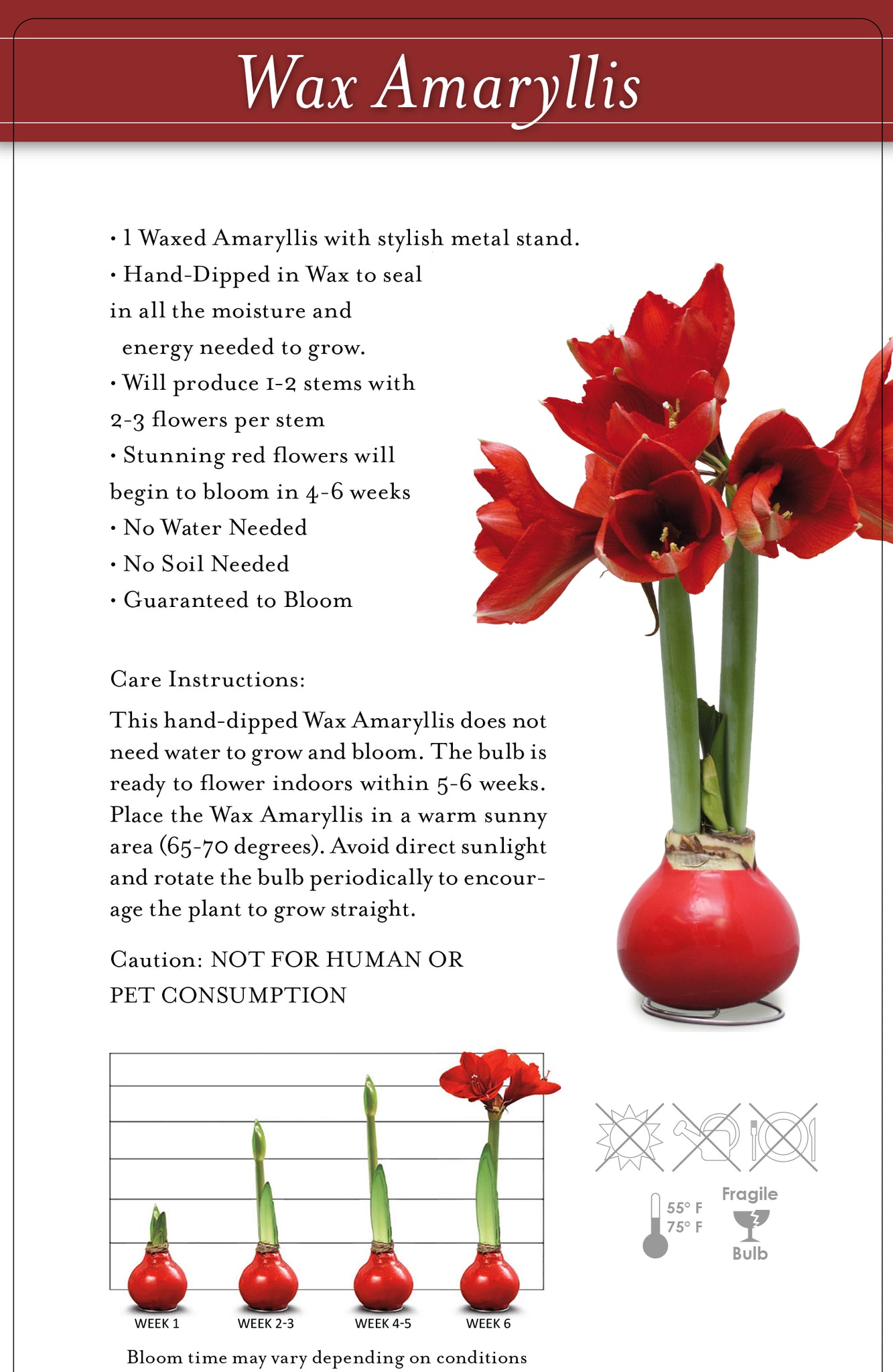
Credit: hollandbeauty.com
Choosing The Right Amaryllis Wax
Choosing the right wax for your amaryllis is important for its health and beauty. Wax protects the bulb and keeps moisture inside. It also helps the flower last longer and look fresh. Not all waxes work well with amaryllis bulbs. Picking the right type ensures your plant grows strong and blooms beautifully.
Types Of Wax Used For Amaryllis
Several wax types protect amaryllis bulbs. Paraffin wax is common. It seals the bulb and stops water loss. Beeswax is natural and gentle. It lets the bulb breathe while offering protection. Some growers use a mix of waxes to get the best results. Choose wax that is clean and free from chemicals.
Selecting Quality Bulbs
Start with healthy bulbs for good results. Pick bulbs that are firm and heavy. Avoid bulbs with soft spots or mold. Bigger bulbs usually produce larger flowers. Check for bulbs with intact skin and no damage. Quality bulbs respond better to waxing and grow well.
Preparing The Amaryllis For Waxing
Preparing the amaryllis bulb for waxing is a crucial step for a beautiful, lasting finish. This process ensures the bulb is clean and ready to absorb the wax properly. Proper preparation also protects the bulb and helps the wax layer stick better. Follow these simple steps before you start the waxing process.
Cleaning And Trimming The Bulb
Start by gently removing any dirt from the bulb. Use a soft brush or cloth for cleaning. Avoid using water as it can cause rot. Next, trim any dead or damaged roots with clean scissors. Cut carefully to avoid injuring the bulb. This step prevents mold and helps the wax cover the bulb smoothly.
Setting Up A Wax Bath
Choose a wax with a low melting point, like paraffin. Melt the wax slowly using a double boiler. Keep the temperature steady to avoid overheating. The wax should be warm, not hot, for safe dipping. Prepare a container deep enough to cover the bulb completely. This setup ensures even coating and easy handling during waxing.
Applying Wax To The Amaryllis
Applying wax to an amaryllis helps preserve its beauty and extend its life. The process involves coating the flower carefully with wax. This coating protects the petals and keeps them looking fresh for a long time.
Wax application requires care and patience. It is important to cover the flower evenly without damaging the delicate petals.
Dipping Techniques
Start by melting the wax in a warm container. Use a gentle, slow dip to avoid splashing or uneven coverage. Hold the amaryllis by the stem and dip the flower into the wax carefully. Submerge the petals fully but avoid the leaves and stem. Lift the flower slowly to let excess wax drip off. Repeat the dipping process if the first layer is thin. Allow the wax to cool between dips for a smooth finish.
Ensuring Even Coverage
Check the flower for any missed spots or thin areas. Use a soft brush to spread wax over hard-to-reach petals. Rotate the amaryllis slowly for full coverage. Avoid clumps or thick wax patches. A smooth, even coat looks natural and protects well. Let the flower dry completely on a flat surface before handling.
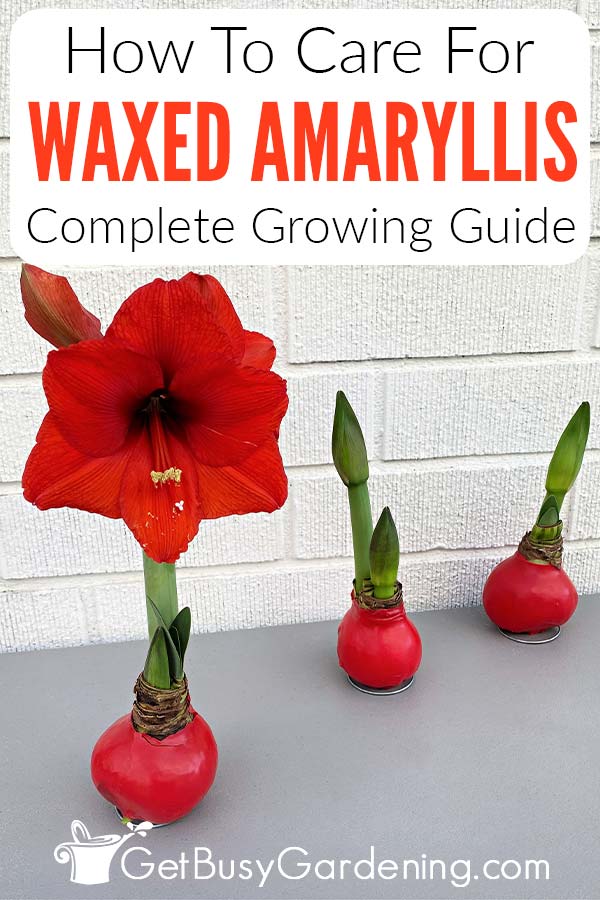
Credit: getbusygardening.com
Caring For Waxed Amaryllis
Caring for a waxed Amaryllis requires special attention to maintain its unique coating and vibrant blooms. This plant needs a balance of light, temperature, and water to thrive. Proper care ensures the wax stays intact and the flower remains healthy for a long time.
Ideal Temperature And Light Conditions
Place the waxed Amaryllis in a spot with bright, indirect sunlight. Direct sunlight can cause the wax to melt or fade. Keep the room temperature between 60°F and 70°F. Avoid cold drafts or sudden temperature changes. These can harm the plant and damage the wax coating.
Watering Tips For Waxed Plants
Water the waxed Amaryllis sparingly to avoid water damage. Use a spray bottle to mist the soil lightly once a week. Avoid getting water on the waxed petals or leaves. Excess moisture can cause the wax to peel or become sticky. Check the soil before watering; it should feel dry on top.
Troubleshooting Common Issues
Troubleshooting common issues helps keep your amaryllis in wax healthy and beautiful. Small problems can become big if ignored. Knowing how to fix these issues saves your plant and wax coating. This section covers the most frequent problems and easy solutions.
Dealing With Wax Cracks
Wax cracks happen from temperature changes or bumps. These cracks let moisture in, which harms the bulb. Fix small cracks by gently warming the wax. Use a hairdryer on low heat from a distance. Then, smooth the wax with clean fingers or a soft cloth. For large cracks, re-melt the wax carefully and seal it again. Avoid harsh handling to prevent new cracks.
Preventing Mold And Decay
Mold grows if the wax traps too much moisture. Keep the plant in a dry, well-ventilated area. Avoid overwatering the bulb inside the wax. Use a small brush to clean dust and dirt from the wax surface regularly. If mold starts to appear, wipe the wax with a cloth dipped in mild alcohol. This stops mold growth and protects the bulb beneath.
Extending The Lifespan Of Your Waxed Amaryllis
Extending the lifespan of your waxed amaryllis keeps its beauty longer. Proper care after blooming helps the plant stay fresh. Simple steps protect the wax coating and the flower itself. Follow easy tips to enjoy your amaryllis for many weeks. Small actions make a big difference in preserving its look.
Storage Tips After Blooming
Store your waxed amaryllis in a cool, dry place. Avoid direct sunlight to prevent wax melting. Keep it away from heat sources like radiators or lamps. A consistent temperature slows down wilting. Use a box or container to protect it from dust. Handle gently to avoid cracking the wax. Check the flower regularly for signs of damage.
Rewaxing And Maintenance
Rewaxing keeps your amaryllis shiny and strong. Use a soft cloth with clear wax polish. Apply a thin layer to cover any cracks. Let the wax dry completely before placing the flower back on display. Clean the leaves with a damp cloth to remove dust. Avoid water on the waxed petals to prevent damage. Regular maintenance helps your amaryllis look fresh longer.

Credit: www.jacksonandperkins.com
Frequently Asked Questions
How Do I Water An Amaryllis In Wax?
Water your Amaryllis sparingly by misting the wax surface. Avoid soaking it to prevent mold and root rot. Use room temperature water to keep the plant healthy and maintain the wax coating intact.
What Light Conditions Suit An Amaryllis In Wax?
Place your Amaryllis in bright, indirect sunlight. Avoid direct sun, which can melt the wax. Moderate indoor lighting helps the flower bloom beautifully without damaging the wax layer.
How Often Should I Fertilize Amaryllis In Wax?
Fertilize your Amaryllis once a month during the growing season. Use a balanced, water-soluble fertilizer diluted to half strength. This supports healthy growth without overwhelming the delicate wax coating.
Can I Repot An Amaryllis In Wax?
It’s best not to repot an Amaryllis in wax frequently. The wax acts as a protective layer around the bulb. If necessary, handle gently to avoid cracking the wax and damaging roots.
Conclusion
Caring for an amaryllis in wax is simple and rewarding. Keep the plant in a bright spot but out of direct sun. Water it lightly to avoid overwatering. Watch for signs of stress, like drooping leaves. Trim dead parts to keep it healthy.
With regular care, your amaryllis will bloom beautifully. Enjoy the vibrant flowers and easy maintenance. A little attention brings big joy. Try these tips and see your amaryllis thrive.

