

If you’ve brought a Dracaena plant into your home or office, you probably want it to thrive and look its best. But how do you make sure your Dracaena stays healthy and vibrant?
The good news is, caring for this beautiful plant is easier than you might think. In this guide, you’ll discover simple, effective tips that will help your Dracaena grow strong and add a touch of green to your space for years to come.
Keep reading, and you’ll learn exactly what your plant needs to flourish.
Credit: leafy-life.com
Choosing The Right Dracaena
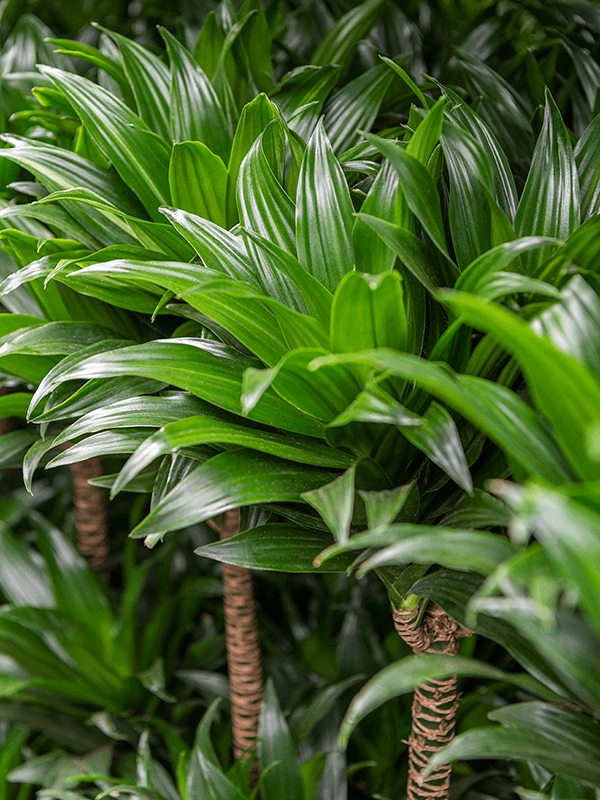
Choosing the right Dracaena plant is the first step to a happy, healthy indoor garden. These plants come in many shapes and sizes. Some have long, thin leaves while others have broad, colorful foliage. Picking the right type will match your home’s light and space. It will also suit your care routine.
Think about the space where you want to place the plant. Some Dracaenas grow tall and need room to spread. Others stay small and fit well on desks or shelves. Knowing the plant’s size helps prevent problems later. Also, consider the light your home gets. Some Dracaenas prefer bright light. Others do well in low light.
Popular Dracaena Varieties
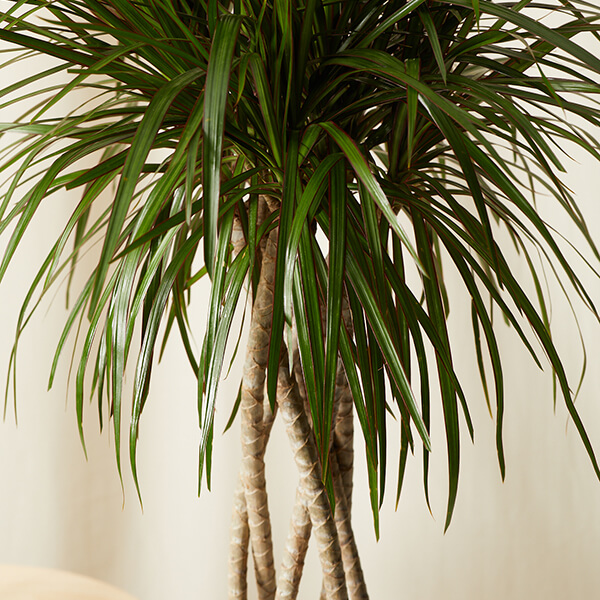
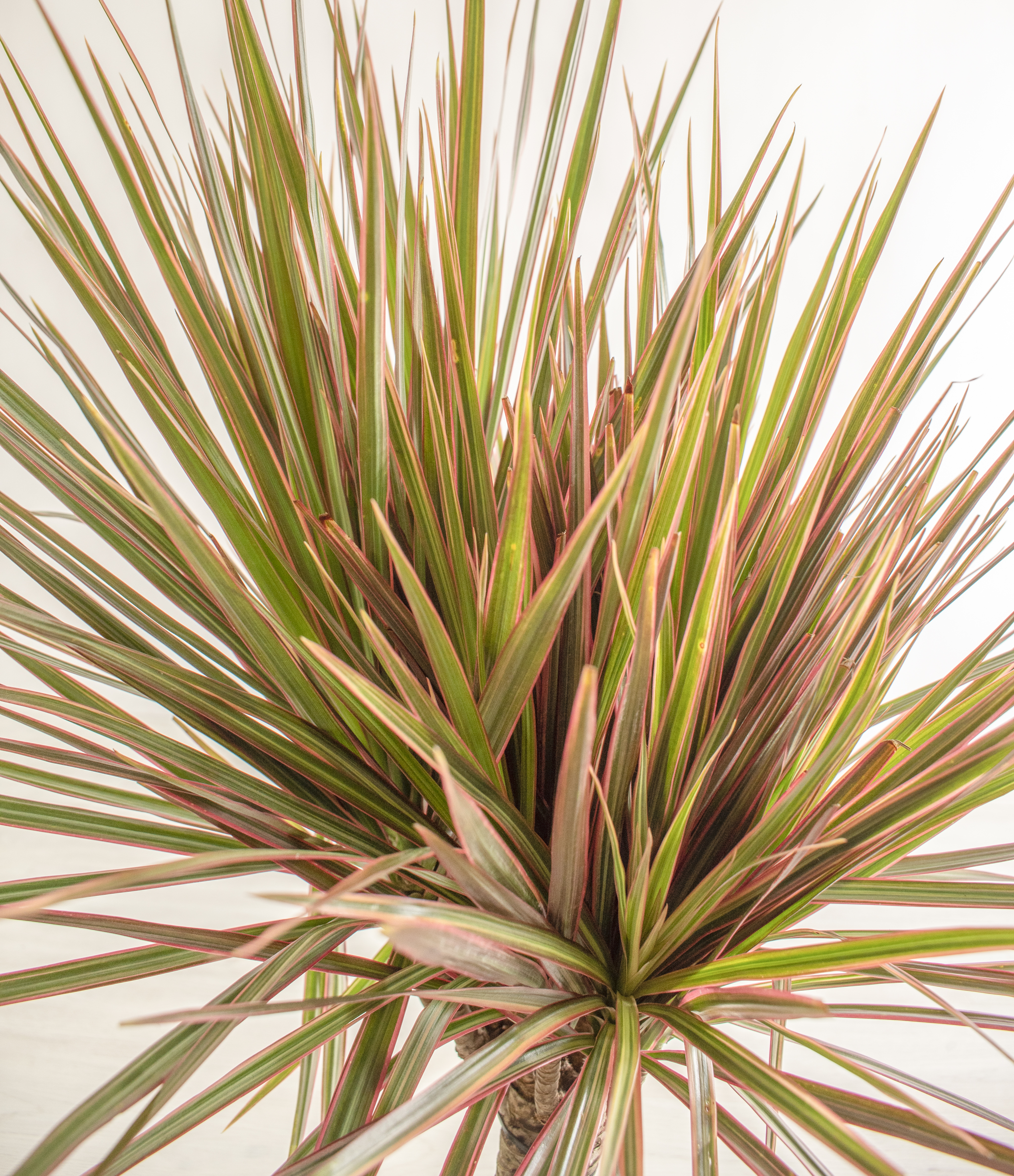
Dracaena marginata is a favorite. It has thin, red-edged leaves. It grows tall and looks like a small tree. Dracaena fragrans, also called corn plant, has wide, green leaves with yellow stripes. It grows slower but adds a tropical feel. Dracaena reflexa, or song of India, has bright green and yellow leaves. It’s great for bright rooms. Dracaena sanderiana, known as lucky bamboo, is easy to care for and often grown in water.
Selecting Healthy Plants
Choose plants with bright, firm leaves. Avoid those with brown or yellow spots. Check for pests under the leaves and on the stems. Healthy stems should be firm, not soft or dry. The soil should be moist but not soggy. Pick plants that look fresh and strong. This helps ensure your Dracaena will grow well in your home.
Ideal Light Conditions
Dracaena plants thrive best with the right light. Light affects their growth, color, and health. Knowing the ideal light conditions helps keep your plant green and strong.
Dracaenas do not need direct sunlight. Too much sun can burn their leaves. They prefer light that is bright but soft.
Bright Indirect Light
Bright indirect light is perfect for Dracaena plants. Place them near windows with filtered sunlight. Curtains or blinds work well to soften the light.
This light helps leaves stay vibrant and healthy. The plant grows evenly and stays lush. Avoid direct rays that cause brown leaf tips.
Low Light Tolerance
Dracaenas can survive in low light places. They are good for rooms with little natural light. Growth slows, but the plant stays alive.
Use low light spots like corners or shaded rooms. Rotate the plant to keep it balanced. Low light means less water is needed.
Watering Tips
Watering is a key part of caring for your Dracaena plant. Giving it the right amount of water keeps it healthy and growing well. Too little water can dry the leaves. Too much water can cause root problems. Follow these simple watering tips to keep your Dracaena happy.
When To Water
Check the soil before watering. The top inch should feel dry. Water your Dracaena only when the soil is dry to touch. During warmer months, water more often. In cooler months, water less. Avoid watering on a strict schedule. Let the soil guide you.
Avoiding Overwatering
Overwatering is a common mistake with Dracaena plants. Too much water can cause root rot. Always use pots with drainage holes. Empty excess water from the saucer after watering. If leaves turn yellow or soft, cut back on water. Better to underwater slightly than to overwater.
Credit: bloomscape.com
Soil And Potting
Proper soil and potting are key to keeping your Dracaena plant healthy. The right soil helps roots get air and water. The pot size and type affect how well the plant grows. This section covers the best soil types and how to choose the right pot for your Dracaena.
Best Soil Types
Dracaenas need soil that drains well. Use a mix that holds moisture but does not stay soggy. A good choice is potting soil with peat moss or coconut coir. Add perlite or sand to improve drainage. Avoid heavy clay soils that trap water. Well-draining soil keeps roots fresh and prevents rot.
Choosing The Right Pot
Pick a pot with drainage holes to stop water buildup. Too much water can cause root rot. The pot should be just a bit bigger than the root ball. A pot too large can hold excess water. Use plastic, ceramic, or terracotta pots based on your style. Ensure the pot supports your plant’s size and growth.
Temperature And Humidity
Temperature and humidity play a big role in the health of your Dracaena plant. These plants thrive in warm and slightly moist environments. Keeping the right balance helps the leaves stay green and strong. Too much cold or dry air can cause leaf spots and slow growth.
Optimal Temperature Range
Dracaena plants prefer temperatures between 65°F and 80°F (18°C to 27°C). Temperatures below 55°F (13°C) can harm the plant. Avoid placing your Dracaena near cold drafts or air conditioners. Sudden drops in temperature stress the plant and cause leaf damage.
Maintaining Humidity Levels
These plants enjoy moderate humidity levels, around 40% to 60%. Dry air can make leaf tips brown and curl. Use a humidifier or place the plant on a tray with water and pebbles. Misting the leaves regularly also helps increase humidity. Keep your Dracaena away from heaters that dry out the air.
Fertilizing Your Dracaena
Fertilizing your Dracaena helps it grow strong and healthy. Plants need extra nutrients besides water and sunlight. Fertilizer gives these vital nutrients to your Dracaena. Choosing the right type and feeding it properly is key. The right care makes your plant vibrant and lively.
Fertilizer Types
Use a balanced, water-soluble fertilizer for Dracaena. Look for one with equal parts nitrogen, phosphorus, and potassium. A 10-10-10 or 20-20-20 formula works well. Slow-release fertilizers also provide steady nutrients over time. Avoid fertilizers with too much nitrogen. It can cause leaf burn or weak growth.
Feeding Schedule
Feed Dracaena every four to six weeks during spring and summer. These seasons are when the plant grows fastest. Reduce feeding in fall and winter. The plant’s growth slows down then and needs fewer nutrients. Always follow the instructions on the fertilizer package. Overfeeding can harm the plant and soil health.
Pruning And Maintenance
Pruning and maintenance keep your Dracaena plant healthy and attractive. Regular care stops diseases and helps new growth. This process is simple and does not take much time.
Trimming Dead Leaves
Remove dead or yellow leaves to improve the plant’s look. Use clean scissors or pruning shears. Cut the leaves close to the stem without damaging it. This step helps the plant use energy better.
Check the plant weekly for any dry or brown leaves. Removing them early keeps the plant fresh. It also stops pests from gathering in dead parts.
Shaping The Plant
Cut back long or leggy stems to shape the Dracaena. This encourages fuller and bushier growth. Trim just above a leaf node for new shoots to grow.
Shape the plant to fit your space and style. Avoid cutting more than one-third of the plant at once. This protects the plant from stress and shock.
Common Problems And Solutions
Dracaena plants are easy to care for, but they can face some common problems. Knowing these problems helps keep your plant healthy. Quick action can save your plant from damage. Here are common issues and how to fix them.
Pests To Watch For
Dracaenas attract a few pests. Spider mites cause tiny webs and speckled leaves. Mealybugs look like white cotton on stems and leaves. Scale insects appear as small brown bumps. These pests suck sap and weaken the plant.
Use a soft cloth dipped in soapy water to wipe pests off. Insecticidal soap sprays work well. Repeat treatment every few days until pests are gone. Keep your plant clean and check it often.
Dealing With Yellow Leaves
Yellow leaves signal a problem. Overwatering is a common cause. Dracaenas do not like soggy soil. Let soil dry out between waterings. Poor light can also cause yellow leaves. Move the plant to a brighter spot but avoid direct sun.
Remove yellow leaves to help the plant focus on new growth. Check for root rot if yellowing spreads quickly. Repotting with fresh soil can save the plant. Proper watering and light keep leaves green and healthy.
Propagation Techniques
Propagation is a great way to grow new Dracaena plants from an existing one. It helps you multiply your plants without buying new ones. This process is simple and fun. You only need a few tools and some patience. Below are easy methods to start propagation at home.
Stem Cuttings
Choose a healthy stem with several leaves. Cut a 4-6 inch piece using a clean, sharp knife. Remove the lower leaves to expose the nodes. These nodes will grow new roots. Let the cutting dry for a day to prevent rot. Place the cutting in water or soil to start rooting.
Rooting Tips
Use a clear container if rooting in water. Change the water every few days to keep it fresh. If using soil, pick well-draining potting mix. Keep the soil moist but not soggy. Place the cutting in a warm, bright spot without direct sunlight. Roots should form in 2 to 4 weeks. Once roots grow strong, transplant the cutting into a pot.
Credit: easyplant.com
Frequently Asked Questions
How Often Should I Water A Dracaena Plant?
Water your Dracaena when the top inch of soil feels dry. Avoid overwatering to prevent root rot. Typically, watering every 1-2 weeks works well depending on humidity and temperature. Always ensure good drainage for healthy growth.
What Light Conditions Are Best For Dracaena Plants?
Dracaena plants prefer bright, indirect light. Avoid direct sunlight as it can scorch the leaves. They can tolerate low light but may grow slower. Ideal placement is near a window with filtered light for vibrant foliage.
How Do I Prevent Yellow Leaves On Dracaena?
Yellow leaves often indicate overwatering or poor drainage. Check soil moisture and reduce watering if soggy. Also, avoid cold drafts and ensure the plant receives adequate light. Removing yellow leaves helps maintain plant health and appearance.
Can Dracaena Plants Be Grown Indoors Successfully?
Yes, Dracaena plants thrive indoors due to their low light tolerance. They improve air quality and require minimal care. Maintain moderate watering and indirect light for best results in indoor environments.
Conclusion
Caring for your Dracaena plant can be simple and rewarding. Water it just right—avoid too much or too little. Place the plant where it gets bright, indirect light. Keep the leaves clean and watch for pests. Trim dead leaves to help it grow healthy.
With steady care, your Dracaena will stay green and strong. Enjoy the fresh look it brings to your space. A little attention goes a long way. Your plant will thank you with beauty and life.


