Have you ever wondered just how much space a 4 car garage really takes up? Whether you’re planning to build one, buy a home with it, or simply curious about its size, knowing the exact dimensions can save you time, money, and headaches.
Understanding the size will help you picture how your vehicles fit, where you can store extra items, and how much room you’ll have left to move around. Stick with me, and by the end of this article, you’ll have a clear picture of what a 4 car garage looks like—and why size truly matters for your lifestyle and needs.
Standard Dimensions
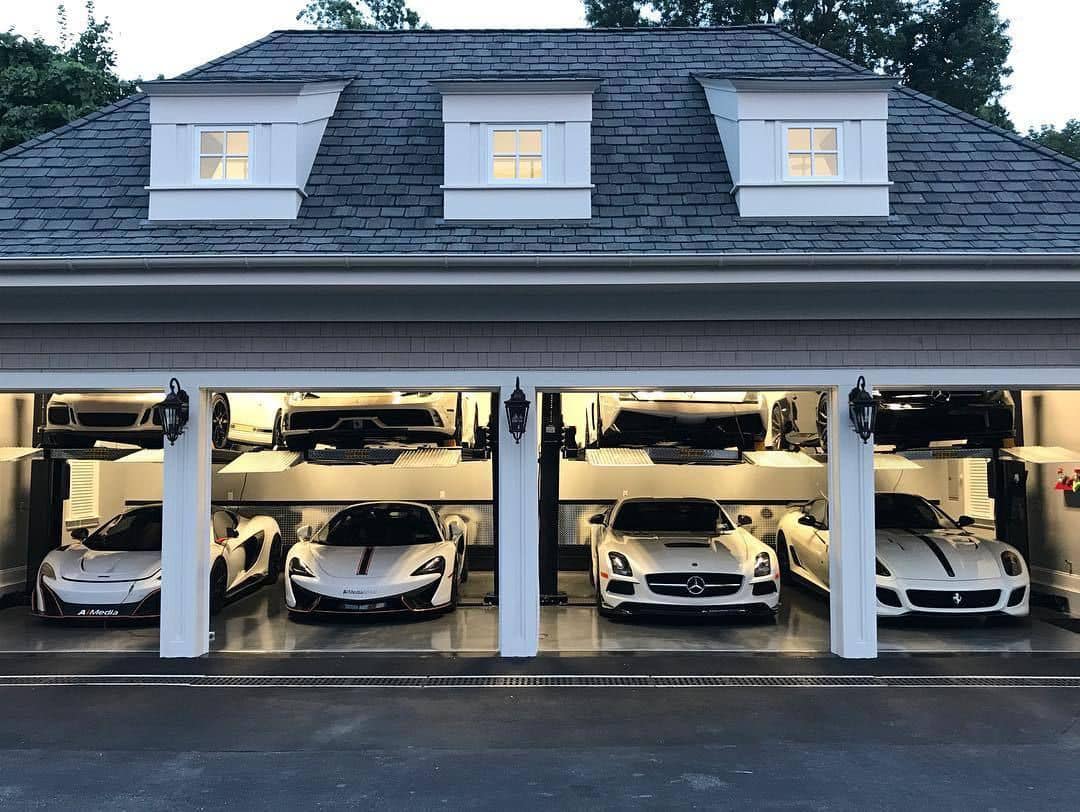
A 4 car garage offers ample space for vehicles and storage. Understanding its standard dimensions helps in planning and building.
These dimensions ensure enough room for cars and extra space for movement.
Typical Width And Length
The usual width of a 4 car garage ranges from 40 to 48 feet. Each parking spot is about 10 to 12 feet wide. This width allows doors to open comfortably.
The length typically measures between 20 and 24 feet. This size fits most cars, SUVs, and small trucks. Extra length helps with storage or workspace behind vehicles.
Height Considerations
Garage height is key for vehicle clearance and storage. Most 4 car garages have an interior height of 8 to 10 feet.
Taller ceilings, around 12 feet, work well for larger trucks or lifts. Good height also improves ventilation and lighting inside the garage.
Credit: stancewars.com
Space For Vehicles
A 4 car garage needs enough space for all vehicles to fit comfortably. Space for vehicles depends on their size and the room between them. This ensures easy parking and moving around.
Planning the right space helps avoid scratches and door dings. It also allows space for opening doors and walking around cars safely.
Average Car Size
The average car length is about 15 to 16 feet. Width usually ranges from 6 to 7 feet. SUVs and trucks can be longer and wider. Knowing these sizes helps plan the garage space accurately.
Clearance Between Cars
Clearance means the space between parked vehicles. A good clearance is at least 3 feet wide. This space allows drivers and passengers to open doors easily. It also helps in moving around without bumping cars.
Without enough clearance, parking becomes difficult. Scratches and dents happen more often. Proper clearance keeps your vehicles safe and the garage easy to use.
Additional Storage Space
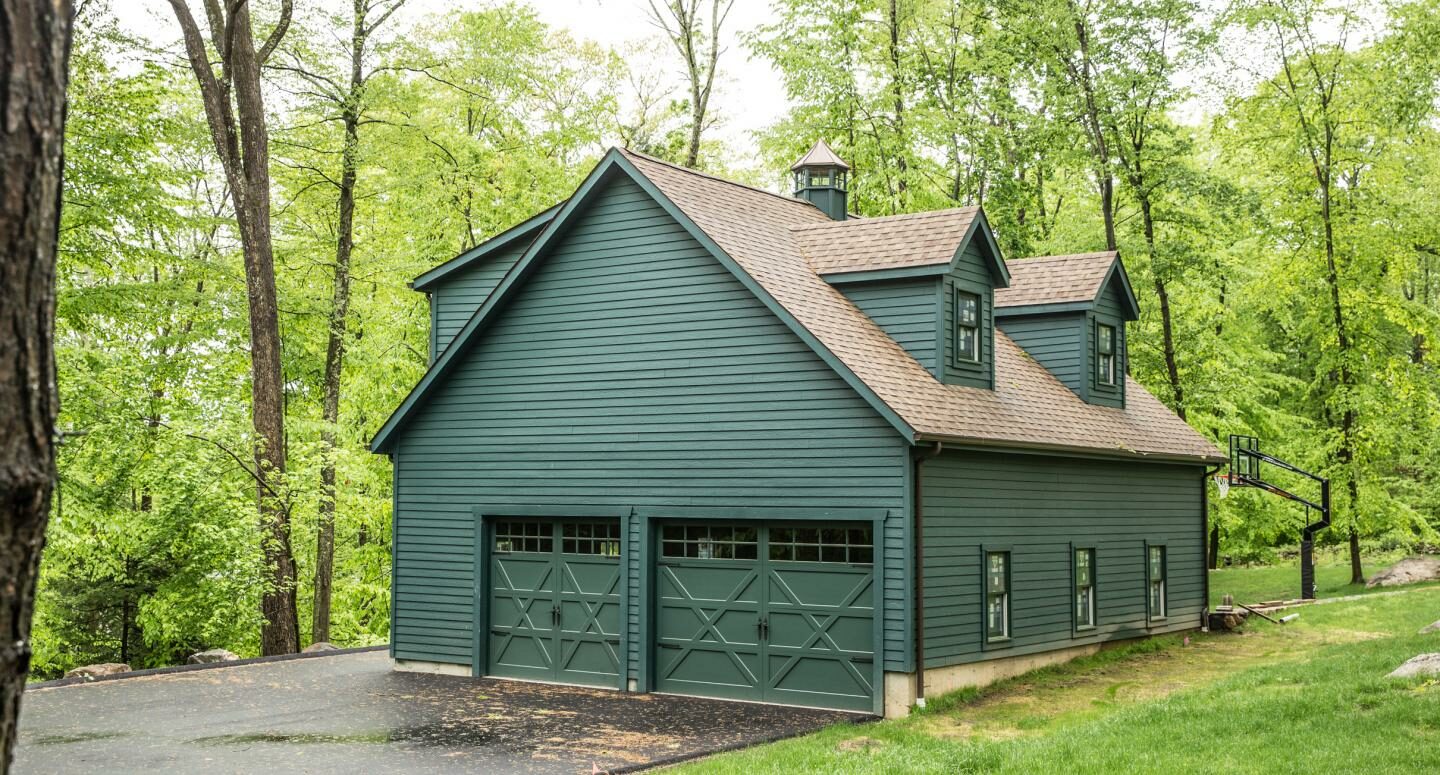
A 4 car garage offers more than just space for vehicles. It provides extra room for storage and organization. This space can help keep your garage neat and your items easy to find. Proper storage solutions make the garage functional and tidy. Let’s explore how to use this space effectively.
Shelving And Cabinets
Shelving and cabinets maximize vertical space in a 4 car garage. Wall-mounted shelves keep items off the floor. Cabinets hide clutter and protect belongings from dust. Use sturdy shelves for heavy tools and boxes. Cabinets with doors help organize small items. Labeling shelves and cabinets improves access and order.
Workspace Areas
Workspace areas turn part of the garage into a work zone. A workbench provides a dedicated spot for projects. Use pegboards above the bench to hang tools. Good lighting is essential for detailed work. Workspace zones keep tools and materials within reach. This setup saves time and keeps the garage clean.
Credit: shedsunlimited.net
Design Variations
Design variations in a 4 car garage affect space, function, and style. Choosing the right layout helps maximize storage and ease of parking. Different designs fit different needs and property sizes. Understanding common layouts can guide your garage planning.
Single Vs. Tandem Layout
A single layout places all four cars side by side. This design offers easy access to every vehicle. Each car has its own door, making parking smooth and quick. It needs a wide lot to fit comfortably. The tandem layout stacks cars in pairs, one behind the other. This design saves width but requires more depth. It works well on narrow lots with space in front and back. Parking may need extra care to avoid blocking cars. Tandem garages often include extra storage space along the sides or back.
Side-by-side Arrangement
The side-by-side arrangement places cars next to each other in a single row. This layout is simple and popular for 4 car garages. It allows each car to have its own entry point. The width of the garage must be wide enough to fit all cars comfortably. This design provides easy movement around each vehicle. It also offers more wall space for shelves or tools. Side-by-side garages blend well with many home styles. They create a balanced, clean look on the property.
Garage Door Sizes
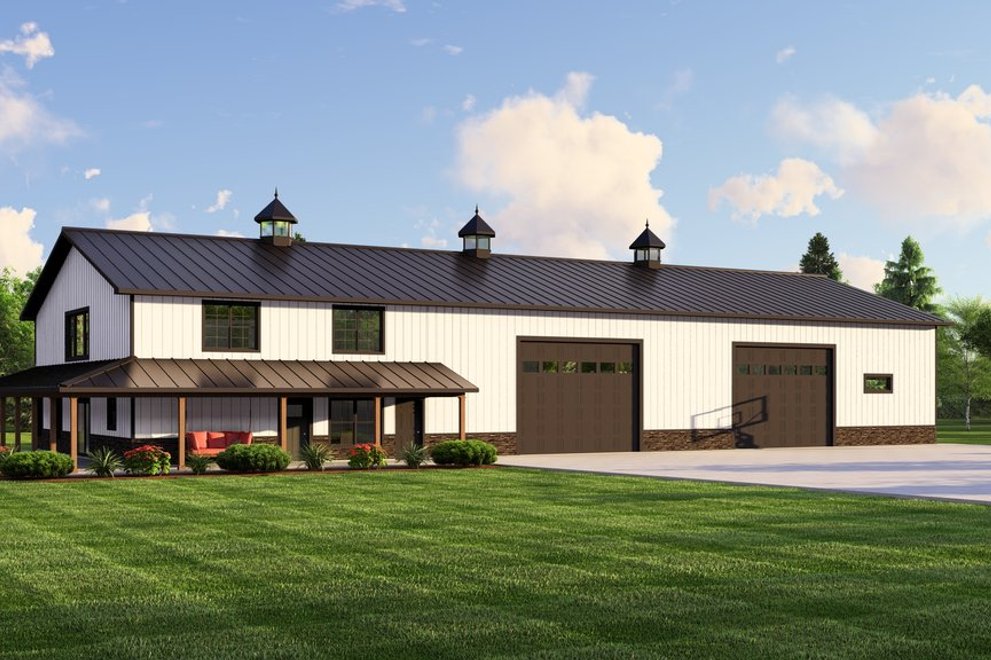
A 4 car garage needs large doors to fit all vehicles comfortably. Garage door sizes vary to match different needs and styles. Choosing the right size helps with easy parking and good appearance.
Standard Door Dimensions
Most garage doors have common sizes. A single door usually measures 9 feet wide and 7 feet tall. Double doors are often 16 feet wide and 7 feet tall. These sizes fit most cars and small trucks easily.
For a 4 car garage, doors can be wider or have multiple sections. Standard heights range from 7 to 8 feet. Taller doors help with bigger vehicles and extra storage space.
Multiple Door Options
Four car garages can have different door layouts. One option is four single doors, each about 9 feet wide. This gives separate spaces for each car.
Another choice is two double doors, usually 16 feet wide each. This looks clean and allows more room to park side by side.
Some garages use one large door, around 18 to 20 feet wide. This option suits large vehicles or trailers but may reduce wall space inside.
Building Regulations
Building a 4 car garage needs careful planning. One key part is following building regulations. These rules keep construction safe and legal. They set limits on size, placement, and design. Ignoring rules can cause fines or force changes later. Understanding regulations early saves time and money. It helps create a garage that fits your land and neighborhood. Below are important parts of building regulations to know.
Local Zoning Rules
Zoning rules control how land can be used. They decide if a 4 car garage is allowed on your property. Rules vary by city or county. Some areas limit garage size or location. Others require a certain distance from property lines. Zoning rules may restrict building height or style. Check local zoning before planning your garage. It avoids costly redesigns or permit denials.
Permits And Codes
Building permits are required to start garage construction. Permits confirm your plans meet safety and zoning standards. Building codes set minimum rules for structure strength and safety. Codes cover electrical wiring, fire safety, and ventilation. Inspections ensure the garage meets code during building. Without permits, you risk legal troubles and insurance issues. Applying early for permits keeps your project on track.
Cost Factors
Building a 4 car garage involves several cost factors. These costs vary widely based on different elements. Knowing these factors helps plan your budget better. Understanding the main expenses makes the process clearer. The two biggest parts of the cost are materials and labor, followed by customization expenses.
Materials And Labor
Materials are a big part of the cost. Concrete, wood, steel, and roofing all add up quickly. Prices depend on quality and local supply. Labor cost depends on the region and project complexity. Skilled workers charge more but ensure better results. Labor includes site preparation, construction, and finishing work. Together, materials and labor usually make up most of the budget.
Customization Expenses
Customization adds extra costs to a basic garage. Windows, doors, and insulation raise the price. Electrical wiring and lighting also cost more. Adding storage or special flooring increases expenses. Each extra feature means more materials and labor. Custom designs need architects or builders, which costs more. These choices make the garage fit your needs but increase the total price.
Tips For Planning
Planning a 4 car garage takes more than just space. It needs smart choices to serve your needs well. Good planning helps you use every inch wisely. It also keeps your garage useful for years. The tips below will help you think about space and the future.
Maximizing Usable Space
Think beyond parking cars. Use wall shelves for tools and boxes. Ceiling racks hold seasonal items out of the way. Leave room for walking and opening doors. Consider built-in cabinets for neat storage. A workbench fits well if you like projects. Keep floors clear to prevent clutter buildup. Use hooks for bikes and garden gear. Organize zones for different activities or items. This way, your garage stays tidy and useful.
Future-proofing Your Garage
Plan for changes in your needs. Leave space for larger vehicles or new hobbies. Add extra electrical outlets for tools or chargers. Think about insulation to keep the garage comfortable. Choose durable flooring to handle heavy use. Consider lighting that can brighten the whole space. Plan doors and windows for good ventilation. Make room for storage growth over time. These steps help your garage stay practical as needs grow.
Credit: www.eplans.com
Frequently Asked Questions
What Are Standard Dimensions Of A 4 Car Garage?
A typical 4 car garage measures about 40 feet wide by 24 feet deep. This size comfortably fits four average vehicles with extra space for storage or movement. Dimensions can vary based on vehicle size and additional usage needs.
How Much Space Does A 4 Car Garage Require?
A 4 car garage generally needs around 960 to 1,200 square feet of floor area. This allows ample room for parking, opening doors, and storing tools or equipment. Larger vehicles or extra storage needs may require more space.
Can A 4 Car Garage Fit Larger Vehicles?
Yes, a 4 car garage can fit larger vehicles if designed with wider bays and deeper spaces. Custom dimensions accommodate trucks, SUVs, or vans comfortably. Planning for extra clearance ensures ease of parking and door operation.
Is A 4 Car Garage Suitable For Home Workshops?
A 4 car garage often provides enough space to include a home workshop area. You can allocate part of the garage for workbenches, tools, and storage. This dual purpose enhances functionality without sacrificing parking space.
Conclusion
A 4 car garage is quite spacious and practical. It offers plenty of room for vehicles and extra storage. Knowing its size helps you plan better for your home. This space fits cars, tools, and more without crowding. Think about your needs before choosing the exact dimensions.
A well-sized garage adds value and convenience to your property. Simple and clear planning makes a big difference in the end. Keep these points in mind for your garage project.