If you have a juniper bonsai indoors, you know it’s more than just a plant—it’s a living piece of art. But keeping your bonsai healthy and thriving can feel tricky.
You might wonder how much water it really needs, where to place it, or how to trim it without causing damage. This guide will give you clear, simple steps to care for your juniper bonsai inside your home. By the end, you’ll feel confident and proud of your green companion’s growth.
Ready to unlock the secrets of indoor bonsai care? Let’s dive in.
Credit: www.bonsaiempire.com
Choosing The Right Juniper Bonsai
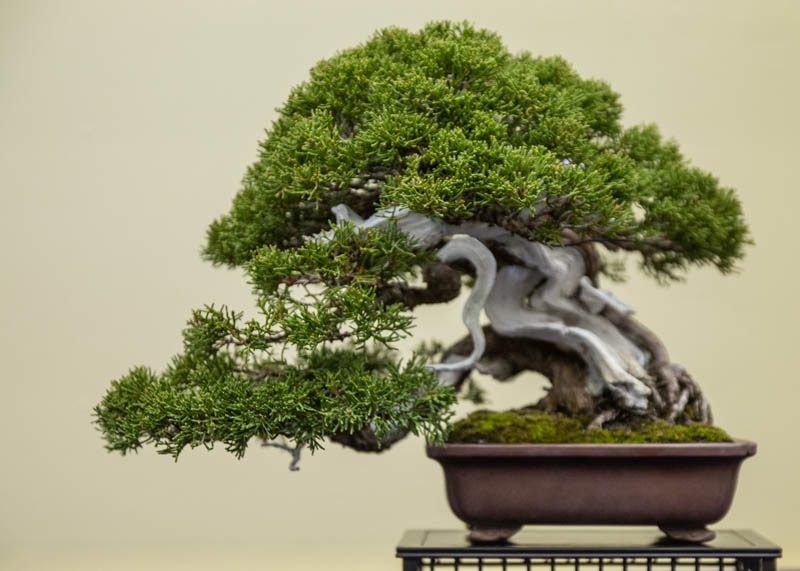
Choosing the right juniper bonsai is key to indoor success. The perfect plant fits your space, light, and care habits. Not every juniper thrives inside. Some types handle indoor conditions better. Picking a healthy plant helps it grow strong. Learn which junipers suit indoor life best.
Selecting Healthy Plants
Check the plant’s color. Healthy junipers are bright green or bluish-green. Avoid yellow or brown needles. Look for firm branches without spots or damage. The roots should not be dry or rotten. Choose plants with new growth. That shows good health. Avoid plants with pests or webs. Healthy plants adapt easier indoors.
Popular Juniper Varieties For Indoors
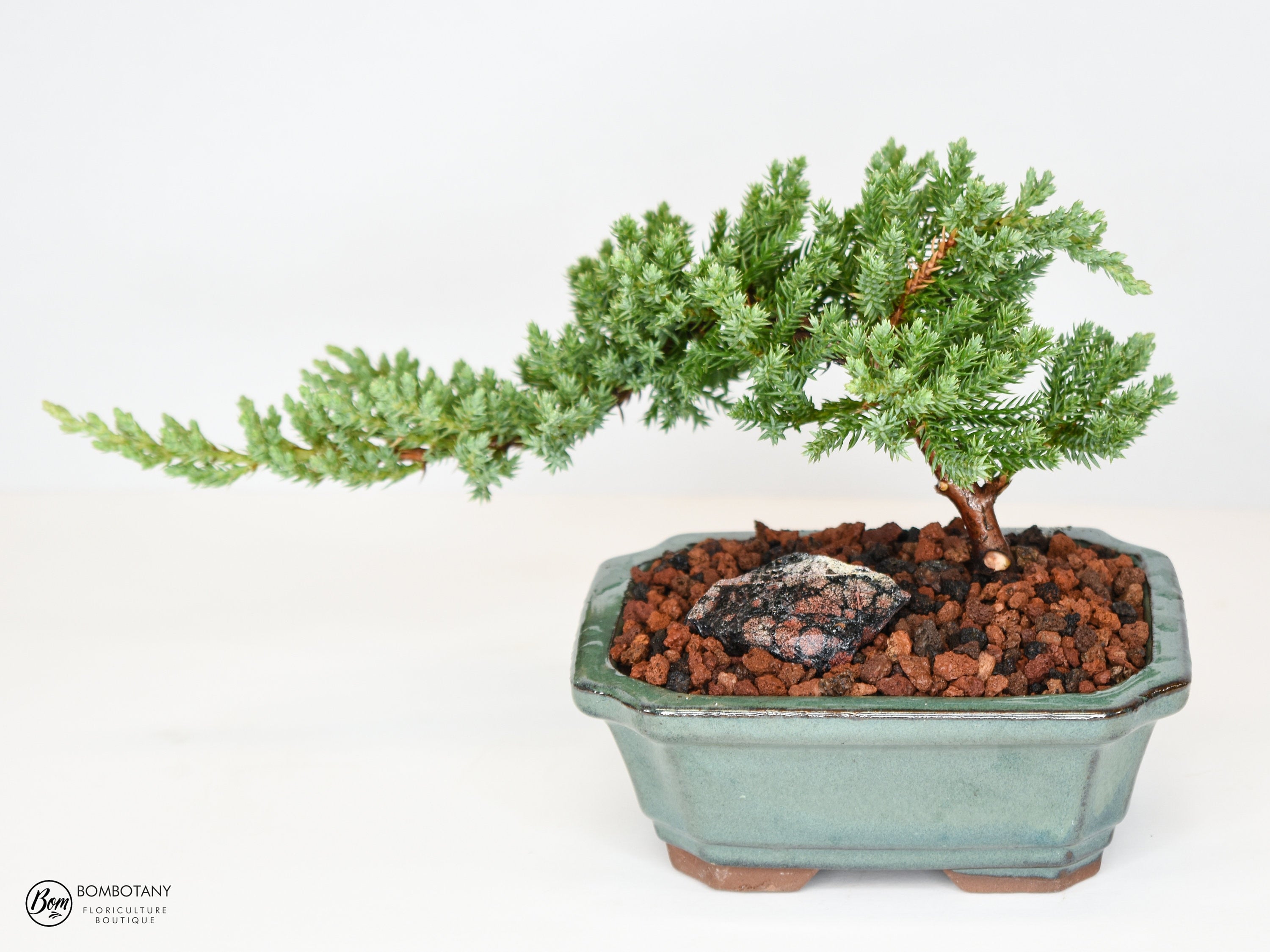
Juniperus procumbens ‘Nana’ is a top choice. It grows slowly and stays small. The dense needles look great inside. Juniperus chinensis adapts well to pots. It has strong branches and fine needles. Juniperus rigida has stiff needles and a rugged look. These varieties handle indoor light better. Pick one that matches your style.
Ideal Indoor Environment
Caring for a juniper bonsai indoors needs the right environment. The tree thrives best with proper light, temperature, and placement. Creating a suitable indoor space helps the bonsai stay healthy and grow strong. Small changes in its environment make a big difference.
Lighting Requirements
Juniper bonsai needs bright light to stay healthy. Place it near a south-facing window if possible. It should get at least 4 to 6 hours of sunlight daily. If natural light is weak, use a grow light for extra brightness. Avoid dark corners or rooms with little sun. Light helps the leaves stay green and vibrant.
Temperature And Humidity
Keep the temperature between 60 and 75 degrees Fahrenheit. Avoid sudden temperature changes or drafts. Junipers do not like warm, dry air. Increase humidity by placing a water tray nearby. Misting the leaves gently can also help. This keeps the bonsai comfortable and prevents leaf drop.
Placement Tips
Choose a spot that stays bright and stable in temperature. Avoid placing the bonsai near heaters or air conditioners. Keep it away from doors that open often to prevent cold drafts. Rotate the tree every week for even light exposure. Proper placement supports balanced growth and strong roots.
Watering Techniques
Watering is one of the most important parts of caring for your juniper bonsai indoors. Proper watering keeps the tree healthy and helps it grow strong. The right amount of water is key. Too much or too little can harm your bonsai.
Juniper bonsai prefers soil that is moist but not soggy. You need to check the soil regularly to know when to water. The goal is to keep the roots healthy and happy.
Frequency And Amount
Water your juniper bonsai every 2 to 3 days. This can change based on the room temperature and humidity. Warm, dry rooms may need more frequent watering.
Pour water slowly until it starts to drain from the bottom of the pot. This ensures the entire root system gets water. Avoid watering just the surface of the soil.
Do not let the soil dry out completely. But avoid keeping it wet all the time. Balance is important for good growth.
Signs Of Overwatering And Underwatering
Overwatered bonsai often shows yellowing leaves. The soil may smell bad or feel soggy. Roots can rot, causing the tree to weaken.
Underwatered bonsai will have dry, brittle needles. The leaves may turn brown and drop off. The soil will feel very dry to touch.
Watch your bonsai daily. Spot these signs early to save your tree. Adjust watering habits based on how the tree responds.
Credit: bombotany.com
Soil And Fertilization
Proper soil and fertilization play a vital role in the health of your indoor juniper bonsai. The right soil ensures good drainage and root growth. Fertilizers provide essential nutrients for strong branches and vibrant foliage. Both elements work together to keep your bonsai thriving indoors.
Best Soil Mixes
Choose soil that drains well and holds moisture without staying soggy. A good mix includes akadama, pumice, and lava rock. These materials help air reach the roots and prevent root rot. Avoid heavy garden soil. It can trap water and harm your bonsai.
Use a soil mix designed for bonsai or create your own blend. The soil should feel light and crumbly. This allows roots to grow deep and spread easily. Proper soil supports healthy root systems and strong growth.
Fertilizing Schedule
Feed your juniper bonsai regularly during the growing season. Use a balanced fertilizer with equal parts nitrogen, phosphorus, and potassium. Apply fertilizer every four weeks from spring to early fall. Skip fertilizing in winter when the bonsai rests.
Use a liquid fertilizer or slow-release pellets. Follow the package instructions for the correct amount. Over-fertilizing can damage roots and leaves. Consistent feeding keeps your bonsai healthy and green.
Pruning And Shaping
Pruning and shaping are key to keeping a juniper bonsai healthy and beautiful. Regular care helps the tree grow in the right form. It also controls size and encourages new growth. This section explains how to prune and shape your indoor juniper bonsai effectively.
Tools And Methods
Use sharp bonsai scissors or pruning shears. Clean tools prevent infections. Cut small branches carefully. Remove dead or yellow leaves first. Trim new shoots to keep the shape. Pinch back new growth with fingers for fine control. Avoid cutting too much at once. Work slowly and check your progress often.
Maintaining Desired Shape
Shape your bonsai by trimming regularly. Focus on keeping the natural style of the tree. Thin out dense areas to let light reach inner branches. Remove crossing branches that spoil the look. Keep the top smaller than the base for balance. Watch for new growth and prune it to keep form. Regular shaping keeps your bonsai neat and healthy.
Repotting Guidelines
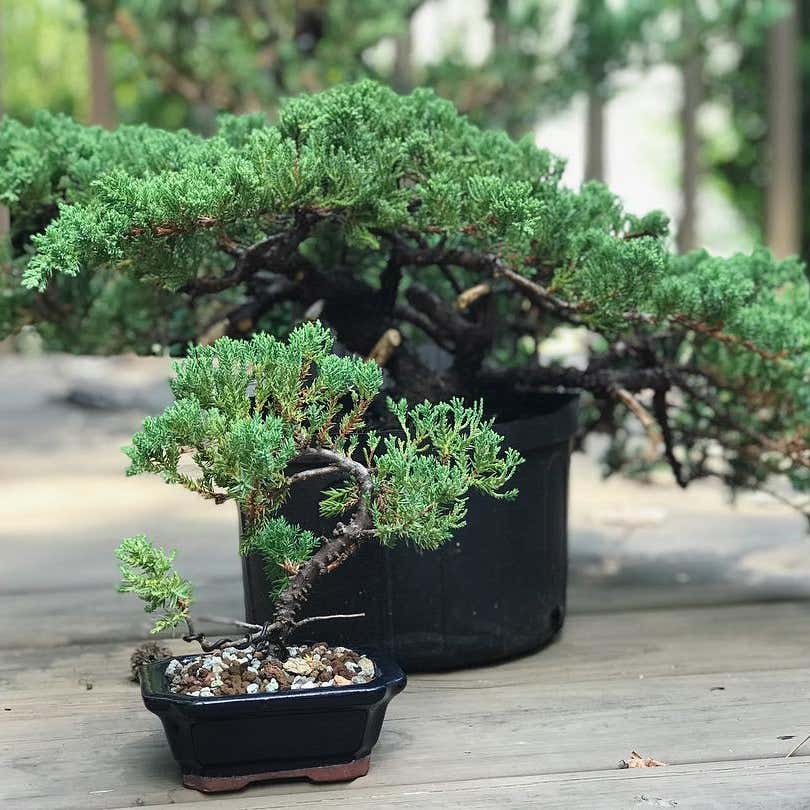
Repotting is a key part of caring for your juniper bonsai indoors. It helps keep the tree healthy and growing well. Over time, roots fill the pot, and soil loses nutrients. Repotting refreshes the soil and gives roots more space.
Proper repotting supports strong roots and prevents the bonsai from becoming root-bound. It also improves water drainage and air flow in the soil. Knowing when and how to repot your juniper bonsai can make a big difference in its health.
When To Repot
Repot your juniper bonsai every 2 to 3 years. Early spring is the best time. The tree is still resting and can recover quickly.
Signs you need to repot include roots growing out of drainage holes. Also, soil dries out very fast or becomes hard. If the tree looks weak or stops growing, check the roots.
Step-by-step Repotting Process
Start by gently removing the bonsai from its pot. Loosen the soil around the roots carefully. Use a small root rake or your fingers.
Trim about one-third of the roots, especially long or dead ones. This encourages new root growth. Avoid cutting thick, healthy roots.
Choose fresh bonsai soil with good drainage. Place some soil at the bottom of the pot. Position the tree in the pot so it sits firmly.
Fill around the roots with soil, pressing lightly to remove air pockets. Water the bonsai well after repotting. Keep it away from direct sunlight for a few days.
Pest And Disease Control
Keeping your juniper bonsai healthy means watching for pests and diseases. These problems can hurt the tree’s growth and beauty. Regular checks help catch issues early. Acting fast keeps your bonsai strong and vibrant.
Common Issues
Spider mites are tiny bugs that cause yellow spots on leaves. Aphids suck sap, making leaves wilt. Scale insects look like small bumps and weaken the tree. Fungal diseases cause leaf spots and needle drop. Root rot happens from too much water and poor drainage.
Natural And Chemical Treatments
Use a strong spray of water to remove pests like spider mites. Insecticidal soap works well against aphids and scales. Neem oil is a safe natural option for many bugs and fungi. For severe infestations, apply a suitable chemical pesticide. Always follow instructions carefully to avoid harming the bonsai.
Seasonal Care Adjustments
Caring for a juniper bonsai indoors needs changes with the seasons. Each time of year brings new challenges for your tree. Adjusting care helps keep your bonsai healthy and strong all year long. Pay attention to temperature, light, and watering needs. These factors shift with the seasons. Follow these tips to support your juniper bonsai through winter and summer.
Winter Care Tips
Juniper bonsai needs cooler temperatures in winter. Keep it near a cold window but avoid frost. Water less often because the tree uses less water. Check soil moisture before watering. Avoid letting the soil dry out completely. Provide bright, indirect light to keep the tree healthy. Do not place the bonsai near heaters or vents. These can dry out the plant and damage roots.
Summer Maintenance
In summer, your bonsai needs more water. Check soil daily and water when the top feels dry. Place the tree where it gets plenty of sunlight. Morning sun is best, but protect from hot afternoon rays. Increase humidity around the bonsai by misting leaves or using a humidity tray. Watch for pests that appear more in warm months. Remove dead leaves and trim new growth to keep the shape.
Credit: greg.app
Frequently Asked Questions
How Often Should I Water My Indoor Juniper Bonsai?
Water your indoor juniper bonsai when the topsoil feels dry. Avoid overwatering to prevent root rot. Typically, watering once or twice a week is sufficient, but adjust based on your home’s humidity and temperature.
What Lighting Conditions Are Best For Juniper Bonsai Indoors?
Juniper bonsai needs bright, indirect sunlight indoors. Place it near a south-facing window for optimal light. Avoid direct harsh sunlight, which can scorch the leaves. Supplement with grow lights if natural light is insufficient.
How Do I Prune My Indoor Juniper Bonsai?
Prune your juniper bonsai regularly to maintain shape and size. Trim new growth with sharp scissors, focusing on unwanted branches. Avoid heavy pruning during winter to prevent stress and promote healthy growth in spring.
What Temperature Is Ideal For Indoor Juniper Bonsai?
Juniper bonsai thrives between 50°F and 75°F (10°C–24°C). Avoid placing it near heating vents or drafts. Maintaining stable temperatures helps prevent stress and encourages healthy growth indoors.
Conclusion
Caring for a juniper bonsai indoors is simple with right steps. Keep it near light and water it carefully. Trim the branches to keep its shape healthy. Watch for pests and keep the air fresh. These small efforts help your bonsai grow strong and beautiful.
Enjoy the calm and joy it brings to your space. A little care goes a long way with this lovely plant.