
If you’ve ever admired the stunning beauty and sweet fragrance of Oriental lilies, you might be wondering how to enjoy them inside your home. Caring for an Oriental lily plant indoors can seem tricky, but with the right tips, you can keep your lilies healthy and blooming for months.
Imagine brightening your living space with vibrant flowers that fill the air with a delightful scent. In this guide, you’ll discover simple steps to help your Oriental lily thrive indoors. Keep reading, and you’ll soon master the secrets to nurturing these gorgeous plants right in your own home.
Credit: www.gardeningknowhow.com
Choosing The Right Oriental Lily
Choosing the right Oriental lily for indoor growth sets the foundation for a healthy plant. Different varieties suit indoor conditions better. Some lilies thrive in pots and limited space. Others need more sunlight or care. Picking the right type helps avoid common problems. It also makes care easier and more rewarding.
Healthy bulbs are key to strong growth. They store energy to support roots and flowers. Careful selection prevents disease and poor blooms. Focus on bulbs that look firm and fresh. Avoid those with soft spots or mold. Quality bulbs boost your chances of success indoors.
Popular Varieties For Indoors
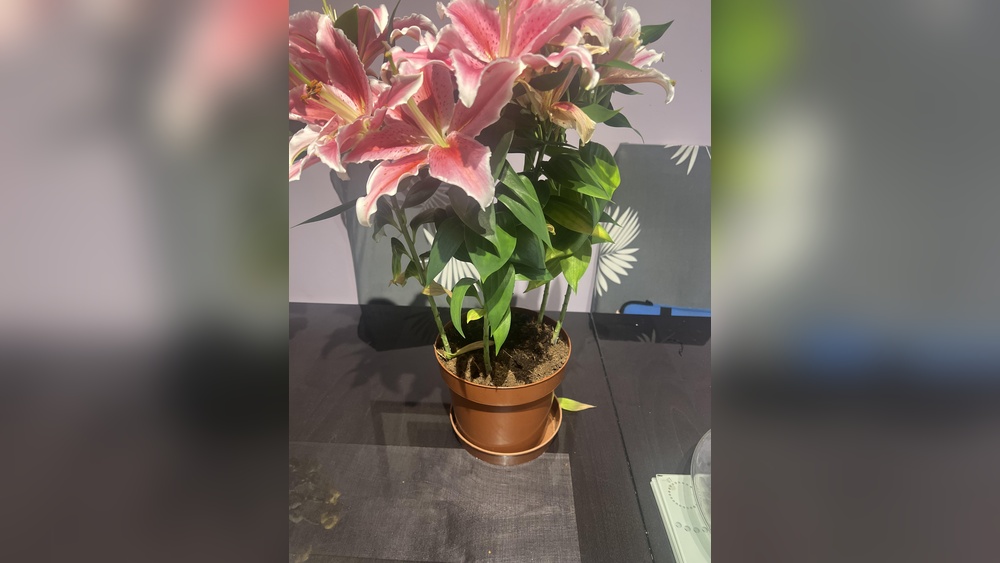
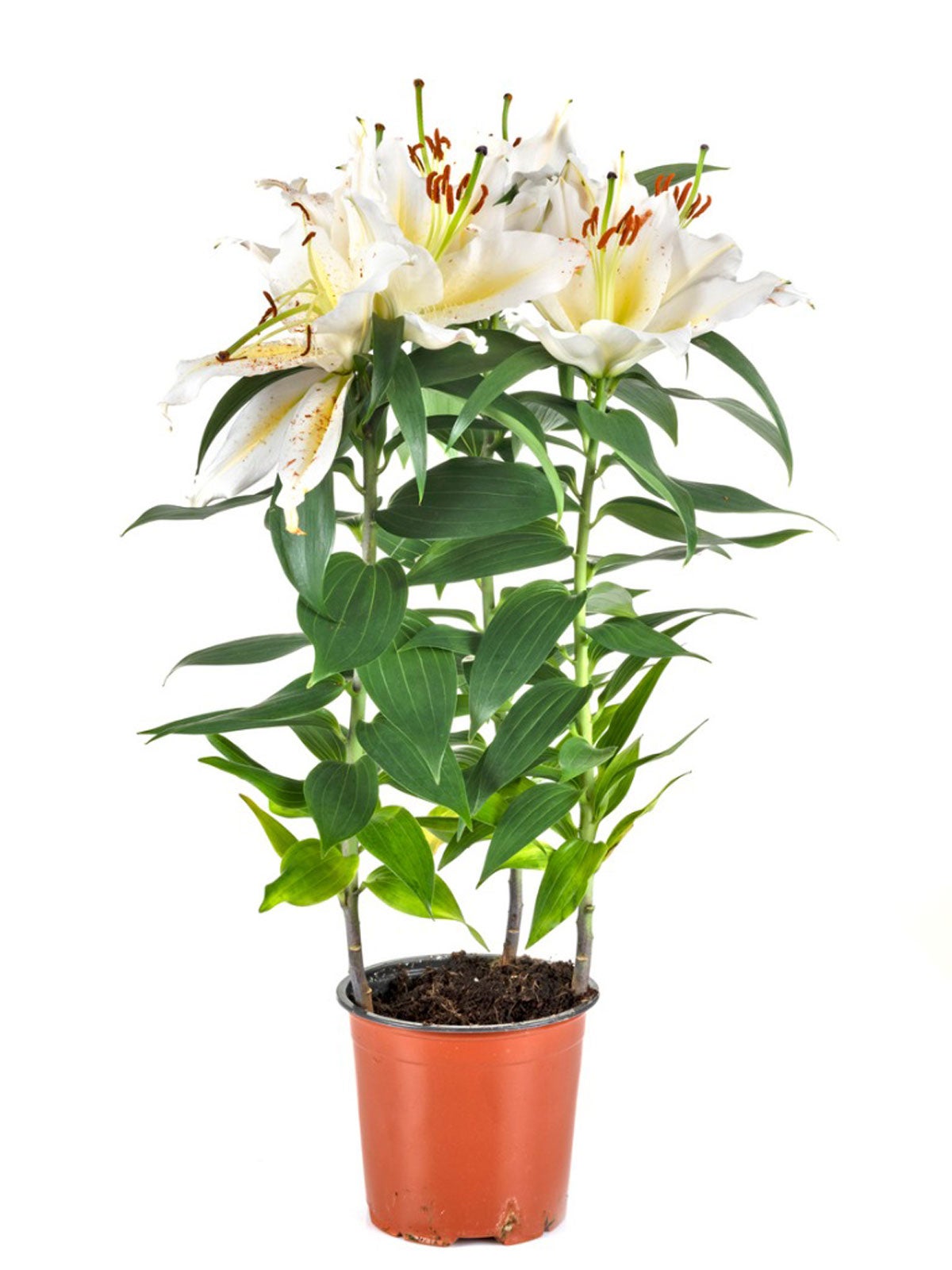
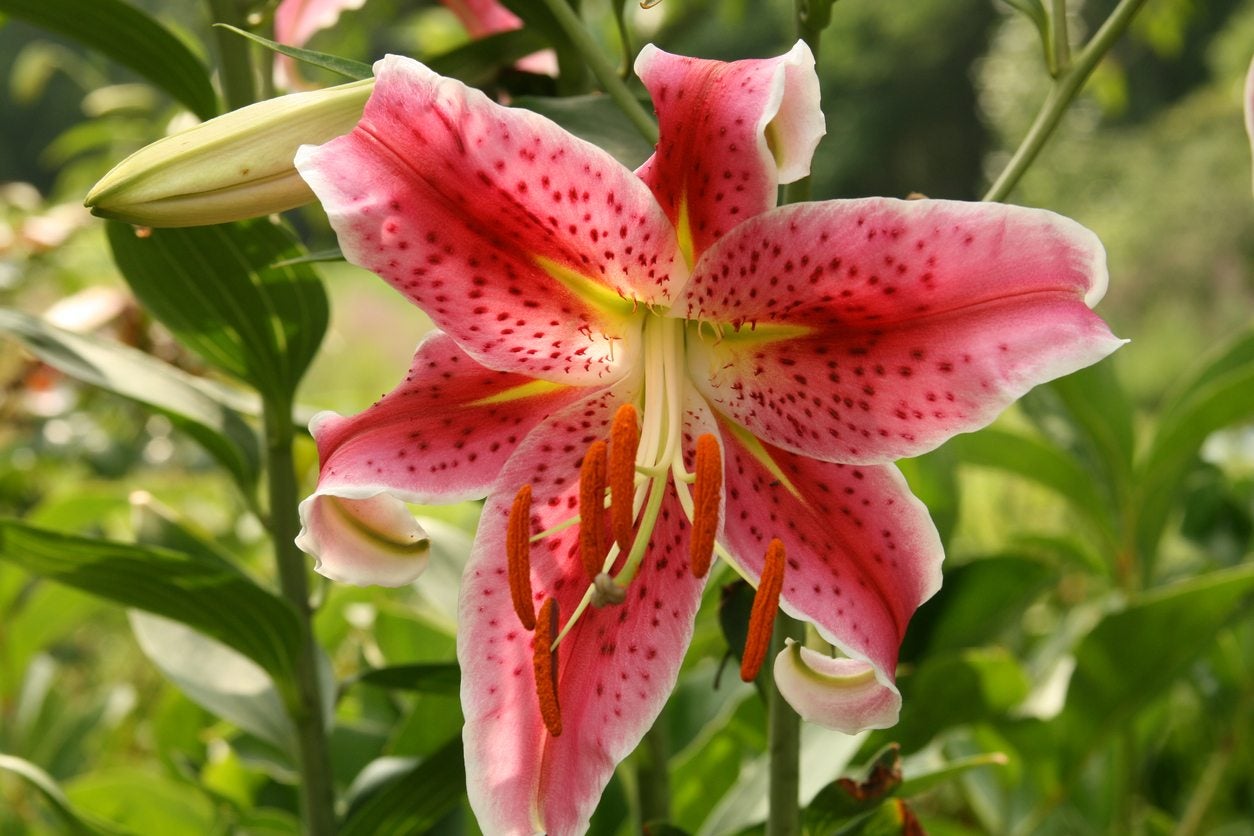
Some Oriental lilies adapt well to indoor life. ‘Casa Blanca’ is known for its large, white, fragrant flowers. ‘Stargazer’ shows bright pink petals with spots and a sweet scent. ‘Muscadet’ offers creamy white blooms that last long. These varieties do well in pots and indoor light. Their size fits most indoor spaces. They provide color and fragrance without too much fuss.
Selecting Healthy Bulbs
Choose bulbs that feel firm and heavy for their size. Avoid bulbs with soft patches or dry, shriveled skin. Check for mold or dark spots, which signal disease. Fresh bulbs often have a smooth, clean surface. They should be free from cuts or bruises. Good bulbs have a healthy smell, not musty or sour. Starting with strong bulbs leads to better growth and flowers.
Ideal Indoor Environment
Creating the right indoor environment helps your Oriental lily thrive. These plants need specific conditions to grow well inside your home. Pay attention to light, temperature, and humidity to keep them healthy and blooming.
Light Requirements
Oriental lilies need bright light but not direct sunlight. Place them near a window with filtered light. Avoid harsh sun rays that can burn the leaves. A spot with morning sun and afternoon shade works best.
Temperature And Humidity
Keep the room temperature between 65 and 75 degrees Fahrenheit. Avoid cold drafts and sudden temperature changes. Oriental lilies prefer moderate humidity. Use a humidifier or place a water tray nearby to raise moisture levels.
Planting And Potting Tips
Planting and potting are the first steps to help your Oriental lily grow well indoors. Choosing the right soil and pot makes a big difference. These tips guide you to create the best home for your plant.
Soil Mix Recommendations
Use soil that drains water quickly but holds some moisture. A mix of peat moss, perlite, and garden soil works well. This mix keeps roots healthy and prevents waterlogging.
Choose soil with a slightly acidic to neutral pH. This helps the plant absorb nutrients easily. Avoid heavy or clay soils. They trap too much water and harm the roots.
Choosing The Right Pot
Select a pot with good drainage holes at the bottom. This lets excess water escape. Without drainage, roots can rot quickly.
Pick a pot size slightly bigger than the bulb. Too large pots hold excess water and cause root problems. A pot about 6 to 8 inches wide is ideal for one bulb.
Materials like terracotta help soil dry faster. Plastic pots keep moisture longer. Choose based on your indoor humidity and watering habits.

Credit: www.reddit.com
Watering Guidelines
Watering is key to keeping your Oriental lily healthy indoors. Proper watering helps the plant grow strong and bloom beautifully. Too little or too much water can harm the plant. Learn the right way to water for best results.
Frequency And Amount
Water your Oriental lily once or twice a week. Check the top inch of soil first. If it feels dry, water the plant. Use enough water to moisten the soil evenly. Avoid letting water sit in the pot’s bottom. Good drainage is important to prevent root rot.
Signs Of Overwatering And Underwatering
Leaves that turn yellow or feel soft may mean overwatering. Roots may rot, causing the plant to wilt. On the other hand, dry, crispy leaves show underwatering. The soil will feel hard and dry to touch. Watch your plant closely to catch these signs early.
Fertilizing Your Lily
Fertilizing your Oriental lily is key to healthy growth and bright flowers. Indoor lilies need extra nutrients that soil alone cannot provide. Proper feeding helps the plant bloom better and stay strong. Knowing the right fertilizer and timing makes a big difference.
Best Fertilizer Types
Choose a balanced fertilizer with equal parts nitrogen, phosphorus, and potassium. A 10-10-10 or 20-20-20 mix works well. Slow-release fertilizers give nutrients over time. Liquid fertilizers absorb quickly and suit indoor plants. Organic options like compost tea or fish emulsion also help.
Feeding Schedule
Feed your lily every two to four weeks during its growing season. Start in early spring when new growth appears. Stop feeding once flowers fade and leaves yellow. Overfeeding can harm the plant. Always follow package instructions for amounts. Water the plant before and after fertilizing to avoid root burn.
Managing Pests And Diseases
Managing pests and diseases is key to keeping your Oriental lily healthy indoors. Pests can damage leaves and stems, slowing growth. Diseases may cause spots, wilting, or rot. Early detection helps stop these problems fast.
Common Pests Indoors
Spider mites often attack Oriental lilies. They leave tiny webs and cause leaves to yellow. Aphids are small insects that suck plant sap. They make leaves curl and look sticky. Mealybugs appear as white, cottony spots on stems and leaves. Scale insects look like small bumps and feed on plant juices.
Preventive Measures
Check plants regularly for signs of pests. Use a soft cloth or spray water to clean leaves. Keep the air around plants fresh and dry. Avoid overwatering; damp soil attracts bugs. Quarantine new plants before placing them near lilies. Use insecticidal soap or neem oil if pests appear. Remove damaged or infected leaves to stop disease spread.
Pruning And Deadheading
Pruning and deadheading are key steps in caring for your Oriental lily plant indoors. These tasks keep your plant tidy and healthy. They help your lily use energy better. This leads to more flowers and stronger growth.
Encouraging New Blooms
Deadheading means removing old, faded flowers. Cut the flower stem just above a leaf node. This stops the plant from making seeds. The energy goes to making new buds instead. Regular deadheading can lead to more blooms. It keeps your lily looking fresh for longer.
Pruning also helps. Trim any weak or yellow leaves. This lets the plant focus on strong growth. Cut back stems after flowering ends. This encourages the plant to rest and prepare for the next bloom.
Maintaining Plant Health
Pruning removes damaged or diseased parts. This prevents problems from spreading. Use clean, sharp scissors to avoid harm. Check your lily often for signs of pests or disease. Remove any dead or brown leaves quickly.
Good pruning improves air flow around the plant. This reduces the chance of mold or fungus. It also lets light reach all parts of the plant. Healthy leaves make more food for the lily.
Credit: www.gardeningknowhow.com
Seasonal Care And Dormancy
Seasonal care and dormancy are key to keeping Oriental lilies healthy indoors. These plants need rest periods to grow strong and bloom beautifully. Understanding how to manage their seasonal changes helps them last for years.
During certain times, Oriental lilies slow down and enter dormancy. This is a natural phase. Proper care during this time ensures the plant survives and regrows well.
Preparing For Dormant Period
Stop watering the plant when leaves begin to yellow. This signals the plant to rest. Move the lily to a cooler spot, around 50-55°F (10-13°C). Avoid direct sunlight during dormancy. Cut back dead stems but keep the bulb intact. Do not fertilize during this time. Keep soil slightly moist but not wet.
Reviving After Dormancy
Bring the plant back to a warmer place with bright light. Resume watering slowly, making soil moist but not soggy. Start feeding with a balanced fertilizer every two weeks. New growth should appear within a few weeks. Remove any dead or dry leaves carefully. Keep the plant in moderate temperature, around 65-75°F (18-24°C). This helps the lily grow strong and bloom again.
Frequently Asked Questions
How Often Should I Water My Indoor Oriental Lily?
Water your Oriental lily when the top inch of soil feels dry. Avoid overwatering to prevent root rot. Ensure good drainage to keep roots healthy. Typically, watering once a week is sufficient indoors.
What Light Conditions Do Oriental Lilies Need Indoors?
Oriental lilies thrive in bright, indirect sunlight indoors. Place them near a window with filtered light. Avoid direct harsh sunlight, which can scorch the leaves. Consistent bright light promotes healthy growth and blooming.
How Do I Fertilize An Oriental Lily Plant Indoors?
Use a balanced, water-soluble fertilizer every 4-6 weeks during the growing season. Dilute the fertilizer to half strength to avoid burning roots. Fertilizing supports strong blooms and healthy foliage.
Can Oriental Lilies Bloom Indoors Year-round?
Indoors, Oriental lilies usually bloom once per year in spring or summer. Proper care and rest periods are essential. Repotting and dormancy help encourage yearly blooms.
Conclusion
Caring for your indoor Oriental lily is simple and rewarding. Keep the plant in bright, indirect light and water it regularly. Use well-draining soil to avoid root problems. Watch for pests and remove dead leaves to keep the plant healthy.
With a little care, your lily will bloom beautifully. Enjoy the lovely scent and bright flowers in your home. Growing Oriental lilies indoors brings nature closer and adds charm to any room. Give your plant attention, and it will thrive.

