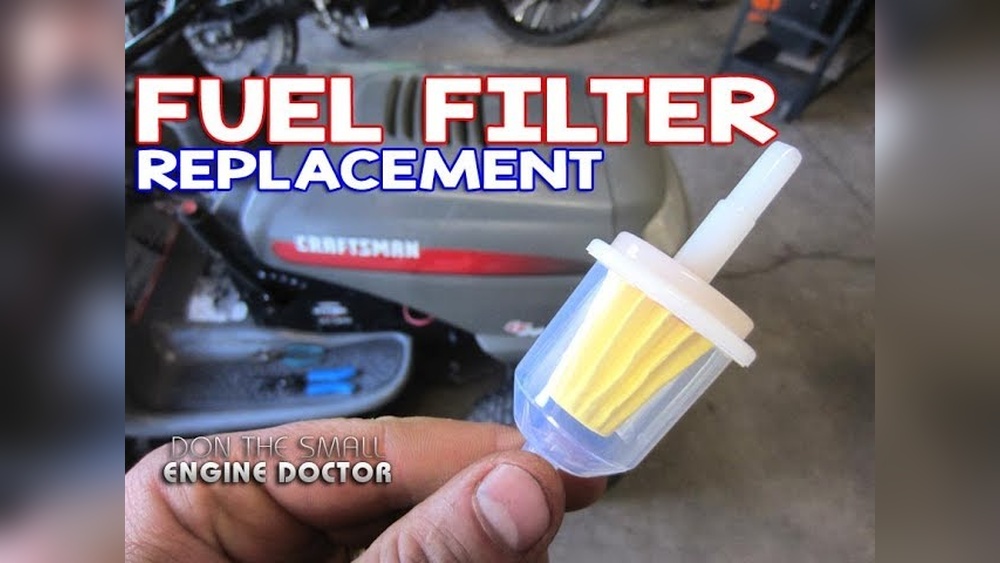
Changing your diesel fuel filter might sound tricky, but it’s a simple task that can save you time and money. If your engine is running rough, or you notice a drop in power, your fuel filter could be the cause.
Learning how to change it yourself means you won’t have to wait for a mechanic or pay extra fees. In this guide, you’ll get clear, step-by-step instructions that anyone can follow. Ready to keep your diesel engine running smoothly? Let’s dive in and get your fuel filter replaced quickly and easily.

Credit: www.youtube.com
Signs You Need To Change The Fuel Filter
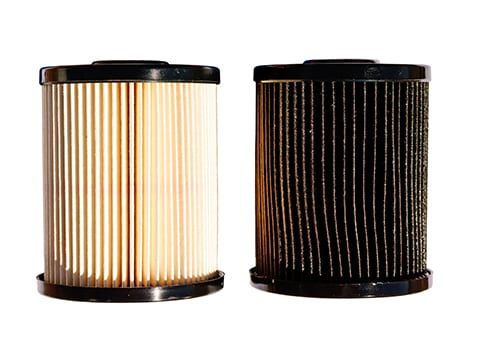
Knowing the signs that the diesel fuel filter needs changing helps keep your engine healthy. The fuel filter traps dirt and debris from the diesel fuel. Over time, it gets clogged and stops working well. Ignoring these signs can cause bigger engine problems.
Common Symptoms
A clogged fuel filter causes several noticeable problems. The engine may struggle to start or fail to start at all. You might hear sputtering sounds or notice rough idling. Sometimes, the engine hesitates during acceleration. Fuel smells inside the vehicle can also signal a bad filter.
Impact On Engine Performance
A dirty fuel filter lowers engine power and efficiency. The engine may lose strength and feel sluggish. Fuel flow becomes uneven, causing misfires or stalling. Poor fuel delivery can increase fuel consumption. Long-term use of a bad filter risks damaging the fuel pump.
Tools And Materials Required
Changing a diesel fuel filter needs certain tools and materials. Having the right items ready makes the job easier and safer. This section explains what tools and safety gear you need before starting.
Essential Tools
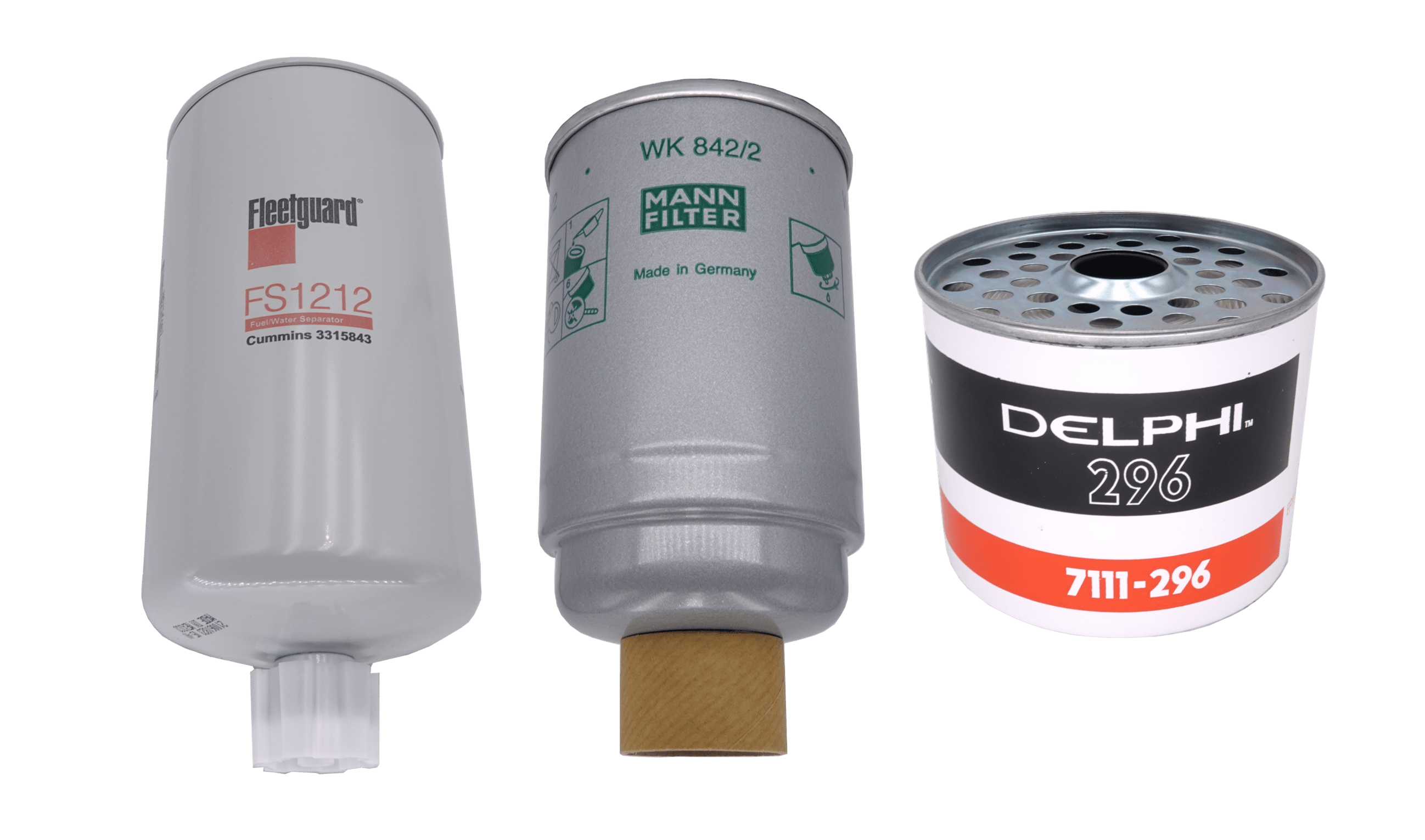
You need a wrench set to loosen and tighten bolts. A fuel filter wrench fits the filter perfectly. A drain pan collects fuel that spills out. Screwdrivers help remove clamps or covers. Some filters need a special tool for removing air from the system. Clean rags are useful for wiping spills and dirt. A new diesel fuel filter must match your vehicle model.
Safety Gear
Wear safety goggles to protect your eyes from fuel splashes. Gloves keep your hands clean and safe from chemicals. Use old clothes or a coverall to avoid stains. Work in a well-ventilated area to avoid breathing fumes. Keep a fire extinguisher nearby for emergencies. Safety comes first when handling diesel fuel.
Preparing Your Vehicle
Preparing your vehicle before changing the diesel fuel filter is important. It helps avoid problems and keeps you safe. Taking the right steps makes the job easier and faster.
Locating The Fuel Filter
First, find the diesel fuel filter on your vehicle. Most are near the engine or under the car. Check the owner’s manual for exact location. Look for a small, canister-shaped part attached to fuel lines.
Clean the area around the filter. Dirt can enter the fuel system during the change. Use a rag or brush to remove dust and grime.
Ensuring Safety Measures
Wear gloves and safety glasses to protect your hands and eyes. Diesel fuel can irritate skin and eyes. Work in a well-ventilated area to avoid breathing fumes.
Turn off the engine and let it cool. Hot parts can cause burns. Relieve fuel system pressure before removing the filter. This prevents fuel spray and spills.
Removing The Old Fuel Filter
Removing the old fuel filter is an important step in changing a diesel fuel filter. This process helps keep your engine running smoothly and prevents dirt from clogging the fuel system. Take your time and follow each step carefully to avoid fuel leaks or damage.
Relieving Fuel System Pressure
Start by releasing the pressure in the fuel system. This stops fuel from spraying out during removal. Locate the fuel pump fuse or relay and remove it. Then, turn the engine on and let it run until it stops. This uses up the remaining fuel pressure. After the engine stops, turn off the ignition.
Disconnecting Fuel Lines
Next, disconnect the fuel lines attached to the old filter. Use a wrench or special tool for this. Be careful not to bend or damage the lines. Keep a cloth or container ready to catch any fuel that may leak out. Work slowly to avoid spills and messes.
Removing The Filter
Now, remove the old fuel filter from its bracket. Some filters twist off, while others may need bolts removed. Check your vehicle’s manual for details. Dispose of the old filter properly. Avoid spilling fuel by holding the filter upright during removal.
Installing The New Fuel Filter
Installing the new fuel filter is a key step in maintaining your diesel engine. This process ensures clean fuel flows smoothly, protecting the engine from dirt and damage. Follow these steps carefully to fit the new filter correctly and safely.
Positioning The Filter Correctly
Place the new fuel filter in the same spot as the old one. Check the arrow on the filter body. This arrow shows the fuel flow direction. Make sure it points toward the engine. Align the filter so it fits snugly without forcing it.
Reconnecting Fuel Lines
Attach the fuel lines to the new filter’s inlet and outlet. Push the lines firmly to avoid leaks. Use new clamps if possible. Tighten them securely but do not over-tighten. Loose connections cause leaks. Tight ones can damage the lines.
Securing The Filter
Fasten the filter in place using the bracket or mounting clip. Check that it does not move or wobble. A secure filter avoids vibrations and damage. Double-check all connections before starting the engine.
Credit: www.merlindiesel.com
Bleeding Air From The Fuel System
Bleeding air from the fuel system is a crucial step after changing a diesel fuel filter. Air trapped in the fuel lines can cause the engine to stall or run poorly. Removing this air ensures the fuel flows smoothly and the engine starts easily.
Even a small bubble of air can disrupt the diesel engine’s performance. Bleeding the system clears these bubbles and restores proper fuel pressure. This process helps maintain engine power and prevents damage to fuel components.
Why Bleeding Is Important
Air in the fuel system blocks fuel flow to the engine. This causes rough idling and difficulty starting the engine. The engine may also lose power or stop running.
Bleeding removes air pockets and restores the fuel’s steady flow. It protects fuel pumps and injectors from damage. Clean fuel without air ensures better engine performance and longer parts life.
Step-by-step Bleeding Process
First, locate the fuel filter’s bleed screw or valve. Open it slightly to allow air to escape.
Next, use the manual primer pump or turn the ignition key to run the fuel pump. Watch for fuel to flow without bubbles.
Close the bleed screw once clear fuel appears. Repeat this process if air bubbles continue to show.
Finally, start the engine and check for smooth operation. If the engine sputters, repeat the bleeding steps again.
Testing The Fuel Filter Replacement
Testing the fuel filter replacement is a key step after installation. It ensures the new filter works properly and the engine runs smoothly. This step helps catch leaks and performance issues early. Follow these simple checks to confirm the job is done right.
Starting The Engine
Start the engine slowly. Let it run at idle speed. Listen for unusual sounds or rough running. The engine should start easily without hesitation. If it struggles, there might be air in the fuel line. Pump the fuel primer if your vehicle has one. This clears air and helps fuel flow smoothly.
Checking For Leaks And Performance
Look around the fuel filter for leaks. Check all connections and seals carefully. Use a clean cloth to spot any wet spots. Watch the engine’s response as you increase speed. It should accelerate smoothly without stalling. Poor performance might mean the filter is clogged or installed incorrectly. Fix leaks immediately to avoid damage.
Tips For Maintaining Your Diesel Fuel Filter
Maintaining your diesel fuel filter is key for your engine’s health and performance. A clean filter stops dirt and water from damaging the fuel system. Regular care helps avoid costly repairs and keeps your vehicle running smoothly.
Recommended Replacement Intervals
Check your vehicle’s manual for the exact replacement schedule. Most diesel fuel filters need changing every 10,000 to 15,000 miles. Replace the filter sooner if you drive in dusty or harsh conditions. Staying on schedule prevents clogging and engine issues.
Preventive Maintenance Practices
Drain water from the filter regularly to avoid contamination. Use clean tools and a proper workspace to keep dirt out. Inspect the filter for cracks or leaks during every oil change. Keep an eye on fuel quality to reduce filter wear.
Credit: www.waynesautocenter.com
Frequently Asked Questions
How Often Should I Change A Diesel Fuel Filter?
Typically, change your diesel fuel filter every 10,000 to 25,000 miles. Check your vehicle manual for exact intervals. Regular changes prevent clogging and engine damage. It ensures clean fuel flow and optimal engine performance.
What Tools Do I Need To Replace A Diesel Fuel Filter?
You need a wrench, screwdrivers, a drain pan, and a new fuel filter. Safety gloves and eye protection are recommended. Having these tools handy makes the replacement process smooth and efficient.
Can I Change A Diesel Fuel Filter Myself Safely?
Yes, with proper tools and precautions, you can replace it yourself. Work in a well-ventilated area and avoid open flames. Follow vehicle-specific instructions carefully to prevent fuel spills and engine issues.
What Are Signs Of A Clogged Diesel Fuel Filter?
Common signs include engine misfires, reduced power, hard starting, and poor fuel efficiency. You may also notice unusual noises or stalling. Recognizing these symptoms early helps avoid costly repairs.
Conclusion
Changing a diesel fuel filter helps keep your engine clean and running well. It prevents dirt and debris from damaging the fuel system. Regular changes save money on repairs and improve fuel efficiency. Always follow safety steps and use the right tools.
Taking time to do this task can extend your vehicle’s life. A clean fuel filter means better performance and fewer problems down the road. Try to check the filter often and replace it as needed. Simple care makes a big difference for your diesel engine.