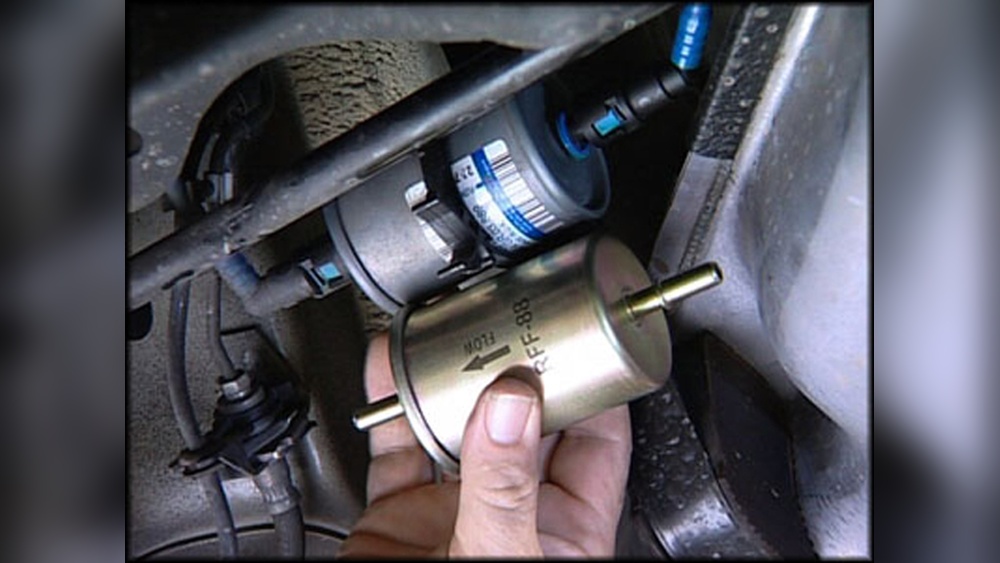
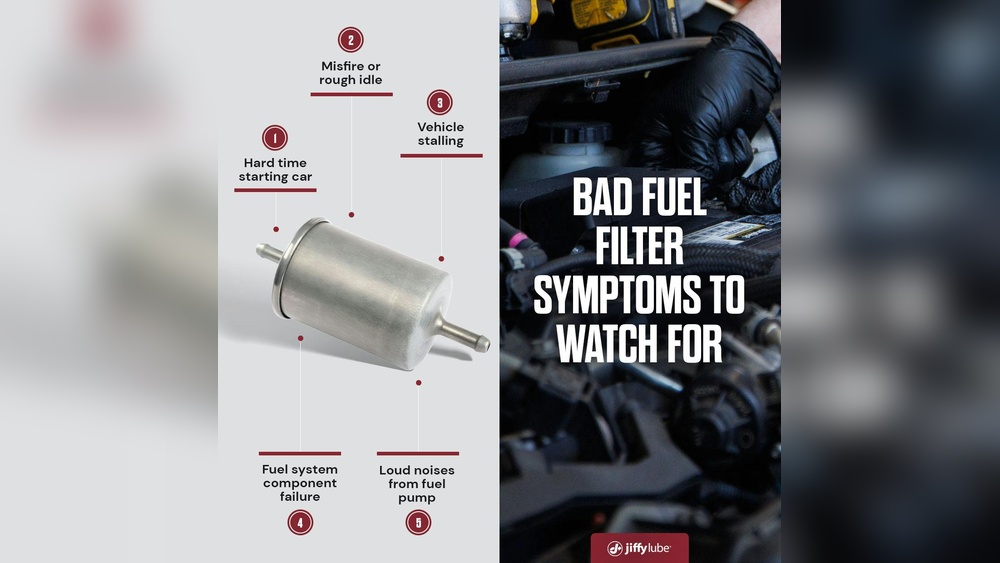
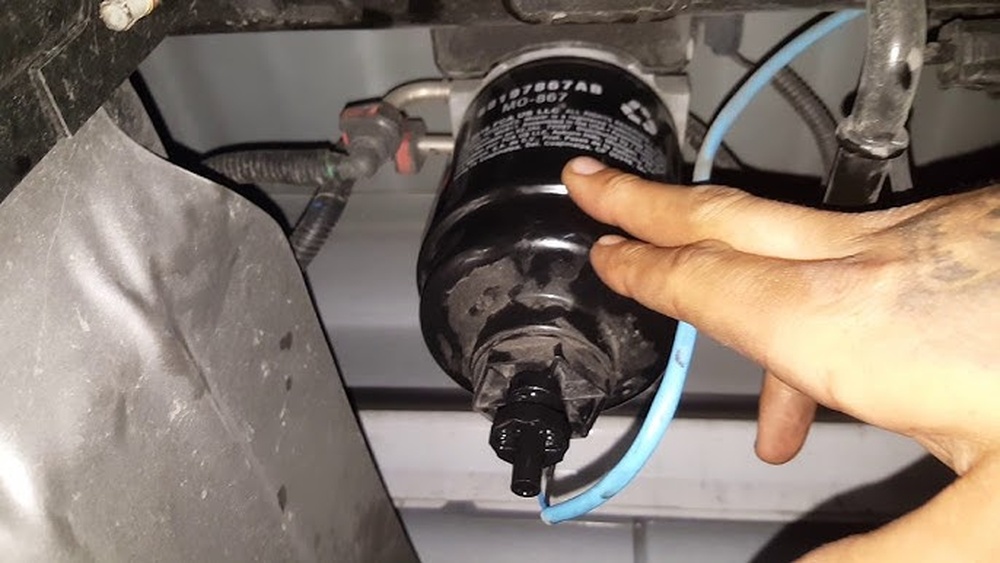
If you drive a Ford F350 diesel, keeping your fuel filter clean is key to keeping your truck running strong. Changing the fuel filter might sound tricky, but with the right steps, you can do it yourself and save time and money.
In this guide, you’ll learn exactly how to change the fuel filter on your Ford F350 diesel quickly and safely. Follow along, and soon your engine will be breathing easier and performing better. Ready to take control of your truck’s maintenance?
Let’s get started.
Tools And Materials Needed
Changing the fuel filter on a Ford F350 diesel requires some basic tools and materials. Having the right items ready makes the job easier and faster. It also helps avoid mistakes that could harm your truck.
Prepare all tools before starting. This saves time and keeps the work area organized. Here is a list of what you will need for this task.
Wrenches And Sockets
A set of wrenches and sockets is essential. Use them to loosen and tighten bolts on the fuel filter housing. Sizes 10mm to 19mm are common for this job.
Fuel Filter Replacement
Buy a new fuel filter made for the Ford F350 diesel model. Check the part number to ensure a perfect fit. Using the correct filter protects the engine from dirt and debris.
Drain Pan
A drain pan catches fuel that leaks during the change. This prevents spills and keeps your workspace clean. Use a pan large enough to hold several cups of diesel.
Gloves And Safety Glasses
Wear gloves to protect your hands from fuel and dirt. Safety glasses shield your eyes from splashes. Safety gear keeps you safe and comfortable.
Rags Or Shop Towels
Keep rags or shop towels nearby. They help wipe up spills and clean the filter area. Use disposable towels to avoid spreading dirt.
Fuel Line Disconnect Tool
Some models need a special tool to disconnect fuel lines safely. This tool prevents damage to the lines and fittings. Check if your truck requires this tool before starting.
Locating The Fuel Filter
Knowing where the fuel filter sits in your Ford F350 diesel is the first step to change it. The fuel filter cleans dirt and rust from the fuel. This keeps the engine running smooth and safe.
The Ford F350 diesel has a fuel filter placed in a specific spot. Finding it fast saves time and effort. It also helps avoid mistakes during replacement.
Understanding The Fuel Filter Location
The fuel filter is usually near the engine. It connects to fuel lines that carry diesel from the tank. Most Ford F350 models have the filter on the driver’s side, close to the engine bay.
Checking Under The Hood
Open the hood and look near the engine block. The fuel filter is a small, cylindrical part. It often has metal or plastic casing. Look for fuel lines attached to it.
Consulting The Owner’s Manual
The owner’s manual shows exact fuel filter locations. It includes clear diagrams and instructions. This guide helps confirm the filter position on your truck model.
Preparing The Vehicle
Preparing the vehicle is a key first step before changing the fuel filter on a Ford F350 diesel. This ensures the process is safe and smooth. Taking time to prepare protects both you and your truck.
Start by getting the truck ready to avoid accidents and damage. Follow clear steps to make the job easier and safer.
Safety Precautions
Always work in a well-ventilated area. Diesel fuel fumes can be harmful. Wear safety glasses and gloves to protect your eyes and skin. Keep a fire extinguisher nearby. Diesel is flammable and needs careful handling. Avoid smoking or using open flames near the fuel system. Disconnect the battery to stop electrical sparks. Make sure the truck is on a flat surface and the parking brake is on. Use wheel chocks to prevent the truck from moving.
Relieving Fuel Pressure
Relieve the fuel pressure before starting work. This prevents fuel spray and spills. Locate the fuel pump fuse in the fuse box. Remove the fuse and start the engine. Wait until the engine stops running. This shows the fuel pressure is gone. Turn off the ignition and replace the fuse. Have a rag ready to catch any fuel drips. Take your time to avoid mess and injury.
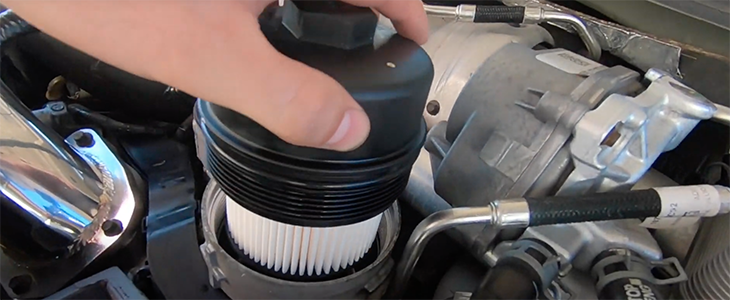
Credit: ecogard.com
Removing The Old Fuel Filter
Removing the old fuel filter from a Ford F350 diesel is a key step in its replacement. This process helps maintain engine health and fuel efficiency. Start carefully to avoid fuel spills and damage to the fuel system. Follow each step with attention to detail for a smooth removal.
Prepare your workspace with rags and a container to catch any fuel. Wear gloves to protect your hands from diesel fuel. The old filter will come out easier if you handle each part gently but firmly.
Disconnecting Fuel Lines
Locate the fuel lines attached to the filter. Use a wrench to loosen the fittings slowly. Keep a rag underneath to catch any dripping fuel. Press the quick-connect clips if your model has them. Pull the lines off carefully to avoid damage.
Seal the open fuel lines with caps or clean rags. This stops dirt from entering the fuel system. Work patiently to prevent fuel leaks and spills.
Removing Filter Housing
Find the filter housing securing bolts or clamps. Use the proper tool to loosen and remove them. Hold the housing firmly as you pull it away from the mounting bracket. Some diesel filters may have a drain valve; open it to drain excess fuel first.
Place the old filter and housing on a clean surface. Check the area for any dirt or debris. Clean the mounting area before installing the new filter to ensure a tight seal.
Installing The New Fuel Filter
Installing the new fuel filter in your Ford F350 diesel is a crucial step. It ensures clean fuel flows into the engine. This helps the engine run smoothly and last longer. Proper installation prevents leaks and other issues.
Positioning The New Filter
Hold the new fuel filter upright. Check the direction arrow on the filter. It shows the correct fuel flow direction. Place the filter in the mount securely. Make sure it fits snugly without forcing it. The filter should not move once installed.
Reconnecting Fuel Lines
Attach the fuel lines carefully to the filter. Match the lines to the correct filter ports. Push the lines firmly until they click or seal tightly. Use clamps if your model requires them. Check that no fuel leaks from the connections. Tight connections ensure proper fuel flow and safety.
Priming The Fuel System
Priming the fuel system is an important step after changing the fuel filter on a Ford F350 diesel. It helps remove air from the fuel lines and ensures the engine gets a steady flow of diesel. Without proper priming, the engine may not start or may run poorly.
This process prepares the fuel pump and injectors for smooth operation. It also prevents damage caused by air pockets in the system. Follow these steps carefully to prime the fuel system correctly.
Locate The Primer Pump
Find the primer pump near the fuel filter assembly. It looks like a small hand pump or a button. This pump moves diesel through the lines to remove trapped air.
Use The Primer Pump Correctly
Press or pump the primer slowly. You will feel resistance as fuel fills the lines. Keep pumping until you see fuel without air bubbles coming out.
Check For Leaks
Look around the fuel filter and connections. Make sure no diesel leaks while priming. Tighten any loose fittings before starting the engine.
Start The Engine
Try to start the engine after priming. It might take a few tries as the fuel system fully fills. Once the engine runs smoothly, priming is complete.
Testing For Leaks And Proper Operation
Testing for leaks and proper operation is crucial after changing the fuel filter on a Ford F350 diesel. It ensures the engine runs smoothly and safely. Leaks can cause fuel loss and engine problems. Proper operation means the fuel flows correctly and the engine performs well.
Take time to carefully inspect and test. Catching leaks early saves costly repairs later. Make sure everything is tight and sealed.
Visual Inspection For Fuel Leaks
Start with a careful visual check around the fuel filter. Look for wet spots or drips. Use a flashlight to see under the filter and hoses. Pay close attention to the filter seals and fittings. Any sign of fuel means a leak. Tighten connections if needed. Replace damaged parts for safety.
Starting The Engine And Checking Pressure
Turn the key to start the engine. Watch for fuel leaks while the engine runs. Listen for unusual sounds like sputtering or coughing. These can mean air in the fuel line or a bad seal. Use a fuel pressure gauge to check the line pressure. The pressure should match Ford’s specs. Low pressure signals a problem in the filter or fuel pump.
Monitoring Engine Performance
Let the engine run for several minutes. Check for smooth idling and steady power. Watch the dashboard for warning lights. Rough running or stalling may mean an installation issue. Re-check all connections and the filter’s orientation. Proper operation means no leaks and stable engine function.

Credit: www.amazon.in
Maintenance Tips
Maintaining the fuel filter in your Ford F350 Diesel is key to keeping the engine running smoothly. Clean fuel filters stop dirt and debris from damaging the engine parts. Regular care helps avoid costly repairs and improves fuel efficiency.
Here are simple tips to help you keep the fuel filter in good shape. These steps make the replacement process easier and extend the life of your truck.
Check Fuel Filter Regularly
Look at the fuel filter every few months. Signs of clogging include rough idling or engine misfires. Catching problems early saves time and money.
Use Quality Fuel
Fill your tank with clean, high-quality diesel. Dirty fuel clogs filters faster. Good fuel helps the filter last longer and protects the engine.
Drain Water From The Filter
Diesel fuel can contain water. Water damages the engine and filter. Drain water from the fuel filter bowl often to keep it dry.
Replace Filter On Time
Follow the Ford F350 manual for replacement intervals. Old filters become less effective. Timely changes keep your engine healthy and running well.
Keep Tools And Area Clean
Clean tools and work area prevent dirt from entering the fuel system. Dirt can cause filter and engine damage. Always work in a clean space.

Credit: www.youtube.com
Frequently Asked Questions
How Often Should I Change The Fuel Filter On Ford F350 Diesel?
You should change the fuel filter every 15,000 to 25,000 miles. Regular replacement prevents clogging and protects the engine from contaminants. Always follow your owner’s manual for specific intervals and use quality filters for optimal performance.
What Tools Are Needed To Change Ford F350 Fuel Filter?
You will need a wrench set, a fuel line disconnect tool, a drain pan, and gloves. These tools help safely remove and replace the fuel filter without spills or damage. Having the right tools ensures a smooth, efficient process.
Can I Change The Fuel Filter On Ford F350 Myself?
Yes, with basic mechanical skills, you can change the fuel filter yourself. Follow safety guidelines, relieve fuel system pressure, and carefully remove the old filter. DIY replacement saves money and helps maintain your truck’s performance.
What Are Signs Of A Clogged Ford F350 Diesel Fuel Filter?
Symptoms include engine misfires, reduced power, poor acceleration, and difficulty starting. A clogged filter restricts fuel flow, causing these issues. Early replacement improves fuel efficiency and prevents engine damage.
Conclusion
Changing the fuel filter on your Ford F350 diesel keeps the engine running well. Clean filters stop dirt from damaging parts inside. Regular changes help save money on repairs later. Follow the steps carefully to do the job safely. This small task can improve your truck’s power and fuel use.
Take your time, and check for leaks after finishing. Keep your truck healthy by changing the fuel filter on time. Simple care can make a big difference.