
Are you thinking it’s time to change your primary care provider? Maybe you’re not feeling heard, or your current doctor just isn’t the right fit anymore.
Changing your primary care provider can seem confusing or overwhelming, but it doesn’t have to be. In this guide, you’ll discover simple, step-by-step ways to make the switch smoothly and confidently. By the end, you’ll know exactly what to do so your healthcare feels just right for you.
Keep reading—your better care experience is closer than you think.
Reasons To Switch Your Pcp
Choosing the right primary care provider (PCP) matters a lot. Your PCP handles your health and guides your care. Sometimes, reasons come up that make switching your PCP the best choice. Understanding these reasons helps you decide if changing your provider is right for you.
Dissatisfaction With Current Provider
Feeling unhappy with your current PCP is a common reason to switch. Maybe they don’t listen well or rush appointments. Poor communication can cause confusion about your health. You deserve a provider who respects and understands your needs.
Relocation Or Moving
Moving to a new city or state often means changing your PCP. Finding a local provider is important for quick and easy care. Long travel times to your doctor can delay important health visits. A nearby PCP keeps your health on track.
Insurance Network Changes
Insurance plans can change their doctor networks. Your current PCP might not be covered anymore. Staying with an out-of-network doctor can cost more money. Switching to an in-network PCP saves you money and stress.
Need For Specialized Care
Sometimes, your health needs change. You might require care from a specialist. Your current PCP may not have the expertise you need. Choosing a new provider with the right skills supports your health better.
Finding A New Provider
Finding a new primary care provider is an important step for your health. Choosing the right doctor helps you get better care and feel comfortable during visits. Take time to explore options and make a smart choice. Here are simple ways to find a provider who fits your needs.
Researching Providers In Your Area
Start by listing doctors near your home or work. Use online directories or health websites to find local providers. Check office locations and hours to match your schedule. Ask friends or family for recommendations. Narrow down your list to a few providers to learn more about.
Checking Credentials And Reviews
Look up each provider’s education and training. Confirm they are board-certified in primary care. Read patient reviews to understand their care style. Pay attention to comments on communication and wait times. Choose a doctor with good ratings and trusted credentials.
Confirming Insurance Acceptance
Call the provider’s office to check if they accept your insurance plan. Verify which services are covered under your policy. Confirm there are no restrictions or extra costs. Choosing an in-network provider helps reduce medical bills. Always double-check before making your final decision.
Contacting Your Insurance Company
Contacting your insurance company is the first step to change your primary care provider (PCP). They hold important information about your health plan. They can tell you if your new PCP is covered. They also guide you through the process to make the switch. Knowing what your insurance requires helps avoid delays or extra costs.
Verifying Coverage For New Pcp
Start by asking if the new PCP accepts your insurance. Not all doctors are in every network. Confirming coverage saves time and money. You want a doctor who works with your plan. The insurance company can provide a list of covered doctors. Use this list to pick your new PCP.
Understanding Plan Requirements
Insurance plans have rules about changing PCPs. Some require a written request. Others need you to fill out a form online. Some plans limit how often you can change your PCP. Knowing these rules helps you follow the correct steps. It also prevents your request from being denied.
Requesting A Pcp Change
Once you know the rules, ask your insurance to change your PCP. You can call their customer service number. Some companies let you submit the request online or by mail. Provide your personal details and the new doctor’s information. Keep a record of your request for future reference.

Credit: www.adventhealth.com
Notifying Your Current Provider
Notifying your current primary care provider is an important step in changing your healthcare. It shows respect and keeps your medical records organized. Proper notice helps avoid confusion and ensures smooth care transition. You should communicate clearly and politely about your decision.
Informing About The Change
Contact your provider’s office by phone or email. State that you want to change your primary care provider. Keep your message simple and direct. You do not need to give a detailed reason. A polite note or call helps maintain good relations.
Requesting Medical Records Transfer
Ask your current provider to send your medical records to your new doctor. This step is crucial for continuous care. Provide the new provider’s contact information. Some offices may require a signed form. Check with your provider’s office for their process.
Scheduling Your First Appointment
Scheduling your first appointment with a new primary care provider (PCP) is an important step. It sets the tone for your future health care. A smooth start helps build trust and ensures you get the care you need.
Choosing a good time for your visit matters. Call the doctor’s office or use their online system. Try to pick a time when you feel well enough to talk and ask questions.
Preparing For The Visit
Before your appointment, write down your health history. Include any past surgeries, illnesses, and current medicines. Think about your family’s health too. This info helps your new PCP understand you better.
Know your symptoms or health concerns. Be ready to explain them clearly. Practicing what to say can ease nerves and save time during the visit.
What To Bring
Bring your ID and insurance card. These are needed for check-in and billing. Take a list of current medications and dosages. Include vitamins and supplements too.
Carry any recent test results or medical records. They give your new doctor a clear health picture. Also, bring a notebook or device for notes.
Questions To Ask Your New Pcp
Ask about office hours and how to reach the doctor after hours. Find out about the clinic’s policies and appointment scheduling.
Inquire about preventive care like vaccines and screenings. Ask how they handle referrals to specialists. Understanding their approach helps you feel confident in your new care.

Credit: www.humana.com
Tips For A Smooth Transition
Changing your primary care provider can feel confusing. Small steps can help make the process easier. Planning ahead keeps your health care steady and stress-free.
Here are some tips for a smooth transition. They focus on keeping your appointments, managing prescriptions, and clear communication.
Keeping Track Of Appointments
Write down all upcoming doctor visits. Check your new provider’s schedule early. Confirm appointments a few days before. Use a calendar app or a paper planner. This helps avoid missed visits and confusion.
Managing Prescription Refills
Check your current medications and refill dates. Ask your old provider for a prescription transfer. Talk to your new provider about ongoing medicines. Keep enough medicine during the switch. This prevents gaps in your treatment and health risks.
Communicating With Both Providers
Inform your old provider about the change. Request your medical records be sent to your new doctor. Share your medical history clearly with your new provider. Ask questions if you do not understand. Good communication supports better care and fewer mistakes.
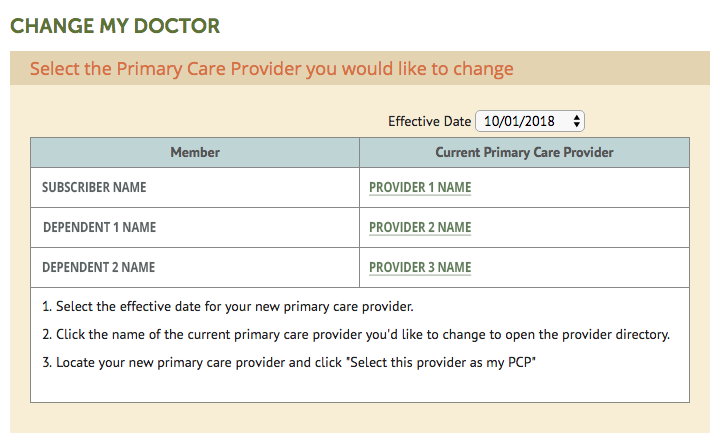
Credit: www.westernhealth.com
Frequently Asked Questions
How Do I Change My Primary Care Provider?
To change your primary care provider, contact your insurance company. Request a new provider from their network, then update your records. Confirm the change with your new provider and schedule an initial appointment.
Can I Switch Primary Care Providers Anytime?
Yes, you can switch primary care providers anytime. Check your insurance policy for specific rules or waiting periods. Always inform both your old and new providers about the change.
What Documents Are Needed To Change My Pcp?
You typically need your insurance card and personal identification. Some insurers may require a signed form or online request. Always verify with your insurance company for specific requirements.
Will Changing My Pcp Affect My Current Treatments?
Changing your PCP usually doesn’t affect ongoing treatments. However, inform your new provider about your medical history and current medications. Ensure a smooth transition by sharing previous medical records.
Conclusion
Changing your primary care provider can feel like a big step. It helps to know the simple steps to take. Start by researching new doctors nearby. Then, contact your current provider to inform them. Don’t forget to transfer your medical records.
Choose a doctor who fits your health needs and comfort. Taking control of your care leads to better health. Remember, you deserve a provider who listens and supports you well. This process is easier than it seems. Just follow the steps, and you will find the right care.


