

Are you thinking about buying a used car but feel unsure about how much mileage is too much? You’re not alone.
Mileage is one of the most important factors that can affect a car’s value, reliability, and future costs. But how do you decide what number is right for you? You’ll discover exactly what mileage means for your used car purchase and how to make the smartest choice.
Keep reading, and you’ll gain the confidence to find a car that fits your needs and budget without surprises down the road.
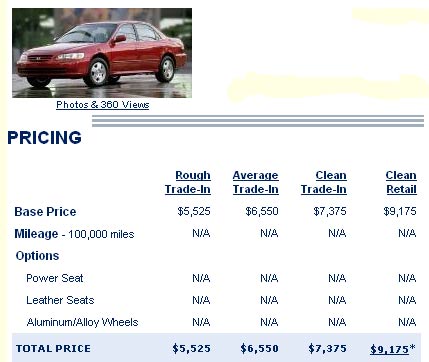
Credit: kdfoundation.org
Mileage And Car Value
Mileage plays a big role in deciding a used car’s value. It shows how much the car has been driven. The more miles, the more wear and tear the car may have. Buyers often check mileage to guess the car’s condition and life left. This affects the price sellers ask for the car. Understanding mileage helps both buyers and sellers make smart choices.
Impact Of High Mileage
High mileage usually means the car has more wear. Parts like the engine and brakes might need repair soon. Buyers may pay less for a high-mileage car. It can also mean higher maintenance costs. Some cars handle high mileage better than others. Still, many buyers feel cautious about cars with very high miles.
Mileage Benchmarks By Car Age
Cars usually drive about 12,000 to 15,000 miles each year. A 5-year-old car with 60,000 to 75,000 miles is normal. If the miles are much higher, the car might be used heavily. If miles are lower, the car may be driven less or kept in good shape. These benchmarks help buyers judge if a car’s mileage fits its age.
Depreciation And Mileage
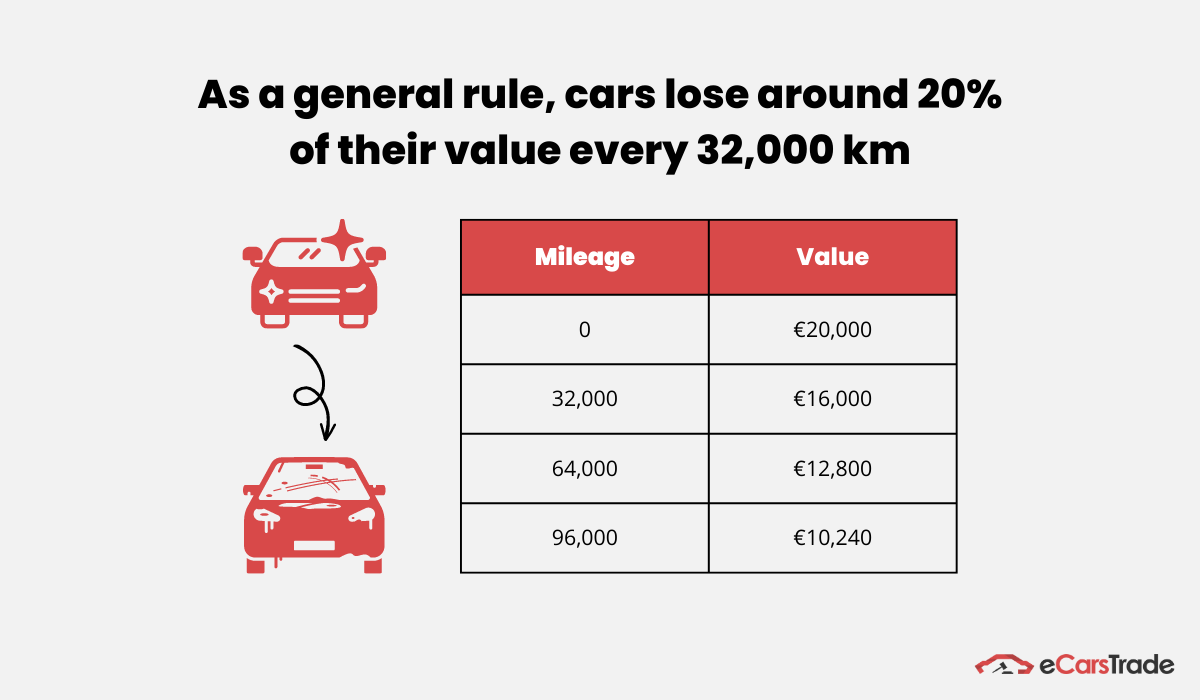
Mileage affects a car’s value drop or depreciation. Cars lose value faster with more miles. A car with low miles keeps its value better. Depreciation is also affected by the car’s make, model, and condition. But mileage remains one of the main factors in price loss. It helps buyers understand how much value a car has lost over time.
Types Of Mileage To Consider
Understanding the types of mileage a used car has can help you make a better choice. Not all miles are the same. Some wear the car more than others. Knowing the difference can save you money and trouble later.
Check what kind of driving the car mostly did. Look at the car’s history and how the miles were added. This gives a clearer picture of the car’s condition.
City Vs Highway Driving
City driving means many stops and starts. This can wear down brakes, tires, and the engine faster. The car may have lower miles but higher wear.
Highway driving is smoother and steady. The engine runs at a constant speed. Cars with highway miles often last longer with less damage.
A used car with mostly highway miles is usually a better buy. It shows less stress on the vehicle parts.
Maintenance Records And Mileage
Good maintenance can keep a car running well despite high mileage. Look for regular oil changes and service checks. These show the owner cared for the car.
Cars without maintenance records may have hidden issues. Mileage alone does not tell the full story. Well-kept cars can last longer even with more miles.
Previous Usage Patterns
How the car was used affects its condition. A car used for short trips wears differently than one used for long drives. Short trips can cause engine problems over time.
Also, cars used for heavy loads or towing may have extra wear. Consider the type of work the car did before. This helps predict future performance and repairs.
Mileage Limits By Car Type
Mileage plays a key role in choosing a used car. Different car types handle mileage differently. This affects how long the car will last and its value. Understanding mileage limits by car type helps buyers make smart choices.
Sedans And Hatchbacks
Sedans and hatchbacks usually have lighter engines. They often run well up to 100,000 miles. Many can last beyond 150,000 miles with care. These cars are perfect for city driving and daily use. Watch for signs of wear after high mileage.
Suvs And Crossovers
SUVs and crossovers are built for tougher roads. They handle higher mileage better than small cars. A good SUV should last at least 120,000 miles. Many models can reach 200,000 miles if maintained well. Check suspension and tires for wear in used models.
Trucks And Commercial Vehicles
Trucks and commercial vehicles are made for heavy work. They often cover more miles in a shorter time. These vehicles can last over 200,000 miles with regular service. Engine and transmission condition is very important here. Expect more wear but also more durability.
Signs Of Excessive Wear
Signs of excessive wear in a used car point to high mileage or poor maintenance. These signs affect the car’s safety, performance, and value. Spotting them helps buyers avoid costly repairs and problems. Some parts show wear faster than others. Check these areas carefully to assess the car’s condition.
Engine And Transmission Concerns
Listen for strange noises like knocking or grinding. These may indicate engine or transmission damage. Look for oil leaks under the car. Check the transmission fluid color and smell. Dark or burnt fluid signals trouble. Test the gear shifts. They should be smooth, not jerky or slow.
Suspension And Tires
Push down on each corner of the car. The car should bounce back once. Too much bouncing means worn suspension. Inspect tires for uneven wear. This can show alignment or suspension problems. Check tire tread depth. Low tread reduces safety and shows heavy use.
Interior And Exterior Condition
Look for worn seats and torn upholstery. Heavy wear inside may mean high mileage. Check the dashboard and controls for cracks or fading. Exterior paint should be even, without rust spots. Scratches and dents suggest rough use or accidents. Doors and windows should open smoothly without noise.
Balancing Mileage With Other Factors
Choosing a used car is more than just checking the mileage. Mileage is important, but it does not tell the whole story. Many other factors affect a car’s condition and value. These include the car’s history, how well it was cared for, and how the previous owner used it. Balancing mileage with these details gives a clearer picture of the car’s true worth.
Vehicle History And Accident Reports
A car’s past can show hidden problems. Accident reports reveal damage that repairs may hide. A clean history means fewer risks. Look for records that show no major crashes. This helps avoid cars with structural damage or poor repairs.
Service And Maintenance History
Regular service keeps a car healthy. Check if the owner changed oil and filters on time. Replaced worn parts like brakes and tires? A well-maintained car runs better and lasts longer. Service records tell if the car was cared for properly.
Ownership And Usage Context
How a car was used matters. A car driven mostly on highways may be in better shape than one used for city stops. Fewer owners can mean the car was more stable. Knowing the use and ownership helps judge the car’s real condition beyond just mileage.

Credit: www.simivalleychryslerdodgejeepram.com
Tips For Inspecting Mileage Claims
Checking a used car’s mileage is important. It helps you know how much the car has been driven. Sometimes, the mileage shown might not be correct. You must inspect the mileage claims carefully. This protects you from buying a car with hidden problems.
Checking The Odometer
Start by looking at the odometer inside the car. Make sure the numbers look even and not scratched. Odometer tampering is common, so watch for signs of damage. Check if the mileage matches the car’s wear and tear. If the numbers seem too low for the car’s age, be cautious.
Using Vehicle History Reports
Vehicle history reports give a record of the car’s past. These reports show previous mileage readings from services and inspections. Compare the report’s mileage with the odometer reading. Large differences can signal tampering or errors. Choose reports from trusted companies for accurate data.
Professional Inspections
Hire a mechanic to inspect the car thoroughly. They can spot signs of mileage tampering that are hard to see. Professionals check the engine, tires, and interior for wear matching the mileage. Their experience helps verify if the mileage claim is real. A professional check adds safety to your purchase.
When High Mileage Is Acceptable
High mileage on a used car does not always mean trouble. Sometimes, a car with many miles can still be a smart buy. It depends on several important factors. These help decide if a high-mileage car is a good choice.
Well-maintained Vehicles
A car that has been cared for regularly can last a long time. Service records show if oil changes and repairs happened on time. A well-maintained engine and parts reduce the risk of breakdowns. Such cars can run smoothly even after many miles.
Reliable Car Models
Some car brands and models are known for lasting longer. They handle high mileage better than others. Choosing a model with a strong reputation can mean fewer problems ahead. Research about durability helps find reliable options with high mileage.
Lower Price And Negotiation
High mileage usually lowers a car’s price. This can be good for buyers on a budget. It also opens room to negotiate with the seller. A fair deal on a high-mileage car can offer great value for the money.
Credit: kdfoundation.org
Mileage And Resale Value
Mileage plays a key role in determining a used car’s resale value. Buyers often see lower mileage as a sign of less wear. Cars with high mileage tend to lose value faster. Understanding how mileage affects resale helps buyers and sellers make smart choices.
Future Depreciation
Cars lose value over time and miles. The more miles on a car, the faster it may depreciate. Lower mileage can slow down depreciation. A car with fewer miles often keeps its value better.
Market Demand And Mileage
Buyers prefer cars with reasonable mileage. High-mileage cars face less demand. Low-mileage cars attract more buyers and sell quicker. Market demand can raise or lower resale prices.
Timing Your Purchase
Buying a used car with lower mileage can save money later. A well-timed purchase means choosing a car before its mileage climbs. This helps maintain better resale value in the future.
Frequently Asked Questions
What Is Considered High Mileage For A Used Car?
High mileage usually means over 100,000 miles. Cars with this mileage may have more wear but can still run well if maintained properly.
How Does Mileage Affect Used Car Value?
Higher mileage generally lowers a used car’s value. Buyers expect more repairs, so lower mileage cars often sell for more.
Is Low Mileage Always Better For Used Cars?
Low mileage often means less wear but isn’t the only quality factor. Maintenance history and car condition matter more than just mileage.
How Many Miles Per Year Is Normal For Used Cars?
The average is about 12,000 to 15,000 miles annually. Mileage within this range usually indicates typical usage for a used car.
Conclusion
Choosing a used car with the right mileage matters a lot. Lower mileage often means less wear and tear. But condition and maintenance count just as much. Some high-mileage cars run great if cared for well. Think about how you plan to use the car too.
A daily driver needs different mileage than a weekend car. Always check the vehicle history and get a trusted mechanic’s opinion. This helps avoid surprises later. In the end, balance mileage with price and condition. That’s the key to a smart used car choice.

