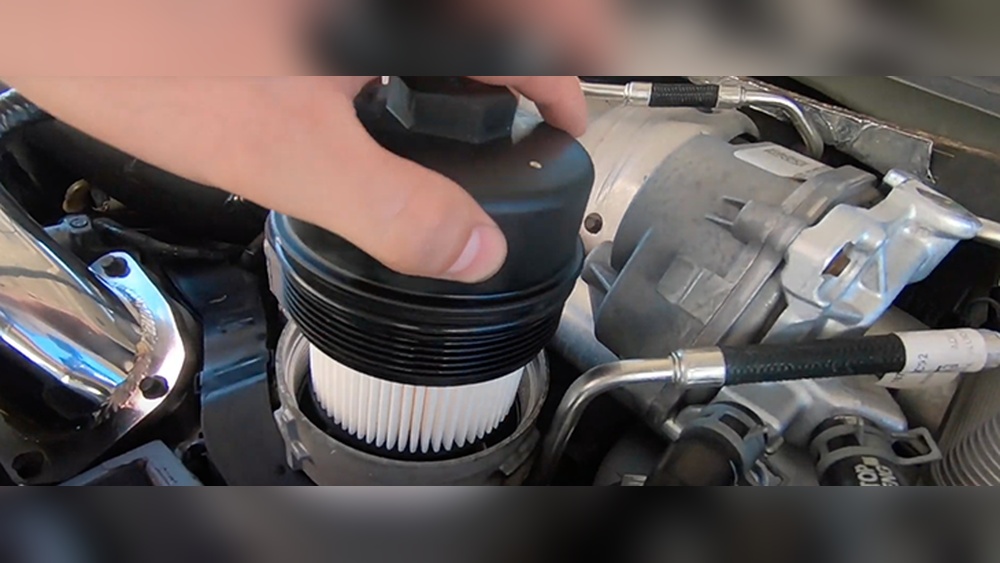
Is your car acting up, or is it just not running as smoothly as before? One common culprit you might not think about right away is your fuel filter.
If your fuel filter is bad, it can cause serious problems for your engine and overall performance. But how do you know if it’s time to replace it? You’ll learn simple and clear ways to check if your fuel filter is bad.
By the end, you’ll feel confident spotting the signs early and keeping your vehicle running strong. Keep reading—you don’t want to miss these easy tips that can save you time and money.
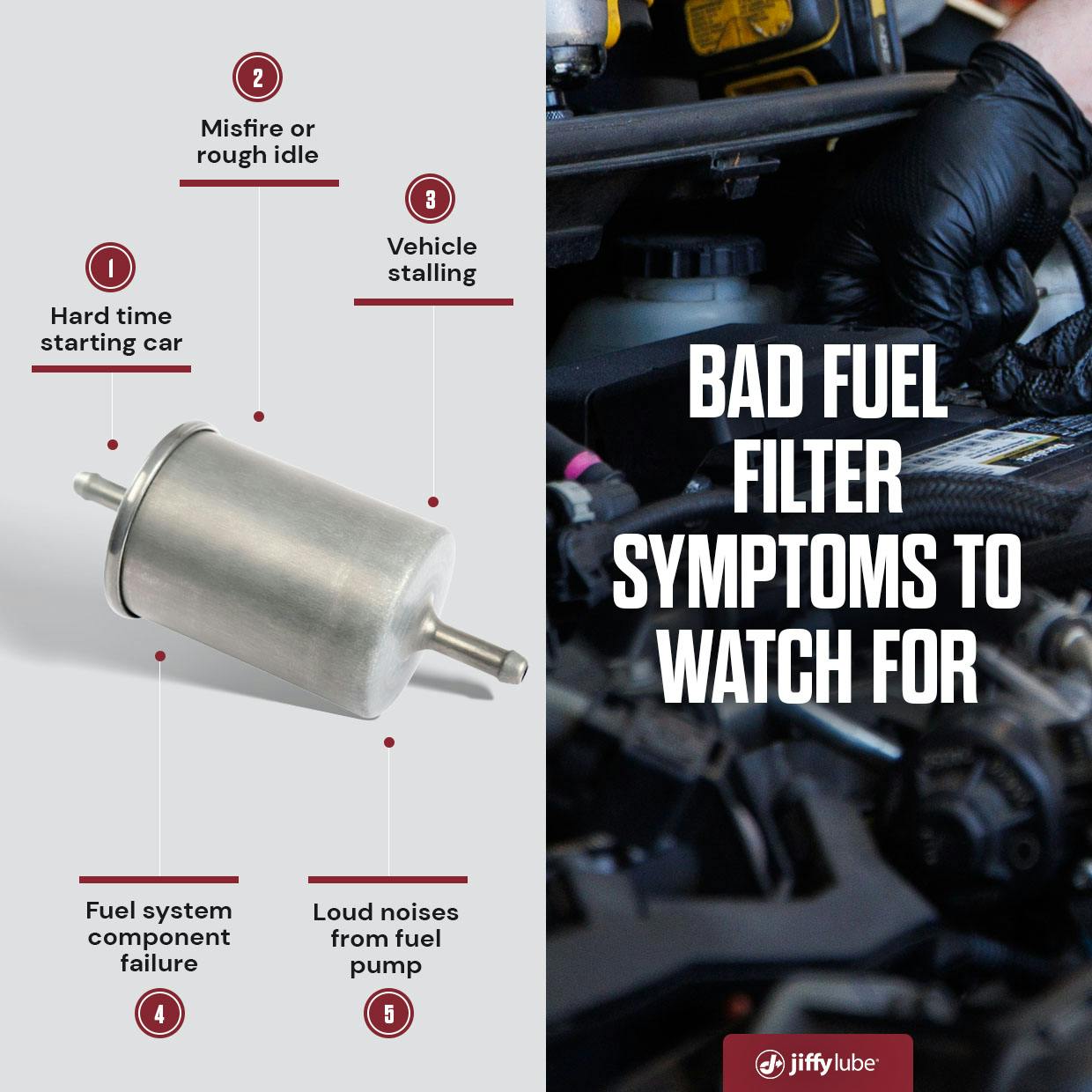
Credit: www.jiffylube.com
Symptoms Of A Bad Fuel Filter
Recognizing the symptoms of a bad fuel filter helps keep your vehicle running smoothly. A clogged or dirty fuel filter can cause several problems in your car’s engine. These signs warn you that the fuel filter needs attention or replacement. Watch for these common symptoms to avoid bigger issues.
Engine Misfires And Hesitation
Engine misfires often happen when fuel flow is blocked. A bad fuel filter reduces fuel supply to the engine. This causes hesitation during acceleration or uneven running. The engine may jerk or stutter while driving.
Reduced Fuel Efficiency
A clogged fuel filter can lower your car’s fuel efficiency. The engine works harder to get fuel, using more gas than usual. You might notice you fill the tank more often than before.
Difficulty Starting The Engine
Starting the engine becomes harder if the fuel filter is bad. Fuel struggles to reach the engine fast enough. This can lead to long cranking times or failure to start.
Stalling And Rough Idling
Your car may stall or idle roughly with a faulty fuel filter. Inconsistent fuel flow causes the engine to run unevenly. The engine might suddenly stop when idling or at low speeds.

Credit: oilchangers.com
Visual Inspection Tips
Visual inspection is a simple way to check your fuel filter’s condition. It helps spot problems early. You don’t need special tools. Just a careful look can reveal dirt, rust, or loose parts. These signs show the filter might be bad and need replacement.
Checking For Dirt And Debris
Start by examining the outside of the fuel filter. Look for dirt buildup or black spots. Dirt can block fuel flow and cause engine trouble. Gently wipe the filter surface with a clean cloth. If dirt comes off easily, the filter may still work. But thick layers or stuck debris mean it’s time to change the filter.
Inspecting For Rust Or Corrosion
Rust can damage the fuel filter and let harmful particles into the engine. Look closely at the metal parts of the filter. Brown or orange spots show rust. Corrosion may look like rough or flaky areas. These signs mean the filter is weak and might fail soon. Replace it to keep your engine safe.
Examining Fuel Filter Connections
Check the connections where the fuel filter attaches to the fuel lines. These should be tight and secure. Loose or cracked connections can cause leaks and poor fuel flow. Look for any fuel stains or wet spots near the joints. Fix any loose parts or replace damaged hoses to avoid problems.
Testing Fuel Pressure
Testing fuel pressure helps find out if the fuel filter is bad. It shows how well fuel moves through the system. Low pressure often means a clogged or damaged filter. This test is simple and gives clear results.
Using A Fuel Pressure Gauge
Attach the fuel pressure gauge to the fuel rail. Turn the ignition key to “on” but do not start the engine. Watch the gauge needle. It shows the current fuel pressure. Start the engine and observe the pressure again. The pressure should stay steady while running.
Comparing Pressure To Manufacturer Specs
Check the vehicle’s manual for correct fuel pressure numbers. Compare the gauge reading with these specs. If pressure is lower than recommended, the filter may be blocked. Higher pressure could mean other issues, but not the filter. Use this comparison to confirm the filter’s condition.
When To Replace The Fuel Filter
Knowing when to replace the fuel filter is key for your vehicle’s health. The fuel filter keeps dirt and debris out of the engine. Over time, it clogs and stops working well. This can cause poor engine performance and damage. Replacing the filter at the right time helps the engine run smoothly and saves money on repairs.
Mileage Recommendations
Most car makers suggest changing the fuel filter every 20,000 to 40,000 miles. Check your vehicle’s manual for exact numbers. Some filters last longer in newer cars. Driving in dusty or harsh conditions may require more frequent changes. Following mileage guidelines helps avoid filter blockages and engine trouble.
Signs That Indicate Immediate Replacement
Look for these signs to replace the fuel filter right away. The engine may sputter or stall during driving. You might notice a drop in fuel efficiency. Starting the car can become harder or slower. Unusual engine noises, like knocking, also point to a bad filter. Addressing these issues quickly prevents engine damage and keeps your car reliable.
Preventive Maintenance Tips
Taking care of your fuel filter helps your vehicle run smoothly. Regular maintenance avoids engine problems and saves money. Simple steps keep the filter clean and working well.
Regular Filter Checks
Check the fuel filter every few months. Look for dirt, rust, or damage. A clean filter lets fuel flow freely. Replace the filter if it looks dirty or clogged.
Using Quality Fuel
Choose good fuel to protect the filter. Poor fuel contains dirt and water. These harm the filter and engine parts. Always buy fuel from trusted stations.
Scheduling Routine Service
Visit a mechanic for regular car service. They inspect the fuel filter and other parts. Timely service stops problems early. Follow the car maker’s service schedule carefully.

Credit: www.autonationmobileservice.com
Frequently Asked Questions
How Do I Know If My Fuel Filter Is Clogged?
A clogged fuel filter causes engine misfires, stalling, and poor acceleration. Check for black smoke or unusual engine noises. Regular maintenance helps prevent clogging and keeps fuel flow smooth.
What Are Common Signs Of A Bad Fuel Filter?
Common signs include engine hesitation, reduced power, rough idling, and difficulty starting. These symptoms indicate restricted fuel flow due to a dirty or failing filter.
How Often Should I Replace My Fuel Filter?
Typically, replace the fuel filter every 20,000 to 40,000 miles. Check your vehicle’s manual for exact intervals. Regular replacement ensures optimal engine performance and fuel efficiency.
Can A Bad Fuel Filter Damage The Engine?
Yes, a bad fuel filter can cause fuel starvation, leading to engine damage. It can also harm the fuel pump and reduce overall engine lifespan.
Conclusion
Checking your fuel filter helps keep your engine running smooth. Watch for signs like rough idling, poor acceleration, or trouble starting. Regular checks prevent bigger car problems down the road. Clean or replace the filter when needed to save time and money.
Stay safe and keep your vehicle in good shape. Simple steps make a big difference in car care. Don’t wait until issues get worse—act early to avoid trouble. Your car will thank you with better performance and longer life.