

Is your vehicle acting up or losing power unexpectedly? A dirty fuel filter might be the hidden culprit slowing down your engine’s performance.
Knowing how to clean a dirty fuel filter can save you time and money while keeping your ride smooth and efficient. In this guide, you’ll discover simple, step-by-step instructions that anyone can follow—even if you’re not a car expert. Ready to boost your vehicle’s health and avoid costly repairs?
Let’s dive in and get your fuel filter working like new again.
Credit: www.jiffylube.com
Signs Of A Dirty Fuel Filter
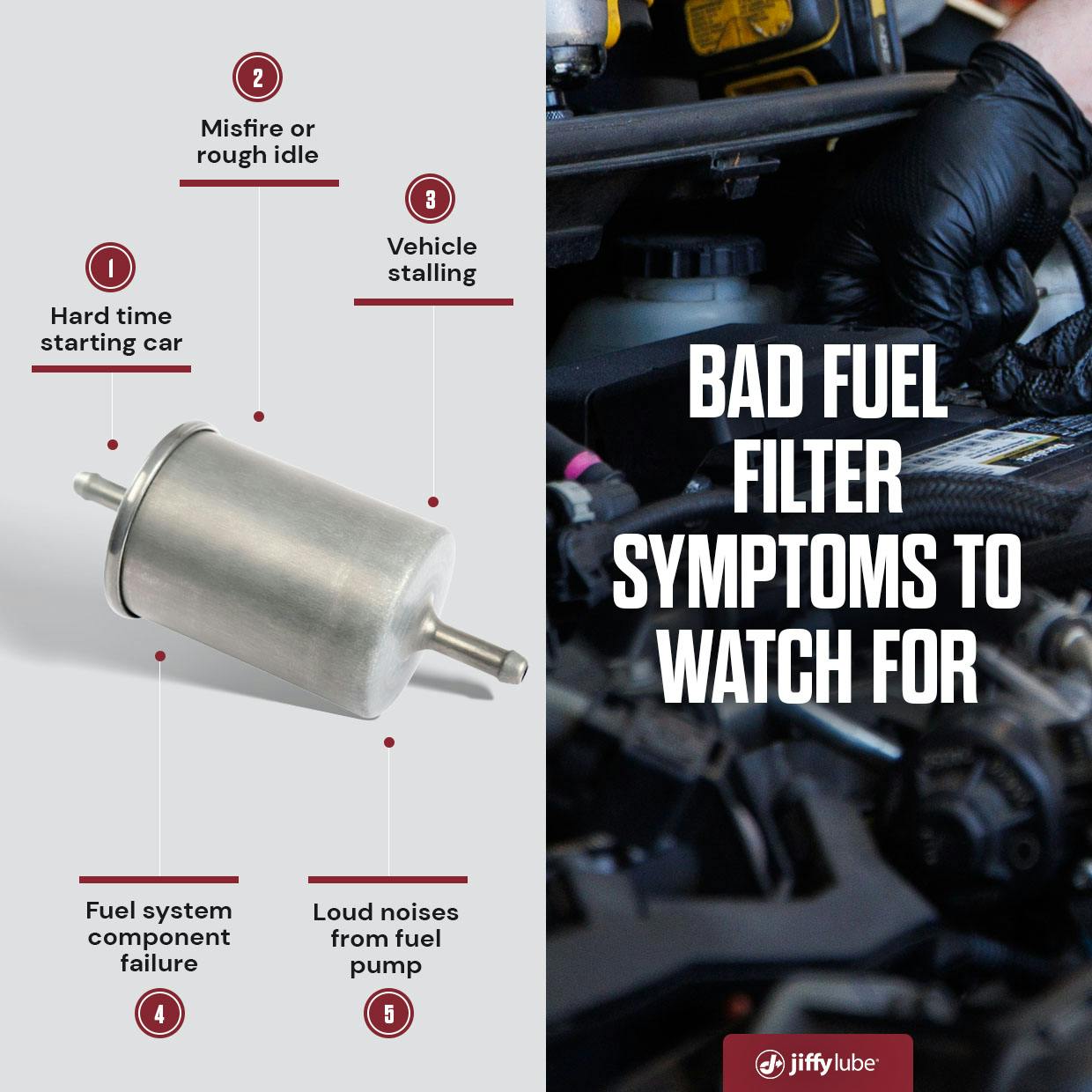
Recognizing a dirty fuel filter early can save your vehicle from serious damage. The fuel filter stops dirt and debris from reaching the engine. Over time, it clogs and affects your car’s performance. Watch for clear signs your fuel filter needs cleaning or replacement.
Reduced Engine Performance
A clogged fuel filter limits fuel flow to the engine. Your car may feel slower or less powerful. Acceleration might become sluggish. You may notice your engine struggles on hills or under heavy loads. Poor fuel delivery reduces overall engine efficiency.
Starting Issues
Dirty fuel filters can cause hard starts or prevent the engine from starting. The engine needs enough fuel to start smoothly. When the filter clogs, fuel delivery slows. You might need to turn the key multiple times. Sometimes, the engine won’t start at all.
Unusual Engine Noises
Listen for odd sounds from the engine. A clogged fuel filter can cause sputtering or coughing noises. The engine may run rough or stall unexpectedly. These noises mean the engine struggles to get fuel. Ignoring these signs can lead to bigger problems.
Credit: www.mann-hummel.com
Tools And Materials Needed
Cleaning a dirty fuel filter requires a few simple tools and materials. Having everything ready makes the job easier and faster. Prepare your workspace and gather the necessary items before starting.
Basic Tools
- Wrenches or socket set for removing fuel filter bolts
- Screwdrivers for clamps or covers
- Container to catch fuel leaks
- Rags or paper towels for spills
- Small brush or wire brush to clean filter housing
Safety Gear
- Protective gloves to keep hands safe from fuel
- Safety glasses to shield eyes from splashes
- Work clothes that can handle dirt and spills
- Good ventilation or work outdoors to avoid fumes
Replacement Parts
- New fuel filter matching your vehicle’s model
- New clamps or seals if old ones are damaged
- Fuel additive for cleaning fuel system (optional)
Preparing Your Vehicle
Preparing your vehicle is a key step before cleaning a dirty fuel filter. This process helps avoid accidents and makes the task easier. Follow these steps carefully for a smooth experience.
Taking time to prepare your vehicle saves trouble later. It also keeps you safe during the cleaning process.
Ensure Safety Measures
Park your car on a flat surface. Turn off the engine and remove the keys. Wear safety gloves and eye protection. Work in a well-ventilated area to avoid harmful fumes. Keep a fire extinguisher nearby. Fuel is flammable and dangerous.
Locate The Fuel Filter
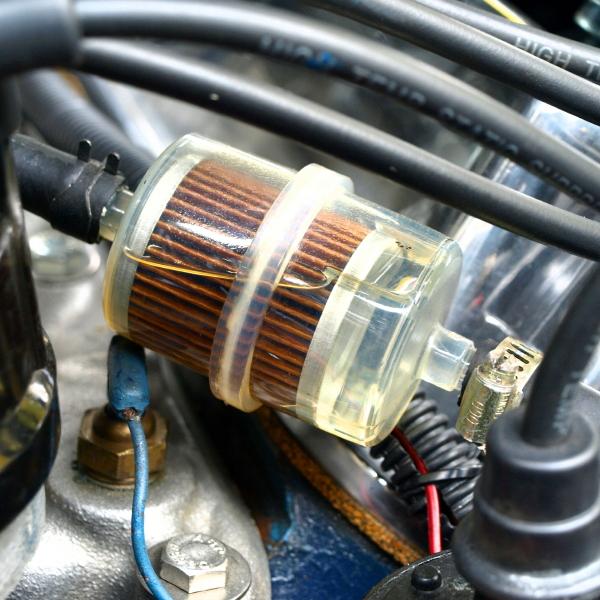
Check your vehicle manual to find the fuel filter location. Most filters are near the fuel tank or engine. Look for a small, cylindrical part connected to fuel lines. Clean the area around the filter to stop dirt from entering the fuel system.
Relieve Fuel System Pressure
Fuel systems hold pressure even after the engine stops. Find the fuel pump fuse or relay and remove it. Start the engine and let it run until it stops. This empties the fuel lines and reduces pressure. Be careful to avoid fuel spray during this step.
Removing The Fuel Filter
Removing the fuel filter is an important step before cleaning it. This process helps you safely access the filter without causing damage. Follow these steps carefully to avoid fuel spills or injury. Work in a well-ventilated area and keep a container ready to catch any fuel that may leak out.
Disconnect Fuel Lines
Start by locating the fuel lines connected to the filter. Use pliers or a wrench to loosen the clamps or fittings. Pull the fuel lines gently to disconnect them from the filter. Be ready for a small amount of fuel to spill. Keep a rag or container nearby to catch any drips.
Remove Mounting Brackets
Next, find the brackets holding the filter in place. Use the appropriate tool, like a screwdriver or socket wrench, to remove the screws or bolts. Keep the hardware safe for reinstallation later. Carefully take off the brackets without bending or breaking them.
Take Out The Old Filter
With the fuel lines and brackets removed, gently pull the old filter out. Check the filter for dirt and damage. Dispose of the old filter properly, following local regulations. Now, the filter is ready for cleaning or replacement.
Cleaning The Fuel Filter
Cleaning the fuel filter is a key step in keeping your engine running smoothly. Dirt and debris can block the filter, reducing fuel flow and engine power. Regular cleaning helps avoid costly repairs and improves vehicle performance.
Follow these clear steps to clean the fuel filter safely and effectively. Each step ensures your filter stays in good shape and works well.
Inspect The Filter
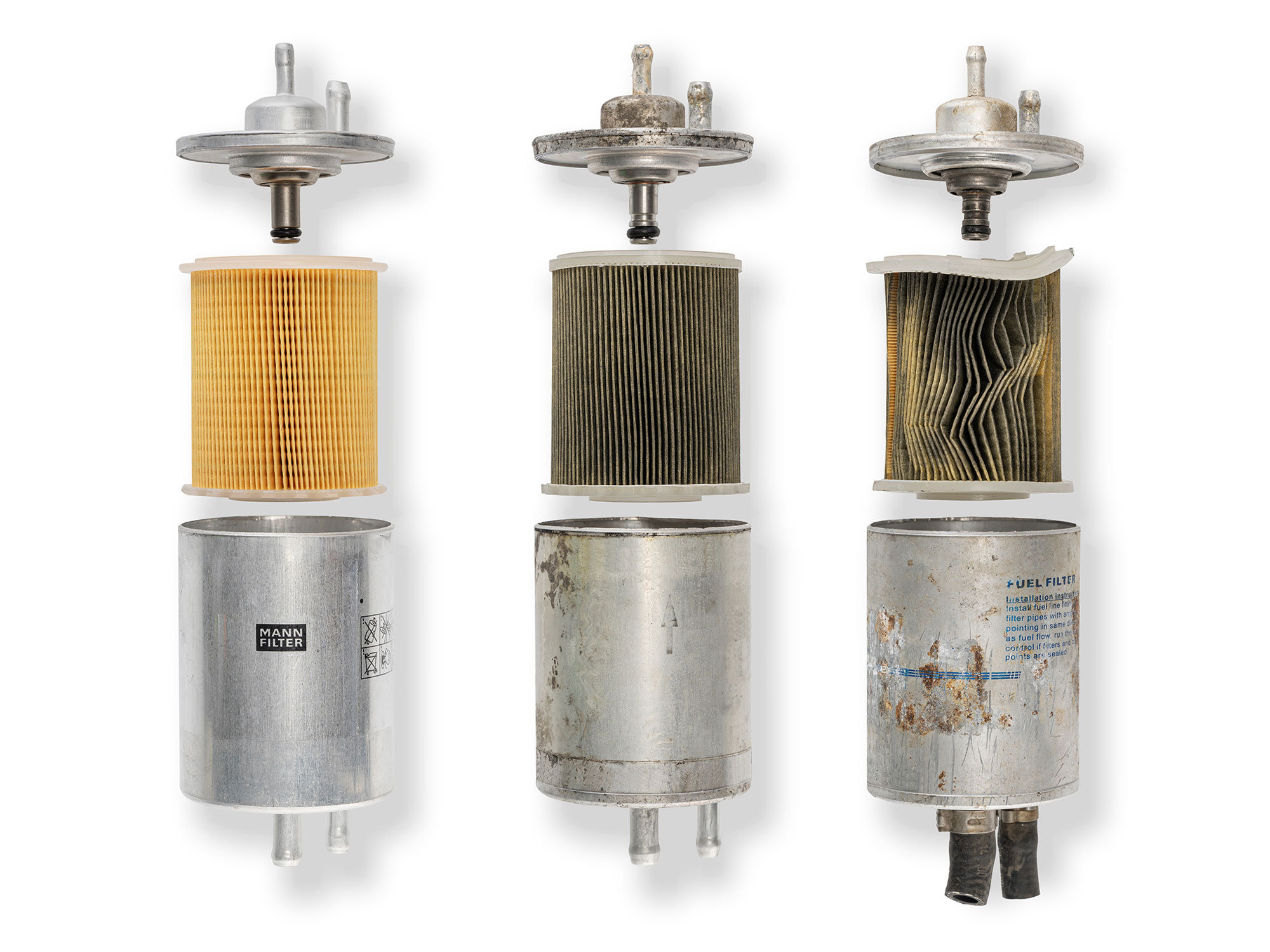
First, carefully remove the fuel filter from your vehicle. Look closely at the filter for dirt, rust, or damage. Check both sides and the filter element inside. A dirty filter shows visible debris or discoloration. If the filter looks very damaged, replacing it is better than cleaning.
Use Suitable Cleaning Methods
Choose a cleaning method that fits your filter type. For metal filters, use a brush and fuel system cleaner or mild solvent. Soak the filter in the cleaner to loosen dirt. Plastic filters often need gentle rinsing with clean fuel or water. Avoid harsh chemicals that can damage the filter material.
Dry And Check For Damage
After cleaning, dry the filter completely with a clean cloth or air dry. Moisture inside the filter can cause engine problems. Look again for cracks, holes, or weak spots. Any damage means the filter must be replaced. A clean and intact filter ensures good fuel flow and engine health.
Credit: motor.onehowto.com
Reinstalling The Fuel Filter
Reinstalling the fuel filter is a key step after cleaning it. Proper reinstallation ensures your engine runs smoothly and avoids leaks or damage. Follow these clear steps to put the fuel filter back securely and correctly.
Position The Filter Correctly
Place the fuel filter so the arrow points in the fuel flow direction. This arrow usually faces the engine. Double-check the filter’s orientation to avoid mistakes. A wrong position can cause poor engine performance or fuel leaks.
Reconnect Fuel Lines
Attach the fuel lines to the filter’s inlet and outlet ports. Push the lines firmly until you feel a click or tight fit. Check for any cracks or damage on the fuel lines before connecting. Secure connections prevent fuel leaks and keep the filter working well.
Secure Mounting Brackets
Fasten the mounting brackets or clamps around the fuel filter. Tighten them firmly but avoid over-tightening, which can crack the filter housing. Ensure the filter does not move or vibrate freely. A stable mount keeps the filter safe and extends its life.
Testing After Cleaning
Testing after cleaning the fuel filter is important to make sure your vehicle runs well. It helps confirm the filter is clear and fuel flows properly. This step checks if the cleaning was done right and if the engine works smoothly.
Start The Engine
Turn on the engine and listen carefully. The engine should start easily without hesitation. If it struggles, the filter might still be blocked. Let the engine run for a few minutes to stabilize fuel flow.
Check For Leaks
Look around the fuel filter and fuel lines. Watch for any signs of leaks or drips. Tighten connections if you see fuel leaking. Leaks can cause engine problems and waste fuel.
Monitor Engine Performance
Drive the vehicle slowly and feel how it runs. The engine should run smoothly without jerks or stalls. Pay attention to any unusual sounds or smells. Good performance means the fuel filter is clean and working well.
Maintenance Tips For Fuel Filters
Keeping your fuel filter clean helps your engine run smoothly. Proper maintenance extends the life of your vehicle. Follow these simple tips to maintain your fuel filter well.
Regular Inspection Schedule
Check your fuel filter every 10,000 to 15,000 miles. Look for dirt, rust, or damage on the filter. Early checks catch problems before they get worse. Use a flashlight to inspect hard-to-see areas. Write down inspection dates to stay on track.
When To Replace Instead Of Clean
Some fuel filters cannot be cleaned properly. If the filter looks clogged or damaged, replace it. Cleaning may not remove all dirt inside. Replace your filter after heavy use or poor fuel quality. Follow your vehicle manual for replacement advice.
Avoiding Fuel Contamination
Use clean fuel from trusted stations only. Dirt and water in fuel cause filter blockages. Keep your fuel tank sealed tightly after filling. Avoid filling up in dusty or wet areas. Clean fuel protects your filter and engine parts.
Frequently Asked Questions
How Often Should I Clean A Dirty Fuel Filter?
Clean your fuel filter every 20,000 to 30,000 miles or as recommended by your vehicle’s manual. Regular cleaning prevents clogging and maintains engine performance. Check it more frequently if you drive in dusty or harsh conditions.
What Tools Do I Need To Clean A Fuel Filter?
You need a wrench, screwdrivers, a container for fuel, and a clean cloth. Some vehicles may require specialized tools. Always consult your vehicle’s manual for specific tool recommendations before starting.
Can I Clean A Fuel Filter Without Removing It?
Some fuel filters can be cleaned in place using specialized cleaning sprays. However, most require removal for thorough cleaning or replacement. Refer to your vehicle’s manual to determine the correct procedure.
What Are Signs Of A Dirty Fuel Filter?
Symptoms include engine misfires, reduced power, poor fuel efficiency, and difficulty starting. These signs indicate restricted fuel flow due to a clogged filter, signaling it’s time for cleaning or replacement.
Conclusion
Cleaning a dirty fuel filter keeps your engine running smooth. It helps avoid costly repairs and fuel problems. Regular checks make your vehicle last longer. Use simple tools and follow safe steps. A clean filter means better fuel flow and engine power.
Take care of your car to save money and time. Small efforts bring big benefits. Keep your fuel filter clean for a trouble-free drive.


