
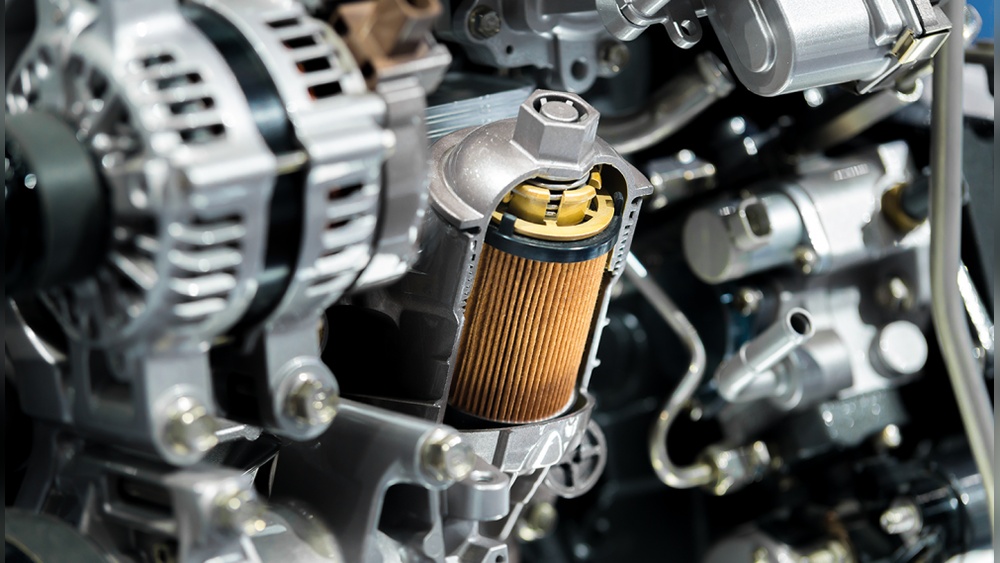
Your car’s fuel filter plays a crucial role in keeping your engine running smoothly. Over time, it can get clogged with dirt and debris, causing poor performance or even engine trouble.
Knowing how to clean a fuel filter can save you money and help your car run better. You’ll discover simple, step-by-step instructions to clean your fuel filter safely and effectively. Keep reading to learn how to protect your engine and boost your car’s efficiency today.
Credit: www.ievilenergy.com
Signs Of A Dirty Fuel Filter
A dirty fuel filter can cause many problems for your car. It stops fuel from flowing smoothly to the engine. This can make driving harder and less safe. Knowing the signs of a dirty fuel filter helps you fix issues early. It keeps your car running well and saves money on repairs.
Reduced Engine Performance
The engine may lose power during driving. It feels slow and weak, especially uphill. Acceleration becomes sluggish. The car might not reach high speeds easily. This happens because the fuel flow is blocked. Less fuel reaches the engine, so it cannot run properly.
Difficulty Starting The Car
The car takes longer to start or fails to start at all. You may hear the engine trying hard to turn over. This is a sign that the fuel filter is clogged. Fuel does not reach the engine quickly. Starting becomes a struggle, especially after the car sits for a while.
Engine Misfires And Stalling
The engine may misfire or stop suddenly. This can happen when the fuel supply is interrupted. You might feel the car shake or jerk while driving. Stalling often occurs at low speeds or idle. A dirty fuel filter can cause these dangerous problems on the road.

Credit: motor.onehowto.com
Tools And Materials Needed
Before starting to clean a fuel filter in your car, gather the right tools and materials. Having everything ready makes the process smooth and safe. This section lists the essential items you need. Prepare these first to avoid interruptions.
Basic Hand Tools
Simple hand tools help you remove the fuel filter easily. You will need a wrench set to loosen bolts. A screwdriver is useful for clamps or screws. Pliers help disconnect fuel lines without damage. Keep a small container to catch any fuel spills. These tools are common and easy to find.
Replacement Fuel Filter
Always have a new fuel filter ready. The old filter holds dirt and debris that block fuel flow. Installing a fresh filter improves engine performance. Check your car manual for the correct type. Using the right filter ensures proper fit and function.
Safety Gear
Safety is important during fuel filter cleaning. Wear gloves to protect your skin from fuel. Safety glasses keep fuel and debris out of your eyes. Work in a well-ventilated area to avoid inhaling fumes. Keep a fire extinguisher nearby as a precaution. These steps protect you from hazards.
Preparing Your Car
Start by locating the fuel filter under the car or near the engine. Gather tools like wrenches and a container to catch fuel before removing the filter carefully. Clean or replace the filter to keep your car running smoothly.
Cleaning a fuel filter starts with proper preparation. This step is crucial for safety and efficiency. Taking time to prepare helps avoid accidents and makes the job easier. Follow these steps carefully before you begin.
Park On A Level Surface
Find a flat and stable spot to park your car. This keeps the vehicle steady and prevents it from rolling. Always use the parking brake after parking. A level surface helps when working under the car.
Relieve Fuel System Pressure
Fuel systems hold pressure that can cause fuel spray. Release this pressure to avoid spills and injuries. Locate the fuel pump fuse or relay and remove it. Start the engine and let it run until it stops. This empties the fuel lines safely.
Disconnect The Battery
Disconnect the negative battery cable before working on the fuel system. This step prevents electrical sparks and reduces fire risk. Use a wrench to loosen the cable clamp. Keep the cable away from the battery terminal during the work.
Credit: wuling.id
Locating The Fuel Filter
Finding the fuel filter in your car is the first step to cleaning it. The fuel filter stops dirt and rust from entering the engine. Knowing its location helps you check and replace it easily. Some cars have the fuel filter in common spots, but others might differ. Understanding where to look saves time and effort. Let’s explore where fuel filters usually hide and how to find them using the vehicle manual.
Common Fuel Filter Locations
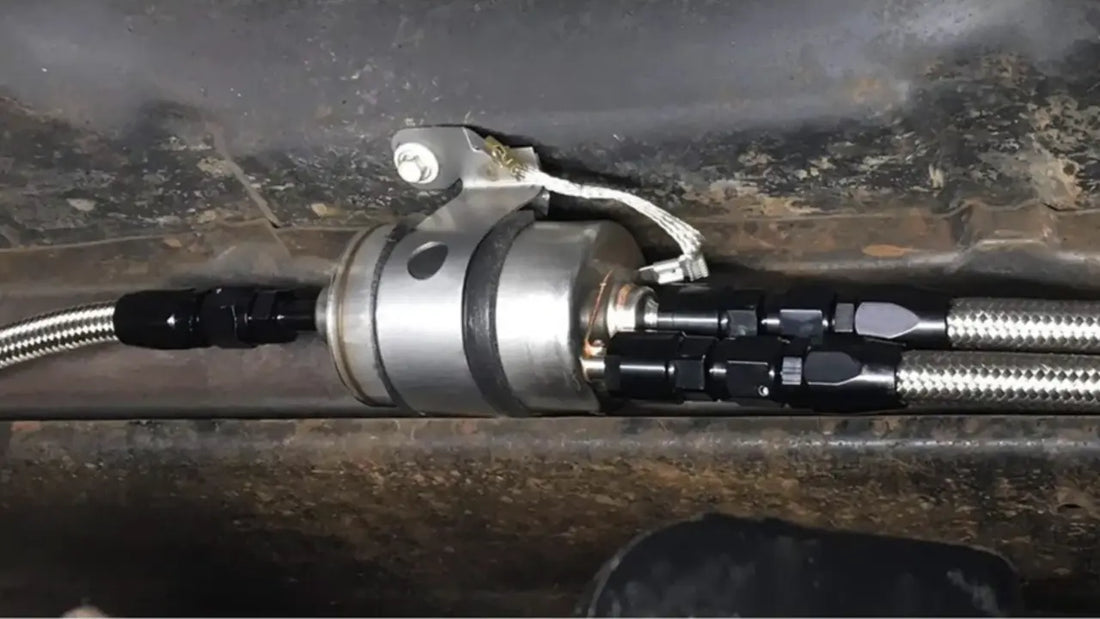
Fuel filters are often near the fuel tank or engine. Many cars have the fuel filter along the fuel line under the car. Sometimes, it sits inside the engine bay near the firewall. Some models place the filter inside the fuel tank, making it harder to reach. Look under the car’s body, near the frame rail, or close to the gas tank. A small metal or plastic cylinder with fuel lines attached is usually the filter. Check both sides of the vehicle as the filter can be on either side.
Consulting The Vehicle Manual
The vehicle manual is the best guide to find the fuel filter. It gives exact locations and diagrams for your car model. Manuals explain how to access and remove the filter safely. Reading the manual prevents damage to other parts. It also shows if the filter is inside the fuel tank or outside. Keep the manual handy before starting any work on the fuel system. Following the manual’s instructions makes the job easier and safer.
Removing The Old Fuel Filter
Removing the old fuel filter is a key step before installing a new one. This process helps keep the fuel system clean and your engine running smoothly. You need to work carefully to avoid fuel spills and damage to the lines. Follow each step to remove the filter safely and correctly.
Loosening Fuel Lines
First, locate the fuel lines attached to the filter. Use a wrench to loosen the fittings slowly. Turn the wrench counterclockwise until the lines feel loose. Avoid forcing the lines to prevent damage. Keep a cloth nearby to catch any dripping fuel.
Detaching The Filter
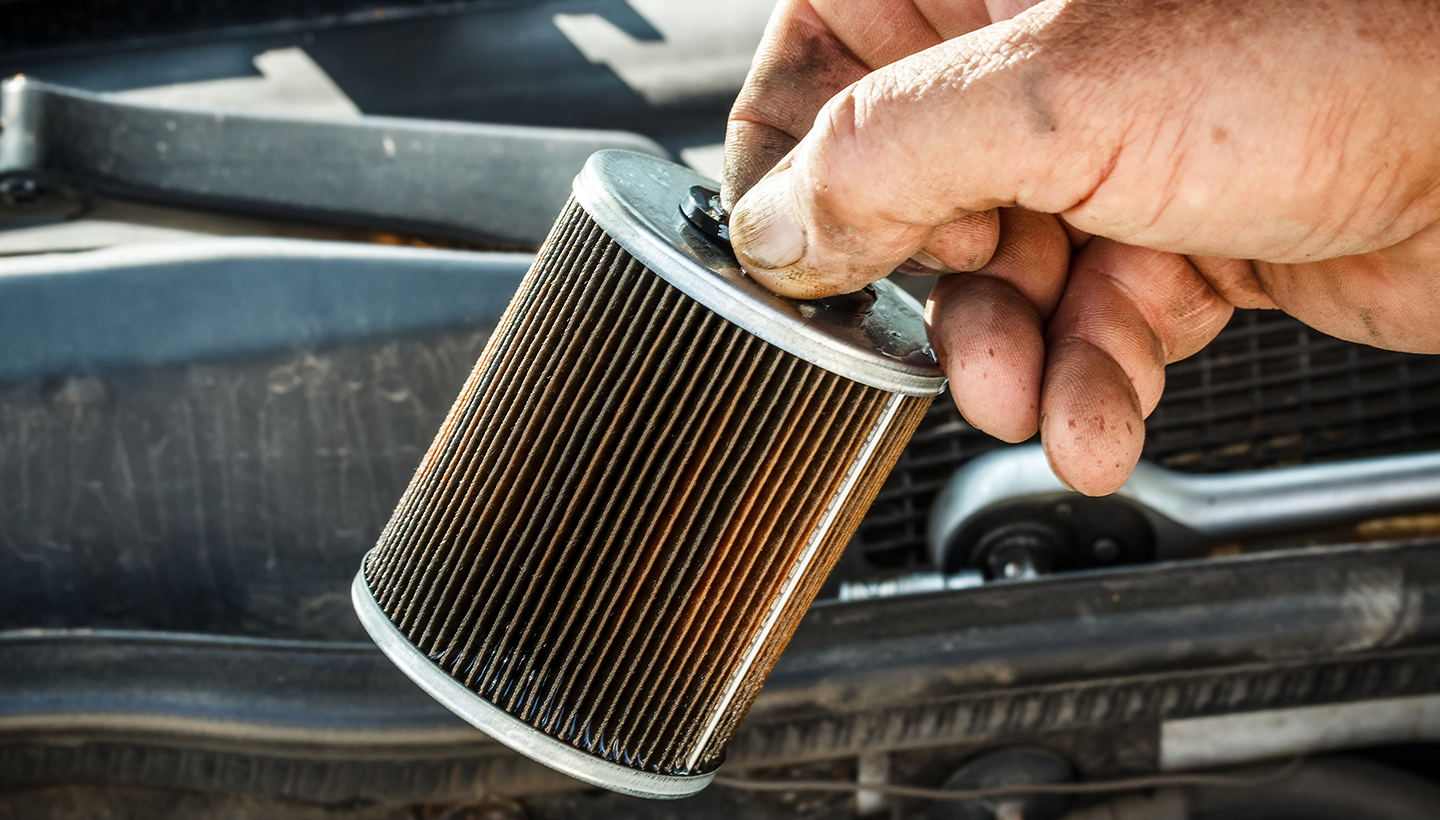
Once the fuel lines are loose, gently pull the filter away from its holder. Some filters twist off, so check if you need to rotate it. Handle the filter carefully to avoid breaking it. Place the old filter on a cloth or tray to catch any remaining fuel inside.
Handling Fuel Spills Safely
Fuel can spill during removal. Use rags or towels to soak up any leaks immediately. Keep a fire extinguisher nearby in case of emergency. Work in a well-ventilated area to avoid inhaling fumes. Dispose of soaked rags safely to prevent fire hazards.
Installing The New Fuel Filter
Installing the new fuel filter is a key step in maintaining your car’s fuel system. It ensures clean fuel flows to the engine. This process needs care and attention to avoid leaks or damage. Follow these steps for a smooth installation and a healthy engine.
Correct Filter Orientation
Check the arrow on the new fuel filter. The arrow shows fuel flow direction. Point it the same way as the old filter. Wrong direction stops fuel flow. It can cause engine problems. Make sure the filter fits snugly in its place.
Securing Fuel Lines
Attach the fuel lines to the new filter firmly. Push the hoses until they stop. Use clamps or clips to hold the lines tight. Loose lines cause fuel leaks. Tight connections keep fuel flowing safely. Handle the fuel lines gently to avoid damage.
Double-checking Connections
Look over all connections twice. Check for any loose ends or gaps. Start the engine and watch for leaks. No leaks mean the installation is good. Tighten any weak spots. Secure connections prevent fuel loss and keep you safe.
Testing After Installation
Testing after installing a new fuel filter is very important. It ensures the filter works well and your car runs smoothly. This step helps catch any issues early, like leaks or engine problems. Follow these simple steps to check your work and keep your car safe.
Reconnecting The Battery
First, reconnect the car battery. Attach the positive cable, then the negative. Tighten the clamps securely. This restores power to the vehicle and prepares it for starting.
Starting The Engine
Turn the key to start the engine. Listen for any unusual sounds. The engine should run smoothly without sputtering. If it stalls or hesitates, check the fuel filter connection again.
Checking For Leaks
Look under the car near the fuel filter. Watch for any signs of fuel leaks. Check the filter fittings and hoses carefully. Fix any leaks immediately to avoid hazards and engine problems.
Maintenance Tips For Fuel Filters
Maintaining your car’s fuel filter is key to keeping the engine healthy. A clean fuel filter stops dirt and rust from reaching the engine. This helps the car run smoothly and saves you from costly repairs. Follow these simple tips to keep your fuel filter in good shape.
Recommended Replacement Intervals
Check your car’s manual for how often to replace the fuel filter. Most cars need a new filter every 20,000 to 40,000 miles. Replacing it on time prevents clogging. A clogged filter can cause poor engine performance and higher fuel use.
Using Quality Fuel
Choose good quality fuel from trusted stations. Cheap fuel may have dirt and water that harm the filter. Clean fuel helps the filter last longer. It also protects the engine from damage and keeps your car running well.
Regular Vehicle Inspections
Have a mechanic inspect your fuel system regularly. They can spot problems early before they get worse. Look for signs like rough idling or trouble starting the car. Regular checks keep your fuel filter and engine in top condition.
Frequently Asked Questions
How Often Should I Clean My Car’s Fuel Filter?
Typically, clean or replace your fuel filter every 20,000 to 30,000 miles. Check your car manual for exact intervals. Regular cleaning ensures optimal engine performance and fuel efficiency.
What Tools Do I Need To Clean A Fuel Filter?
You need a wrench, screwdriver, a container for fuel, and safety gloves. Some cars require special fuel line disconnect tools. Always work in a well-ventilated area to avoid fumes.
Can I Clean A Fuel Filter Without Removing It?
No, cleaning a fuel filter usually requires removal. This prevents damage and ensures thorough cleaning. Some filters are disposable and should be replaced, not cleaned.
What Are Signs Of A Dirty Fuel Filter?
Common signs include engine misfires, poor acceleration, and difficulty starting. You may also notice decreased fuel efficiency or engine stalling. These symptoms indicate it’s time to clean or replace the filter.
Conclusion
Cleaning a fuel filter keeps your car running smoothly. It stops dirt from reaching the engine. Regular cleaning saves money on repairs. You only need a few tools to do it. Take your time and follow safety steps. A clean filter means better fuel flow and power.
Check the filter often to avoid problems. This simple task helps your car last longer. Try cleaning the fuel filter yourself next time. It’s easier than many people think.


