

Your car deserves to look its best, and knowing how to clean and wax it properly can make a huge difference. Imagine driving a car that shines like new, turning heads wherever you go.
It’s easier than you think to achieve that showroom shine. In this guide, you’ll discover simple steps to clean and protect your car’s paint, making it last longer and look stunning. Ready to give your car the care it deserves?
Keep reading, and you’ll learn how to do it like a pro.
Preparing Your Car For Cleaning
Preparing your car for cleaning is an important first step. It sets the stage for a smooth and effective wash. Taking time to prepare helps avoid damage and ensures the best results. Follow these simple steps before you start cleaning.
Gathering Necessary Supplies
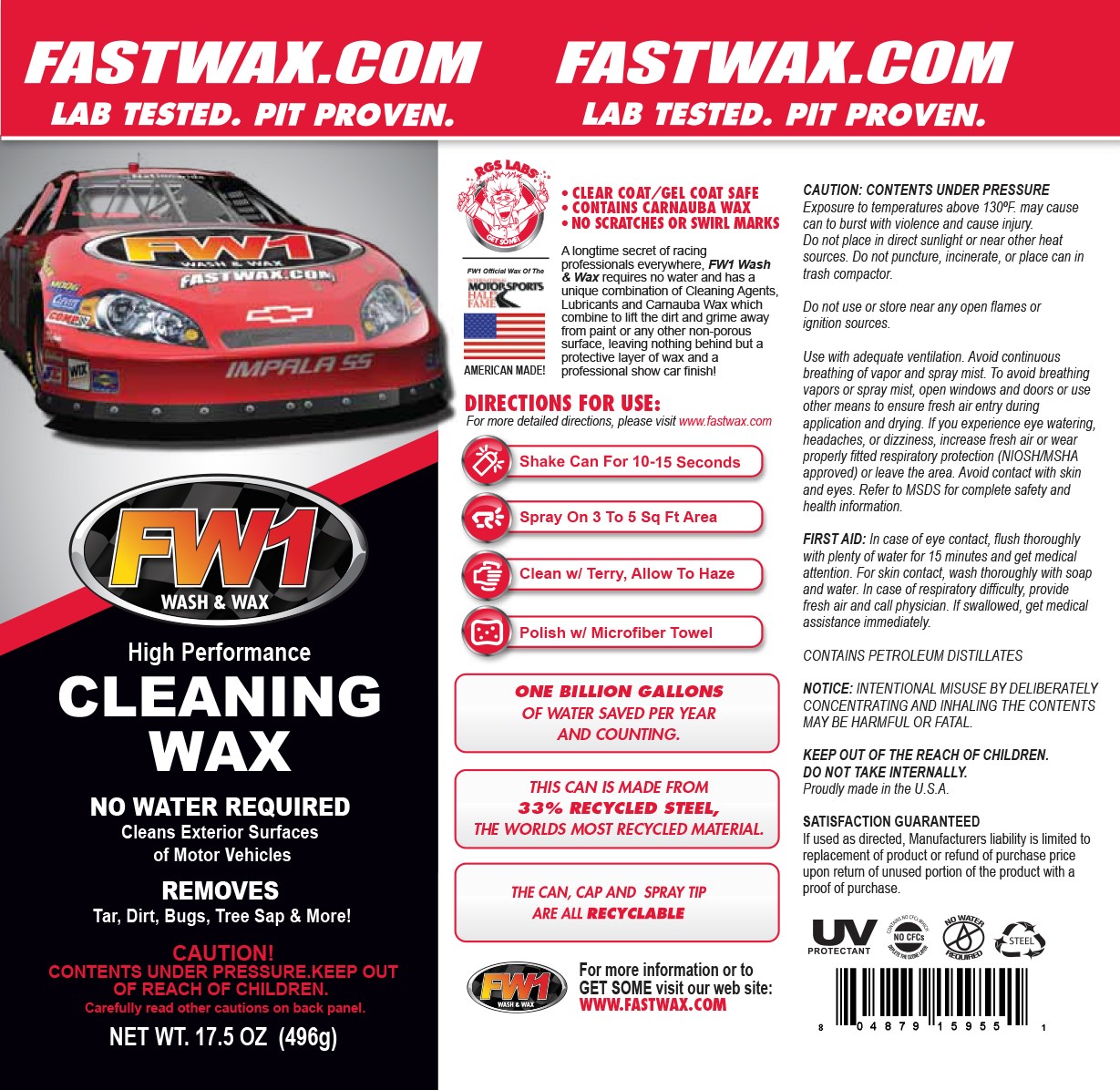
Collect all cleaning items before you begin. You will need car soap, buckets, sponges, microfiber cloths, and a hose. Include a soft brush for wheels and wax for finishing. Having everything ready saves time and effort.
Choosing The Right Location
Pick a shady spot to clean your car. Direct sunlight can dry soap too fast and leave spots. A flat surface is best to park your car. Avoid areas with dust or heavy wind to keep dirt away.
Protecting Sensitive Areas
Cover areas like air vents and door seals with tape or plastic. This prevents water from entering and causing damage. Be careful around electrical parts and mirrors. Protect these spots for a safer cleaning process.
Credit: www.fastwax.com
Washing The Car
Washing your car is the first step to keep it looking fresh and shiny. It removes dirt and grime that can damage the paint. A clean car also helps the wax stick better. Follow these simple steps to wash your car the right way.
Rinsing Off Loose Dirt
Start by rinsing your car with water. Use a hose or a bucket to wet the entire surface. This step removes loose dirt and dust. It prevents scratches during washing. Do not skip rinsing before you scrub the car.
Selecting Car Wash Soap
Choose a soap made for cars, not household cleaners. Car wash soap is gentle and protects the paint. It creates foam to lift dirt from the surface. Avoid using dish soap or other harsh detergents.
Using Proper Washing Techniques
Use a soft sponge or wash mitt to clean the car. Wash in straight lines, not circles, to avoid swirl marks. Start from the top and move downwards. Rinse the sponge often to remove dirt. Work in small sections for better results.
Cleaning Wheels And Tires
Wheels and tires need special attention. Use a brush and wheel cleaner to remove brake dust and grime. Clean tires with a stiff brush and soap. Rinse well to remove all cleaner residue. Clean wheels before washing the car body.
Drying The Vehicle
Drying the vehicle is a key step after washing. It helps prevent water spots and streaks on the paint. Proper drying keeps your car looking shiny and clean. Use the right tools and methods to make drying quick and effective.
Choosing The Best Towels
Microfiber towels are the best choice for drying cars. They absorb water well without scratching the paint. Avoid using old or rough towels. Use several clean towels for different parts of the car. Change towels often to avoid spreading dirt or water.
Avoiding Water Spots
Water spots happen when water dries on the car’s surface. They leave marks that are hard to remove. Dry your car in the shade to slow drying. Use a clean, soft towel to gently pat dry. Don’t let water sit on the paint for long.
Drying Hard-to-reach Areas
Doors, mirrors, and wheel wells often hold water. Use a soft brush or small towel to reach these spots. Open doors and dry inside edges carefully. Check under trim and around badges for trapped water. Proper drying here prevents rust and damage.
Claying The Paint
Claying the paint is a key step in car cleaning. It removes tiny particles stuck on the surface. These particles do not wash away with soap and water. Claying makes the paint smooth and ready for waxing. It helps protect your car’s finish and keeps it shiny longer.
Purpose Of Clay Bar
A clay bar removes dirt, tar, and pollution from paint. It pulls out grime that regular washing misses. This makes the paint feel smooth to touch. Claying prevents scratches caused by these rough particles. It also helps wax stick better to the paint.
How To Use Clay Bar
First, wash and dry your car. Break the clay bar into a small piece. Flatten it into a disc shape. Spray clay lubricant on a small section of the paint. Gently rub the clay over the lubricated area in straight lines. Keep moving the clay to a clean spot often. Wipe the area with a microfiber cloth after claying. Repeat on other sections until the whole car is smooth.
When To Skip Claying
Skip claying if your car is new or recently detailed. New paint usually does not have embedded dirt. Avoid claying on very hot or direct sunlight paint. If the paint has deep scratches, claying might worsen them. Use claying only when the paint feels rough after washing.
Applying Wax
Applying wax is a key step in protecting your car’s paint. Wax adds shine and shields the surface from dirt and sun damage. Doing it right keeps your car looking fresh for longer. Follow simple steps to get the best results.
Types Of Wax
Car wax comes in several forms. Paste wax is thick and lasts long. Liquid wax is easy to spread and dries fast. Spray wax offers quick application but may not last as long. Choose based on your needs and how often you wax.
Choosing The Right Wax
Select wax that suits your car’s paint type. For newer cars, synthetic waxes work well. Older cars benefit from natural carnauba wax. Also, consider the climate. Hot, sunny areas need stronger protection. Check product labels for details.
Wax Application Techniques
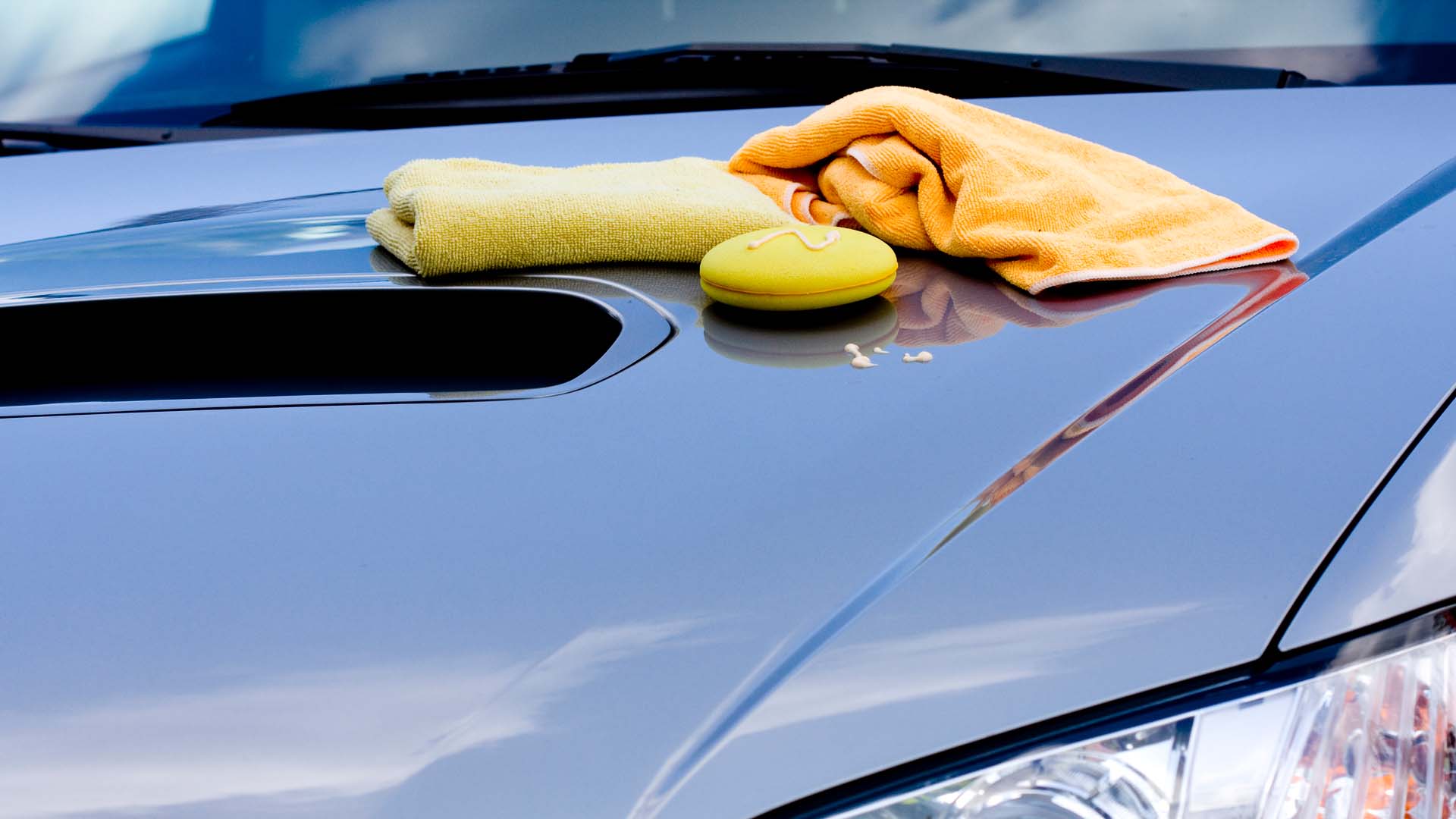
Use a clean, soft cloth or foam applicator. Apply wax in small, circular motions. Work on one panel at a time. Avoid thick layers; thin coats dry faster. Cover all areas evenly without rushing.
Allowing Wax To Cure
Let the wax dry for a few minutes. It should feel hazy but not sticky. This curing time helps the wax bond to the paint. After curing, buff gently with a microfiber cloth. This removes residue and boosts shine.
Credit: www.thedrive.com
Buffing And Polishing
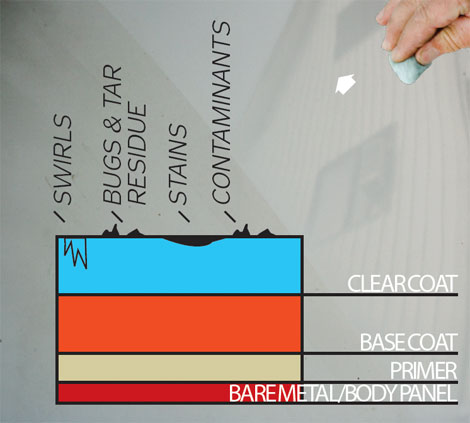
Buffing and polishing are key steps in car care. They remove small scratches and swirl marks. This process also brings out a deep shine in your paint. A well-buffed car looks smooth and glossy. It feels like a fresh new coat of paint. These steps protect your car and improve its appearance.
Tools For Buffing
Good tools make buffing easier and better. Use a soft foam or microfiber pad. These pads avoid scratching the paint. Machine buffers spin the pad fast for quick results. Hand buffers give more control and are cheaper. Polishing compounds or creams help smooth the surface. Choose a polish made for cars.
Hand Vs Machine Buffing
Hand buffing takes time but is gentle. It works well on small areas or light scratches. Use circular motions and light pressure. Machine buffing is faster and covers large areas. It needs care to avoid burning the paint. Keep the buffer moving to prevent damage. Beginners should start slow and practice first.
Achieving A Glossy Finish
Start with a clean, dry surface. Apply polish in small sections. Buff until the polish looks clear and smooth. Use a clean microfiber cloth for final wiping. Check your work in natural light. Repeat if needed for extra shine. A glossy finish makes the car look new and cared for.
Maintaining The Shine
Maintaining your car’s shine keeps it looking fresh and new for a long time. A shiny car also protects the paint from damage. Simple care steps help keep the gloss strong and bright. Follow easy tips to keep your car’s surface smooth and glowing every day.
Regular Washing Tips
Wash your car often to remove dirt and dust. Use a soft sponge or microfiber cloth. Choose a car soap made for paint protection. Rinse the car well before washing to avoid scratches. Wash in the shade to stop water spots. Dry the car with a clean towel after washing.
Touch-up Waxing Schedule
Wax your car every three to four months. Wax forms a protective layer on the paint. It keeps the shine and stops damage from sun and rain. Use a soft applicator pad to apply wax. Apply in small sections and wipe off excess. Let the wax dry fully before driving or washing again.
Protecting Paint From Elements
Park in shaded or covered areas when possible. Sunlight can fade and damage paint over time. Cover your car during bad weather like rain or snow. Avoid parking near trees to prevent sap or bird droppings. Clean off any spills or marks quickly to protect the surface. Use paint sealants for extra protection if needed.
Credit: www.augustprecision.com
Frequently Asked Questions
How Often Should I Clean And Wax My Car?
Clean your car every two weeks and wax it every three months. Regular cleaning removes dirt, while waxing protects paint and enhances shine.
What Is The Best Wax Type For Cars?
Carnauba wax offers a deep shine but lasts shorter. Synthetic wax lasts longer and provides durable protection. Choose based on your preference.
Can I Wax My Car In Direct Sunlight?
Avoid waxing in direct sunlight as heat causes wax to dry too fast. Work in a shaded, cool area for best results.
How Do I Prepare My Car Before Waxing?
Wash and dry your car thoroughly before waxing. Remove all dirt and grime to ensure the wax adheres properly.
Conclusion
Cleaning and waxing your car keeps it looking fresh and shiny. Regular care protects the paint from dirt and damage. Taking a little time for this task saves money on repairs later. Enjoy the pride of driving a clean, well-kept car every day.
Simple steps can make a big difference in your vehicle’s appearance. Start today and see how good your car can look.

