
Your car’s exterior is the first thing people notice, and keeping it clean and shiny not only boosts its look but also protects its value. But how do you make sure you’re doing it right?
If you’ve ever felt unsure about the best way to clean and wax your car, this guide is for you. You’ll discover simple, effective steps that anyone can follow to get that showroom shine. Ready to make your car stand out on the road?
Let’s dive in and transform your car’s exterior with easy cleaning and waxing tips you’ll want to try today.

Credit: www.armorall.com
Preparing Your Car For Cleaning
Preparing your car for cleaning is an important first step. It helps make the washing and waxing process easier and more effective. Taking time to get ready protects your car’s paint and gives you a better finish. Follow these simple steps before you start.
Gathering Necessary Supplies
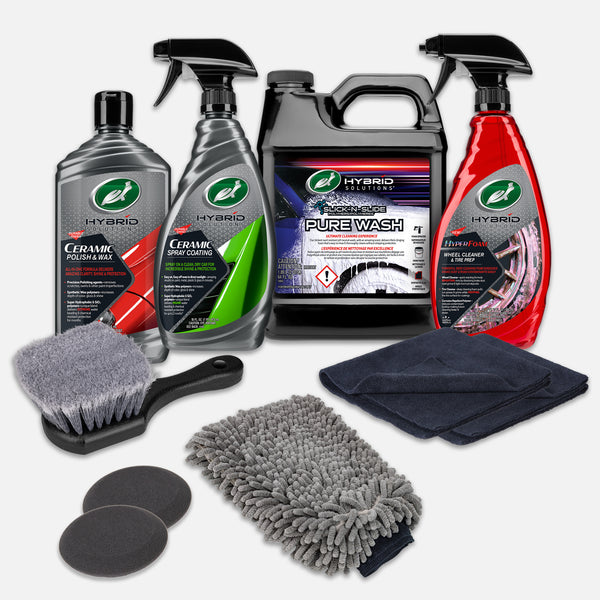
Collect all the tools and products you need. This includes car shampoo, buckets, microfiber cloths, sponges, and a hose. Don’t forget wax and applicator pads for later. Having everything ready saves time and stops you from rushing.
Choosing The Right Location
Pick a shaded place to clean your car. Direct sunlight can dry soap and water too fast. This causes spots and streaks on the paint. A flat surface is best to avoid water pooling around the car’s base.
Checking Weather Conditions
Check the weather before you start washing. Avoid cleaning on windy or rainy days. Wind blows dirt onto the wet car. Rain can wash away your work and leave spots. Aim for a mild, dry day to get the best results.
Washing Your Car Exterior
Washing your car exterior is the first step to keep its shine and protect the paint. Dirt, dust, and grime build up on the surface every day. Cleaning removes these particles and prepares your car for waxing. A good wash also prevents scratches and damage.
Follow simple steps to wash your car safely and effectively. Use the right tools and products. Treat every part of your car with care, including wheels and tires. Dry your car properly to avoid water marks and swirl marks.
Rinsing Off Loose Dirt
Start by rinsing your car with water. Use a hose or a bucket of clean water. This removes loose dirt and dust. Avoid scrubbing at this stage to prevent scratches. Focus on all surfaces, including the roof and under the mirrors.
Using Car Shampoo Effectively
Use a car shampoo made for vehicle paint. Mix the shampoo with water as directed. Use a soft sponge or wash mitt. Work from the top down to avoid dirt running onto clean areas. Wash in sections, rinsing the sponge often to remove dirt.
Cleaning Wheels And Tires
Wheels and tires collect brake dust and grime. Use a separate brush and cleaner for them. Scrub the wheels carefully to avoid scratching. Clean the tires with a stiff brush. Rinse thoroughly to remove all cleaner residue.
Drying Without Scratches
Use a clean, soft microfiber towel to dry your car. Pat the surface gently instead of rubbing. Start drying from the top and move downwards. This prevents water spots and swirl marks. Change towels if they get too wet or dirty.
Removing Contaminants
Removing contaminants from your car’s exterior is a key step before waxing. Dirt, tar, bugs, and water spots can stick to the paint. These contaminants stop wax from bonding well. Cleaning them off helps protect your car and keeps it shiny.
Using Clay Bar For Surface Cleaning
A clay bar removes tiny particles stuck on your car’s surface. It feels like soft putty and glides over paint. Wet the paint with a lubricant and rub the clay gently. This process lifts dirt, brake dust, and pollution that washing missed. Use clean sections of the clay to avoid scratches. After claying, the surface feels smooth and ready for waxing.
Dealing With Tar And Bugs
Tar and bug splatters are tough to remove with soap. Use a special tar remover or bug cleaner spray. Spray on the affected area and let it sit for a minute. Wipe gently with a microfiber cloth. Avoid scrubbing hard, as this can damage the paint. Repeat if needed. Removing tar and bugs prevents stains and keeps paint healthy.
Handling Water Spots
Water spots form from hard water drying on the paint. These spots leave mineral marks and dull the finish. Use a water spot remover or a mixture of vinegar and water. Spray the solution on the spots and wipe with a clean cloth. For stubborn spots, use a gentle polish. Treating water spots helps maintain a clear and bright surface before waxing.
Applying Wax For Protection
Applying wax is the final step to protect your car’s paint. It creates a shield against dirt, water, and sun damage. Wax also enhances the car’s shine, making it look fresh and new. Proper waxing keeps the paint safe and smooth for a long time.
Choosing The Right Wax Type
Pick a wax that suits your car’s needs. Paste wax lasts longer but takes more effort to apply. Liquid wax is easier to spread and dries quickly. Spray wax offers fast application but may need frequent reapplication. Consider your schedule and the look you want.
Applying Wax Correctly
Clean the car surface before waxing. Use a soft applicator pad to apply wax in small sections. Spread the wax evenly with gentle, circular motions. Avoid applying too much wax at once. Let the wax dry until it turns hazy or dull.
Buffing For Maximum Shine
Use a clean microfiber cloth to buff the wax. Wipe gently in circular motions to remove residue. Buffing reveals a deep, glossy shine on your car. Finish by checking for missed spots and re-buffing if needed. Your car will look polished and protected.
Maintaining Your Car’s Shine
Keeping your car’s shine bright makes it look new and well cared for. A clean, glossy surface also protects the paint from damage. Simple steps can help maintain this shine for a long time. Focus on regular care and gentle products to keep your car’s exterior fresh and vibrant.
Small habits make a big difference. Clean your car often and use the right wax. Avoid harsh chemicals that harm the paint. Touch-up waxing can fill in small scratches and keep the shine even. These tips keep your car looking its best every day.
Regular Washing Tips
Wash your car every two weeks. Use a soft sponge or microfiber cloth. Clean with mild car soap and water. Rinse well to remove all dirt and soap. Dry with a soft towel to stop water spots. Regular washing stops dirt from sticking and dulling the paint.
Avoiding Harsh Chemicals
Choose car soaps made for automotive use. Avoid household cleaners like bleach or ammonia. Harsh chemicals can strip wax and damage paint. Test any new product on a small spot first. Gentle products keep the clear coat safe and shiny.
Touch-up Waxing
Apply wax every two to three months. Use a soft applicator pad for even spread. Focus on areas with light scratches or wear. Let the wax dry before buffing with a clean cloth. Touch-up waxing protects the paint and keeps the shine smooth.

Credit: www.lowes.com
Common Mistakes To Avoid
Cleaning and waxing your car’s exterior keeps it shining and protects the paint. Many people make common mistakes that harm the finish or reduce the wax’s effectiveness. Avoiding these errors helps your car look its best for longer.
Using Dish Soap Or Household Cleaners
Dish soap and household cleaners remove dirt but also strip away protective wax. These products can dry out the paint and cause fading. Always use car wash soap made for automotive paint. It cleans gently and keeps wax intact.
Waxing On A Dirty Surface
Applying wax on a dirty car traps dirt under the wax layer. This causes scratches and dulls the shine. Clean the car thoroughly before waxing. Dirt and grime must be removed to get a smooth, bright finish.
Skipping Drying Steps
Wax does not stick well to a wet or damp surface. Skipping the drying step leads to uneven application and streaks. Use a clean microfiber towel to dry the car fully. This helps the wax bond properly and shine evenly.
Credit: www.turtlewax.com
Frequently Asked Questions
How Often Should I Wash My Car Exterior?
Washing your car every two weeks keeps dirt and grime off the paint. Frequent washing prevents damage and maintains shine. Adjust frequency based on weather and driving conditions.
What Is The Best Way To Wax A Car?
Apply wax in thin, even layers using a foam applicator. Let it haze, then buff with a microfiber cloth. Waxing protects paint and enhances gloss.
Can I Use Household Soap To Clean My Car?
No, household soaps can strip car wax and damage paint. Use car-specific shampoos designed to clean gently without harming the finish.
Should I Wax My Car Before Or After Washing?
Always wash your car before waxing to remove dirt and debris. Waxing a clean surface ensures better adhesion and longer-lasting protection.
Conclusion
Cleaning and waxing your car keeps it looking fresh and new. Regular care protects the paint from dirt and damage. Use gentle soap and soft cloths for washing. Apply wax evenly to create a smooth, shiny surface. This simple routine saves money on repairs later.
A clean car also feels nicer to drive. Start today and enjoy a bright, well-maintained ride. Small efforts make a big difference over time. Keep your car happy and it will serve you well.


