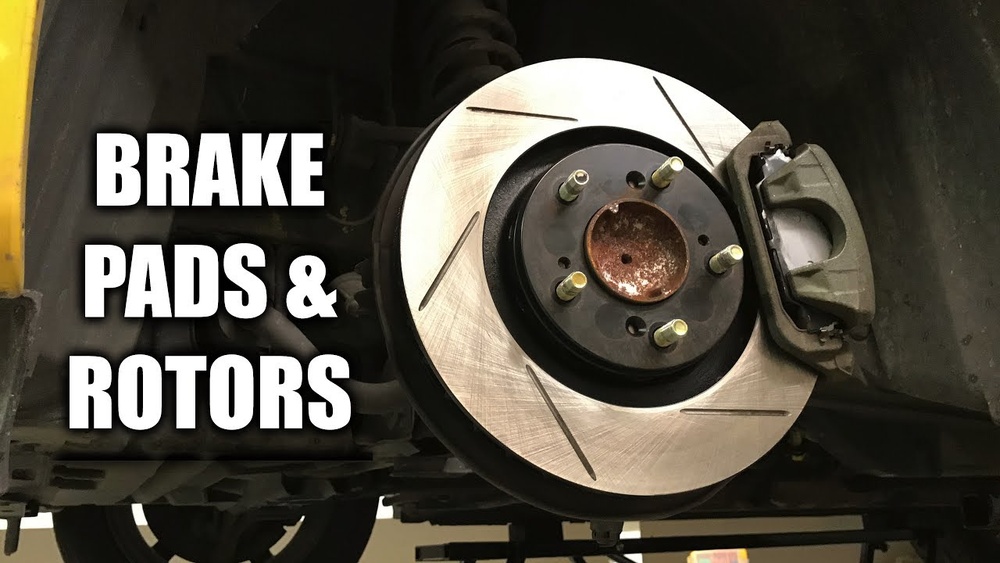
If you’ve noticed strange noises or reduced braking power, your brake rotors might need cleaning. Keeping your brake rotors clean is key to safe driving and smooth stops.
But how do you do it without spending a fortune or visiting a mechanic? You’ll discover simple, step-by-step ways to clean your brake rotors at home. By the end, you’ll feel confident tackling this important task yourself and keeping your car running safely.
Ready to learn how? Let’s dive in.
Signs Of Dirty Brake Rotors
Dirty brake rotors can cause several problems while driving. They affect how your car stops and may cause noise and vibrations. Knowing the signs of dirty brake rotors helps you fix the issue early.
Squeaking And Squealing Noises
Dirty brake rotors often make high-pitched noises. This happens when dirt or rust builds up on the rotor surface. The brake pads scrape against the rough surface, causing squeaks or squeals. These sounds mean your brakes need cleaning soon.
Vibrations While Braking
Feel shaking or vibrations in the brake pedal or steering wheel? This can mean the rotors are dirty or warped. Dirt causes uneven contact between the brake pad and rotor. Vibrations warn you to check and clean the brake rotors for smooth braking.
Reduced Braking Performance
Dirty rotors reduce how well your car stops. Dirt and rust lower friction between the rotor and pads. You may need more distance to stop your car safely. Poor braking performance signals it’s time to clean the brake rotors.
Credit: www.buybrakes.com
Tools And Materials Needed
Cleaning brake rotors requires specific tools and materials. Having the right items makes the job easier and safer. This section lists what you need to prepare before starting the cleaning process.
Basic Cleaning Supplies
Start with a good brake cleaner spray. It removes dirt and grease quickly. Use a clean, lint-free cloth to wipe the rotors. A soft-bristle brush helps remove stuck debris. Also, keep some water nearby for rinsing off residues. Paper towels are useful for drying the rotors after cleaning.
Safety Gear
Wear safety goggles to protect your eyes from dust and spray. Gloves keep your hands clean and safe from chemicals. Use a dust mask to avoid breathing in brake dust. Closed-toe shoes prevent injuries from dropped tools or parts. Always work in a well-ventilated area to avoid fumes.
Optional Tools For Deep Cleaning
For tough grime, a wire brush can be helpful. Sandpaper or a scouring pad removes rust spots gently. A torque wrench is useful to tighten bolts correctly after cleaning. If you have access, an air compressor can blow away dust fast. These tools make deep cleaning more effective but are not always necessary.
Preparing Your Car For Cleaning
Preparing your car for cleaning brake rotors is an important first step. It helps you work safely and effectively. Taking time to prepare also protects your car parts from damage. This section guides you through the initial steps before you clean the rotors.
Parking And Securing The Vehicle
Park your car on a flat and stable surface. Avoid slopes to prevent the car from moving. Engage the parking brake firmly. Place wheel chocks behind the wheels to block movement. This keeps your car steady while you work.
Removing The Wheel
Loosen the lug nuts slightly before lifting the car. Use a jack to raise the vehicle safely. Place jack stands under the car for extra support. Fully remove the lug nuts and take off the wheel. Set the wheel aside carefully.
Inspecting The Brake Components
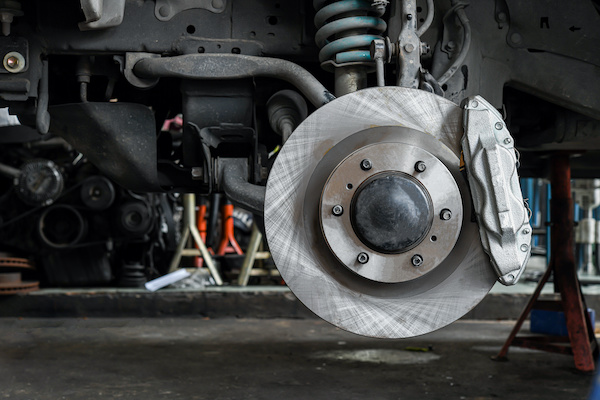
Look closely at the brake rotor and pads. Check for deep grooves, cracks, or rust on the rotor. Inspect brake pads for wear or damage. Notice any leaks or loose parts around the brakes. This helps decide if cleaning is enough or if replacement is needed.

Credit: www.youtube.com
Step-by-step Rotor Cleaning Process
Cleaning brake rotors is a simple task that improves braking performance. Dirt, rust, and brake dust can reduce the rotor’s effectiveness. Following a clear step-by-step process ensures the rotors stay clean and safe. This guide breaks down each step for easy understanding.
Removing Surface Rust And Debris
Start by removing loose rust and dirt from the rotor surface. Use a clean cloth or a soft brush to wipe away any visible debris. This step prepares the rotor for deeper cleaning. Avoid using harsh tools that may scratch the metal.
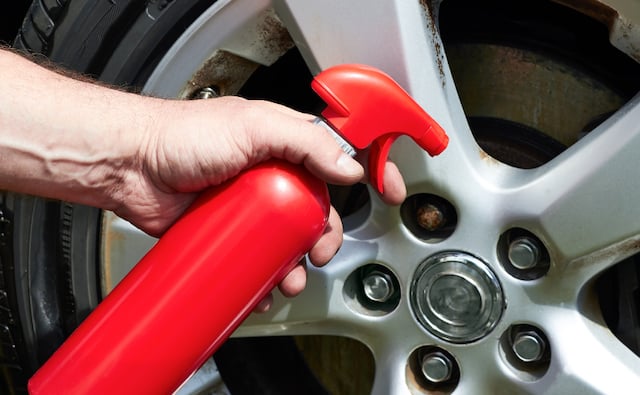
Using Brake Cleaner Spray
Spray brake cleaner directly on the rotor surface. Brake cleaner removes oil, grease, and brake dust quickly. Let the spray sit for a few seconds to dissolve grime. Use enough cleaner to cover the whole rotor evenly.
Scrubbing With A Wire Brush
Take a wire brush and scrub the rotor gently. Focus on areas with stubborn rust or dirt. Brush in a circular motion to clean evenly. Do not press too hard to avoid damaging the rotor surface.
Drying And Final Inspection
Wipe the rotor with a dry cloth to remove moisture. Make sure the rotor is completely dry before reassembling. Check for any remaining dirt or rust spots. A clean, dry rotor improves brake pad contact and overall safety.
Tips For Maintaining Clean Rotors
Keeping brake rotors clean is key to safe driving and good brake performance. Dirt, dust, and rust can build up on rotors and cause noise or poor braking. Simple habits help keep rotors clean and working well. These tips make rotor care easier.
Regular Inspection Schedule
Check your brake rotors every few months. Look for rust, grooves, or dirt. Use a flashlight to see the rotor surface clearly. Clean light dust with a soft cloth. If rotors look rough or worn, note it for professional check. Regular checks catch problems early. This saves money and keeps brakes safe.
Avoiding Contaminants
Keep oil, grease, and brake fluid away from rotors. These substances reduce brake grip and cause noise. Wash hands before touching brake parts. Avoid driving through deep mud or water that splashes onto rotors. Dirt and grime stick to wet rotors more easily. Clean rotors with brake cleaner spray to remove stubborn dirt. Stay clear of sprays that leave residue.
When To Replace Rotors
Replace rotors if they are deeply scored or warped. Warped rotors cause shaking when braking. Also, replace if rotor thickness is below the manufacturer’s minimum. Thin rotors overheat and fail faster. Brake shops measure thickness and check for damage. Don’t wait too long. Safe brakes depend on good rotors.
Common Mistakes To Avoid
Cleaning brake rotors improves your car’s braking performance. Avoiding common mistakes keeps the process safe and effective. Many people unknowingly harm their rotors or themselves during cleaning. Knowing what to avoid saves time and money.
Using Harsh Chemicals
Harsh chemicals can damage the rotor surface. Avoid strong acids or abrasive cleaners. These can cause corrosion or uneven wear. Use brake cleaner sprays made for rotor cleaning. They remove dirt without harming the metal. Always check product labels before use.
Skipping Safety Precautions
Brake cleaning involves dust and chemicals that can harm you. Always wear gloves and eye protection. Work in a well-ventilated area to avoid inhaling fumes. Never skip these steps, even for quick jobs. Safety prevents accidents and health issues.
Ignoring Brake Pad Condition
Dirty rotors often mean worn brake pads. Cleaning rotors without checking pads is a mistake. Worn pads cause uneven rotor wear and noise. Replace pads if they are thin or damaged. Good pads help rotors last longer and perform better.
Credit: www.oswaldserviceinc.com
Frequently Asked Questions
How Often Should I Clean Brake Rotors On My Car?
Clean brake rotors every 20,000 to 30,000 miles or when you notice reduced braking. Regular cleaning prevents rust and ensures smooth braking performance.
What Tools Do I Need To Clean Brake Rotors?
You need a jack, lug wrench, brake cleaner, wire brush, and clean cloths. These tools help safely remove and clean brake rotors effectively.
Can I Clean Brake Rotors Without Removing The Wheels?
No, it’s best to remove the wheels for proper rotor cleaning. This allows full access to the rotors and prevents damage or incomplete cleaning.
Is Brake Cleaner Safe For All Types Of Rotors?
Yes, brake cleaner is safe for most rotor types. It removes dirt and grease without harming the rotor surface or brake components.
Conclusion
Cleaning brake rotors keeps your car safe and running well. Dirt and rust can cause noise and reduce braking power. Regular cleaning helps stop these problems early. Use simple tools and follow the steps carefully. Take your time and check the rotors often.
Clean rotors mean smoother stops and longer brake life. Keep your car ready for the road by caring for its brakes. Small efforts make a big difference in safety and performance.