

Your car engine works hard every day, and keeping it clean can help it run better and last longer. But what if you don’t have a pressure washer?
Don’t worry—you can still clean your engine safely and effectively with simple tools you already have. In this guide, you’ll discover easy steps to make your engine shine without risking damage. Keep reading to find out how you can bring new life to your engine and save money at the same time.

Credit: www.chemicalguys.com
Prepare Your Car Engine
Preparing your car engine for cleaning is a key step. It helps protect parts and ensures effective cleaning. Taking time to prepare saves effort later. Follow simple steps to get your engine ready.
Gather Necessary Supplies
Collect all materials before starting. You need a soft brush, degreaser, microfiber cloths, and plastic bags. Have a small bucket of water and a spray bottle ready. These items help clean without damage.
Ensure Engine Is Cool
Make sure the engine is completely cool. Cleaning a hot engine can cause burns or damage parts. Let the car sit for at least one hour after driving. This step is important for safety and good results.
Protect Sensitive Components
Cover electrical parts like the battery and fuse box with plastic bags. Wrap the air intake and exposed wires carefully. Use tape to secure the coverings. This stops water from reaching delicate areas during cleaning.
Remove Loose Dirt And Debris
Removing loose dirt and debris is the first step to clean your car engine without a pressure washer. This step helps prevent dirt from spreading or scratching engine parts during cleaning. It also makes the cleaning process faster and more effective.
Use A Brush Or Compressed Air
Start by using a soft brush to sweep away dirt from the engine surface. A paintbrush or a small detailing brush works well for tight spots. For hard-to-reach areas, use compressed air to blow out dust and debris. This method removes dirt without water or chemicals, keeping the engine dry and safe.
Wipe Down With A Dry Cloth
After brushing or blowing, take a clean, dry cloth to wipe the engine surface. This removes any remaining dust or loose dirt. Use a microfiber cloth for best results because it traps dirt better. Wiping helps prepare the engine for deeper cleaning steps.
Apply Engine Degreaser
Applying engine degreaser is a key step to clean your car engine without a pressure washer. It helps break down dirt, oil, and grease stuck on engine parts. Proper use of degreaser makes the cleaning process easier and more effective.
Choose The Right Degreaser
Select a degreaser made for car engines. Look for one that is safe for metal, rubber, and plastic parts. Avoid harsh chemicals that may damage engine components. A good degreaser should work well on grease and grime but be gentle on surfaces.
Apply Evenly On Engine Surfaces
Spray or brush the degreaser evenly across the engine. Cover all dirty areas, including tight spots. Use enough product to soak the grease but avoid flooding the engine. Even coverage helps the degreaser work on all grime.
Let Degreaser Sit
Allow the degreaser to sit for 10 to 15 minutes. This time lets it break down the grease and dirt. Do not let it dry completely. Keep the engine cool before applying degreaser to avoid damage. After sitting, you can wipe or rinse the engine clean.
Clean With Soft Brushes And Cloths
Cleaning your car engine without a pressure washer is simple with soft brushes and cloths. These tools help remove dirt and grease without damaging engine parts. Using gentle materials keeps sensitive components safe. Soft brushes reach tight spots and loosen grime. Cloths wipe surfaces clean and dry. This method controls water use and prevents electrical problems.
Scrub Stubborn Areas Gently
Use a soft-bristled brush for tough dirt. Light scrubbing loosens grease and debris. Avoid hard scrubbing to protect wires and hoses. Focus on small sections to clean deeply. Repeat gently until dirt lifts away. Patience keeps the engine safe and clean.
Avoid Excess Water Usage
Wet the cloth or brush lightly, not soaked. Excess water can harm electrical parts. Use a spray bottle to control moisture. Wipe areas carefully and dry with a microfiber cloth. This method keeps water away from sensitive spots. Minimal water helps prevent rust and damage.
Rinse Engine Safely
Rinsing your car engine safely is key to avoid damage while cleaning. Water can harm delicate parts if not used carefully. Using the right method helps keep your engine clean without risks. Follow simple steps to rinse without pressure washers.
Use Low-pressure Water Sources
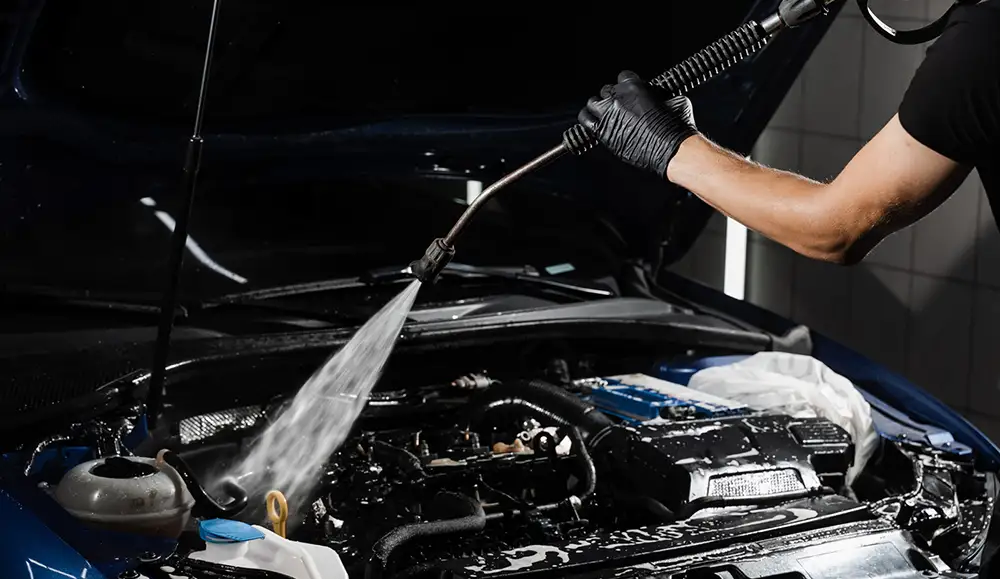
Choose a garden hose with a gentle spray nozzle. Avoid strong jets that push water hard. A light flow removes dirt without force. Keep the nozzle at least 12 inches from the engine. Move the spray slowly and evenly to rinse all areas. Use a bucket of water and a sponge for tight spots. This method controls water use and prevents damage.
Avoid Electrical Components
Cover sensitive parts like the battery, alternator, and fuse box. Use plastic bags or cling wrap to shield these areas. Water can cause short circuits and corrosion. Do not spray directly on wires or connectors. Dry these parts with a soft cloth if they get wet. Protecting electrical components keeps your engine safe and working well.
Credit: dennisautodetails.com
Dry The Engine Thoroughly
Drying the engine thoroughly is a key step after cleaning without a pressure washer. Water left on the engine can cause rust or electrical problems. It also helps prevent dirt from sticking back to wet surfaces. Taking time to dry the engine well keeps it safe and running smoothly.
Use Microfiber Towels
Microfiber towels absorb water quickly and gently. Use them to wipe down all visible parts of the engine. Focus on tight spots where water can hide. Avoid rough cloths that may scratch surfaces. Change towels as they get wet to speed up drying.
Allow Natural Air Dry
After wiping, let the engine dry in open air. Keep the hood open in a dry place. Sunlight helps evaporate moisture fast. Wait at least 30 minutes to ensure no damp areas remain. This step reduces risks of electrical faults and corrosion.
Apply Protective Coating
Applying a protective coating to your car engine helps keep it clean longer. This step prevents dirt and grime from sticking. It also protects engine parts from moisture and rust. A good coating makes future cleaning easier. It keeps your engine looking fresh and cared for.
Use Engine Protectants
Engine protectants form a thin barrier on surfaces. They repel dust, oil, and water. These products are safe for rubber, plastic, and metal parts. Spray or wipe the protectant evenly over the engine. Let it dry before touching or driving. Regular use keeps the engine shielded from wear.
Enhance Engine Appearance
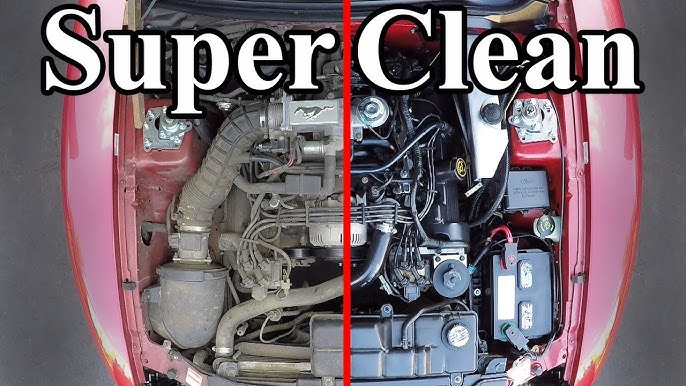
Protective coatings add a subtle shine to the engine. They restore dull plastic and rubber parts. The engine looks cleaner and newer after application. This boost in appearance can improve your car’s value. A well-maintained engine also signals good care to buyers.
Credit: www.youtube.com
Tips For Maintaining A Clean Engine
Keeping your car engine clean helps it run better and last longer. Dirt and grease can build up over time. This buildup can cause problems and reduce engine efficiency. Regular care keeps the engine looking good and working well.
Simple habits can make a big difference. Follow easy tips to keep your engine clean without using a pressure washer. These steps save time and protect your engine parts.
Regular Cleaning Schedule
Set a routine to clean the engine every few months. This stops dirt from piling up. Use a soft brush and cloth to remove dust and grease. Small, frequent cleanings take less effort than one big cleaning. Check for leaks or damaged parts during each cleaning. Early fixes prevent bigger problems later.
Avoid Harsh Chemicals
Choose gentle cleaners made for engines. Strong chemicals can damage wires and hoses. Use water and mild soap instead. Test any cleaner on a small spot first. Avoid sprays that leave sticky residue. Protect sensitive parts with plastic covers before cleaning. This keeps the engine safe and clean.
Frequently Asked Questions
How Can I Clean My Car Engine Without A Pressure Washer?
Use a degreaser and soft brush to scrub the engine gently. Rinse with a low-pressure hose or damp cloth. Avoid soaking electrical parts to prevent damage.
What Materials Do I Need For Engine Cleaning?
Gather degreaser, brushes, microfiber cloths, plastic bags, and a hose with low water pressure. These tools help clean safely without a pressure washer.
Is It Safe To Clean The Engine With Water?
Yes, but avoid high pressure and direct spraying on electrical parts. Use minimal water and dry the engine thoroughly to prevent damage and corrosion.
How Often Should I Clean My Car Engine?
Clean your engine every 6-12 months, depending on driving conditions. Regular cleaning prevents buildup of dirt, grease, and improves engine performance.
Conclusion
Cleaning your car engine without a pressure washer is simple and safe. Use basic tools like brushes, cloths, and gentle cleaners. Take your time and protect sensitive parts from water. Regular cleaning helps your engine run better and last longer.
You can do this job at home without special equipment. Stay careful and follow the steps for best results. Your car will look cleaner and perform well. Try this easy method to keep your engine neat and healthy.


