

Want your car to look spotless without spending hours scrubbing? Using a high pressure washer can make washing your car faster, easier, and more effective.
But if you’re not careful, you might damage the paint or miss some spots. In this guide, you’ll learn simple, step-by-step tips to get your car sparkling clean while protecting its finish. Keep reading to discover how to use your high pressure washer like a pro and enjoy a showroom shine every time.
Benefits Of Using A High Pressure Washer
Using a high pressure washer to clean your car has many benefits. It makes the job faster and easier. The strong water spray removes dirt well. It also saves water compared to other washing methods. These advantages make it a smart choice for car cleaning.
Here are some key benefits of using a high pressure washer for your car.
Efficiency And Time Savings
A high pressure washer cleans quickly. The powerful spray cuts through dirt and grime fast. It reduces the time spent washing your car. You can finish the job in minutes, not hours. This saves effort and lets you do other tasks sooner.
Superior Cleaning Power
The strong water pressure reaches tight spots easily. It removes stubborn dirt better than a hose or sponge. Even mud and grease come off with little scrubbing. Your car looks cleaner and shines more after washing. The pressure washer helps protect your car’s paint by avoiding harsh scrubbing.
Water Conservation
A high pressure washer uses less water than a hose. The water sprays with force, so less is needed. This helps save water during cleaning. It is better for the environment. Using less water also lowers your water bill. It is a smart and eco-friendly way to wash your car.
Credit: giraffetools.com
Essential Tools And Materials
Washing your car with a high-pressure washer needs the right tools and materials. These items help clean your car safely and well. Prepare everything before you start for a smooth and quick wash.
Choosing The Right Pressure Washer
Select a pressure washer with suitable power. Too strong can damage your car paint. Look for models with adjustable pressure settings. A washer with 1200 to 1900 PSI works well for most cars. Choose one that is easy to handle and has good water flow.
Detergents And Cleaning Solutions
Use detergents made for car washing. They remove dirt without harming paint or finish. Avoid harsh chemicals like bleach or ammonia. Pick biodegradable or eco-friendly cleaners. Mix the detergent with water as the instructions say. This helps protect your car and the environment.
Protective Gear
Wear protective gear to stay safe during washing. Use gloves to protect your hands from chemicals. Safety glasses shield your eyes from spray and dirt. Wear old clothes that can get wet. Non-slip shoes help prevent accidents on wet surfaces.
Preparing Your Car For Washing
Preparing your car for washing with a high pressure washer is important. It helps protect your car’s paint and parts. It also makes the cleaning process easier and more effective.
Removing Loose Dirt And Debris
Start by removing loose dirt and debris from your car’s surface. Use a soft brush or cloth to sweep off dust, leaves, and cobwebs. This stops dirt from scratching the paint during washing. Check the wheels and under the car for stuck debris too.
Protecting Sensitive Areas
Cover sensitive parts like air vents, mirrors, and electrical components. Use plastic bags or tape to protect them from water and strong pressure. This prevents damage and keeps your car working well after washing.
Setting Up The Washing Area
Choose a flat, shaded spot to wash your car. Avoid direct sunlight to stop water spots on the paint. Make sure the ground drains water away from your home and plants. Keep the hose and washer close for easy use during washing.
Step-by-step Washing Process
Washing a car with a high pressure washer is simple when following the right steps. It helps remove dirt fast and protects the car’s paint. The process has clear stages that make cleaning easy and effective.
Each step focuses on doing one task well. This keeps the car safe and looks great after washing. Start by setting the right pressure, then apply detergent carefully. Next, rinse with good technique to avoid damage. Finish by drying the car to stop water spots.
Adjusting Pressure Settings
Set the washer’s pressure to a low or medium level. Too much pressure can harm the paint. Check your washer’s manual for car-safe settings. Start with the lowest pressure and increase if needed. Keep the nozzle at least one foot from the car surface.
Applying Detergent
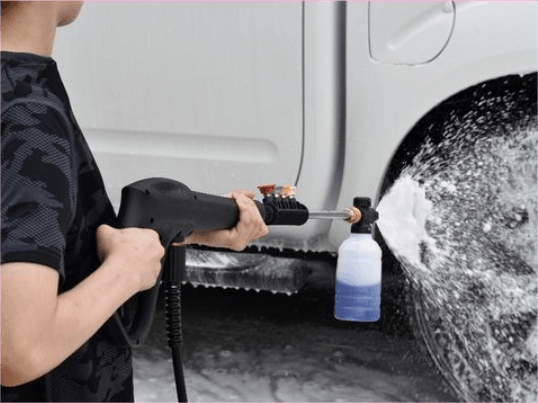
Use a detergent made for cars and pressure washers. Spray the detergent evenly on the car’s surface. Work from the bottom up to avoid streaks. Let the detergent sit for a few minutes to break dirt loose. Do not let it dry on the paint.
Rinsing Techniques
Rinse the car with clean water at low pressure. Start from the top and move downward. Use a sweeping motion to cover all areas. Keep the nozzle moving to avoid paint damage. Rinse until all soap and dirt are gone.
Drying Tips
Dry the car quickly to avoid water spots. Use a soft microfiber towel or chamois cloth. Pat the surface gently instead of rubbing hard. Dry windows, mirrors, and door seals well. This step keeps the car shiny and clean longer.
Safety Precautions To Follow
Using a high pressure washer can make car cleaning fast and effective. Safety is very important to protect your car and yourself. Follow these precautions to avoid accidents and damage during washing.
Avoiding Damage To Car Paint
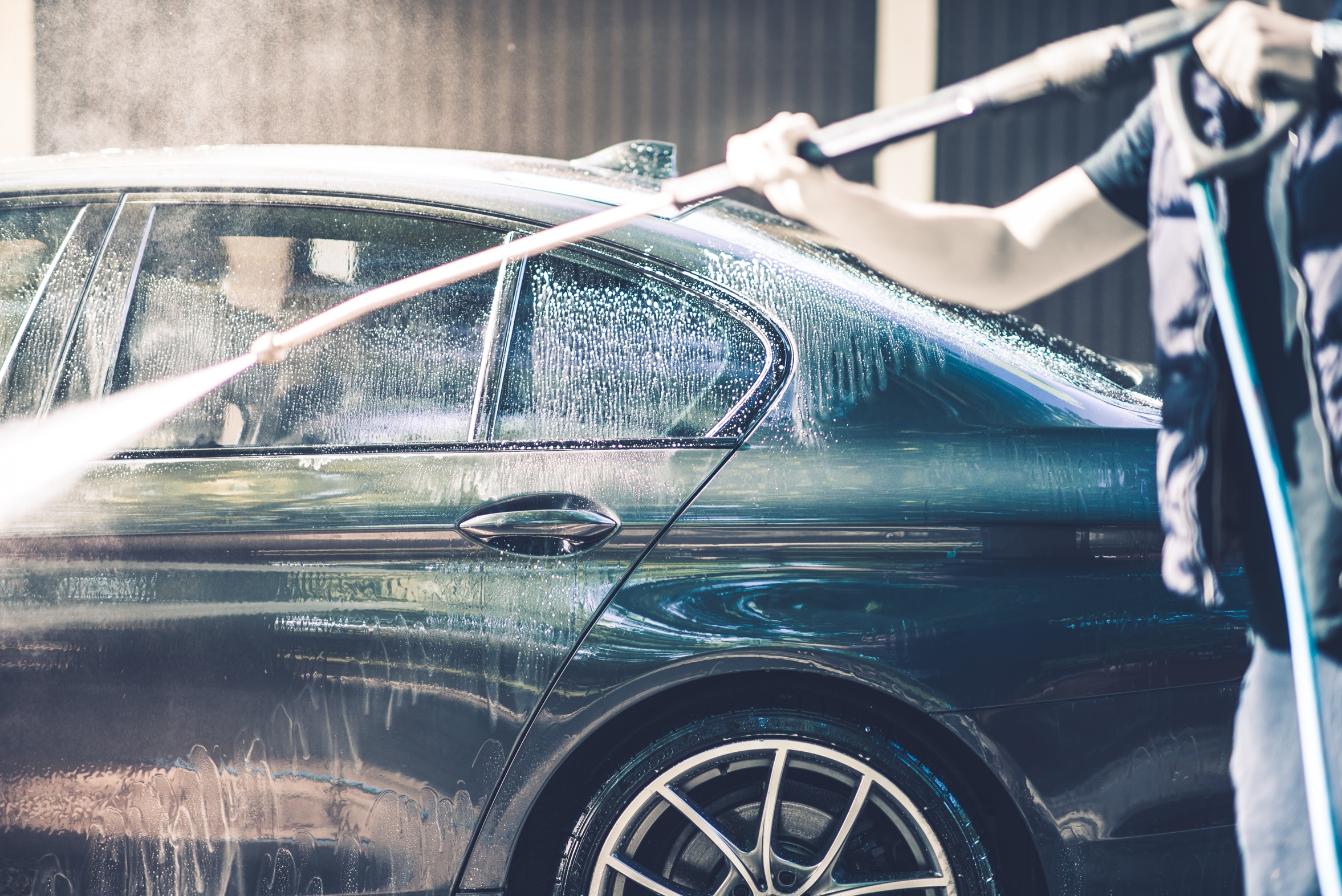
Keep the pressure washer nozzle at least 12 inches away from the car surface. High pressure too close can chip or strip paint. Use a wide spray pattern to reduce force on the paint. Avoid spraying directly on sensitive areas like mirrors and trim. Test on a small spot first to check pressure effects.
Safe Handling Of Equipment
Wear safety glasses and gloves to protect your eyes and hands. Hold the washer with both hands for better control. Do not point the spray at people or pets. Turn off the machine before changing nozzles or moving the hose. Check for leaks or damage in the equipment before use.
Environmental Considerations
Wash your car on a grassy or gravel area to reduce water runoff. Avoid using harsh soaps that can harm plants and wildlife. Collect wastewater if possible to prevent pollution. Use biodegradable or eco-friendly cleaning products. Dispose of dirty water according to local rules.
Credit: blog.comet-spa.com
Common Mistakes To Avoid
Washing a car with a high pressure washer can save time and effort. Yet, mistakes can cause damage or poor results. Avoiding common errors helps protect your car’s paint and finish. Learn what to watch out for.
Using Excessive Pressure
Too much pressure can strip paint or dent surfaces. Use the lowest pressure that cleans well. Keep the nozzle at least 12 inches from the car. Test on a small spot first. Gentle sprays clean without damage.
Ignoring Manufacturer Guidelines
Every car and washer has rules. Check your washer’s manual for pressure limits. Follow your car maker’s advice for cleaning. Some parts need special care. Ignoring guidelines leads to costly repairs.
Washing In Direct Sunlight
Sunlight heats the car surface fast. Water and soap dry too quickly. This causes spots and streaks. Wash in the shade or early morning. Cooler surfaces give a cleaner, shinier finish.
Maintaining Your Pressure Washer
Maintaining your pressure washer helps it last longer and work better. Simple care can prevent problems and save money. Regular checks keep the machine safe and efficient.
Cleaning And Storage
After use, rinse the pressure washer with clean water. Remove dirt and soap from the nozzle and hose. Let all parts dry before storing. Store the washer in a dry, cool place. Avoid direct sunlight or freezing temperatures. Proper storage stops rust and damage.
Troubleshooting Common Issues
Check the water supply if pressure is low. Clear clogs from the nozzle using a small pin. Listen for strange noises; these can show pump problems. Replace worn-out or damaged parts quickly. Keep the hose and connections tight to avoid leaks.
Regular Maintenance Tips
Change the oil after every 50 hours of use. Clean or replace the air filter regularly. Check the spark plug and replace it if needed. Inspect hoses and fittings for cracks or leaks. Follow the manufacturer’s instructions for all maintenance tasks.

Credit: www.amazon.com
Frequently Asked Questions
How Do I Prepare My Car For High Pressure Washing?
Before washing, rinse your car to remove loose dirt. Close windows and doors tightly. Avoid washing under direct sunlight to prevent water spots.
What Pressure Setting Is Safe For Car Washing?
Use a pressure setting between 1200 to 1900 PSI. Too high pressure can damage paint or trim. Always test on a small area first.
Can I Use Detergent With A High Pressure Washer?
Yes, use car-specific detergents designed for pressure washers. Apply detergent on a cool surface. Rinse thoroughly to avoid residue buildup.
How Far Should The Pressure Washer Be From The Car?
Maintain a distance of 12 to 18 inches. Closer distances risk paint damage. Adjust distance based on dirt level and pressure strength.
Conclusion
Washing your car with a high-pressure washer saves time and effort. Always keep the nozzle at a safe distance to avoid damage. Use the right pressure settings for different parts of the car. Start from the top and work your way down.
Rinse thoroughly to remove all soap and dirt. A clean car looks great and lasts longer. Practice these steps regularly for the best results. Simple, quick, and effective cleaning at home. Your car will shine without needing a professional.


