

If your engine is acting up or losing power, your fuel filter might be the problem. A clogged fuel filter can stop fuel from reaching your engine properly, causing frustrating performance issues.
But don’t worry—you can fix this yourself by cleaning the fuel filter inside your gas tank. You’ll learn simple, step-by-step instructions to get your fuel filter clean and your engine running smoothly again. Keep reading, and you’ll save time, money, and avoid unnecessary trips to the mechanic.
Credit: blog.napacanada.com
Signs Of A Dirty Fuel Filter
A dirty fuel filter can cause many problems in your vehicle. It stops fuel from flowing properly. This can affect how your engine runs and how your car feels when you drive it. Recognizing signs of a dirty fuel filter helps you fix issues early. This keeps your car running smoothly and saves money on repairs.
Engine Performance Issues
Your engine may run rough or hesitate. It might stall or lose power during acceleration. The fuel filter blocks dirt and debris. When it clogs, fuel flow slows down. This causes poor engine performance and uneven idling.
Fuel Efficiency Drop
You might notice your car uses more gas than usual. A blocked fuel filter makes the engine work harder. It burns more fuel to keep the same speed. This reduces your car’s fuel efficiency and increases costs.
Starting Problems
Hard starts or no starts can signal a dirty filter. The engine needs enough fuel to start quickly. A clogged filter limits fuel supply. Your car may crank longer or fail to start at all.
Tools And Materials Needed
Cleaning the fuel filter in your gas tank requires specific tools and materials. Having the right items makes the job safer and easier. Prepare everything before starting to avoid interruptions.
This section lists the essential tools and materials for a smooth cleaning process. Use this as your checklist to get ready.
Protective Gear
Wear gloves to protect your hands from fuel and dirt. Safety glasses keep your eyes safe from splashes. A long-sleeve shirt prevents skin contact with fuel. Work in a well-ventilated area to avoid inhaling fumes.
Basic Hand Tools
Use a wrench set to remove bolts and screws. Pliers help to disconnect fuel lines carefully. A screwdriver is useful for clamps and small fasteners. Have a container ready to catch any spilled fuel.
Replacement Fuel Filter
Choose a fuel filter that matches your vehicle’s model. Check the manual to find the correct type. Always use a new filter to ensure proper engine performance. Avoid reusing old or damaged filters.
Preparing Your Vehicle
Before cleaning the fuel filter in your gas tank, prepare your vehicle carefully. Proper preparation keeps you safe and makes the job easier. Take time to understand the key steps. This will help avoid damage and accidents.
Safety Precautions
Work in a well-ventilated area to avoid harmful fumes. Keep away from open flames and sparks. Wear gloves and safety glasses to protect your skin and eyes. Have a fire extinguisher nearby. Disconnect the vehicle’s battery to prevent electrical sparks.
Locating The Fuel Filter
Find the fuel filter by checking your vehicle’s manual. It is often near the gas tank or along the fuel line. Some cars have the filter inside the tank. Others place it under the car or near the engine. Look for a small cylindrical part connected to fuel lines.
Relieving Fuel System Pressure
Relieve pressure to avoid fuel spray. Start by removing the fuel pump fuse or relay. Run the engine until it stops. This empties fuel from the lines. Press the gas pedal a few times to release extra pressure. Wear eye protection during this step.
Removing The Fuel Filter
Removing the fuel filter is a key step in cleaning the filter inside the gas tank. This part catches dirt and debris that can harm your engine. Taking out the old filter carefully helps keep your fuel system working well. Follow these steps to remove the fuel filter safely and correctly.
Disconnecting Fuel Lines
Start by relieving pressure in the fuel system. Then, find the fuel lines connected to the filter. Use pliers or a wrench to loosen the clamps or fittings. Pull the fuel lines off gently. Have a container ready to catch any fuel that leaks out.
Removing Mounting Brackets
The fuel filter is held in place by mounting brackets. Locate the screws or bolts securing these brackets. Use the right tool to unscrew them carefully. Keep the brackets and screws safe for reinstallation later. Removing the brackets frees the filter from the tank.
Taking Out The Old Filter
With the fuel lines and brackets removed, the filter is free. Pull it out slowly to avoid spilling fuel. Check the filter for dirt and damage. Dispose of the old filter safely according to local rules. Now, the filter is ready for cleaning or replacement.
Cleaning Techniques For The Fuel Filter
Cleaning the fuel filter is important to keep your engine running smoothly. Dirt and debris can clog the filter, causing poor engine performance. Proper cleaning techniques help remove these blockages and extend the life of your fuel system.
Follow these steps carefully to clean the fuel filter and maintain good fuel flow.
Using Fuel System Cleaner
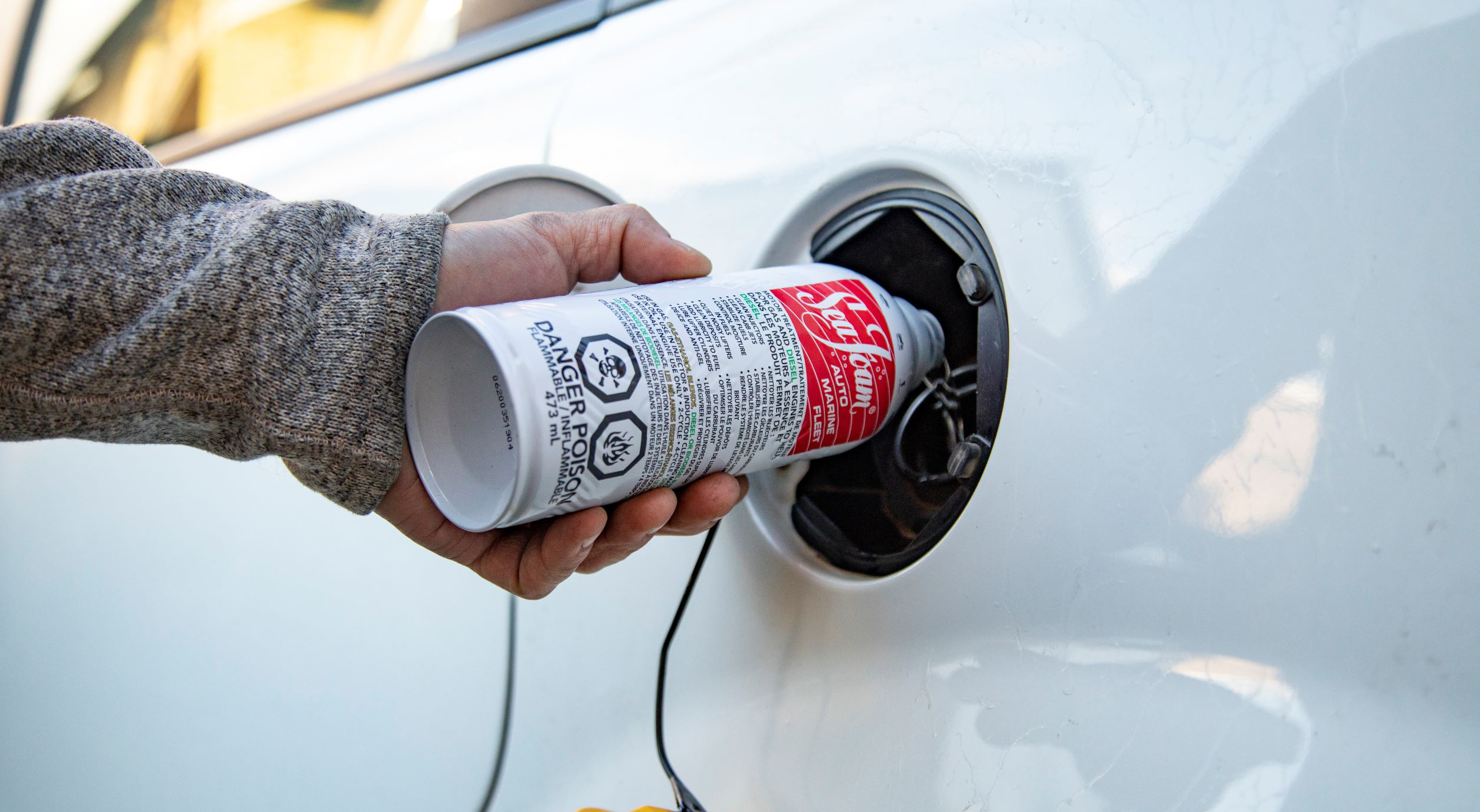
Fuel system cleaners are easy to use and help remove deposits inside the fuel filter. Add the cleaner directly to the gas tank. Run the engine for some time to let the cleaner work through the fuel system. This method does not clean the filter physically but helps dissolve dirt and varnish.
Inspecting For Damage
After cleaning, check the fuel filter for cracks or leaks. A damaged filter can cause fuel leaks and engine problems. Remove the filter carefully and look for signs of wear or damage. Replace it if you find any cracks or holes to avoid fuel system failure.
When To Replace Instead
Cleaning works well for mild clogs, but some filters need replacement. Replace the fuel filter every 20,000 to 30,000 miles or as the manufacturer suggests. Also, change it if the engine shows hesitation or power loss after cleaning. A new filter ensures proper fuel flow and engine health.

Credit: www.wikihow.com
Reinstalling The Fuel Filter
Reinstalling the fuel filter is a key step after cleaning it. Proper reinstallation ensures your engine runs smoothly. Pay close attention to details during this process. Even a small mistake can cause fuel leaks or poor engine performance.
Proper Alignment
Place the fuel filter in the correct position inside the gas tank. The filter has an inlet and outlet side. Make sure the fuel flows in the right direction. Check the filter’s arrows or markings. Align it so fuel moves from the tank to the engine without blockage.
Securing Connections
Attach the fuel lines firmly to the filter’s ends. Use clamps or connectors provided with your vehicle. Tighten them to avoid any loose fittings. Loose connections can let air in, harming engine performance. Double-check each connection before proceeding.
Checking For Leaks
After securing the fuel filter, start the engine briefly. Look closely around the filter for any signs of fuel leaks. Smell for fuel odor near the connections. If you spot leaks, turn off the engine immediately. Re-tighten connections or replace faulty parts before driving.
Post-cleaning Checks
After cleaning the fuel filter in your gas tank, some checks are necessary to ensure everything works well. These steps help you confirm the cleaning was effective. They also prevent future problems with your engine.
Starting The Engine
Turn the key to start your vehicle. Listen carefully to how the engine sounds. It should start smoothly without hesitation. If the engine struggles or stalls, the filter may not be clean enough. Check the fuel lines and connections for leaks or loose fittings.
Monitoring Performance
Drive the vehicle for a short distance. Notice how it accelerates and runs at different speeds. The engine should respond quickly and run without sputtering. Watch for unusual noises or smells. These signs could indicate a problem with the fuel delivery system.
Regular Maintenance Tips
Clean or replace your fuel filter regularly. Check your vehicle’s manual for recommended intervals. Keep the fuel tank clean and avoid running low on fuel. Regular checks keep your engine healthy and extend its life.
Credit: www.youtube.com
Frequently Asked Questions
How Often Should I Clean The Fuel Filter In My Gas Tank?
You should clean the fuel filter every 20,000 to 30,000 miles. Regular cleaning prevents clogging and ensures smooth engine performance. Follow your vehicle’s manual for specific intervals.
What Tools Do I Need To Clean A Fuel Filter?
Basic tools include a wrench, screwdriver, container for fuel, and safety gloves. A replacement filter may be needed if the filter is not reusable.
Can I Clean The Fuel Filter Without Removing The Gas Tank?
Yes, some vehicles allow fuel filter access without tank removal. Check your vehicle’s design and service manual for instructions before starting.
What Are Signs Of A Dirty Fuel Filter?
Signs include engine misfires, poor acceleration, and difficulty starting. A clogged filter reduces fuel flow, causing these performance issues.
Conclusion
Cleaning the fuel filter in your gas tank helps your engine run smoothly. It stops dirt from clogging the fuel system. Regular cleaning saves you money on repairs later. You only need a few tools and some care. Take your time and follow the steps carefully.
This simple task keeps your vehicle healthy and efficient. Stay safe and enjoy a better driving experience.


