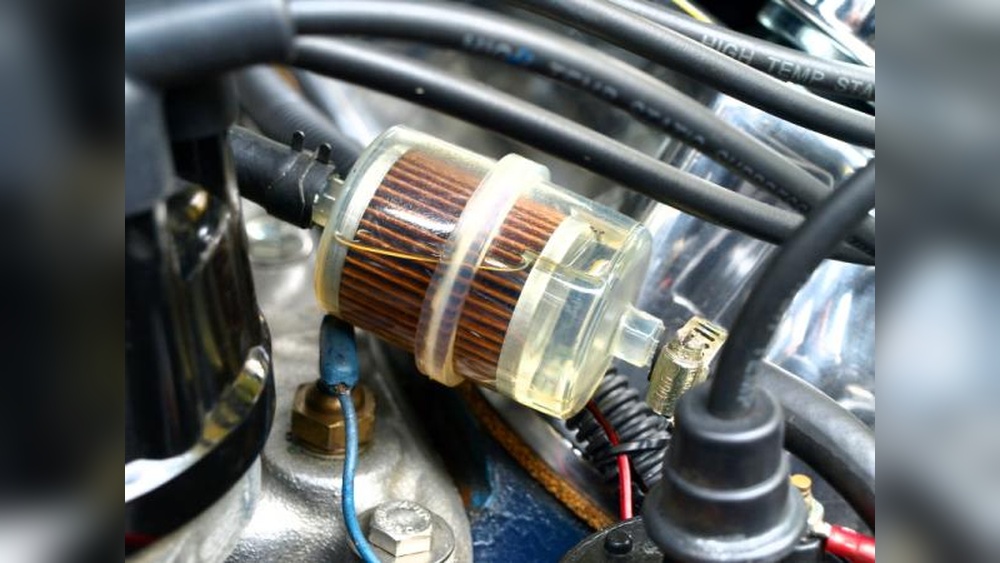
If you want to keep your vehicle running smoothly, knowing how to disconnect your fuel filter is a must. Whether you’re doing routine maintenance or troubleshooting a fuel issue, this simple step can save you time and money.
In this guide, you’ll learn exactly what to do, with clear instructions that anyone can follow. By the end, you’ll feel confident handling your fuel filter like a pro. Ready to take control of your car’s health? Let’s get started.
Tools Needed
Disconnecting a fuel filter needs the right tools for safety and ease. Preparing your tools before starting saves time and prevents mistakes. Gather all items to ensure a smooth process. Here is a list of necessary tools and safety gear.
Basic Tools
You need a set of wrenches for loosening fittings. A screwdriver may be required for clamps. Fuel line disconnect tools help remove lines without damage. A container to catch leaking fuel is important. Rags or paper towels clean up spills quickly. Keep a flashlight nearby for better visibility.
Safety Equipment
Wear safety goggles to protect your eyes from fuel splashes. Gloves keep your hands safe from chemicals and dirt. Work in a well-ventilated area to avoid breathing fumes. Have a fire extinguisher close for emergencies. Long sleeves protect your skin from contact with fuel. Use a mask if fumes are strong or the space is small.

Credit: www.youtube.com
Locate The Fuel Filter
Finding the fuel filter is the first step to disconnecting it safely. It filters dirt and rust from the fuel. Knowing its location makes the job easier and faster. This section explains where to find the fuel filter and how to spot fuel lines.
Common Fuel Filter Locations
The fuel filter sits in different spots depending on the vehicle. Many cars have it under the hood near the engine. Trucks and older models often place it along the fuel line under the vehicle. Some filters are inside the fuel tank, hidden from view. Checking your vehicle manual can help find the exact place.
Identifying Fuel Lines
Fuel lines are small tubes carrying fuel to the engine. They connect to the fuel filter with metal or plastic fittings. These lines are usually rubber or metal and run from the tank to the engine. Look for two lines going into the filter. One line brings fuel in, the other takes it out. Handle these lines carefully to avoid spills or damage.
Prepare The Vehicle
Preparing the vehicle is the first step before disconnecting the fuel filter. This step helps keep you safe and prevents damage to the vehicle. Taking simple safety measures can make the task easier and faster.
Follow these key actions to get your vehicle ready for fuel filter removal.
Relieve Fuel Pressure
Fuel systems hold pressure even when the engine is off. This pressure can spray fuel when you disconnect the filter. To stop this, relieve the fuel pressure first. Locate the fuel pump fuse in the fuse box. Remove the fuse, then try to start the engine. It should stop quickly. This means the pressure is released. Wear safety glasses and gloves to protect yourself.
Ensure Proper Ventilation
Fuel vapors are harmful and flammable. Work in a well-ventilated area to reduce risks. Open garage doors or work outside if possible. Avoid smoking or open flames near the vehicle. Keep a fire extinguisher nearby for emergencies. Good airflow helps clear fuel fumes fast. This keeps you safe while working on the fuel system.
Credit: comunisostenibili.eu
Disconnect The Fuel Filter
Disconnecting the fuel filter is an important step before replacing or cleaning it. This process stops fuel flow safely and prepares the filter for removal. Take your time and follow each step carefully to avoid spills or damage.
Release Fuel Line Clamps
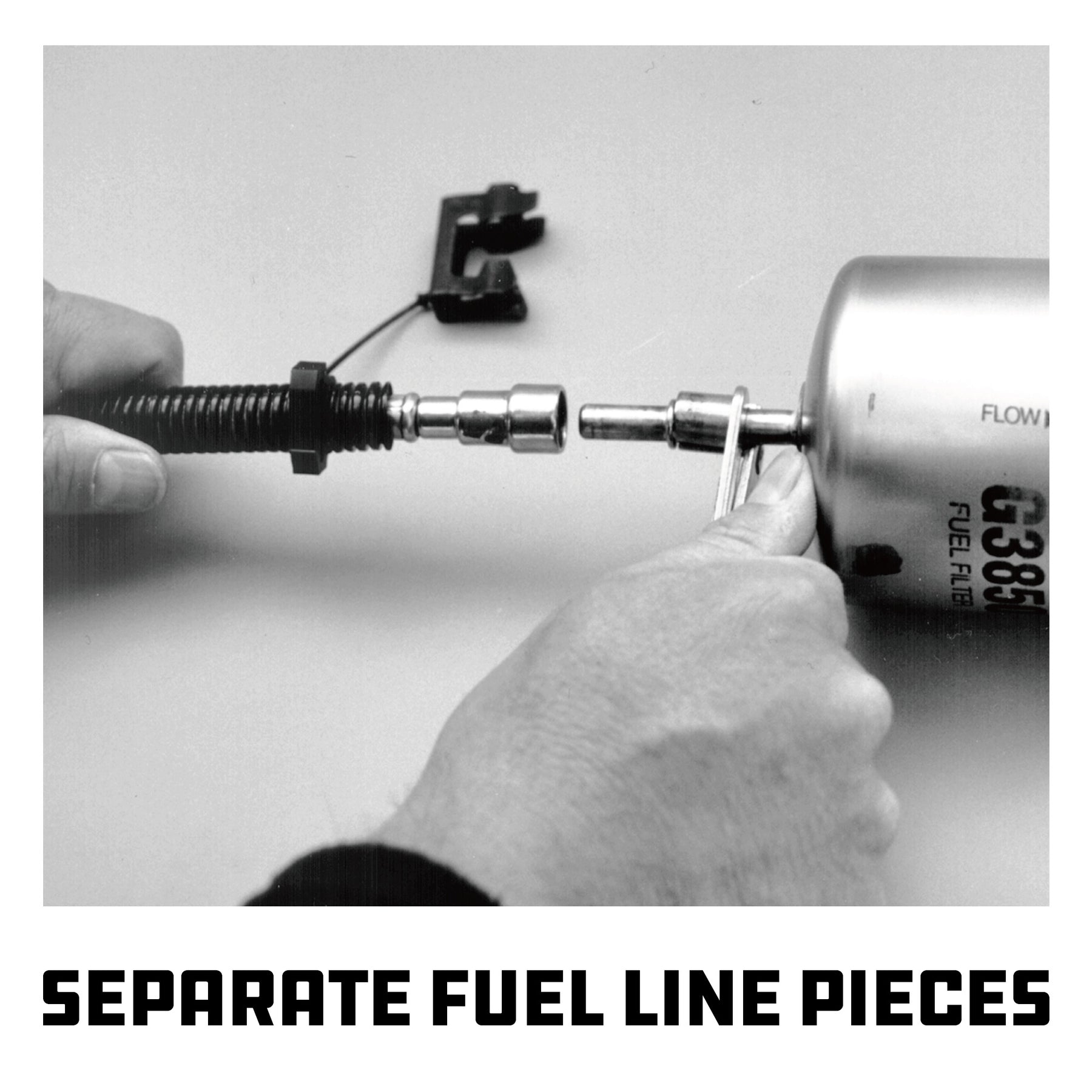
Locate the clamps that hold the fuel lines to the filter. Use pliers or a screwdriver to loosen these clamps. Press gently to avoid breaking the lines. Pull the fuel lines off the filter carefully. Fuel might leak out, so have a rag ready to catch drops.
Remove Fuel Filter
After releasing the clamps, check if the filter is held by a bracket or clip. Use a wrench or your hands to remove the filter from its holder. Keep the filter upright to stop fuel from spilling. Dispose of the old filter properly or prepare it for cleaning.
Handle Fuel Spills
Handling fuel spills is crucial when disconnecting a fuel filter. Fuel can be dangerous and cause stains. Taking quick action helps keep the work area safe and clean. Follow these steps to manage any spills properly.
Contain Leaks
Stop the flow of fuel immediately. Use a rag or cloth to catch drips. Place a container under the fuel filter to collect leaking fuel. Avoid letting fuel spread on the ground or floor. Containment prevents fire risks and slippery surfaces.
Clean Spill Area
Wipe up spilled fuel carefully with absorbent cloths or paper towels. Use a spill absorbent material like cat litter or sawdust for larger spills. Sweep or scoop the absorbent once soaked. Dispose of the waste safely according to local rules. Cleaning prevents odors and damage to surfaces.
Replace Or Store The Filter
After disconnecting the fuel filter, you must decide whether to replace it or store it for later use. This choice depends on the filter’s condition and your maintenance plans. Proper handling ensures safety and keeps your vehicle running smoothly.
Check For Damage
Inspect the fuel filter carefully. Look for cracks, leaks, or corrosion. A damaged filter cannot protect your engine well. If the filter looks worn or broken, replace it immediately. Using a bad filter may cause engine problems.
Store Properly
If the fuel filter is still good, store it in a clean, dry place. Keep it away from dust and moisture. Use a sealed bag or container to protect the filter. Label the container with the date and type of filter for easy reference.
Test After Removal
After removing the fuel filter, testing is crucial. It ensures the fuel system works properly. Testing helps spot any issues early.
Check For Leaks
Look closely around the fuel filter area. Watch for any signs of fuel dripping or wet spots. Leaks can cause engine problems and safety risks. Tighten connections if you see leaks. Use a clean cloth to wipe away small spills. Never ignore even small leaks. They can grow and cause bigger issues.
Restart The Engine
Turn the ignition key to start the engine. Listen carefully for smooth running sounds. The engine should start quickly without hesitation. If it stalls or runs rough, check the fuel filter again. Make sure all connections are secure. Testing the engine confirms the fuel flow is good. It also shows the filter is installed correctly.

Credit: www.youtube.com
Frequently Asked Questions
How Do You Safely Disconnect A Fuel Filter?
To safely disconnect a fuel filter, relieve fuel system pressure first. Wear gloves and eye protection. Use proper tools to avoid damage. Disconnect fuel lines carefully to prevent spills. Work in a well-ventilated area to avoid inhaling fumes.
What Tools Are Needed To Disconnect A Fuel Filter?
You typically need a wrench or socket set, fuel line disconnect tool, gloves, and safety glasses. Some filters require special clips or adapters. Always check your vehicle’s manual for specific tool requirements to ensure a smooth disconnection process.
How To Avoid Fuel Leaks When Disconnecting A Filter?
Relieve fuel system pressure before disconnecting. Use rags or a container to catch drips. Disconnect fuel lines slowly and carefully. Seal open lines immediately to prevent leaks. Work in a well-ventilated area to minimize fire risk.
When Should You Disconnect The Fuel Filter?
Disconnect the fuel filter during replacement or maintenance. Also disconnect if troubleshooting fuel delivery issues. Always perform disconnection when the engine is off and cool. Regular filter checks improve engine performance and fuel efficiency.
Conclusion
Disconnecting a fuel filter is simple with the right steps. Always work safely and wear protective gloves. Turn off the engine and release fuel pressure first. Use the correct tools to avoid damage. Take your time to prevent fuel spills.
Clean the area around the filter before removal. Reinstall the new filter carefully, ensuring a tight fit. Regular fuel filter changes help keep your engine running smoothly. Small efforts now save big problems later. Stay patient and follow each step clearly.
You can do this yourself with confidence.