

If your vehicle is not running as smoothly as it used to, the problem might be hiding in a small but crucial part: your fuel filter. Knowing how to clean your fuel filter can save you money, improve your engine’s performance, and prevent costly repairs down the road.
You’ll discover simple steps to clean your fuel filter yourself, even if you’re not a car expert. Keep reading to unlock the easy tricks that will keep your engine running strong and your ride smooth.

Credit: www.youtube.com
Signs Of A Dirty Fuel Filter
A dirty fuel filter can cause many problems in your vehicle. It blocks fuel flow and makes the engine work harder. Recognizing the signs early helps avoid costly repairs. Watch for changes in how your car runs and feels. These signs point to a clogged or dirty fuel filter.
Engine Performance Issues
The engine may run rough or stall. You might feel a loss of power during acceleration. The car can hesitate or jerk while driving. These issues show the engine is not getting enough fuel. A dirty fuel filter can cause these problems.
Fuel Efficiency Drop
Your car uses more fuel than usual. You notice the fuel gauge drops faster. This happens because the engine works harder to get fuel. A clogged filter reduces fuel flow, wasting gas. Lower fuel efficiency is a common sign of a dirty fuel filter.
Starting Problems
The engine takes longer to start or won’t start at all. You hear the starter turning but no engine response. This happens when fuel cannot reach the engine easily. A dirty fuel filter can block fuel, causing starting issues.

Credit: www.wikihow.com
Tools And Materials Needed
Cleaning a fuel filter requires specific tools and materials. Having the right items makes the job easier and safer. This section lists everything needed before you start the process.
Safety Gear
Protecting yourself is the first step. Use safety goggles to shield your eyes from fuel splashes. Wear gloves to keep your hands clean and safe from chemicals. A long-sleeve shirt helps protect your skin from fuel and dirt. Work in a well-ventilated area to avoid inhaling harmful fumes.
Basic Tools
Gather simple tools to remove and clean the fuel filter. A wrench or socket set helps to loosen bolts and clamps. Screwdrivers are useful for removing hose clamps. A container or bowl catches any fuel that spills during removal. Clean rags or paper towels help wipe off dirt and fuel residue.
Replacement Parts
Some fuel filters need replacement after cleaning. Check the filter’s condition carefully. Have a new fuel filter ready if the old one is damaged or clogged. It is best to replace rubber hoses or clamps if they show signs of wear. Using new parts ensures your vehicle runs smoothly after maintenance.
Preparing Your Vehicle
Preparing your vehicle is the first step before cleaning the fuel filter. It ensures safety and makes the job easier. Taking time to prepare helps avoid damage and accidents.
Locate The Fuel Filter
Find the fuel filter in your car. It is usually near the fuel tank or along the fuel line. Check your car manual to know the exact location. Knowing this saves time and effort.
Relieve Fuel System Pressure
Fuel systems hold pressure that can cause fuel spray. Release the pressure carefully before removing the filter. This step prevents fuel spills and injury. Follow your vehicle’s manual for the correct method.
Work In A Well-ventilated Area
Choose a place with good airflow. Fuel fumes are harmful and can build up quickly. Open doors or work outside to avoid breathing in fumes. Safety first, always.
Step-by-step Cleaning Process
Cleaning your fuel filter regularly keeps your engine running smoothly. A clean filter stops dirt and debris from reaching the engine. Follow these simple steps to clean your fuel filter safely and effectively.
Remove The Fuel Filter
Turn off your engine and let it cool down. Locate the fuel filter under the hood or near the fuel tank. Use a wrench to loosen the bolts or clamps holding the filter. Carefully detach the fuel lines from the filter. Be ready for some fuel spillage; use a rag to catch it. Remove the filter from its bracket gently.
Inspect The Filter
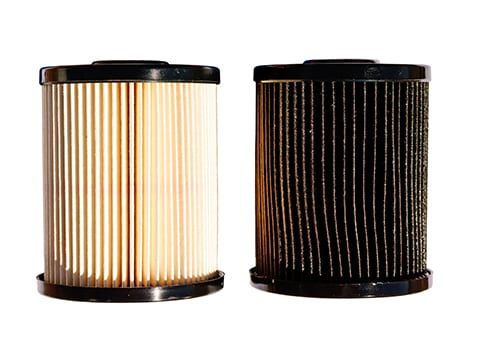
Check the filter for dirt, rust, or damage. Look inside the filter for any visible blockages. If the filter looks clogged or worn out, it needs replacing. A clean filter will appear clear or slightly tinted. Inspect the rubber seals and connections for cracks or wear.
Clean Or Replace The Filter
For reusable filters, rinse with clean fuel or solvent. Use a soft brush to remove stubborn dirt. Let the filter dry completely before reinstalling. If the filter is damaged or very dirty, replace it with a new one. Always use the correct filter type for your vehicle.
Reinstall The Filter
Place the filter back into its bracket carefully. Reattach the fuel lines and tighten the clamps or bolts securely. Check that all connections are tight to prevent leaks. Turn on the engine and look for any fuel leaks. Your fuel filter is now clean and ready to protect your engine.
Post-cleaning Checks
After cleaning your fuel filter, some important checks keep your engine running smoothly. These post-cleaning steps help spot issues early. They ensure your work does not cause new problems.
Check For Leaks
Look closely around the fuel filter for any signs of leaks. Leaks can cause fuel loss and engine trouble. Tighten all connections and clamps firmly. Use a cloth to wipe any wet spots. Check again after running the engine for a few minutes.
Test Engine Performance
Start the engine and listen carefully. The engine should run smoothly without hesitation. Notice any rough idling or stalling. These signs mean the fuel filter might not be clean enough. Drive the vehicle gently to confirm steady power and response.
Dispose Of Old Fuel Safely
Old fuel and debris from cleaning should not go in drains. Use a sealed container to store old fuel safely. Take it to a recycling center or hazardous waste facility. Proper disposal protects the environment and follows local laws.
Maintenance Tips
Keeping your fuel filter clean is key to your vehicle’s smooth running. Simple maintenance steps help avoid costly repairs and improve engine life. Small efforts go a long way in protecting your fuel system.
Regular Filter Inspection
Check your fuel filter often. Look for dirt, rust, or damage. A quick visual check can catch problems early. Inspect every few thousand miles or as your vehicle manual suggests. Clean or replace the filter if it looks clogged.
Recommended Replacement Intervals
Follow the vehicle maker’s advice on when to change the fuel filter. Most cars need a new filter every 20,000 to 40,000 miles. Sticking to this schedule keeps fuel flow steady. Avoid waiting too long to replace the filter.
Using Quality Fuel
Use clean, high-quality fuel only. Poor fuel can clog your filter faster. Choose trusted gas stations to reduce dirt and water in fuel. Good fuel helps your filter last longer and your engine run better.
Credit: www.waynesautocenter.com
Frequently Asked Questions
How Often Should I Clean My Fuel Filter?
You should clean your fuel filter every 20,000 to 30,000 miles. Regular cleaning prevents clogging and ensures smooth engine performance.
What Tools Are Needed To Clean A Fuel Filter?
You need basic tools like wrenches, screwdrivers, a container for fuel, and safety gloves. Proper tools make cleaning easier and safer.
Can I Clean A Fuel Filter Without Removing It?
No, it’s best to remove the fuel filter for thorough cleaning. Cleaning while attached may not remove all debris effectively.
What Signs Indicate A Dirty Fuel Filter?
Symptoms include engine misfires, poor acceleration, and reduced fuel efficiency. These signs suggest the fuel filter needs cleaning or replacement.
Conclusion
Cleaning your fuel filter keeps your engine running smoothly. Regular care prevents dirt from clogging the fuel system. Follow simple steps to remove and clean the filter safely. Doing this saves money and avoids costly repairs later. Remember to check your vehicle’s manual for specific instructions.
Clean fuel filters help improve fuel efficiency and engine life. Keep your car healthy by maintaining the fuel filter regularly. Small efforts lead to better performance and fewer problems on the road. Easy to do and worth the time.


