

Is your vehicle struggling to run smoothly or losing power unexpectedly? One common culprit could be a dirty fuel filter blocking the flow of fuel to your engine.
Knowing how to clean out your fuel filter can save you time and money while keeping your ride running strong. You’ll discover simple, step-by-step instructions to clean your fuel filter safely and effectively—no mechanic needed. Keep reading to learn how a clean fuel filter can breathe new life into your vehicle and prevent costly repairs down the road.

Credit: www.wikihow.com
Signs Of A Dirty Fuel Filter
A fuel filter keeps dirt and debris from entering your engine. Over time, it can get clogged and dirty. A dirty fuel filter causes many problems. Spotting the signs early helps avoid costly repairs. Here are some common signs of a dirty fuel filter.
Engine Performance Issues
The engine may run rough or hesitate. You might notice a loss of power. Acceleration can feel slow or weak. The engine might stall during driving. These issues point to fuel not flowing well.
Fuel Efficiency Drop
Your car may use more fuel than usual. A dirty fuel filter reduces fuel flow. The engine works harder and burns more gas. Expect fewer miles per gallon on each tank.
Starting Problems
The engine may take longer to start. Sometimes it won’t start at all. A clogged fuel filter blocks fuel from reaching the engine. This stops the car from firing up smoothly.
Tools And Materials Needed
Cleaning out a fuel filter requires the right tools and materials. Having everything ready makes the task easier and safer. This section covers the basic tools, safety gear, and replacement parts you need.
Basic Tools
- Wrenches or socket set for loosening bolts
- Screwdrivers for clamps or covers
- A small container to catch fuel spills
- Rags or paper towels for cleaning up
- Needle-nose pliers to handle clips
Safety Gear
- Protective gloves to keep hands safe
- Safety goggles to protect eyes from splashes
- Long sleeves to avoid skin contact
- A well-ventilated area or mask for fumes
Replacement Parts
- New fuel filter matching your vehicle’s model
- Replacement clamps if the old ones are worn
- Fuel line connectors, if needed
Preparing Your Vehicle
Cleaning the fuel filter starts with good preparation. This step helps avoid mistakes and keeps you safe. You need to know where the fuel filter is. Also, you must lower the fuel system pressure. Safety comes first to prevent accidents and spills.
Following these steps makes the cleaning process smoother. Take your time and follow each instruction carefully. This way, your vehicle stays safe, and the fuel system works well after cleaning.
Locate The Fuel Filter
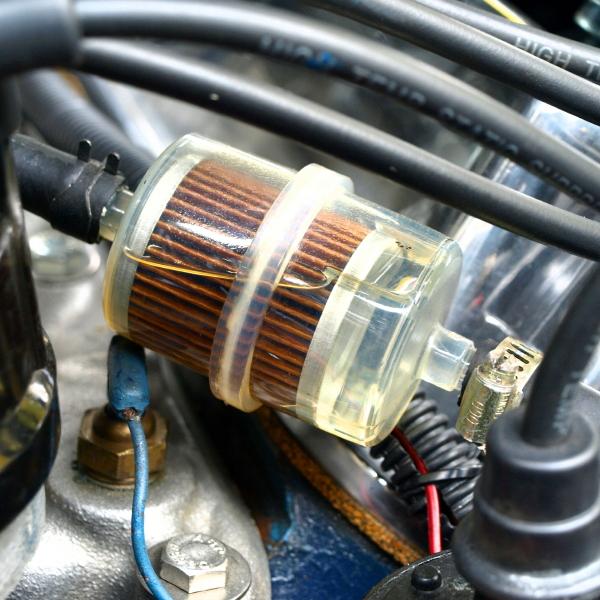
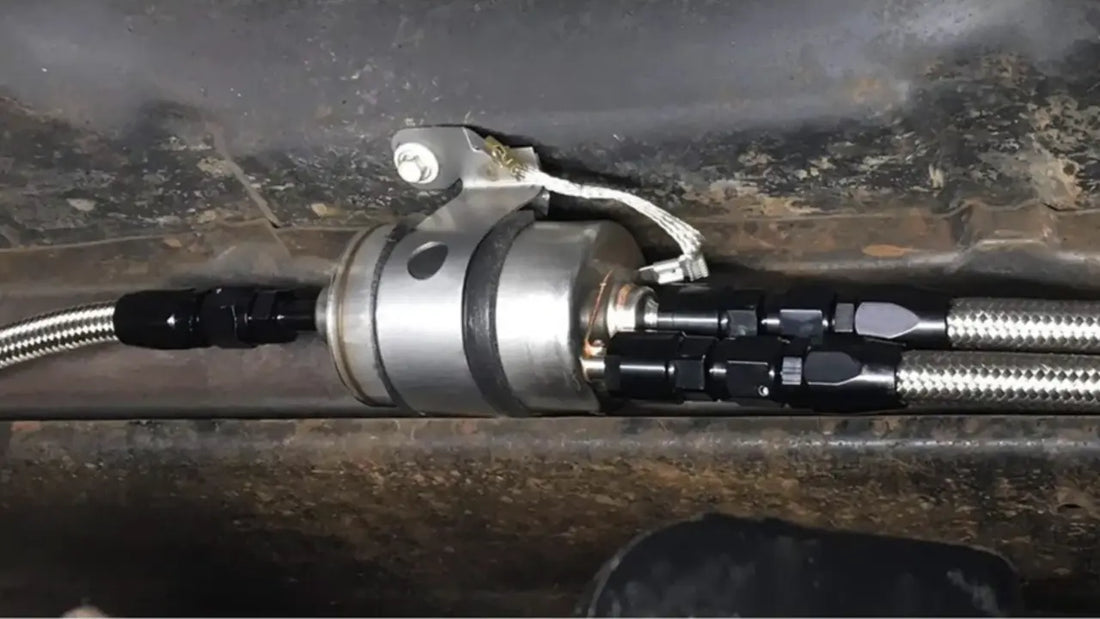
Check your vehicle’s manual for the fuel filter location. It is often near the engine or along the fuel line. In some cars, it sits under the vehicle near the fuel tank. Look for a small cylindrical part connected to fuel lines.
Use a flashlight if needed. Make sure the car is parked on a flat surface. This helps you access the filter easily and safely.
Relieve Fuel System Pressure
Fuel systems hold pressure that can cause fuel spray. To avoid this, relieve the pressure before removing the filter. Start by turning off the engine. Next, find the fuel pump fuse or relay and remove it.
Then, start the engine and let it run until it stops. This uses up the fuel in the lines. Turn off the ignition. The fuel system is now safe to work on.
Ensure Safety Precautions
Wear safety glasses and gloves to protect your eyes and hands. Work in a well-ventilated area to avoid inhaling fumes. Keep a fire extinguisher nearby. Avoid open flames or sparks near the fuel system.
Place rags under the filter to catch any fuel spills. Dispose of old fuel and rags safely. These steps help prevent accidents and keep you safe while cleaning.
Credit: motor.onehowto.com
Removing The Old Fuel Filter
Removing the old fuel filter is a crucial step before installing a new one. It helps ensure your vehicle runs smoothly. Take your time and follow each step carefully. Safety and cleanliness are important during this process.
Disconnecting Fuel Lines
Start by relieving the fuel system pressure. This reduces fuel spray. Use a wrench to loosen the fuel lines connected to the filter. Pull the lines gently to avoid damage. Place a cloth or small container under the filter to catch any drips.
Removing Mounting Brackets
Locate the mounting brackets holding the fuel filter in place. Use a screwdriver or socket wrench to remove the bolts. Keep the bolts safe for reinstallation. Carefully take out the old filter from the brackets. Check for any rust or dirt around the area.
Handling Fuel Spills
Fuel spills can happen during removal. Use absorbent rags or pads to clean spills immediately. Avoid open flames or sparks nearby. Dispose of fuel-soaked materials safely. Keep a fire extinguisher close in case of emergencies.
Cleaning Vs. Replacing
Choosing between cleaning and replacing a fuel filter depends on the filter’s condition and your vehicle’s needs. Both options help keep the fuel system working well. Understanding when to clean or replace can save money and prevent engine problems.
When To Clean
Clean the fuel filter if it looks dirty but still works well. Light dirt or debris can be removed by cleaning. This helps the fuel flow smoothly. Cleaning is good for filters that are not too old or clogged.
When To Replace
Replace the fuel filter if it is very dirty or damaged. Old filters lose their ability to trap dirt. A clogged filter can cause engine trouble and poor performance. Replacing ensures fresh, clean fuel reaches the engine.
Benefits Of Each Approach
Cleaning saves money and extends the filter’s life. It keeps the filter working without buying a new one. Replacing guarantees a new filter with full efficiency. It reduces risks of damage and keeps the engine healthy.
Credit: www.ievilenergy.com
Cleaning The Fuel Filter
Cleaning the fuel filter is important to keep your engine running smoothly. Dirt and debris can block the filter and reduce fuel flow. Regular cleaning helps avoid engine problems and saves money on repairs. Follow these simple steps to clean your fuel filter safely and effectively.
Using Cleaning Solutions
Start by removing the fuel filter from the vehicle. Use a cleaning solution made for fuel filters or a mix of warm water and mild detergent. Soak the filter in the solution for 15 to 20 minutes. Gently shake or tap the filter to loosen dirt. Avoid using harsh chemicals that can damage the filter material.
Drying The Filter
After cleaning, rinse the filter with clean water. Shake off excess water carefully. Let the filter dry completely before reinstalling it. Air drying works best. Do not use heat sources like hair dryers or ovens. They can warp or damage the filter.
Inspecting For Damage
Check the filter for cracks, holes, or tears. Look at the mesh or paper inside. If you see any damage, replace the filter. A damaged filter can cause dirt to enter the engine. It is safer to use a new filter than a broken one.
Installing The Fuel Filter
Installing the fuel filter is an important step after cleaning it. Proper installation helps your engine run smoothly. Follow these simple steps to fit the filter back correctly. This will ensure fuel flows well and the engine stays protected.
Positioning The Filter
Place the fuel filter in its original spot. Check the arrow on the filter showing fuel flow direction. The arrow must point toward the engine. Align the filter carefully to avoid kinks in the fuel line.
Reconnecting Fuel Lines
Attach the fuel lines to the filter ends firmly. Push the hoses on until they fit tight. Use clamps if your vehicle has them. Tight connections prevent fuel leaks and keep the system safe.
Securing The Filter
Fasten the filter with the bracket or clip provided. Make sure the filter does not move or wiggle. A secure filter lasts longer and works better. Double-check all connections before starting the engine.
Post-cleaning Checks
After cleaning the fuel filter, it is important to perform some checks. These checks ensure the filter works well and the engine runs smoothly. Skipping these steps might cause problems later. Careful inspection helps find issues early and fix them quickly.
Checking For Leaks
Look around the fuel filter for any signs of leaks. Check all connections and hoses. A leak can cause fuel loss and engine trouble. Tighten any loose fittings. Use a clean cloth to catch drops. Make sure no fuel smells strong near the filter.
Starting The Engine
Turn on the engine after checking for leaks. Listen closely for any strange sounds. The engine should start easily without hesitation. If it struggles, turn off the engine and check the filter again. Starting smoothly means the fuel flows properly through the filter.
Monitoring Performance
Watch how the engine runs during the first few minutes. Notice if it runs smoothly or stalls. Pay attention to acceleration and power. Good performance shows the filter is clean and working well. Poor performance may mean the filter needs re-cleaning or replacement.
Maintenance Tips For Fuel Filters
Maintaining your fuel filter is key to keeping your engine healthy. A clean fuel filter stops dirt and rust from clogging your fuel system. Regular care helps prevent engine problems and saves repair costs. Follow simple tips to extend the life of your fuel filter.
Regular Inspection Schedule
Check your fuel filter every 10,000 to 15,000 miles. Look for signs of clogging or damage. Replace the filter if it looks dirty or worn out. Regular checks avoid sudden engine trouble. Keep a log of inspection dates for easy tracking.
Choosing Quality Filters
Pick fuel filters from trusted brands only. Cheap filters may let dirt pass through. Use filters made for your vehicle model. Quality filters ensure better fuel flow and engine protection. Investing in a good filter saves money over time.
Avoiding Contaminants
Use clean fuel from reliable stations. Avoid filling up in dusty or dirty places. Keep the fuel tank cap tightly closed. Dirt and water in fuel cause filter clogging. Clean fuel reduces wear on your engine parts.
Frequently Asked Questions
How Often Should I Clean My Fuel Filter?
Fuel filters should be cleaned every 20,000 to 30,000 miles. Regular cleaning prevents clogging and maintains fuel flow. Check your vehicle’s manual for specific intervals.
What Tools Do I Need To Clean A Fuel Filter?
You need basic tools like wrenches, screwdrivers, a container for fuel, and safety gloves. Some filters may require special tools; check your vehicle’s guide.
Can I Clean A Fuel Filter Myself Safely?
Yes, you can clean a fuel filter yourself with proper precautions. Work in a well-ventilated area, avoid sparks, and wear protective gear to ensure safety.
What Are Signs Of A Clogged Fuel Filter?
Common signs include engine misfires, poor acceleration, stalling, and difficulty starting. If you notice these, inspect and clean or replace the fuel filter promptly.
Conclusion
Cleaning your fuel filter helps keep your engine running smooth. Regular maintenance prevents clogs and improves fuel flow. Use the right tools and follow safe steps. Take your time and check for leaks after cleaning. A clean fuel filter can save you money on repairs.
Keep your vehicle healthy by staying on top of this task. Simple care makes a big difference in performance. Remember, clean fuel means better engine life and efficiency. Keep your ride running strong with a clean fuel filter.


