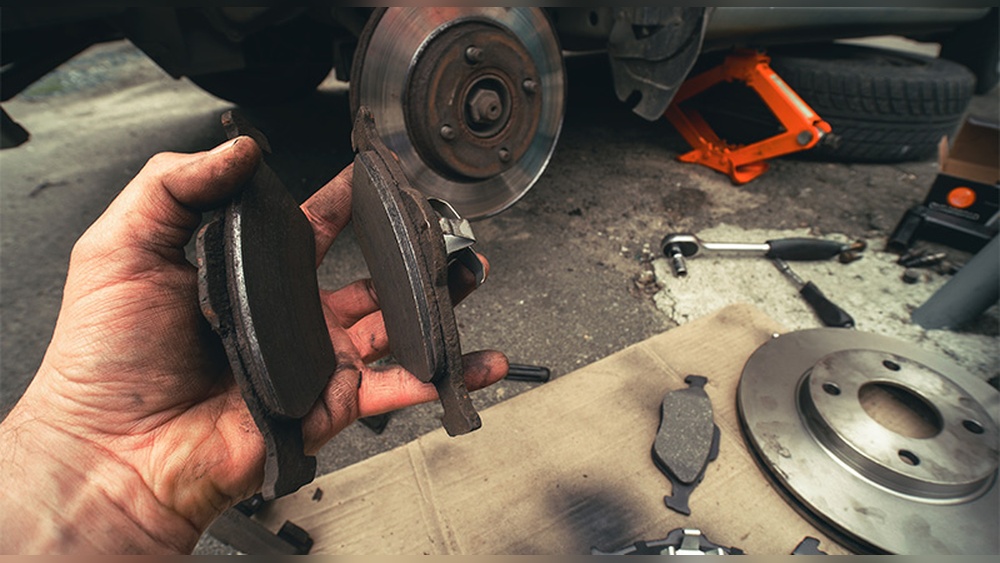
Rust on your brake rotors can cause noise, reduce braking performance, and even make your drives unsafe. If you’ve noticed that rough sound or felt a slight vibration when braking, it might be time to clean that rust off.
The good news? You don’t need to be a mechanic or spend a fortune to fix this. In this guide, you’ll learn simple, effective steps to restore your brake rotors and get your brakes working smoothly again. Keep reading—your safety and peace of mind depend on it.

Credit: bookmyboat.ca
Causes Of Rust On Brake Rotors
Rust on brake rotors forms due to several common causes. Understanding these causes helps prevent damage and keep brakes working well. Rust can affect the safety and performance of your vehicle.
Exposure To Moisture
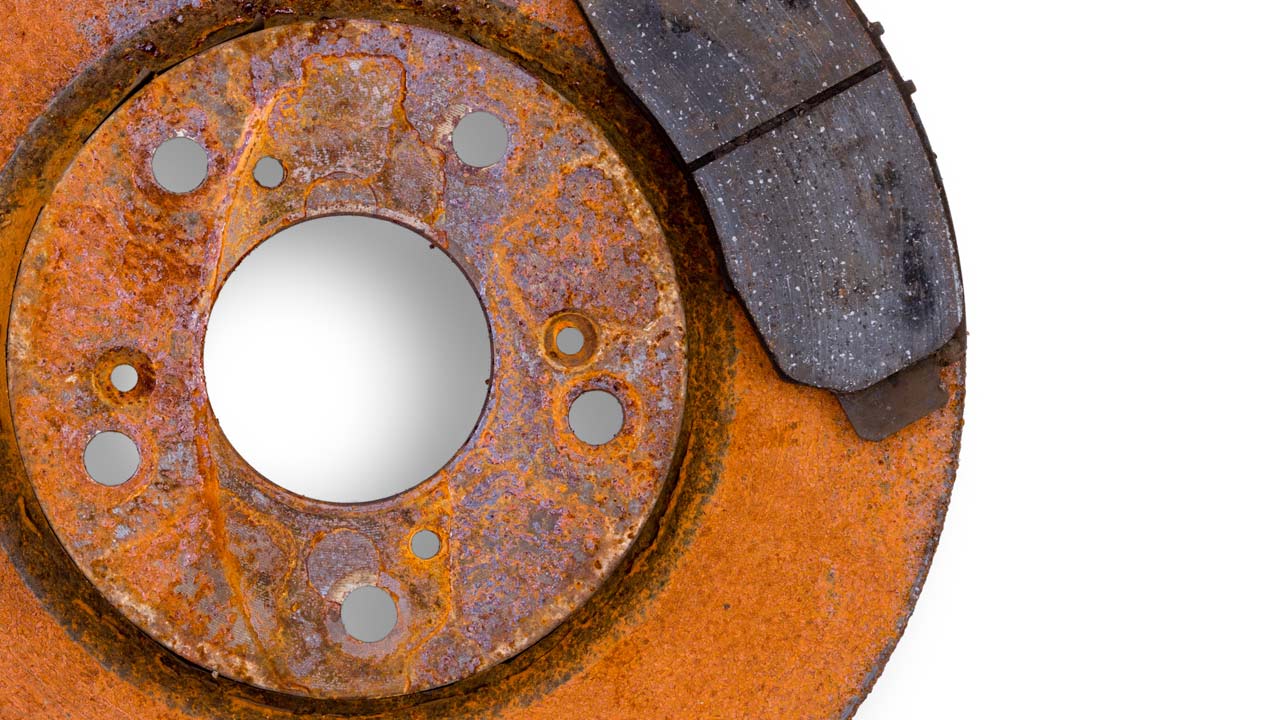
Brake rotors are made of metal. Metal reacts with water and air, causing rust. Rain, puddles, and even washing the car add moisture. When rotors stay wet for a long time, rust forms fast.
Infrequent Vehicle Use
Cars not used often develop rust on brake rotors. When brakes are not applied regularly, moisture stays on the rotors. Driving helps clean rust off by friction. Without use, rust builds up easily.
Environmental Factors
Salt on roads, especially in winter, speeds up rust. Coastal areas with salty air also cause rust fast. Dust and dirt can trap moisture on rotors. These factors increase the chance of rust forming quickly.
Credit: www.youtube.com
Tools And Materials Needed
Cleaning rust off brake rotors needs the right tools and materials. Using proper items makes the job easier and safer. Below are the main tools you need for rust removal.
Rust Remover Solutions
Rust remover solutions help dissolve rust quickly. Choose a liquid or gel made for metal surfaces. Apply it with a brush or cloth for best results. These solutions save time and effort.
Wire Brush And Sandpaper
A wire brush scrapes off loose rust and dirt. Use it gently to avoid damage. Sandpaper smooths rough spots after brushing. Start with coarse grit, then use fine grit for polishing.
Protective Gear
Wear gloves to protect your hands from chemicals and rust. Use safety goggles to shield your eyes from debris. A mask helps avoid breathing in dust or fumes. Safety first for a clean job.
Preparing The Vehicle
Preparing the vehicle is the first step to clean rust off brake rotors safely. Proper preparation helps avoid accidents and makes the job easier. Follow these key steps to get your car ready.
Safety Precautions
Wear gloves and safety glasses to protect your hands and eyes. Work in a well-ventilated area to avoid breathing in dust. Keep a fire extinguisher nearby just in case. Make sure the car is on a flat surface to stop it from rolling. Avoid loose clothing that might get caught in tools or parts.
Lifting And Securing The Car
Use a reliable jack to lift the car. Place the jack under the car’s recommended lift points. Raise the car until the wheels are off the ground. Place jack stands under the car for extra support. Never rely on the jack alone to hold the car up. Double-check that the car is stable before working underneath.
Removing The Wheels
Loosen the lug nuts with a wrench before lifting the car. After the car is lifted and secure, remove the lug nuts completely. Take off the wheels carefully and place them aside. This gives clear access to the brake rotors. Keep the lug nuts in a safe place for reassembly.
Cleaning Rust From Rotors
Rust on brake rotors can reduce braking performance and cause noise. Cleaning rust from rotors helps maintain safety and smooth driving. The process involves different methods depending on the severity of rust. Each method restores the rotor surface for better brake pad contact.
Using Rust Remover Chemicals
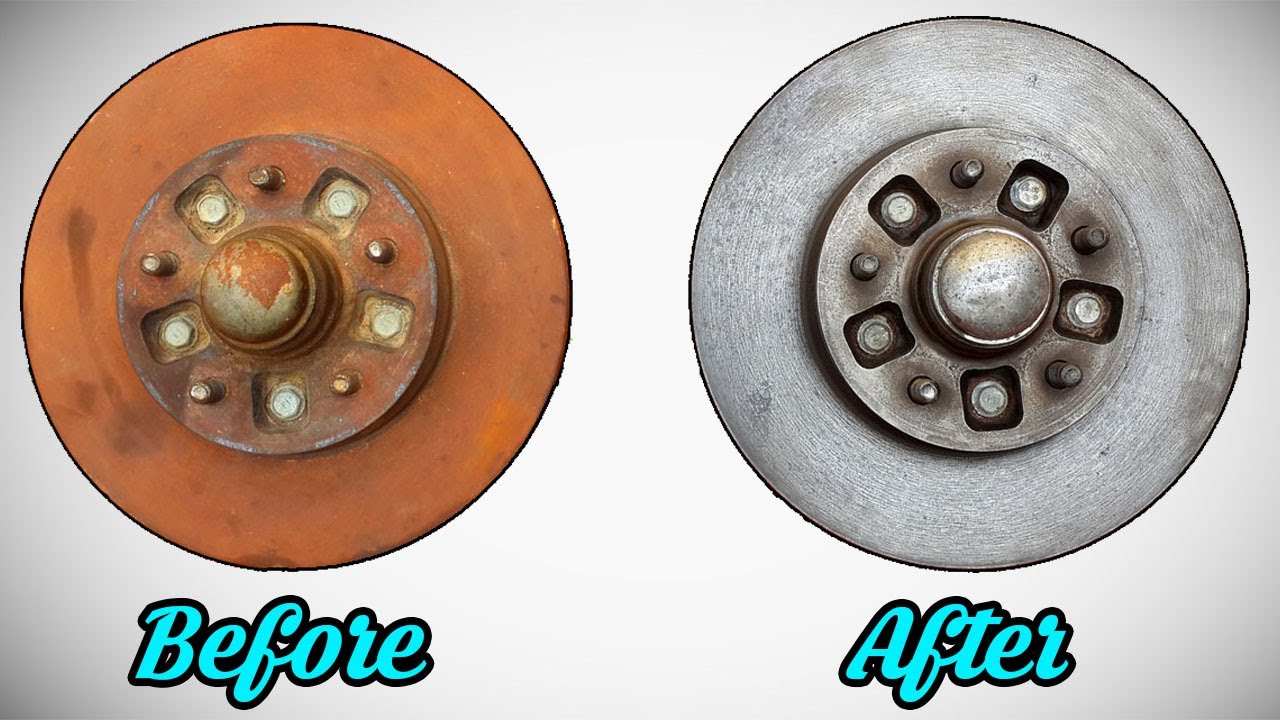
Rust remover chemicals dissolve rust quickly and easily. Apply the chemical directly on the rotor surface. Let it sit for a few minutes to break down rust. Use a brush to scrub off loosened rust particles. Rinse the rotor with water and dry it completely. Wear gloves and work in a well-ventilated area for safety.
Manual Scrubbing Techniques
Manual scrubbing works well for light rust buildup. Use a wire brush or steel wool to scrub the rotor. Apply firm, even pressure while scrubbing the surface. Focus on rusty spots until the metal looks clean. Wipe away dust and rust debris with a dry cloth. This method is simple and requires minimal tools.
Sanding For Smooth Surface
Sanding removes rust and smooths the rotor surface. Use fine-grit sandpaper, such as 120 or 150 grit. Sand in a circular motion to cover the entire rotor face. Keep sanding until rust spots disappear and the surface feels even. Clean the rotor of sanding dust before reinstalling. This technique ensures better brake pad grip and longer rotor life.
Reassembling And Testing
After cleaning rust from brake rotors, reassembling and testing is key. This step ensures your brakes work safely and properly. Follow each part carefully to avoid mistakes. Here’s how to put everything back and check your work.
Reinstalling Wheels
Place the wheel back on the hub. Align the holes with the bolts. Hand-tighten the lug nuts to hold the wheel in place. Use a wrench to tighten the nuts in a star pattern. This prevents the wheel from sitting unevenly.
Lowering The Vehicle
Slowly lower the car using a jack. Make sure the vehicle rests firmly on the ground. Remove the jack once the car is stable. Double-check the lug nuts and tighten if needed. This step keeps the wheel secure.
Performing Brake Tests
Press the brake pedal several times to build pressure. Drive slowly in a safe area. Test the brakes by applying gentle pressure first. Listen and feel for any unusual noises or vibrations. Proper braking means your rotor cleaning was successful.
Credit: www.drbeasleys.com
Preventing Future Rust
Rust on brake rotors can weaken braking power and cause noise. Preventing rust is easier than fixing heavy corrosion. Small efforts keep rotors clean and safe for longer. Follow simple steps to stop rust from forming again.
Regular Driving Habits
Driving regularly helps keep rust away. When you drive, the brake pads rub the rotors. This rubbing cleans off light rust naturally. Avoid leaving your car parked for long times, especially in wet weather. Even short trips keep rotors dry and rust-free.
Protective Coatings
Applying a protective coating shields rotors from moisture. Use brake-safe sprays or rust inhibitors made for metal parts. These coatings form a thin barrier against water and air. Reapply coatings after cleaning or every few months. This simple step slows down rust formation.
Routine Maintenance
Check your brake rotors during regular car maintenance. Look for signs of rust or wear. Clean the rotors gently with a wire brush or sandpaper if needed. Replace severely rusted rotors to ensure safety. Routine checks catch rust early before damage grows.
Frequently Asked Questions
How Do I Remove Rust From Brake Rotors Safely?
To remove rust safely, use a wire brush or sandpaper. Apply rust remover or brake cleaner. Wear gloves and eye protection during cleaning.
Can I Drive With Rusty Brake Rotors?
Light surface rust usually wears off during driving. However, heavy rust can reduce braking efficiency and is unsafe. Clean or replace if needed.
What Tools Are Needed To Clean Brake Rotor Rust?
Common tools include a wire brush, sandpaper, brake cleaner spray, gloves, and safety glasses. A jack and wrench may be needed to remove wheels.
How Often Should I Clean Rust Off Brake Rotors?
Clean rust whenever you notice decreased braking or visible rust buildup. Regular inspections help maintain brake performance and safety.
Conclusion
Cleaning rust from brake rotors keeps your car safe and smooth. Regular care helps avoid damage and costly repairs. Simple tools and steps make the job easy. Take time to check rotors often. Rust won’t disappear on its own. Clean rotors improve braking and extend their life.
A little effort protects your vehicle and your wallet. Stay safe on the road with clean, rust-free brake rotors.