

Rusty brake rotors can cause squeaky brakes, poor stopping power, and an uncomfortable driving experience. If you’ve noticed rust building up on your rotors, it’s important to clean them properly to keep your vehicle safe and running smoothly.
You’ll learn simple, effective steps to remove rust from your brake rotors using tools and materials you probably already have. By the end, you’ll know exactly how to restore your rotors and improve your braking performance—no expensive repairs needed. Keep reading to take control of your car’s safety and save money in the process.
Causes Of Rust On Brake Rotors
Rust on brake rotors forms easily and affects braking performance. Understanding its causes helps prevent damage. Several factors lead to rust buildup on rotors. These include the environment, how the vehicle is used, and the rotor’s material makeup.
Environmental Factors
Brake rotors face moisture from rain and humidity. Water causes iron in rotors to oxidize, creating rust. Salt on roads speeds up rust formation. Coastal areas with salty air also increase rust risks. Cold weather causes condensation, which adds moisture to rotors.
Vehicle Usage Patterns
Cars driven rarely develop rust faster. Lack of regular use lets moisture sit on rotors. Short trips do not heat rotors enough to dry them. Frequent heavy braking can wear off protective layers. Parking for long periods exposes rotors to the elements.
Material Properties
Most brake rotors are made from cast iron. Cast iron rusts quickly when exposed to water. Some rotors have coatings to resist rust. Low-quality materials rust easier and faster. Proper material choice affects rotor lifespan and rust resistance.

Credit: bookmyboat.ca
Signs Of Rusty Brake Rotors
Rusty brake rotors can affect your car’s safety and performance. Knowing the signs helps you act quickly. Spotting rust early prevents bigger problems. Check your brakes regularly for these signs.
Visual Indicators
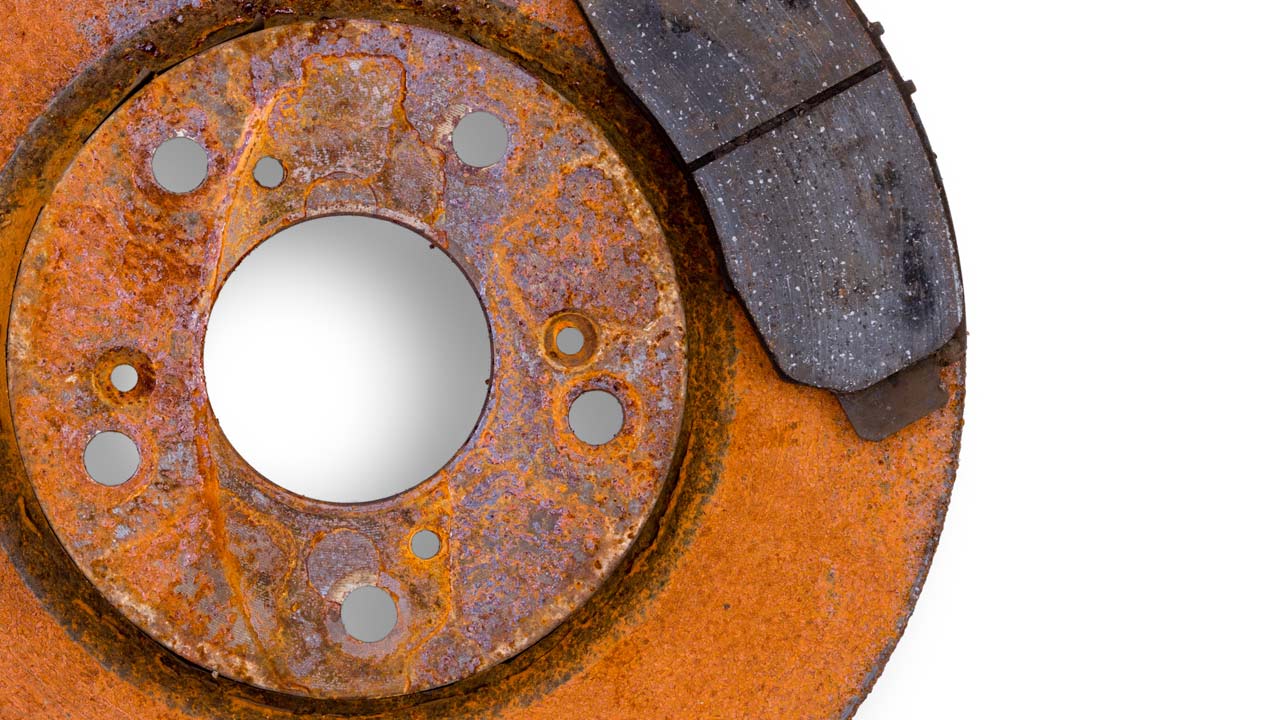
Look closely at your brake rotors. Rust appears as orange or brown patches on the metal surface. Sometimes, rust covers the entire rotor. Deep grooves or rough spots on the rotor also show wear. These signs mean the rotor needs cleaning or replacing.
Brake Performance Issues
Rusty rotors can reduce braking power. Your car may take longer to stop. The brake pedal might feel soft or spongy. You may notice uneven braking or pulling to one side. These problems indicate rotor rust or damage.
Unusual Noises
Listen for strange sounds while braking. Squealing or grinding noises often mean rust is present. The noise happens because rust roughens the rotor surface. These sounds warn you to check the brake system soon.
Tools And Materials Needed
Cleaning rusty brake rotors requires the right tools and materials. Preparing these items before starting makes the process easier and safer. Use proper supplies to remove rust effectively and protect your rotors.
Gather everything you need for a smooth cleaning session. Safety gear is important to avoid injuries and protect your eyes and skin. Optional tools can help speed up the task but are not required.
Cleaning Supplies
- Rust remover spray or brake cleaner
- Wire brush or steel wool
- Sandpaper (medium grit)
- Clean rags or cloths
- Bucket with water
Safety Equipment
- Protective gloves to guard your hands
- Safety goggles to protect your eyes
- Dust mask to avoid breathing rust particles
- Long sleeves to cover your arms
Optional Tools
- Power drill with wire brush attachment
- Angle grinder with sanding disc
- Torque wrench for reassembling parts
- Jack and jack stands to lift the vehicle
Credit: www.drbeasleys.com
Preparing Your Vehicle
Preparing your vehicle is the first step in cleaning rusty brake rotors. This stage helps you work safely and efficiently. Taking time now can prevent damage and injury later. Follow these steps carefully to get ready.
Ensuring Safety
Park your vehicle on a flat, stable surface. Engage the parking brake to stop movement. Wear gloves and safety glasses to protect your hands and eyes. Use wheel chocks on the wheels that stay on the ground. This stops your car from rolling. Safety is the most important part of the job.
Removing The Wheels
Loosen the lug nuts on the wheel before lifting the vehicle. Use a jack to raise the car. Place jack stands under the frame to support it. Never work under a car only held by a jack. Remove the lug nuts completely. Take off the wheel to expose the brake rotor.
Inspecting The Rotors
Look closely at the rotor surface. Check for deep rust, grooves, or cracks. Light rust is normal and can be cleaned. Severe damage means replacement might be needed. Note any signs of uneven wear. This helps you decide the next cleaning steps.
Step-by-step Cleaning Process
Cleaning rusty brake rotors is easier than it seems. Follow these simple steps to restore your rotors safely. The process removes rust and prepares the surface for better braking.
Applying Rust Remover
First, choose a rust remover made for metal parts. Spray or apply it evenly on the rotor surface. Let it sit for 10 to 15 minutes. This loosens the rust and makes scrubbing easier. Avoid using harsh chemicals that can damage the rotor.
Scrubbing The Rotors
Use a wire brush or steel wool to scrub the rotor. Work in circular motions to cover all rusty areas. Apply firm but gentle pressure to avoid scratching the metal. Keep scrubbing until the rust starts to come off. For tough spots, apply more rust remover and scrub again.
Rinsing And Drying
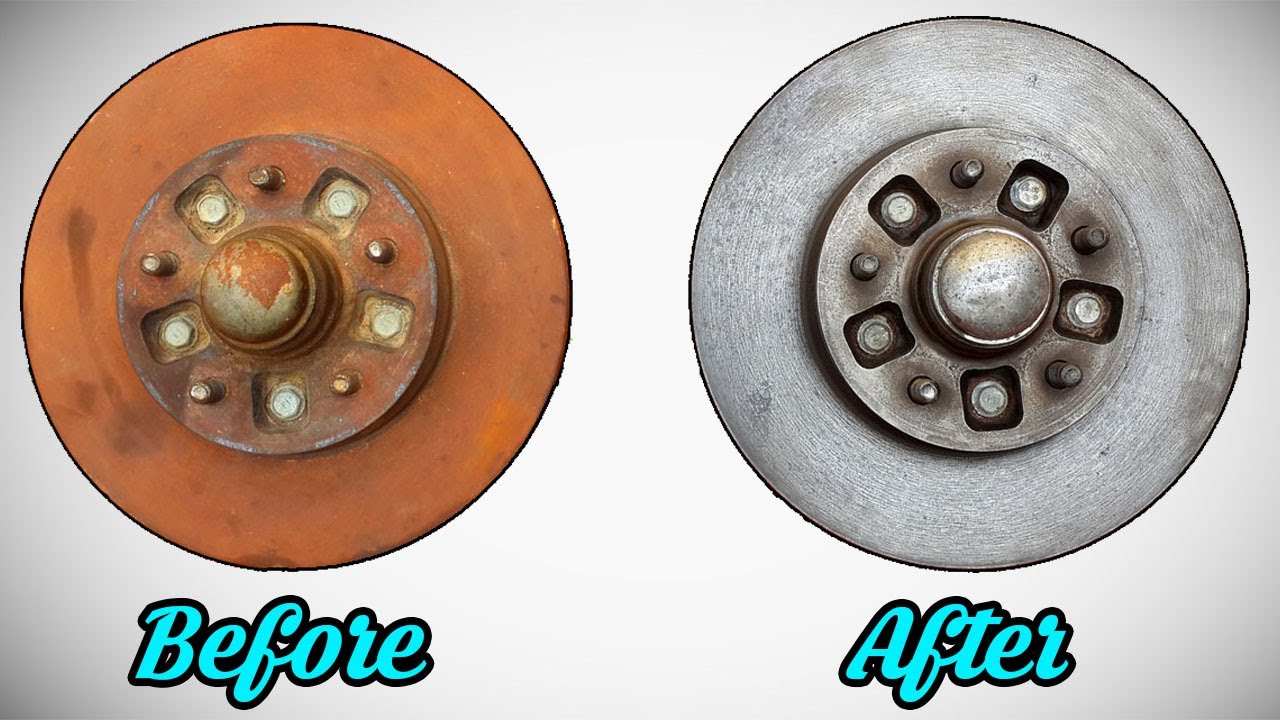
Rinse the rotor with clean water to wash away rust and chemicals. Use a cloth to wipe off extra water. Make sure the rotor dries completely to stop new rust from forming. Air drying or using a clean towel works well. Your rotors are now clean and ready for use.
Preventing Future Rust Build-up
Preventing rust on brake rotors saves time and money. Rust weakens rotors and affects braking. Taking simple steps helps keep rotors clean and safe. This section shows how to stop rust from coming back.
Regular Maintenance
Check your brake rotors often for rust and dirt. Clean them with a wire brush or brake cleaner. Replace worn brake pads to avoid rotor damage. Routine inspection prevents rust from growing deep.
Protective Coatings
Apply anti-rust sprays or coatings on the rotors. These create a barrier against moisture and air. Use products made for brake parts to avoid brake problems. Reapply coatings every few months or after cleaning.
Driving Habits
Drive your car regularly to stop rust buildup. Short drives in wet weather can cause rust faster. Avoid parking outside during rain or snow. Brake gently to reduce rotor wear and tear. Good habits keep rotors dry and rust-free.
When To Replace Brake Rotors
Brake rotors work hard every day to keep your vehicle safe. Over time, rotors can wear out or get damaged. Knowing when to replace rusty brake rotors is key for safe driving. Some signs mean it is time to change them. Ignoring these signs can cause bigger problems.
Signs Of Severe Damage
Deep grooves or cracks on the rotor surface show severe damage. Warped rotors cause shaking when braking. Rust that is thick and cannot be cleaned off is a bad sign. If the rotor thickness is below the manufacturer’s limit, replace it. Squealing or grinding noises mean the rotors might be damaged.
Safety Considerations
Driving with bad rotors is dangerous. It can reduce braking power and increase stopping distance. This puts you and others at risk. Brake failure can cause accidents. Safety should always come first. Replace rotors if you notice any serious damage or strange noises.
Professional Inspection
A mechanic can check rotors properly. They measure rotor thickness and check for warping. Professionals spot hidden damage that you might miss. Regular brake inspections help catch problems early. Visit a mechanic if you are unsure about rotor condition. Their advice helps keep your brakes safe and reliable.
Credit: www.youtube.com
Frequently Asked Questions
How Do I Remove Rust From Brake Rotors Safely?
Use a wire brush or sandpaper to scrub the rust gently. Wear protective gloves and eye protection. Avoid harsh chemicals that can damage the rotor surface. Clean the rotor thoroughly with brake cleaner afterward to remove residue.
Can I Clean Rusty Rotors Without Removing Wheels?
Yes, you can clean rotors without removing wheels if accessible. Use a wire brush or rust remover carefully. However, removing wheels allows better access for a thorough cleaning and inspection.
How Often Should I Clean Rusty Brake Rotors?
Clean rusty brake rotors whenever you notice surface rust or reduced braking performance. Regular inspection every few months helps prevent rust buildup. Frequent cleaning extends rotor life and improves braking safety.
Will Cleaning Rust Improve Brake Performance Immediately?
Yes, cleaning rust from rotors restores smooth brake pad contact. This improves braking efficiency and reduces noise. However, severe rust or damage may require rotor replacement for safety.
Conclusion
Cleaning rusty brake rotors helps keep your brakes safe and strong. Rust can cause noise and reduce braking power. Use simple tools and follow easy steps to remove rust. Regular checks prevent serious damage and costly repairs. Clean rotors improve driving comfort and safety.
Take time to care for your brakes often. Small efforts lead to better car performance. Keep your ride smooth and secure every day.


