Want your car to look spotless without spending hours scrubbing? Using a pressure washer can make cleaning your car faster and more effective.
But if you’re new to this, you might wonder how to do it safely without damaging the paint or parts. This guide will show you exactly how to clean your car using a pressure washer, step by step. By the end, you’ll know the tricks to get your car shining like new, saving you time and effort.
Ready to make your car cleaning routine easier and more satisfying? Keep reading!
Credit: activeproducts.com
Choosing The Right Pressure Washer
Choosing the right pressure washer is key for cleaning your car safely and effectively. The wrong machine can damage your paint or leave dirt behind. Understanding different types, pressure settings, and needed accessories helps you pick the best one. This guide breaks down these important factors.
Types Of Pressure Washers
Pressure washers come in electric and gas-powered models. Electric washers are quieter and lighter. They work well for small jobs like car cleaning. Gas washers are stronger but heavier. They suit large outdoor tasks but can be too powerful for cars. Choose a model with moderate power for safe car cleaning.
Ideal Pressure Settings For Cars
Car surfaces need gentle cleaning to avoid damage. Use a pressure between 1200 and 1900 PSI. This range removes dirt without harming paint or trim. Keep the water flow rate around 1.4 to 1.6 gallons per minute. Avoid high pressure that can chip paint or force water into seals.
Essential Accessories
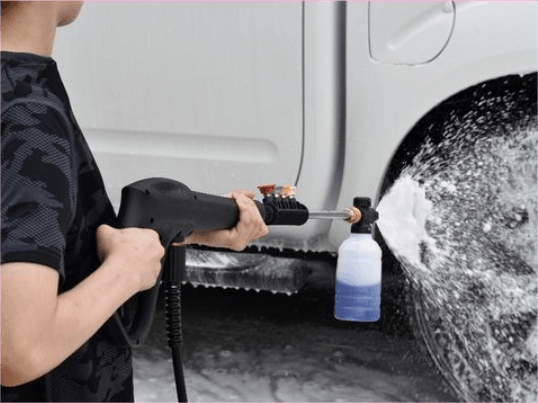
Accessories improve cleaning and protect your car. A foam cannon helps apply soap evenly. Use a wide spray nozzle, like 25 or 40 degrees, to reduce force. A pressure washer wand extension reaches high areas easily. Gloves and eye protection keep you safe during cleaning.
Preparing Your Car For Washing
Preparing your car for washing is an important first step. It helps protect the paint and other parts. Taking time now saves work and damage later. Follow these simple steps to get your car ready for a pressure washer.
Removing Loose Dirt And Debris
Start by removing loose dirt and debris from your car. Use a soft brush or a broom to sweep off dust, leaves, and bugs. This prevents scratches during washing. Focus on the roof, hood, and trunk. Clean the wheel wells and tires as well.
Protecting Sensitive Areas
Cover sensitive areas before using a pressure washer. Wrap plastic bags around the exhaust pipe and air intake. Tape over door seals and electrical parts. This stops water from entering and causing damage. Take care around mirrors and antennas too.
Gathering Cleaning Supplies
Collect all cleaning supplies before starting the wash. You will need car soap, a sponge, microfiber cloths, and tire cleaner. Use a pressure washer with the right nozzle for cars. Have a bucket of clean water ready for rinsing. Prepare everything to work quickly and safely.
Step-by-step Washing Process
Cleaning your car with a pressure washer is simple. Following a clear step-by-step process helps you get the best results. This guide breaks down each stage to keep your car shiny and clean.
Pre-rinsing The Car
Start by rinsing your car with water. Use a low-pressure setting on the washer. This removes loose dirt and dust. It prepares the surface for soap. Move the spray evenly over the entire car.
Applying Soap With Foam Cannon
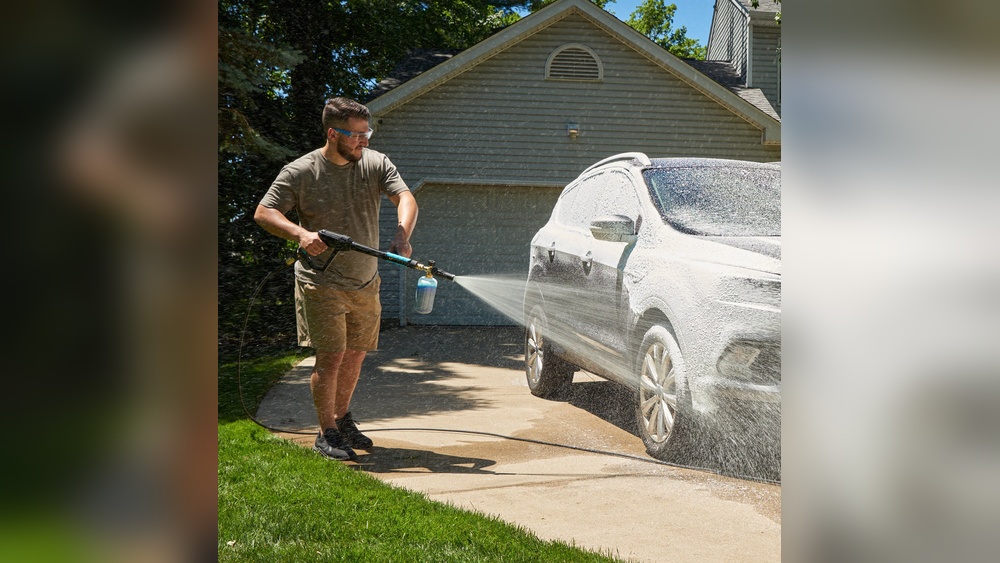
Attach a foam cannon to your pressure washer. Fill it with car wash soap mixed with water. Spray thick foam all over the car. Let the foam sit for a few minutes. This softens dirt and grime.
Pressure Washing Technique
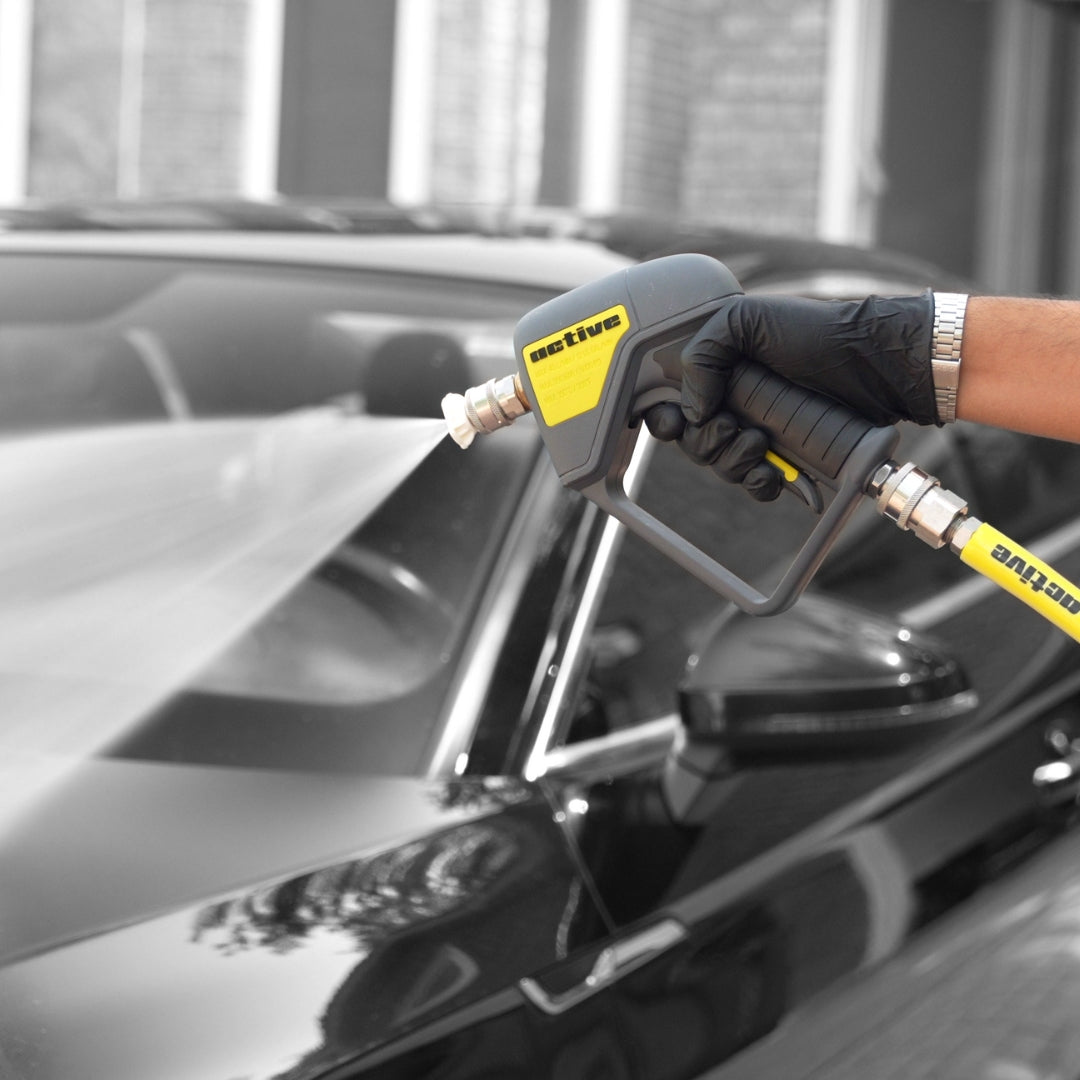
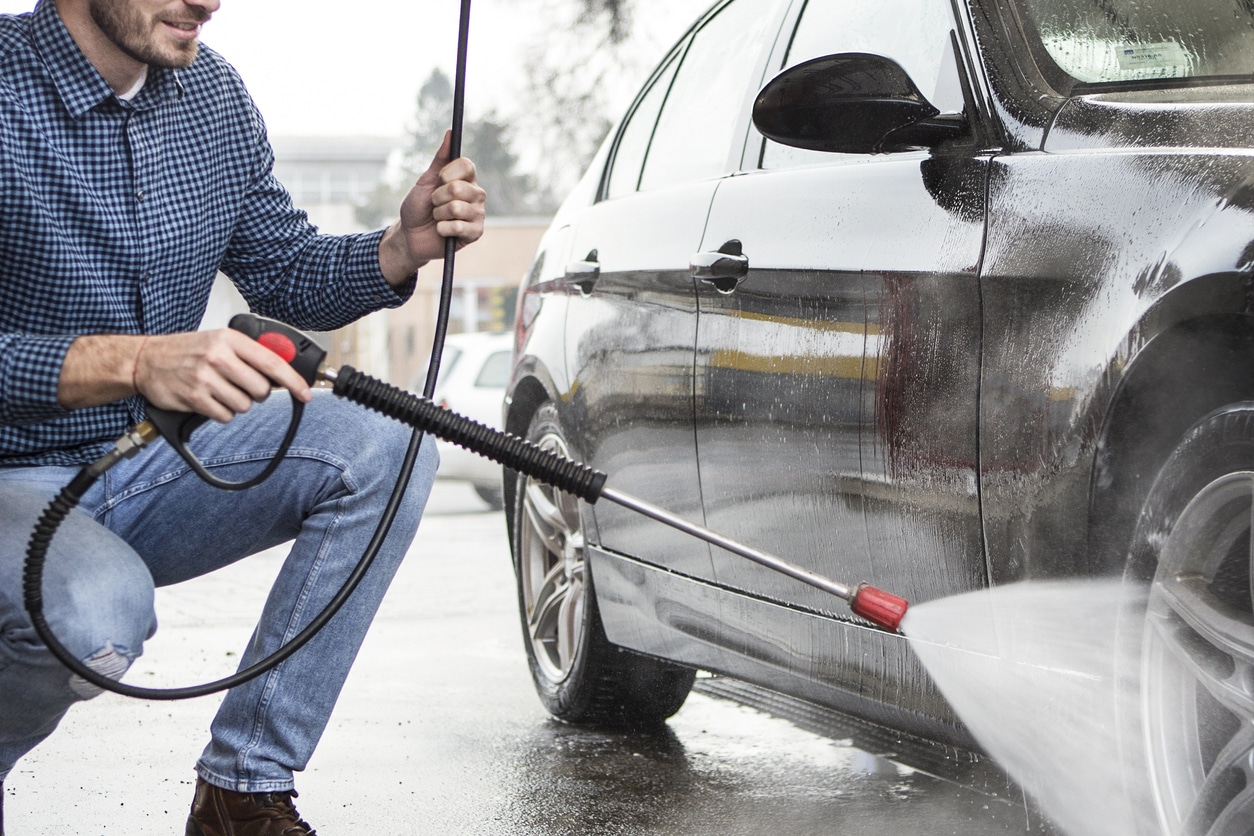
Set the washer to medium pressure. Hold the nozzle 12 to 18 inches from the car. Spray in smooth, even strokes. Start from the top and move downward. Avoid spraying directly at sensitive parts like mirrors and seals.
Rinsing Off Soap
Switch to a low-pressure setting again. Rinse the car thoroughly to remove all soap. Make sure no foam remains in crevices. Dry the car with a soft cloth or chamois to avoid spots.
Post-wash Care
After washing your car with a pressure washer, proper care helps keep it looking great longer. Post-wash care prevents water spots and protects the paint. Small steps improve your car’s shine and condition.
Drying The Car
Use a clean microfiber towel or chamois to dry your car. Pat the surface gently to avoid scratches. Dry all areas, including mirrors and windows. This stops water spots from forming.
Inspecting For Missed Spots
Check your car closely under good light. Look for dirt or grime left behind. Use a soft cloth and water to clean missed areas. Pressure washers can miss tight spots, so inspect carefully.
Waxing And Polishing Tips
Apply wax to protect the paint and add shine. Use a soft cloth or applicator pad for even coverage. Let the wax dry, then buff gently with a clean towel. Polishing can remove small scratches and restore gloss. Use polish sparingly to avoid damage.
Safety Tips For Pressure Washing
Using a pressure washer to clean your car can save time and effort. Safety is very important to avoid damage and injury. Follow these tips to keep your car and yourself safe during pressure washing.
Avoiding Paint Damage
Use a low pressure setting on your washer. High pressure can chip or remove paint. Keep the nozzle at least 12 inches from the car surface. Do not spray the same spot for too long. Test on a small hidden area first. Avoid using harsh detergents that harm the paint.
Handling Equipment Safely
Hold the pressure washer firmly with both hands. Check that all connections are tight before starting. Never point the washer at people, pets, or electrical parts. Turn off the machine before changing nozzles. Store the hose and cord properly to avoid tripping.
Protecting Yourself
Wear safety goggles to protect your eyes from debris. Use gloves to keep your hands safe and dry. Wear closed-toe shoes to protect your feet. Avoid loose clothing that can catch on the equipment. Stand on stable ground to keep balance while washing.
Credit: giraffetools.com
Common Mistakes To Avoid
Cleaning your car with a pressure washer can save time and effort. But mistakes can cause damage or poor results. Avoid common errors to keep your car safe and shiny. Learn the key mistakes to avoid for the best wash.
Using Too High Pressure
High pressure can damage your car’s paint and windows. It can also force water into places it should not go. Use a pressure setting that is safe for cars. Usually, 1200 to 1900 PSI works well. Test on a small area first to be sure.
Washing In Direct Sunlight
Cleaning your car under the hot sun can cause streaks. Water and soap dry too fast, leaving spots. Wash your car in the shade or during cooler parts of the day. This helps the soap rinse off evenly and prevents marks.
Ignoring Manufacturer Guidelines
Each car and pressure washer has specific instructions. Ignoring these can lead to damage or poor cleaning. Read the manuals carefully before starting. Follow the recommended pressure, distance, and cleaning products for your car.
Credit: www.simoniz.uk
Frequently Asked Questions
How Do I Safely Use A Pressure Washer On My Car?
Start with a low-pressure setting and keep the nozzle 12-18 inches away. Avoid direct spraying on sensitive areas like windows and seals. Use a wide spray pattern to prevent paint damage and always test on a small spot first.
What Pressure Level Is Ideal For Car Washing?
Use a pressure setting between 1200 and 1900 PSI for car washing. Higher pressure can damage paint and trim. Always consult your pressure washer’s manual for recommended settings to ensure safe and effective cleaning.
Can I Use Regular Soap With A Pressure Washer?
Yes, use a soap designed for pressure washers or car washing. Avoid harsh detergents as they may strip wax or damage paint. Apply soap with the foam cannon attachment for even coverage and better cleaning results.
How Often Should I Clean My Car With A Pressure Washer?
Cleaning your car with a pressure washer once every two weeks is ideal. Frequent washing removes dirt, grime, and contaminants that damage paint. Avoid over-washing to prevent stripping protective wax coatings.
Conclusion
Cleaning your car with a pressure washer saves time and effort. Use the right pressure and distance to avoid damage. Always start with a gentle rinse to remove loose dirt. Soap helps to clean stubborn grime better. Rinse well to avoid leaving soap marks.
Dry your car after washing to prevent water spots. Regular cleaning keeps your car looking fresh and protects the paint. Follow these simple steps for a clean and shiny car every time.