

If you want to keep your brakes working smoothly and extend the life of your rotors, knowing how to coat brake rotors is a skill you need. Coating your brake rotors can protect them from rust, reduce noise, and improve performance.
But how do you do it right? This guide will walk you through simple steps that anyone can follow, whether you’re a beginner or a car enthusiast. By the end, you’ll have the confidence to protect your brakes and save money on repairs.
Ready to learn how to give your brake rotors the care they deserve? Let’s dive in.
Credit: www.powerstop.com
Brake Rotor Coating Basics
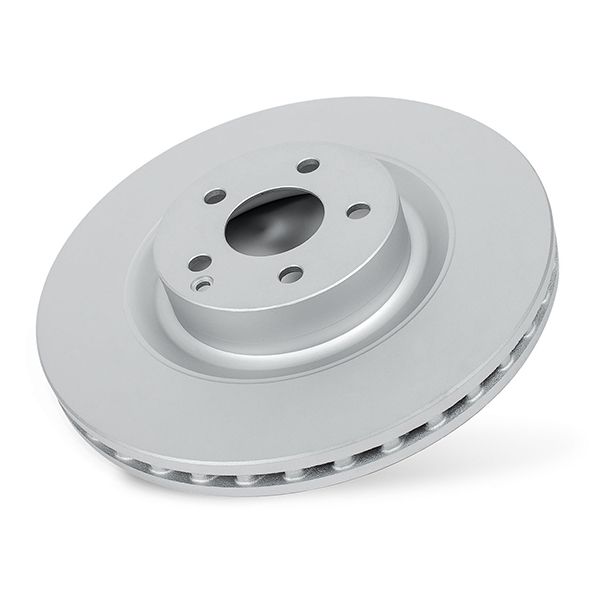
Brake rotor coating basics help you understand how to protect your rotors. Coating adds a layer that shields rotors from damage and wear. This section explains why coating matters, the types available, and the benefits you gain.
Purpose Of Coating
Coating protects brake rotors from rust and corrosion. It also reduces wear caused by heat and friction. The coating keeps rotors lasting longer and working better. It helps maintain smooth braking and prevents rotor damage.
Types Of Coatings
There are several types of brake rotor coatings. Zinc coatings provide rust resistance and are affordable. Ceramic coatings offer heat resistance and reduce brake dust. Some rotors have painted coatings for basic protection and style.
Benefits Of Coated Rotors
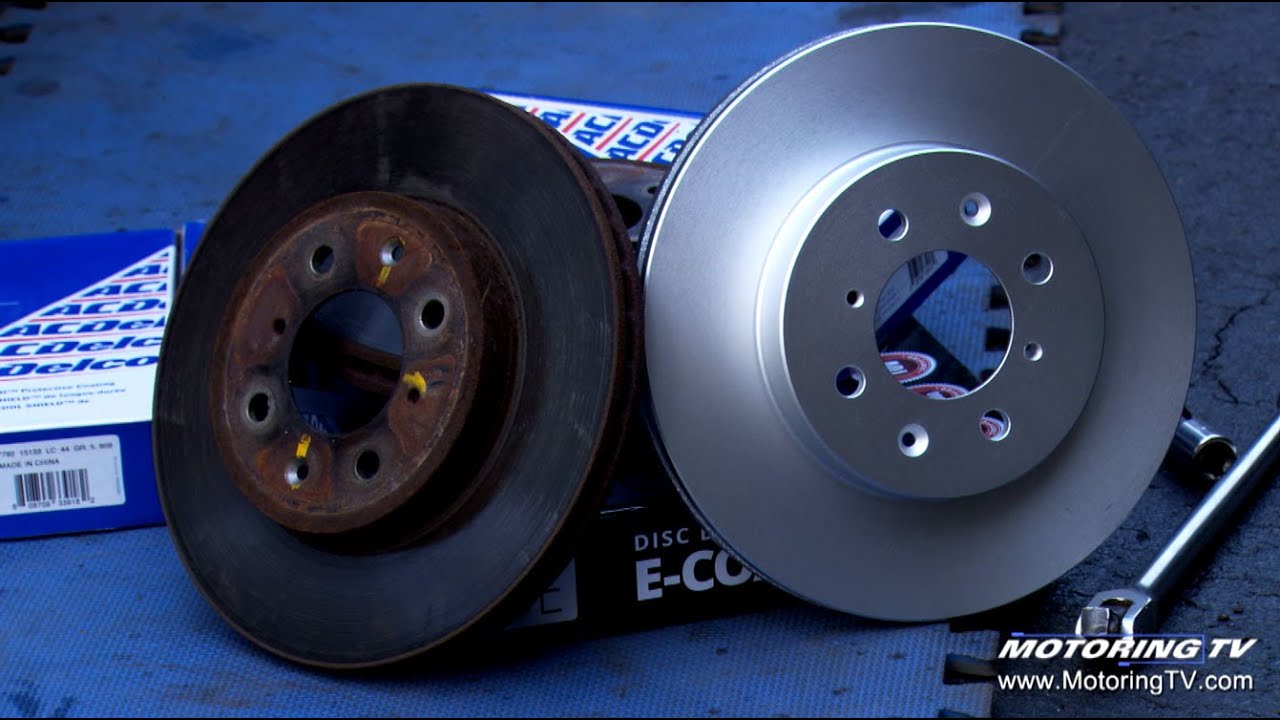
Coated rotors resist rust and stay cleaner longer. They reduce brake dust, keeping wheels neater. Coatings help rotors last longer under tough conditions. This saves money and keeps braking safe and smooth.
Choosing The Right Coating
Choosing the right coating for brake rotors protects them from rust and heat damage. It also helps improve the rotor’s lifespan and performance. Different coatings suit different needs and conditions. Understanding each type helps you pick the best option for your vehicle.
Ceramic Coatings
Ceramic coatings resist heat and reduce brake dust. They form a hard, smooth layer on the rotor surface. This layer helps prevent rust and corrosion. Ceramic coatings last long and keep rotors cleaner. They work well in high-performance and daily driving conditions.
Zinc And E-coat Options
Zinc coatings offer strong rust protection. They bond tightly to the metal and shield it from moisture. E-coat is a type of electro-deposition paint. It provides even coverage and good corrosion resistance. Both zinc and E-coat are cost-effective and durable choices.
High-temperature Paints
High-temperature paints withstand extreme heat from braking. They protect rotors from rust and wear. These paints come in various colors for customization. They dry quickly and maintain their finish over time. High-temp paints suit daily drivers and light racing use.
Preparation Before Coating
Preparation before coating brake rotors is crucial for a strong and lasting finish. The rotors must be clean and smooth. Dirt, rust, and old coatings can stop the new coating from sticking well. Proper preparation helps the coating protect the rotor better and last longer.
Cleaning The Rotors
Start by cleaning the rotors with soap and water. Remove all grease, oil, and dirt. Use a clean cloth or brush to scrub the surface. Let the rotors dry completely before moving to the next step. Clean rotors ensure the coating sticks properly.
Removing Rust And Debris
Rust weakens the rotor and blocks coating adhesion. Use a wire brush or rust remover to clear rust spots. Remove loose debris carefully. A clean, rust-free surface helps the coating protect the rotor better.
Sanding And Surface Prep
Lightly sand the rotors with fine-grit sandpaper. This creates a rough texture for better coating grip. Sand evenly without damaging the rotor. After sanding, wipe the rotors with a clean cloth to remove dust. Well-prepared surfaces improve coating durability.
Credit: www.youtube.com
Step-by-step Coating Process
Coating brake rotors protects them from rust and wear. This process also improves their lifespan. Follow these clear steps to coat your brake rotors effectively. Each step is simple and easy to follow.
Gathering Materials
Start by collecting all needed materials. You will need brake cleaner, a wire brush, primer, rotor coating paint, and gloves. A mask helps avoid inhaling fumes. Have clean rags ready for wiping. Make sure the area is well ventilated.
Applying Primer
Clean the rotor thoroughly using brake cleaner and a wire brush. Remove all dirt and rust. Let the rotor dry completely. Spray a thin, even coat of primer on the rotor surface. Avoid heavy layers to prevent dripping. Allow the primer to dry as per instructions.
Applying The Coating
Shake the rotor coating paint well. Apply the paint in thin, even layers. Cover the entire rotor surface carefully. Keep the spray can about 6 to 8 inches away. Let each layer dry before adding the next. Usually, two to three coats work best.
Curing And Drying
After the final coat, let the rotor dry fully. Drying times vary by product, but usually take 24 hours. Avoid touching or handling the rotor during this time. Proper curing ensures strong adhesion and durability. Once dry, the rotor is ready for installation.
Maintenance For Coated Rotors
Maintaining coated brake rotors keeps them working well and lasting longer. Proper care protects the coating and helps avoid costly repairs. A clean and smooth rotor surface improves braking performance and safety.
Regular Cleaning Tips
Clean rotors often to remove dust and dirt. Use a soft cloth or brush with mild soap. Avoid harsh chemicals that can damage the coating. Dry the rotors fully before driving to stop rust build-up.
Avoiding Damage
Do not use abrasive tools or wire brushes on rotors. Avoid hitting rotors with hard objects. Check brake pads regularly to prevent uneven wear. Drive gently after coating to let it set properly.
Signs Of Wear
Look for discoloration or rust spots on the rotor. Listen for unusual noises when braking. Feel for vibrations or pulsing in the brake pedal. These signs mean the coating might be damaged or worn.
Common Mistakes To Avoid
Coating brake rotors improves their lifespan and performance. Avoiding common mistakes helps you get the best results. Small errors can cause coating failure or safety issues. Follow these tips to avoid problems and ensure a smooth coating process.
Skipping Surface Prep
Surface preparation is the first step. Clean the rotors thoroughly. Remove rust, dirt, and oil before coating. A rough surface helps the coating stick better. Skipping this step can cause peeling and uneven coverage.
Overapplying Coating
Apply the coating in thin, even layers. Thick layers take longer to dry and may crack. Overapplying wastes material and reduces effectiveness. Use a light hand and build up coats slowly. This ensures a smooth and durable finish.
Ignoring Safety Measures
Wear gloves and a mask during the process. Coating materials can be harmful if inhaled or on skin. Work in a well-ventilated area. Follow all safety instructions on the product label. Protect yourself to avoid health risks.
Enhancing Rotor Longevity
Enhancing the longevity of brake rotors is key to saving money and staying safe. Coating your rotors protects them from rust and wear. Beyond coating, certain habits and checks keep rotors working longer. Small actions make a big difference in how long rotors last.
Proper Driving Habits
Drive smoothly to reduce stress on brake rotors. Avoid sudden stops and hard braking. Let your car slow down naturally when possible. This lowers heat buildup in the rotors. Heat causes warping and early wear. Gentle driving helps rotors stay in good shape longer.
Brake Pad Compatibility
Use brake pads that match your rotors. Pads and rotors must work well together. Wrong pads can damage the rotor surface. Check the manufacturer’s recommendations before buying pads. Correct pads reduce noise and wear. This protects your coated rotors and extends their life.
Routine Inspections
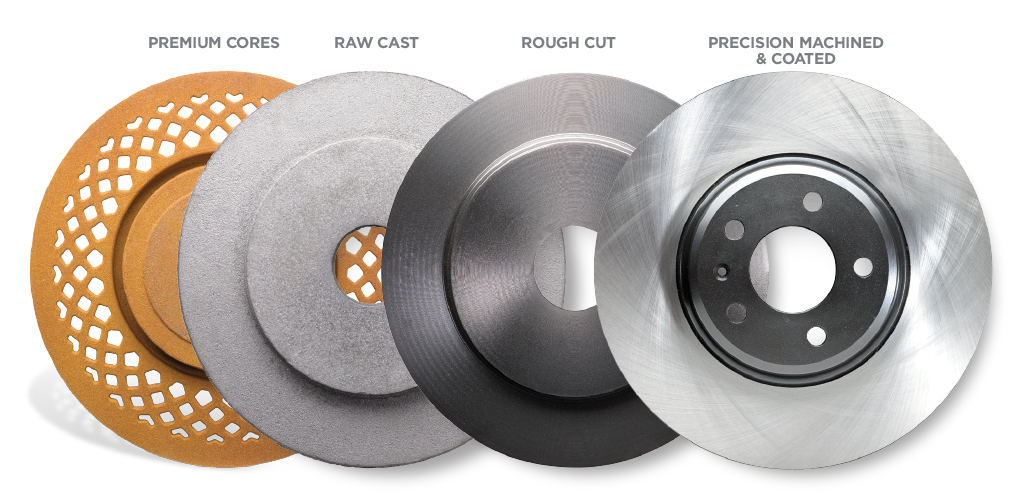
Check your brake system regularly for issues. Look for signs of rotor wear, cracks, or rust. Inspect the coating for any damage. Early detection stops small problems from growing. Regular inspections keep rotors efficient and safe. Schedule checks with a mechanic or do them yourself.
Credit: duragoparts.com
Frequently Asked Questions
What Materials Are Needed To Coat Brake Rotors?
You need brake cleaner, high-temp paint, sandpaper, masking tape, and a clear coat. These materials ensure proper cleaning, prepping, and coating for durability and protection.
How Do You Prepare Brake Rotors For Coating?
Clean rotors thoroughly using brake cleaner. Lightly sand the surface for better paint adhesion. Mask off areas to avoid overspray before applying paint.
How Long Does It Take For Brake Rotor Coating To Dry?
Drying time varies by product but usually takes 30-60 minutes. Full curing may require 24 hours for optimal durability and performance.
Can Coating Brake Rotors Prevent Rust?
Yes, coating creates a protective barrier against moisture and contaminants. This significantly reduces rust formation and extends rotor lifespan.
Conclusion
Coating brake rotors helps protect them from rust and wear. It also improves their lifespan and performance. Use the right materials and follow steps carefully. Clean the rotors well before applying the coating. Let the coating dry completely for best results.
Regular maintenance keeps your brakes working safely. Taking time to coat rotors saves money on repairs later. A simple task that boosts your vehicle’s safety. Try these tips for smooth and lasting brake rotors.


