

Are you struggling to get the perfect foam from your foam cannon? One key factor that makes all the difference is the orifice size.
Knowing how to determine the right orifice size can transform your car wash routine, giving you thicker foam, better coverage, and a smoother clean. You’ll discover simple steps to find the ideal orifice size for your foam cannon. By the end, you’ll have the confidence to customize your setup and get the best results every time you wash.
Keep reading to unlock the secret to foam cannon success!
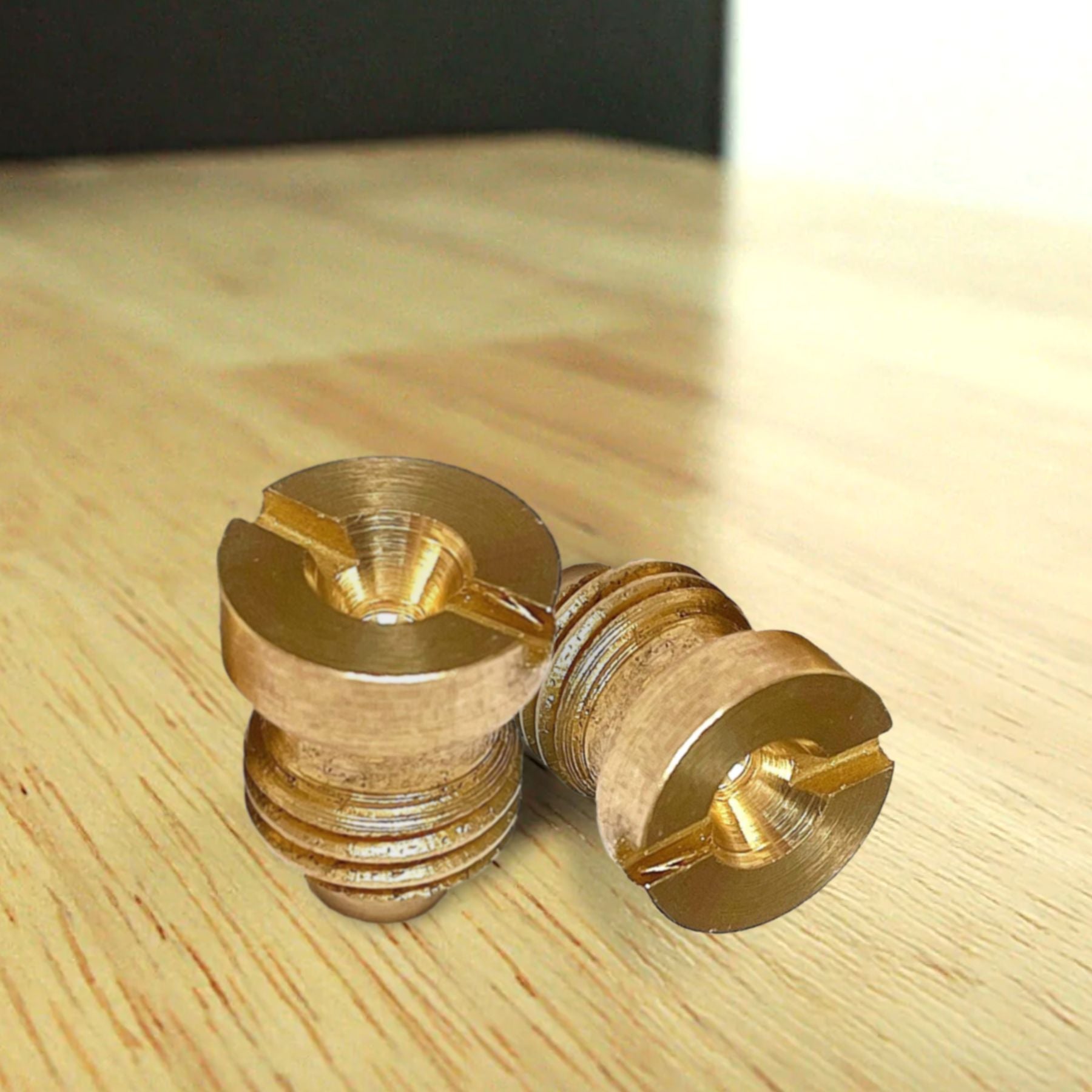
Credit: lepaystchad.com
Foam Cannon Basics
Understanding the basics of a foam cannon helps you choose the right orifice size. This choice affects foam thickness and spray pattern. Knowing the key parts and how the cannon works makes the process easier.
What Is A Foam Cannon
A foam cannon is a tool used for car washing and cleaning. It mixes water, soap, and air to create thick foam. This foam sticks to surfaces, loosening dirt and grime. It saves time and reduces the need for scrubbing.
Key Components
The main parts of a foam cannon include the nozzle, orifice, soap container, and hose connector. The nozzle controls how the foam sprays out. The orifice size affects foam thickness and flow rate. The soap container holds the cleaning solution. The hose connector attaches the cannon to a pressure washer.
Credit: www.mtmhydroparts.com
Role Of Orifice Size
The orifice size in a foam cannon plays a key role in its performance. It controls how much soap and water mix before spraying. This size affects both the foam’s texture and the water flow. Choosing the right orifice size helps get the best foam quality and water pressure for cleaning.
Impact On Foam Quality
A small orifice creates thicker foam with dense bubbles. The soap mixes well with water. This thick foam clings better to surfaces. It stays longer, which helps clean dirt and grime.
A large orifice produces lighter foam with bigger bubbles. The mix is less concentrated. This foam rinses off quickly and may not clean as deeply.
Effect On Water Pressure
A smaller orifice reduces water flow, lowering pressure. The spray is gentler but rich in foam. This works well for delicate surfaces.
A bigger orifice increases water flow and pressure. The spray is stronger but less foamy. It suits tough cleaning jobs but can damage sensitive areas.
Common Orifice Sizes
Choosing the right orifice size is key for foam cannon performance. The orifice controls how much soap and water mix. This affects foam thickness and spray pattern. Different sizes suit different cleaning jobs. Understanding common orifice sizes helps you pick the best fit for your needs.
Standard Measurements
Orifice sizes usually range from 1.0 mm to 3.0 mm. The most common sizes are 1.2 mm, 1.5 mm, and 2.0 mm. Smaller orifices create thicker foam but lower flow rates. Larger orifices allow more water flow but thinner foam. Most foam cannons use 1.5 mm or 2.0 mm for a good balance. Always check your foam cannon’s manual for recommended sizes.
Material Considerations
Orifices come in different materials like brass, stainless steel, and plastic. Brass orifices last longer and resist corrosion. Stainless steel handles high pressure and heat well. Plastic orifices are cheaper but wear out faster. The choice depends on your cleaning environment and budget. Durable materials provide consistent foam quality over time.
Factors Influencing Size Choice
Choosing the right foam cannon orifice size depends on several key factors. These factors affect foam quality and how well the foam cannon works with your equipment. Understanding them helps you pick the best size for your needs.
Each factor plays a role in the foam’s strength and thickness. Knowing these will ensure you get good results every time.
Pressure Washer Specifications
The pressure washer’s power affects the orifice size choice. Higher pressure allows for a smaller orifice. It can push water through tightly for better foam. Lower pressure needs a larger orifice to keep flow steady. Check your washer’s PSI and GPM ratings first. Match the orifice size to these numbers for best performance.
Soap Concentration
Soap strength changes how the foam forms. Thicker soap needs a bigger orifice. This lets more soap mix with water. Thin soap works well with a smaller orifice. It balances the soap and water flow. Adjust the orifice size to match your soap type and concentration.
Desired Foam Thickness
How thick you want the foam matters too. Thick foam needs a larger orifice for more soap. Thin foam needs a smaller orifice for better water flow. Think about your cleaning needs. Pick the orifice size that creates the foam thickness you want.
Measuring Orifice Size
Start by checking the diameter of the foam cannon’s orifice with a ruler or caliper. Measure carefully to get the exact size for proper foam flow and spray pattern. This helps ensure the foam cannon works efficiently and safely.
Tools Needed
Measuring the foam cannon orifice size requires precise tools. Use a set of calipers for the best results. A ruler can help but is less accurate. A small gauge or drill bit set also works well. These tools measure small openings with ease and accuracy. Choose tools that fit the orifice size range you expect.
Step-by-step Process
Start by cleaning the orifice area to remove dirt and debris. This ensures accurate measurement. Open the foam cannon nozzle to access the orifice. Use calipers to measure the diameter across the orifice. Hold the calipers steady and note the reading. If using drill bits, gently test which bit fits perfectly. Record the size that fits snugly without forcing. Repeat the measurement a few times to confirm accuracy. Write down the final measurement for reference.
Adjusting Orifice For Performance
Adjusting the orifice size on a foam cannon affects how well it works. The orifice controls the mix of soap and water. Changing its size changes the foam thickness and spray pattern. A bigger orifice lets more soap pass through. A smaller one reduces soap flow, making foam lighter. Adjusting the orifice helps match foam output to your cleaning needs. It also saves soap and water.
Fine-tuning Foam Output
Start by testing foam with the current orifice size. Note the foam thickness and coverage. If foam is too thin, try a smaller orifice. This cuts water flow and thickens foam. If foam is too thick or runs out fast, try a bigger orifice. This mixes more water and soap. Adjust in small steps to avoid big changes. Check foam after each adjustment. Find the balance that cleans well and uses soap wisely.
Troubleshooting Common Issues
Foam too watery? The orifice may be too large. Reduce size to get thicker foam. Foam not reaching far? Spray pressure might be low. Check your pressure washer settings. Soap not mixing well? Clean the orifice and nozzle. Dirt can block soap flow. Foam breaks quickly? Try a smaller orifice or less soap. Test adjustments outdoors to see real results. Keep the orifice clean for steady foam quality.
Safety Tips
Safety is crucial when working with foam cannons and their orifice sizes. Understanding and following safety tips prevents accidents and damage. Foam cannons operate under pressure. Careful handling protects you and your equipment.
Handling High-pressure Equipment
Always wear safety goggles and gloves to protect your eyes and hands. Never point the foam cannon at people, animals, or fragile objects. Check hoses and connections for leaks before use. Use the correct pressure settings recommended by the manufacturer. Avoid sudden pressure changes to reduce risk. Store the equipment in a safe, dry place after use.
Maintaining Foam Cannon
Clean the foam cannon after every use to prevent clogs. Flush the orifice with clean water to remove residue. Inspect the nozzle for damage or wear regularly. Replace worn parts to keep performance safe and effective. Avoid using harsh chemicals that can damage seals. Proper maintenance extends the life of your foam cannon and keeps it safe to use.
Choosing The Right Foam Cannon
Selecting the right foam cannon is key for effective car washing. The orifice size affects foam thickness and spray pattern. Picking the best size matches your cleaning needs and equipment. Understanding these details saves time and improves results.
Focus on how you use the foam cannon and what kind of soap you prefer. A suitable orifice size can boost your cleaning power without wasting soap or water. Let’s explore how to choose the right orifice size and balance quality with budget.
Matching Orifice Size To Needs
Orifice size controls the flow of soap and water. A smaller orifice creates thicker foam but lowers flow rate. Larger orifices increase flow, making foam lighter and faster to apply.
For thick, rich foam, choose an orifice between 3mm and 5mm. This suits detailed cleaning and gentle washing. For quick rinsing or large vehicles, a 6mm or larger orifice works well.
Think about your pressure washer’s power. High-pressure models handle smaller orifices better. Low-pressure washers need larger orifices to avoid strain and keep foam steady.
Budget Vs. Quality
Foam cannons vary in price and material quality. Cheaper models often use plastic parts and may wear out fast. Higher quality foam cannons use brass or stainless steel for durability.
Investing in a quality foam cannon saves money over time. It lasts longer and performs better. However, a mid-range model can work well for casual users.
Balance your budget with your washing frequency. Frequent users benefit from sturdy, reliable equipment. Occasional washers can choose simpler, affordable options without losing too much performance.

Credit: www.amazon.com
Frequently Asked Questions
What Is A Foam Cannon Orifice Size?
A foam cannon orifice size is the diameter of the nozzle opening. It controls the foam thickness and spray pattern. Choosing the right size ensures optimal soap mixture and coverage for effective cleaning.
How Does Orifice Size Affect Foam Cannon Performance?
Orifice size affects water flow and soap concentration. A smaller orifice produces thicker foam but less coverage. A larger orifice increases flow and coverage but creates thinner foam. Balance is key for best results.
How To Measure Foam Cannon Orifice Size?
To measure orifice size, use a caliper to gauge the nozzle opening diameter. Measure in millimeters for precision. This helps in selecting the right nozzle for your foam cannon.
Which Orifice Size Suits Different Pressure Washers?
Low-pressure washers work better with larger orifices (around 3-5 mm) for more flow. High-pressure washers perform well with smaller orifices (1-3 mm) to maintain foam density. Match orifice size to your washer’s PSI for efficiency.
Conclusion
Choosing the right foam cannon orifice size affects foam quality and spray pattern. Small orifices create thicker foam but less flow. Large orifices increase flow but may reduce foam thickness. Match orifice size to your pressure washer and cleaning needs.
Testing different sizes helps find the best fit. Proper orifice selection makes washing easier and more effective. Keep these tips in mind for better foam cannon use. Simple steps lead to cleaner cars and surfaces every time.


