

Are you wondering how much pressure you should use to wash your car without damaging the paint or missing stubborn dirt? Using the right pressure is key to making your car shine while protecting its surface.
Too much pressure can cause scratches and chips, while too little might leave grime behind. You’ll discover the perfect pressure settings to clean your car effectively and safely. Keep reading to learn how to get that spotless finish every time—your car will thank you!
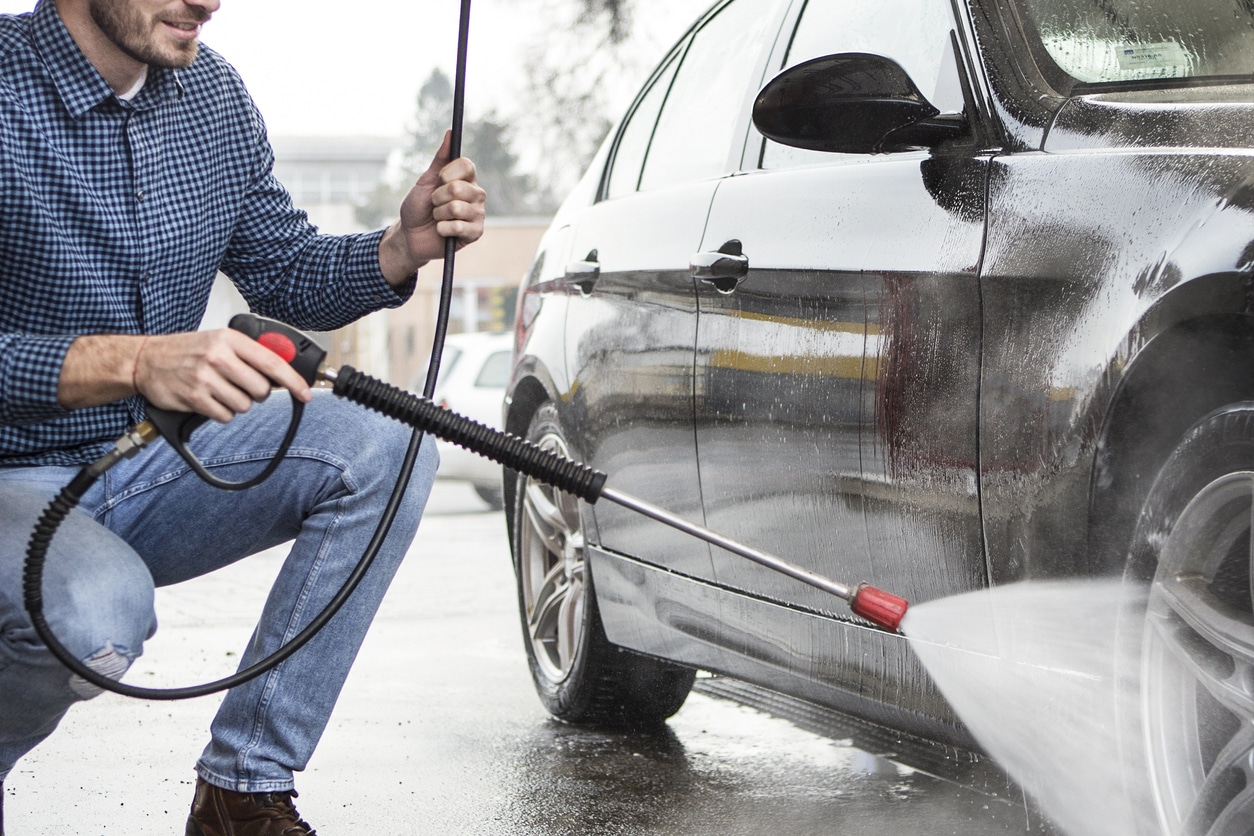
Credit: www.simoniz.uk
Ideal Pressure Range For Car Washing
Choosing the right pressure for washing your car matters a lot. Too much pressure can harm the paint and delicate parts. Too little pressure may not clean well. Finding the ideal pressure range keeps your car safe and clean.
Low Pressure For Delicate Surfaces
Delicate parts need gentle care. Use low pressure around 1,200 to 1,900 PSI. This level cleans dirt without damaging paint, mirrors, or trim. Low pressure is great for washing soft surfaces and areas with decals.
Medium Pressure For Regular Cleaning
Medium pressure works best for everyday car washing. Set pressure between 1,900 and 2,500 PSI. This range removes dirt, grime, and bugs effectively. It cleans the body without risking scratches or paint chipping.
High Pressure Risks
High pressure above 2,500 PSI can cause damage. It may strip paint, crack windows, or harm rubber seals. Avoid using high pressure near sensitive areas like tires and headlights. High pressure is best left for tough jobs on hard surfaces only.
Factors Affecting Pressure Choice
Choosing the right pressure to wash your car depends on several key factors. These factors help protect your car’s surface and ensure effective cleaning. Understanding them prevents damage and improves results.
Car Paint Type
Different car paints need different pressure levels. Soft or old paint requires lower pressure to avoid peeling. Hard, new paint can handle higher pressure safely. Check your car’s paint type before washing.
Surface Condition
A clean, smooth surface needs less pressure to wash. Rough, dirty, or rusty surfaces may need stronger pressure. Use gentle pressure on delicate parts like decals or trim. Adjust pressure based on how dirty the car is.
Equipment Quality
The quality of your pressure washer affects the pressure choice. Cheap machines may have unstable pressure output. High-quality equipment offers consistent pressure and control. Invest in good tools for better cleaning and safety.
Best Pressure Washer Settings
Choosing the right pressure washer settings is key for a clean car without damage. The pressure and flow rate must be balanced to remove dirt safely. Using the wrong settings can hurt your car’s paint or leave grime behind. Focus on three main parts: pressure, nozzle, and distance.
Recommended Psi And Gpm
Use a pressure between 1200 and 1900 PSI for washing cars. This range cleans well without harming paint or trim. The flow rate, or GPM (gallons per minute), should be about 1.4 to 1.6. Higher pressure or flow can strip paint or force water into seals. Lower numbers might not clean enough dirt away.
Nozzle Selection
Pick the right nozzle for the job. A 25-degree nozzle spreads water wide, reducing pressure on the surface. It works well for general cleaning. Avoid narrow nozzles like 0 or 15 degrees. They spray water too hard and can scratch or peel paint. Use a soap nozzle for applying detergent gently before rinsing.
Distance From Car Surface
Keep the pressure washer nozzle about 12 to 24 inches from the car. Closer distance increases pressure and risk of damage. Too far and cleaning power drops. Move the wand in smooth, sweeping motions to avoid focusing pressure on one spot. This protects paint and helps clean evenly.
Common Mistakes To Avoid
Choosing the right pressure for washing your car is key. Many people make simple mistakes that damage their vehicle or leave dirt behind. Avoiding these errors helps keep your car clean and safe.
Using Excessive Pressure
High pressure can harm your car’s paint and trim. It may cause scratches or even dents. Use moderate pressure to protect the surface while cleaning effectively.
Ignoring Manufacturer Guidelines
Car makers provide specific advice on washing. Ignoring these rules might void your warranty or cause damage. Follow the instructions for the best results and safety.
Skipping Pre-wash Rinse
Rinsing removes loose dirt before applying soap. Skipping this step can cause scratches when scrubbing. Always rinse your car first to prevent damage and improve cleaning.
Additional Tips For Safe Washing
Washing your car with the right pressure is important, but there are other steps to keep your car safe. These tips help protect your car’s paint and parts. Follow these to avoid damage and keep your car looking new.
Using Soap And Detergents
Choose car-specific soap for the best cleaning. Avoid household detergents that can strip wax or damage paint. Use a gentle soap mixed with water. Apply with a soft sponge or cloth. Rinse the soap off completely to prevent streaks or residue.
Protecting Sensitive Areas
Cover parts like mirrors, lights, and door seals before washing. Avoid spraying high pressure directly on these areas. Water can seep into cracks and cause problems. Use a lower pressure setting around these spots to keep them safe.
Post-wash Care
Dry your car with a clean microfiber towel. This stops water spots from forming. Check for any missed dirt or soap spots. Apply wax or sealant to protect the paint. Regular care after washing keeps your car shiny and safe.
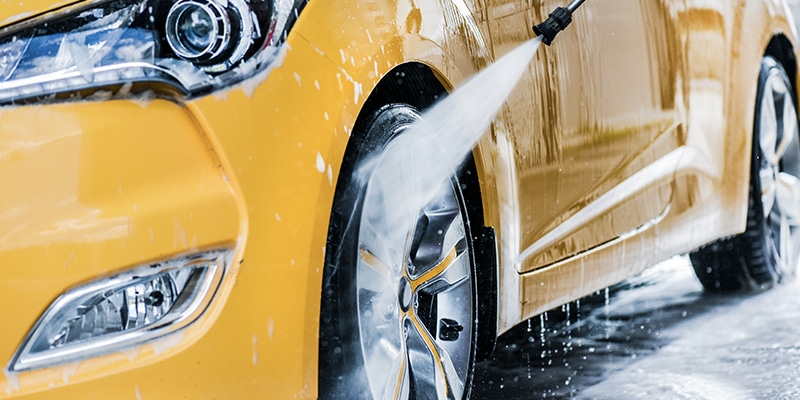
Credit: washh.com
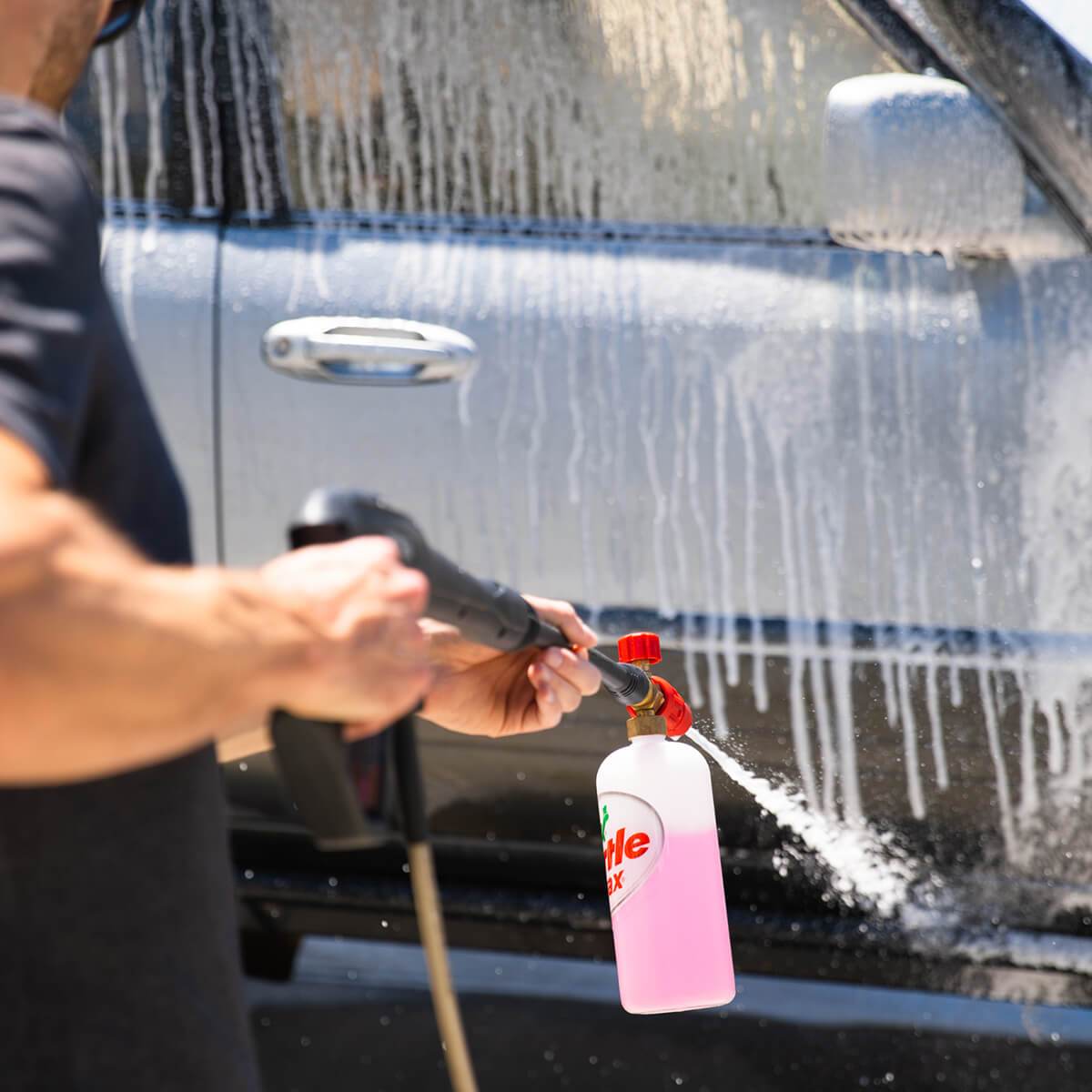
Credit: www.turtlewax.com
Frequently Asked Questions
What Pressure Is Safe For Washing A Car?
A safe pressure for washing a car is between 1200 to 1900 PSI. This range effectively removes dirt without damaging paint or seals. Always use a wide spray nozzle to reduce pressure impact and avoid concentrated streams that may harm the car’s surface.
Can High Pressure Damage My Car Paint?
Yes, high pressure above 2000 PSI can strip paint and cause scratches. It may also damage seals and trim. Use moderate pressure and maintain a safe distance between the nozzle and car surface to protect the paint finish.
Should I Use A Pressure Washer Or Hose For Washing?
Pressure washers clean efficiently but require proper pressure settings. A hose is gentler but less effective on tough grime. For regular washing, use a pressure washer with 1200-1900 PSI. For delicate parts, switch to a hose or low-pressure washer.
What Nozzle Type Is Best For Car Washing?
A 25-degree or 40-degree nozzle is best for car washing. These wide spray nozzles distribute water evenly, reducing pressure impact. Avoid narrow nozzles which concentrate pressure and risk paint damage.
Conclusion
Choosing the right pressure keeps your car safe and clean. Too much pressure can damage paint or windows. Too little pressure might not remove dirt well. Aim for a balanced setting around 1200 to 1900 PSI. Always test a small area first.
Use gentle motions and keep the nozzle moving. This way, your car gets a good wash without harm. Clean cars look better and last longer. Simple care makes a big difference.


